
Introduction
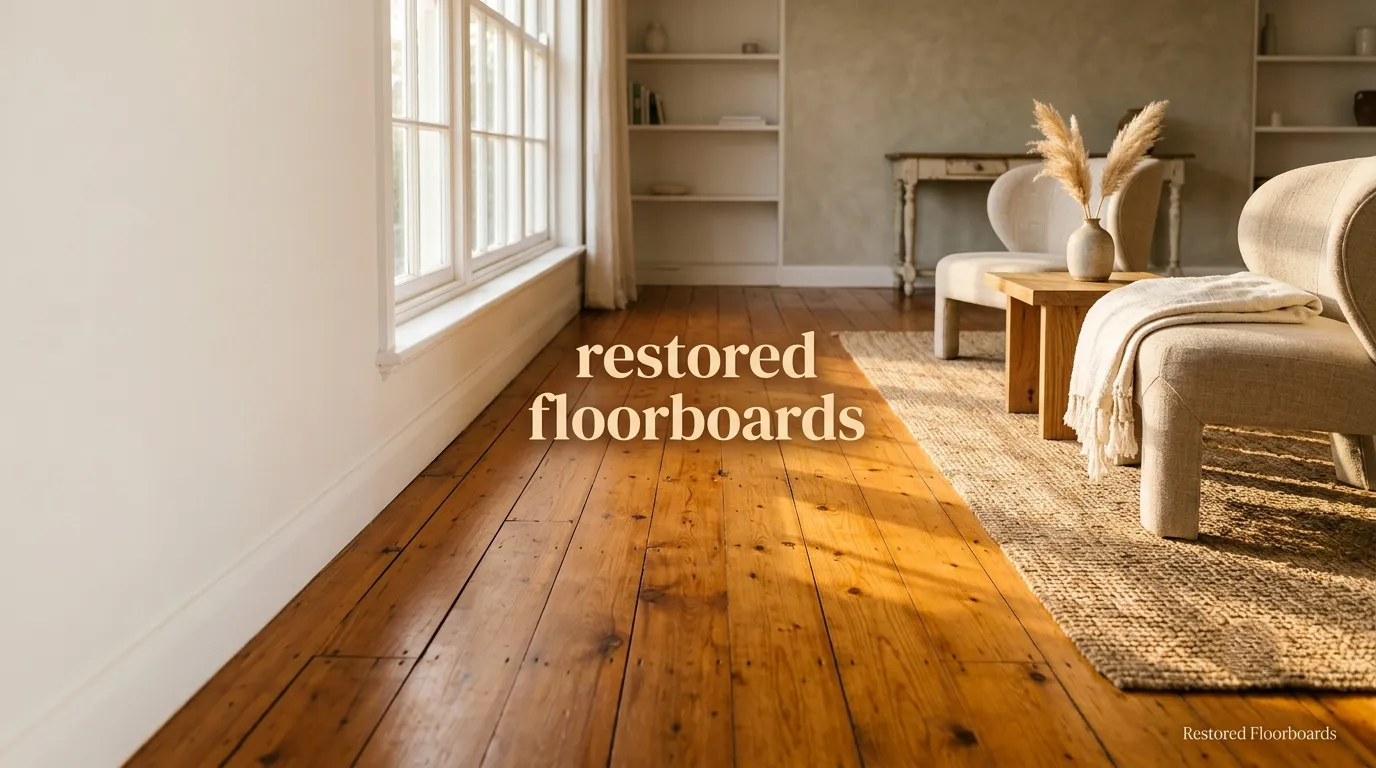
Restored floorboards have a quality that new flooring simply cannot replicate. Every dent, knot, and worn patch carries the history of a home, and when those original boards are sanded, repaired, and finished correctly, they become the single most character-rich feature in a room. Restored floorboards are original wood floors — often hidden under carpet, vinyl, or decades of grime — that have been brought back to a usable, beautiful condition through cleaning, repair, sanding, and refinishing, rather than being torn out and replaced.
Having worked through countless renovation projects, one truth holds up every time: the floor sets the tone for the entire room. A freshly restored floorboard surface, with its slightly uneven grain and natural patina, gives a home depth that no engineered plank can fully imitate. This guide walks through what it actually takes to assess, repair, and finish old floorboards, what the process tends to cost, and when restoration makes more sense than replacement.
This is not a quick cosmetic fix. Restoring floorboards properly involves understanding the wood species, the age of the boards, the extent of gaps and damage, and the finish that will suit the home’s overall style. The sections below break the process into clear, practical stages so the decision-making feels manageable rather than overwhelming.
Restoring Floorboards Hidden Under Carpet
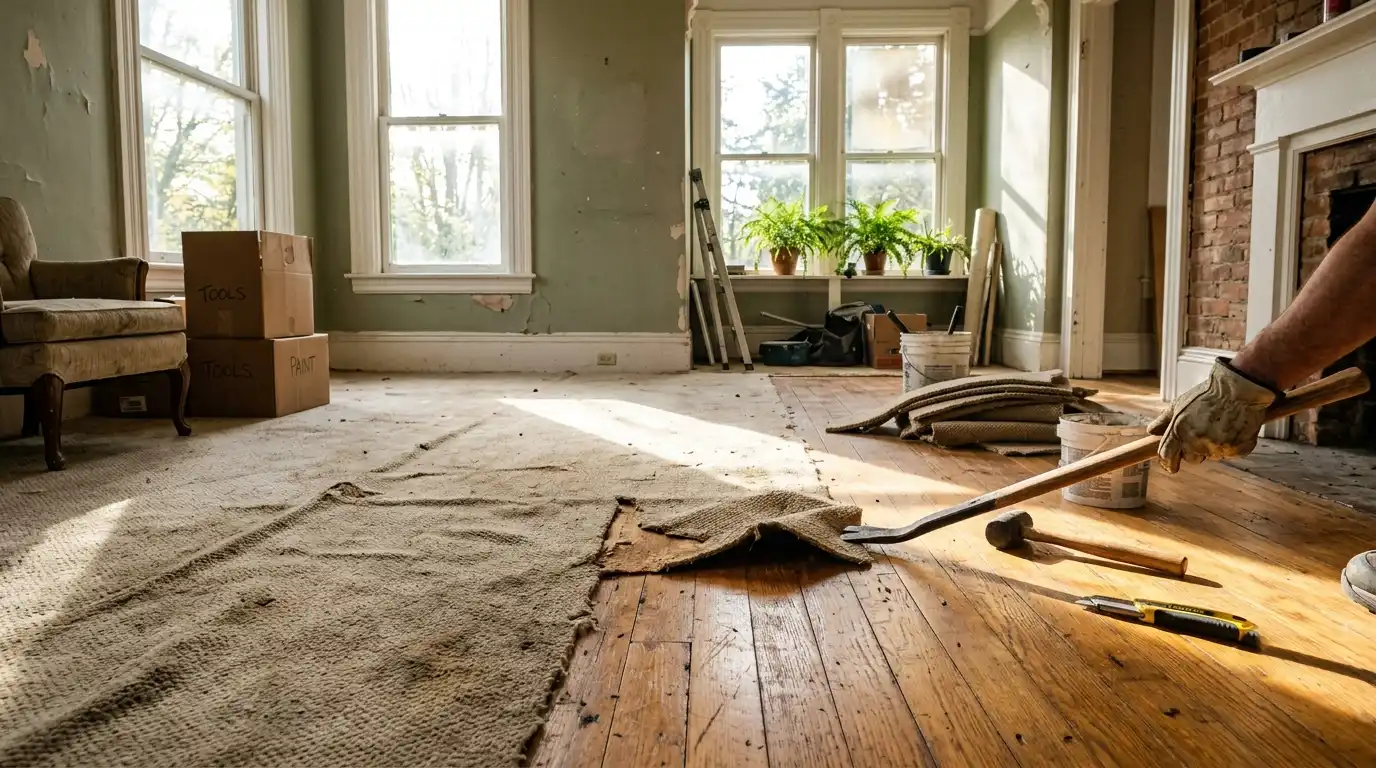
Many of the best restored floorboards start their second life hidden beneath wall-to-wall carpet. Builders in older homes often laid solid hardwood as a matter of course, and decades later that wood floor under carpet is still intact, just waiting to be uncovered. Pulling back a corner of carpet in a doorway or closet is usually the fastest way to check what’s underneath before committing to a full renovation.
Do You Have to Refinish Hardwood Floors After Removing Carpet?
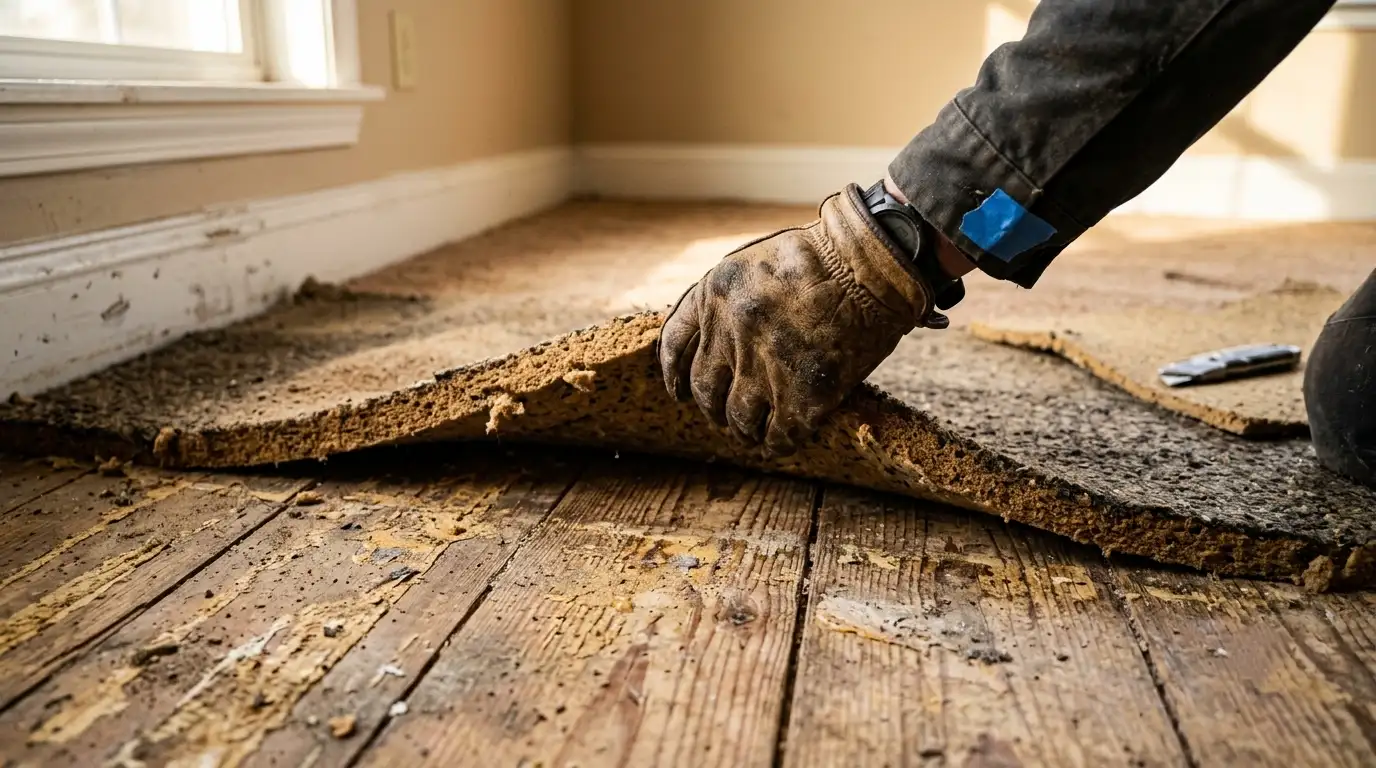
After removing carpet, most original floors will need at least a light refinish, even if the wood itself is in decent shape. Years of carpet padding, adhesive residue, staples, and trapped moisture leave the surface dull, stained, or uneven, so refinishing is almost always required to restore a smooth, even tone. In rare cases where the boards were sealed before the carpet went down, a deep clean and a fresh coat of finish may be enough.
Assessing Old Floorboards Before Restoration
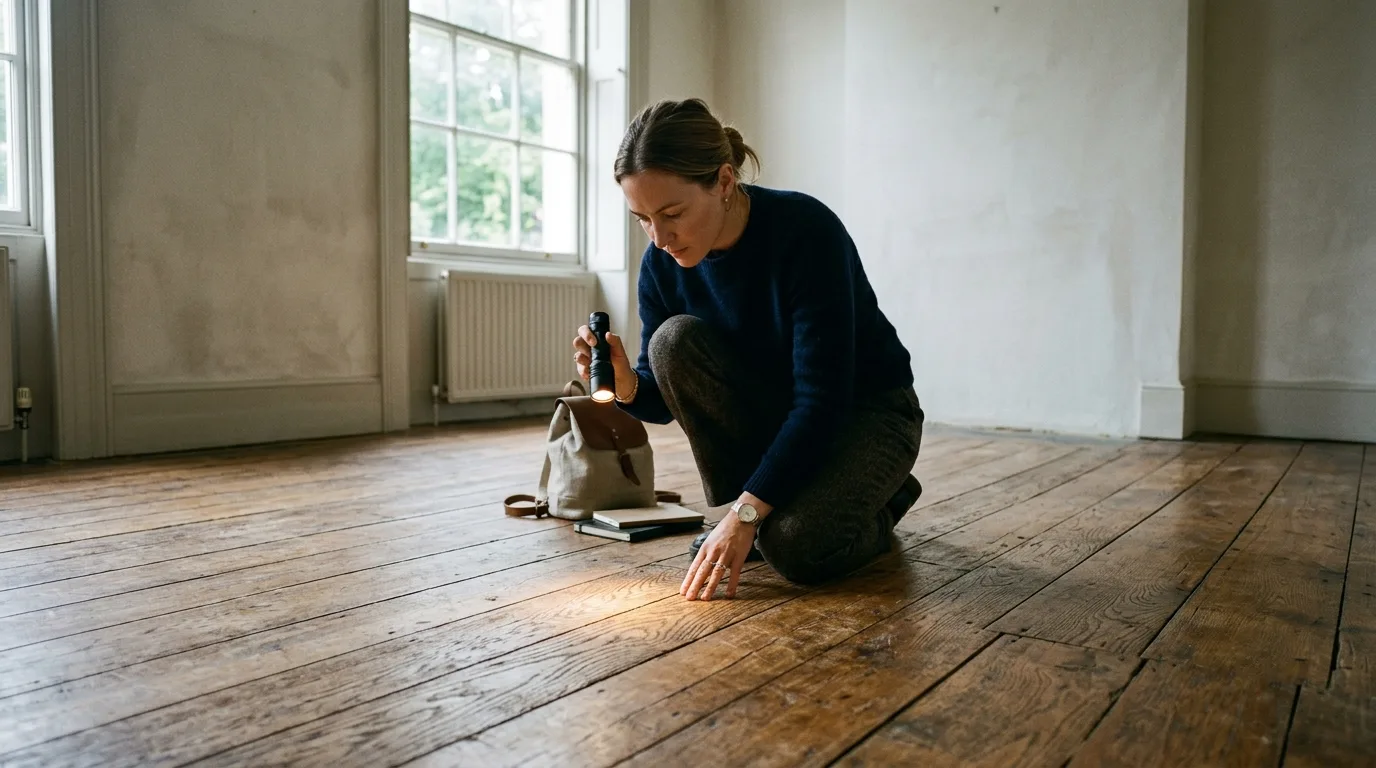
Before any sanding begins, a careful inspection determines whether floorboards are strong candidates for restoration. Boards with deep rot, severe water damage, or extensive insect activity may need replacing in sections, while boards that are simply worn, scratched, or gapped are usually excellent candidates. Tapping along the surface and checking for soft spots or movement is a simple way to gauge structural soundness.
Filling Gaps and Cracks in Old Floorboards
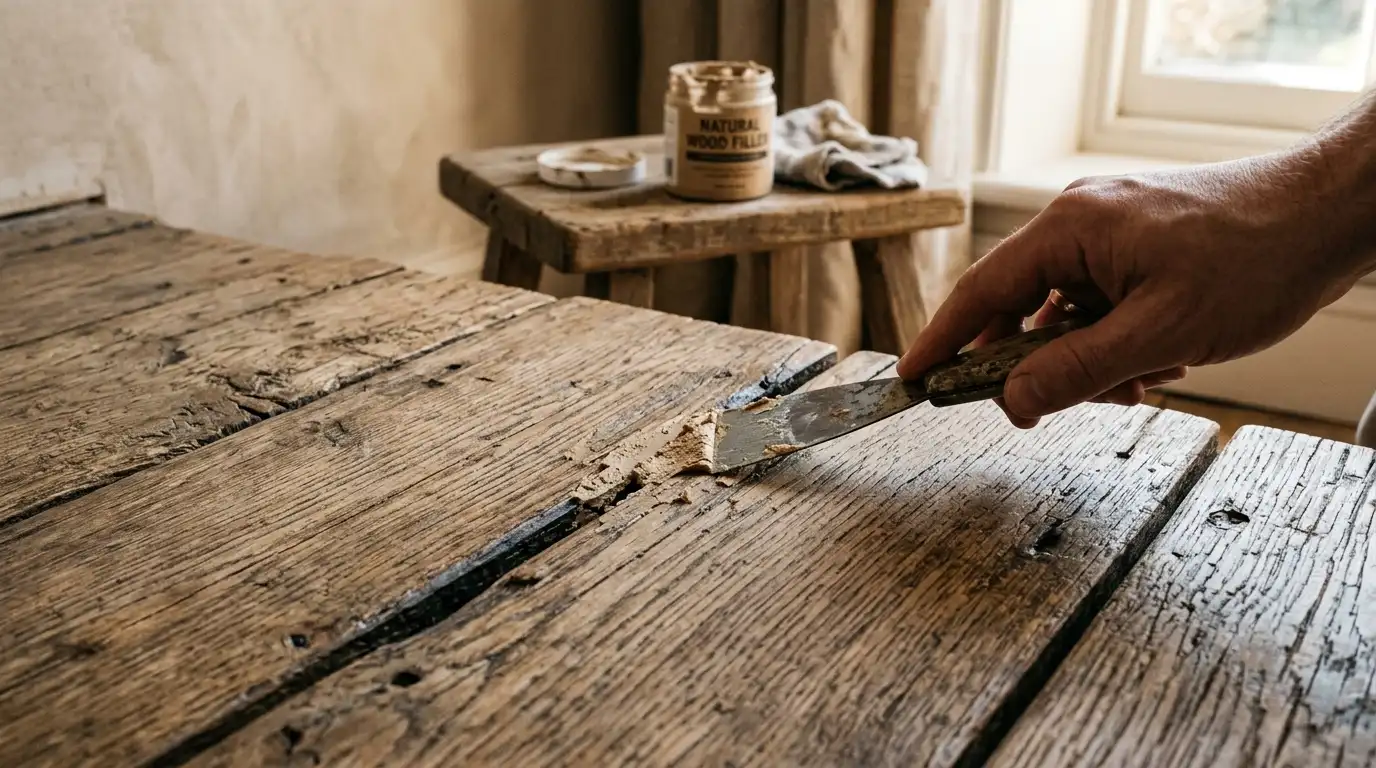
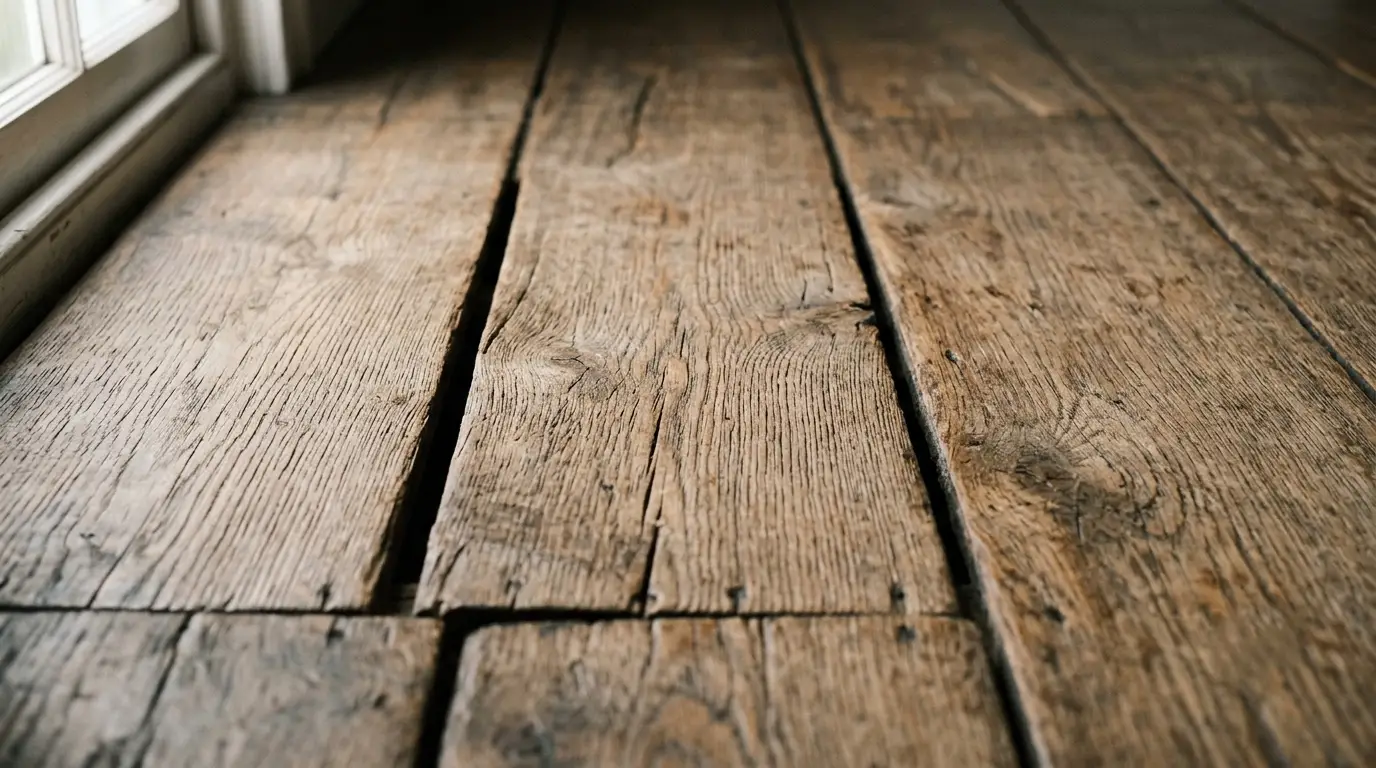
Gaps between floorboards form naturally over decades as wood contracts and expands with the seasons, and filling cracks in hardwood floors is one of the most defining steps in any restoration. Thin gaps are typically filled with a flexible wood filler or a fine sawdust-and-resin paste that flexes with seasonal movement, while wider gaps often call for thin wood slivers glued in alongside filler for a seamless look. Skipping this step leaves a floor drafty, dusty, and visually uneven.
Choosing the Right Gap Filler for Wood Floors
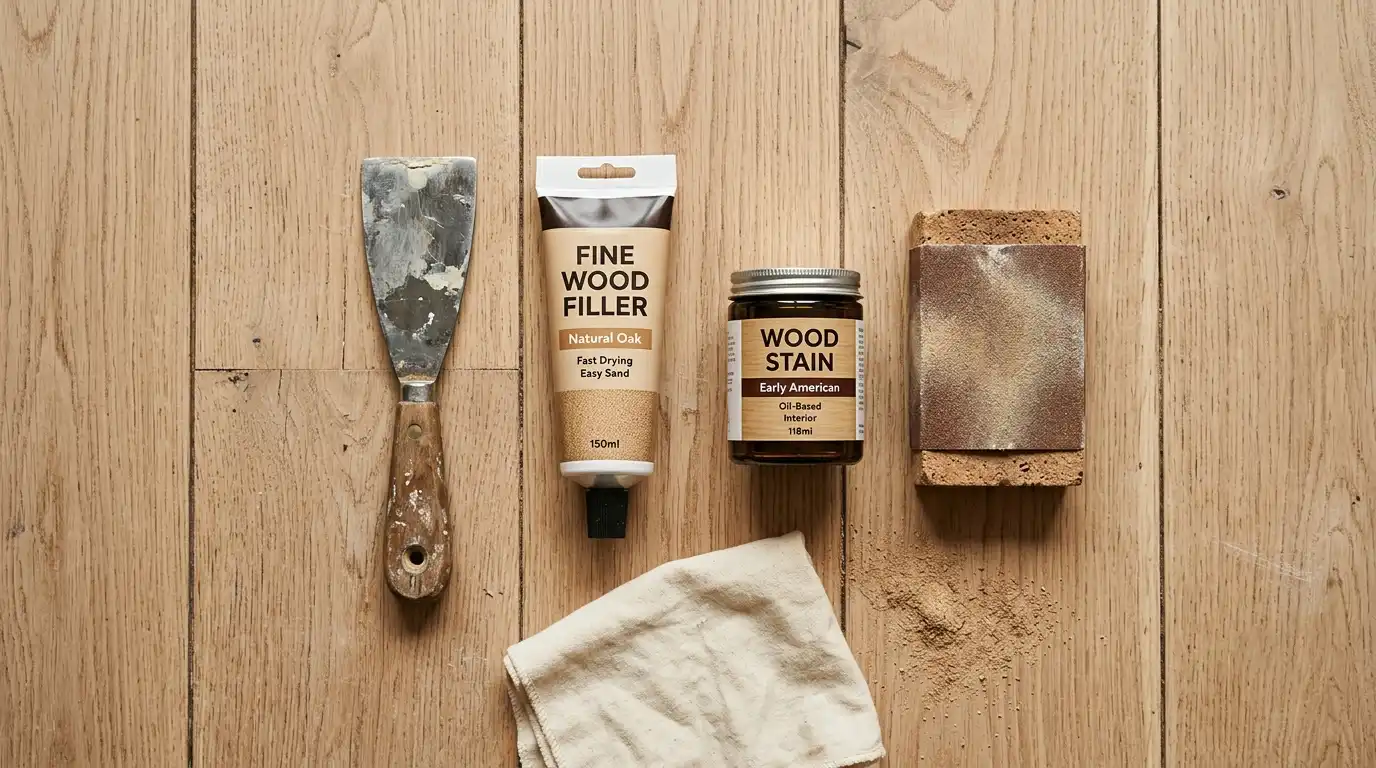
Not every gap filler suits every floor. A rigid epoxy-based filler works well for small, stable gaps in a controlled climate, while a rope or jute cord pressed into wider, deeper gaps allows the floor to breathe and move without cracking the repair. Matching the filler’s flexibility and color to the existing wood is what makes the final result look intentional rather than patched.
Sanding Techniques for Restored Floorboards
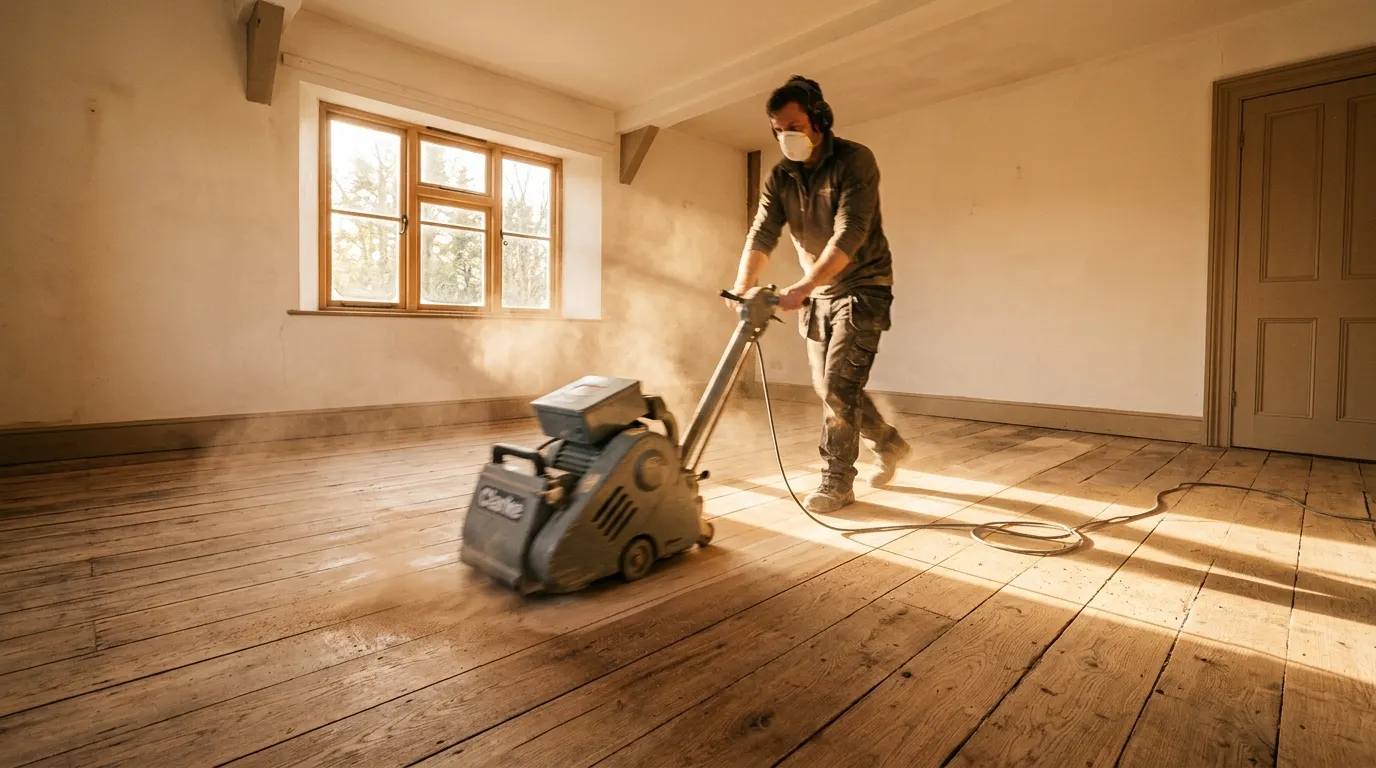
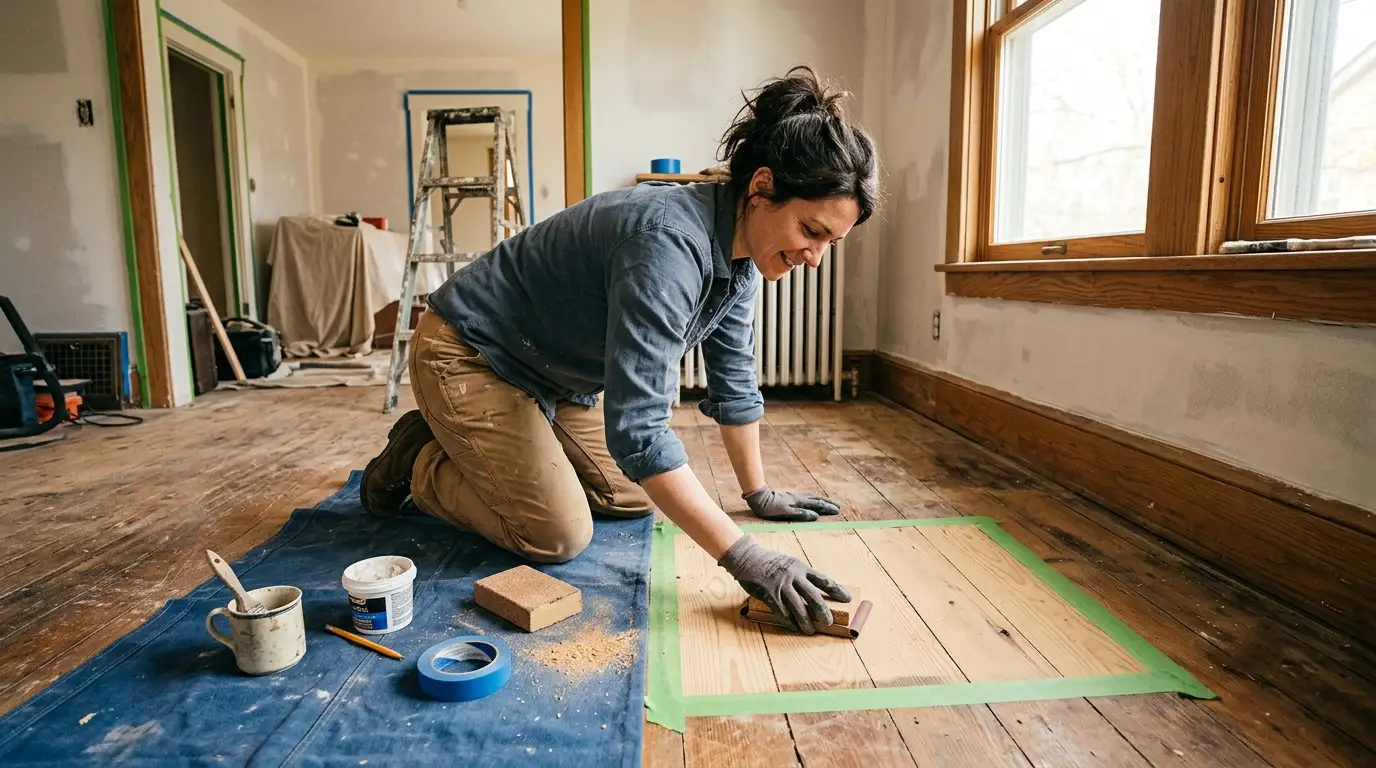
Sanding is where restored floorboards truly begin to reveal themselves. A staged approach — coarse grit to remove old finish and surface damage, followed by progressively finer grits to smooth the wood — produces an even, scratch-free base ready for staining. Sanding with the grain, never across it, prevents visible scratch marks once the finish is applied.
Staining and Finishing Choices for Old Wood Floors
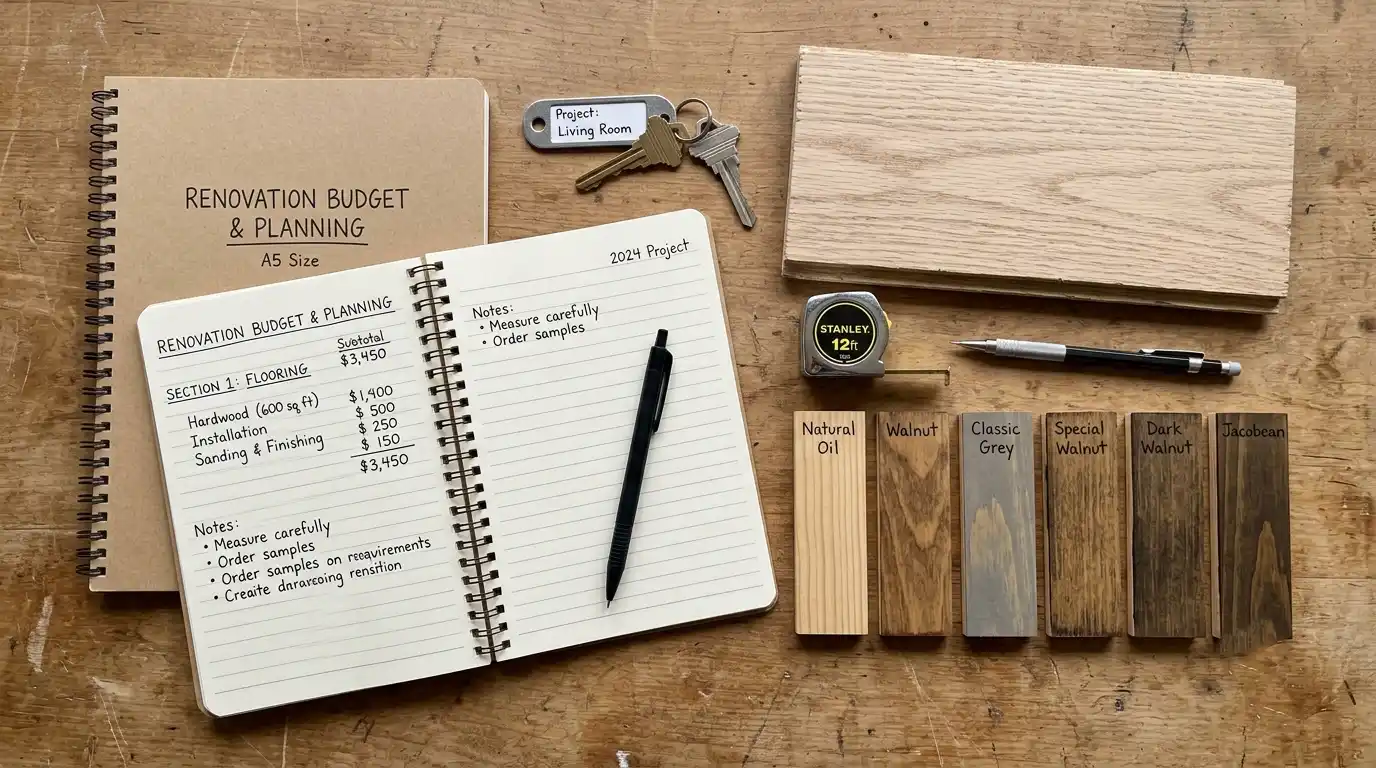
The finish chosen for restored floorboards shapes the entire mood of a room. A natural hardwax oil enhances the wood’s existing grain and ages gracefully with light touch-ups over time, while a polyurethane topcoat creates a more uniform, glossy, low-maintenance surface. Lighter whitewashed stains suit coastal or Scandinavian interiors, while deeper walnut or chestnut tones complement traditional and farmhouse spaces.
Restored Floorboards Before and After Transformations
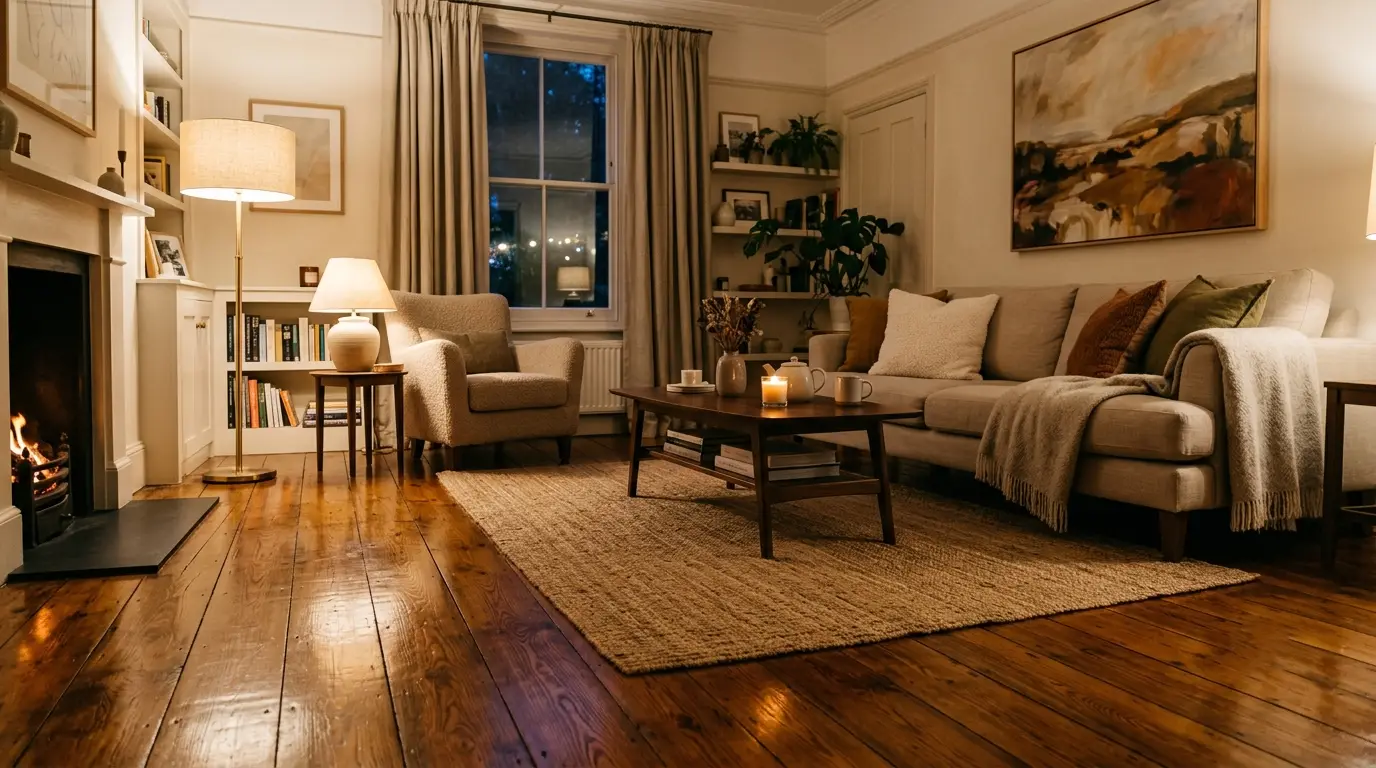
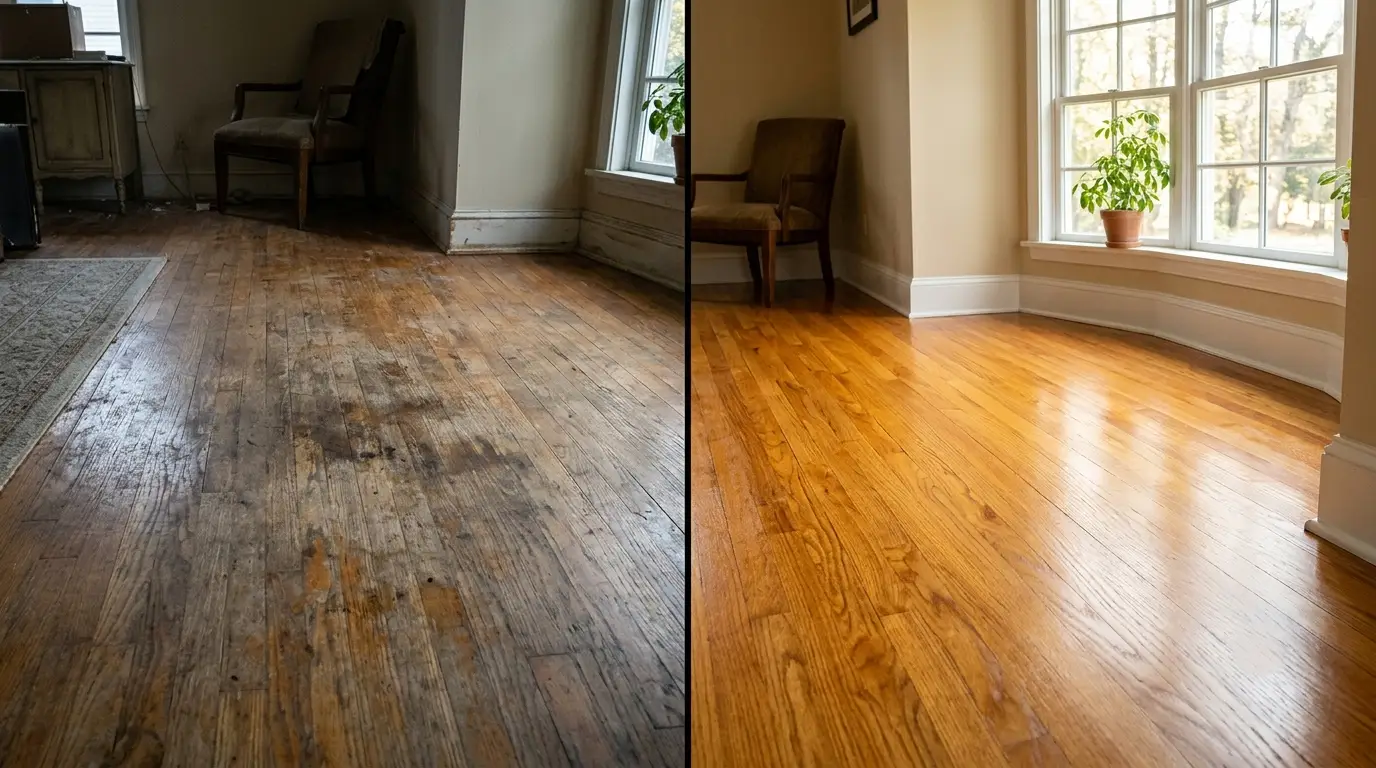
Few renovation results are as visually satisfying as a true restored floorboards before and after comparison. A floor that once looked dull, scratched, and carpet-stained can emerge with rich, even color and a smooth, tactile surface that anchors the whole room. These transformations are often the strongest proof that restoration, not replacement, was the right call.
DIY Floorboard Restoration vs. Hiring a Professional
A small bedroom or hallway with mild wear is often manageable as a diy floorboard restoration project for someone comfortable with a rented sander and a weekend of patient work. Larger homes, structurally compromised boards, or floors with old lead-based paint generally call for a professional, who brings commercial-grade sanding equipment and dust-containment systems that protect both the wood and the household.
Understanding Restored Floorboards Cost
Restored floorboards cost varies widely depending on the size of the space, the extent of damage, and whether sanding is done by hand or machine. A straightforward sand-and-refinish job on solid, structurally sound boards is generally far more affordable than full replacement, since the existing wood itself is reused rather than purchased new. Costs rise when boards need significant gap-filling, plank replacement, or specialty staining.
Is It Worth Restoring Original Floorboards?
Whether it’s worth restoring original floorboards usually comes down to the quality of the wood underneath. Older homes were frequently built with dense, old-growth timber that’s far sturdier than much of today’s flooring, which means restoration often delivers a better, longer-lasting floor than new installation at a fraction of the material cost. The added character — visible grain, slight imperfections, decades of history — is also something most homeowners come to value once they see the finished result.
When Floorboards Are Beyond Repair: Reclaimed Wide-Plank Alternatives
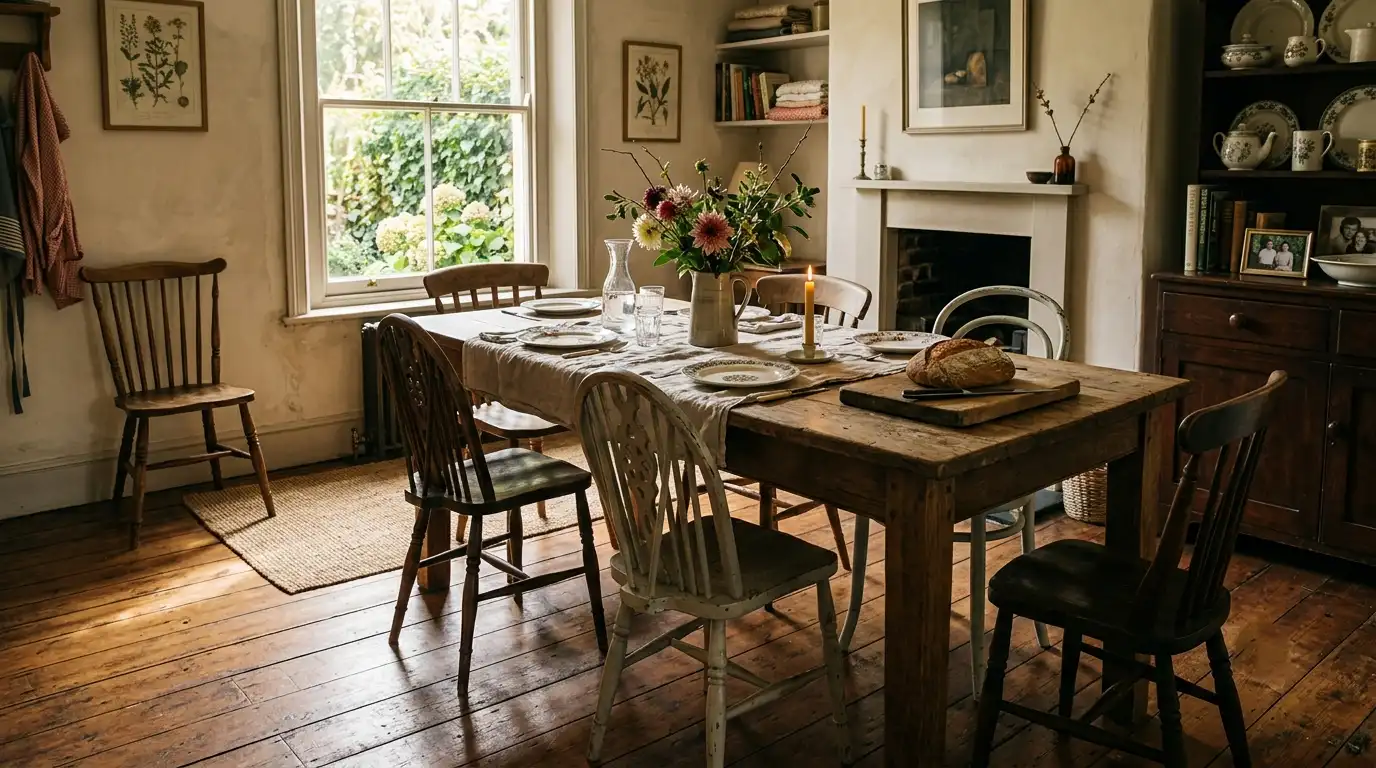
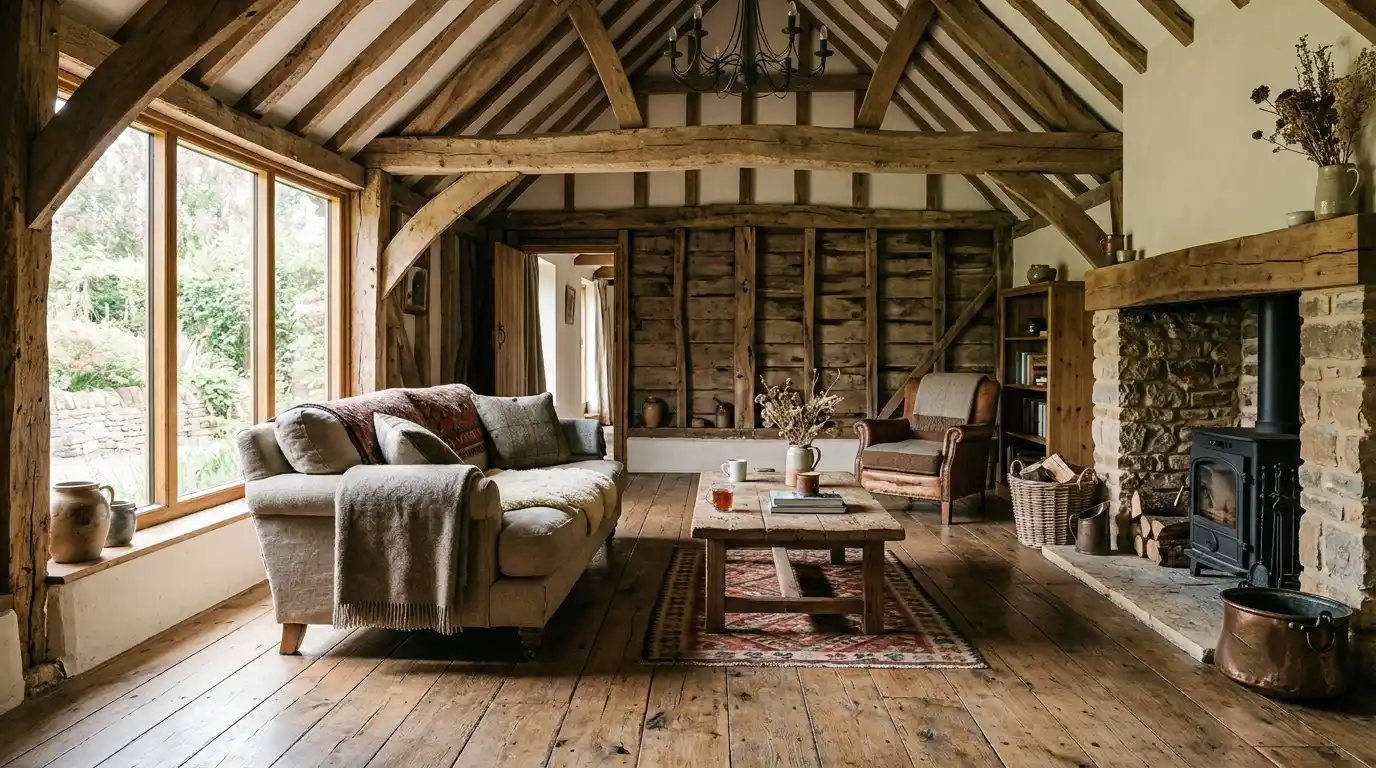
Occasionally, sections of an old floor are damaged beyond saving — rotted joists, fire damage, or boards too thin from repeated past sanding. In these cases, reclaimed wide plank flooring sourced from old barns or mills offers a way to keep the same aged character without compromising structural safety. Blending reclaimed wide-plank boards into a restored floor, when matched carefully for tone and width, can preserve visual continuity across the room.
Caring for Restored Floorboards Long-Term
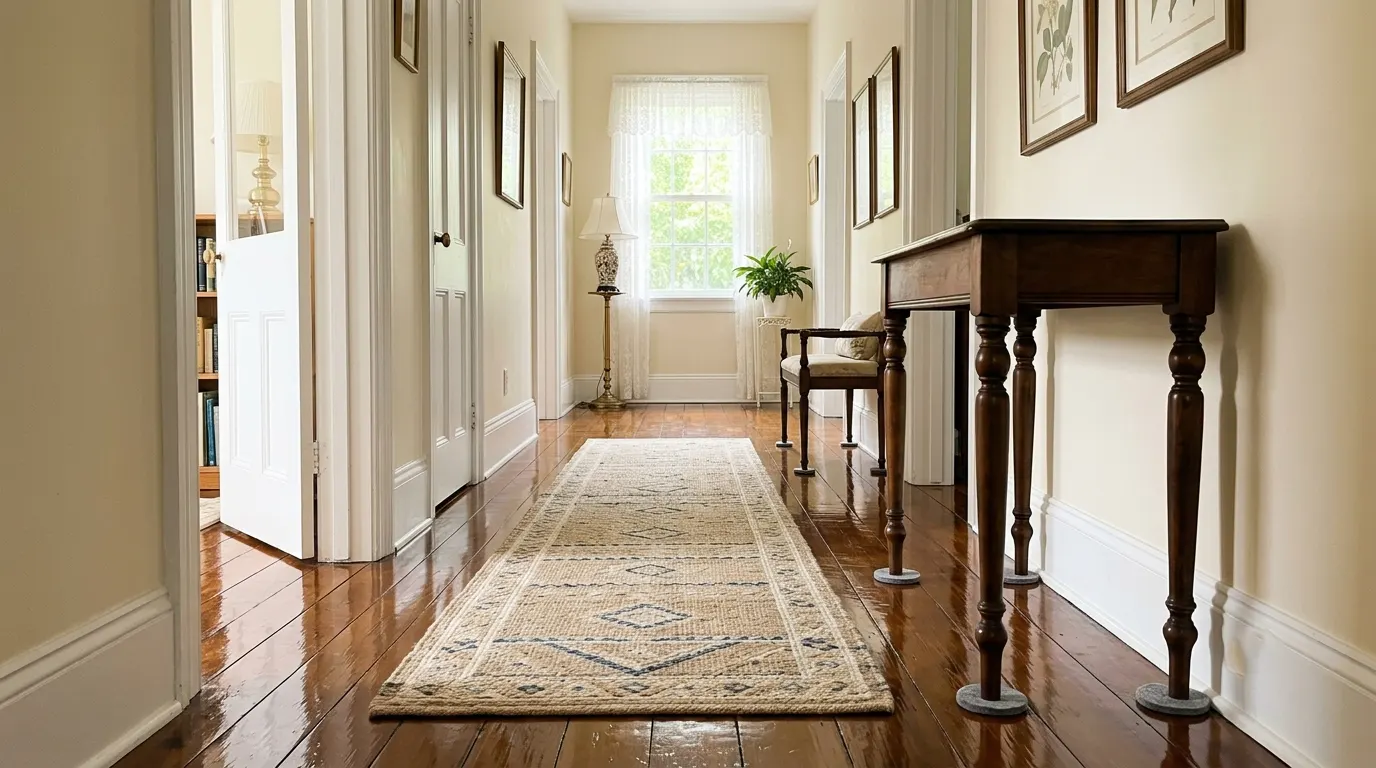
Once floorboards are restored, simple habits keep them looking their best for decades. Felt pads under furniture legs, regular dry sweeping, and prompt cleanup of spills prevent the kind of moisture damage and scratching that originally wore the floor down. Reapplying a maintenance coat of oil or finish every few years keeps the surface protected without requiring another full sanding.
Restored Floorboards for Sale and Salvage Sources
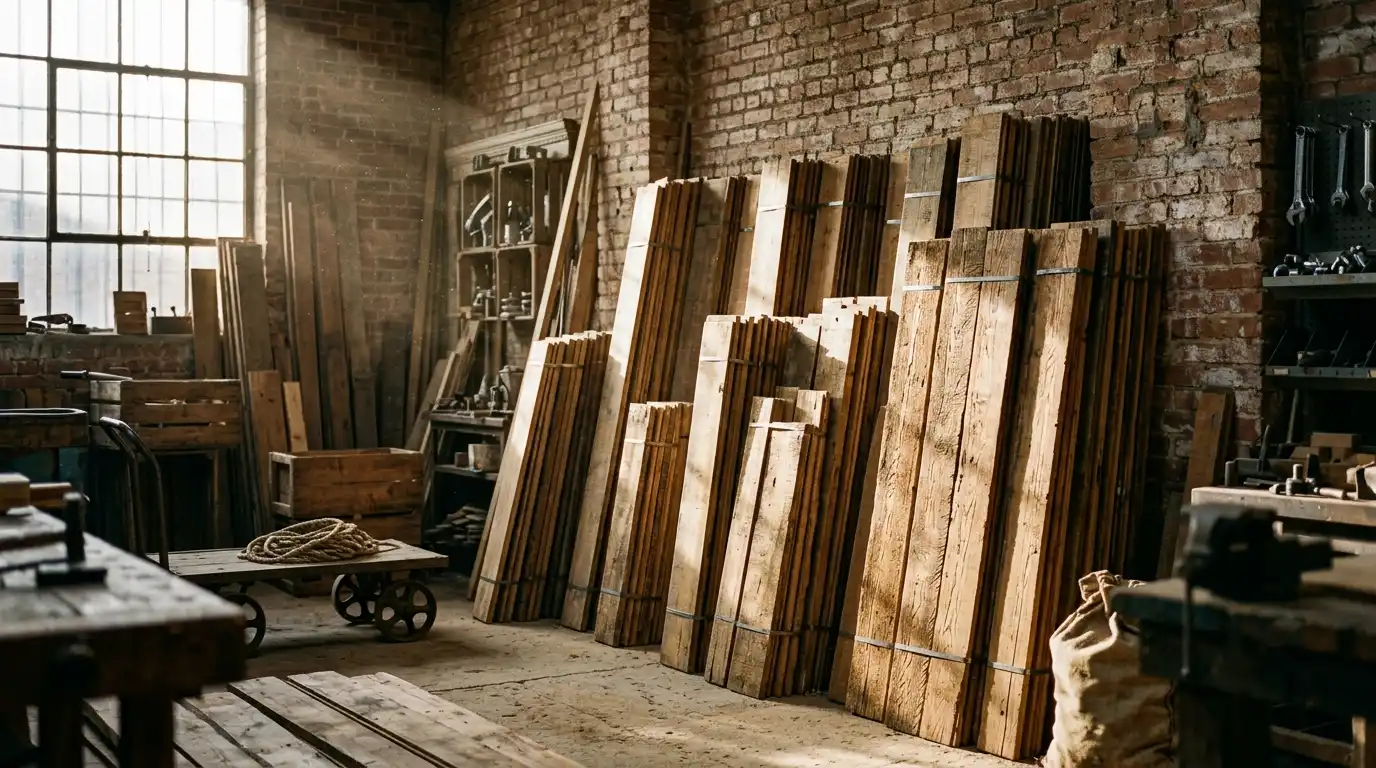
Homeowners who can’t restore the boards already in their home sometimes look for restored floorboards for sale through architectural salvage yards, demolition reclaim companies, or specialty flooring suppliers. These boards typically come pre-sanded and finished, already carrying the aged texture and patina that takes original wood decades to develop. Buying salvaged boards is a practical route for matching existing restored flooring elsewhere in a home, or for new builds aiming for an authentic period look.
Pairing Restored Floorboards with Interior Design Styles
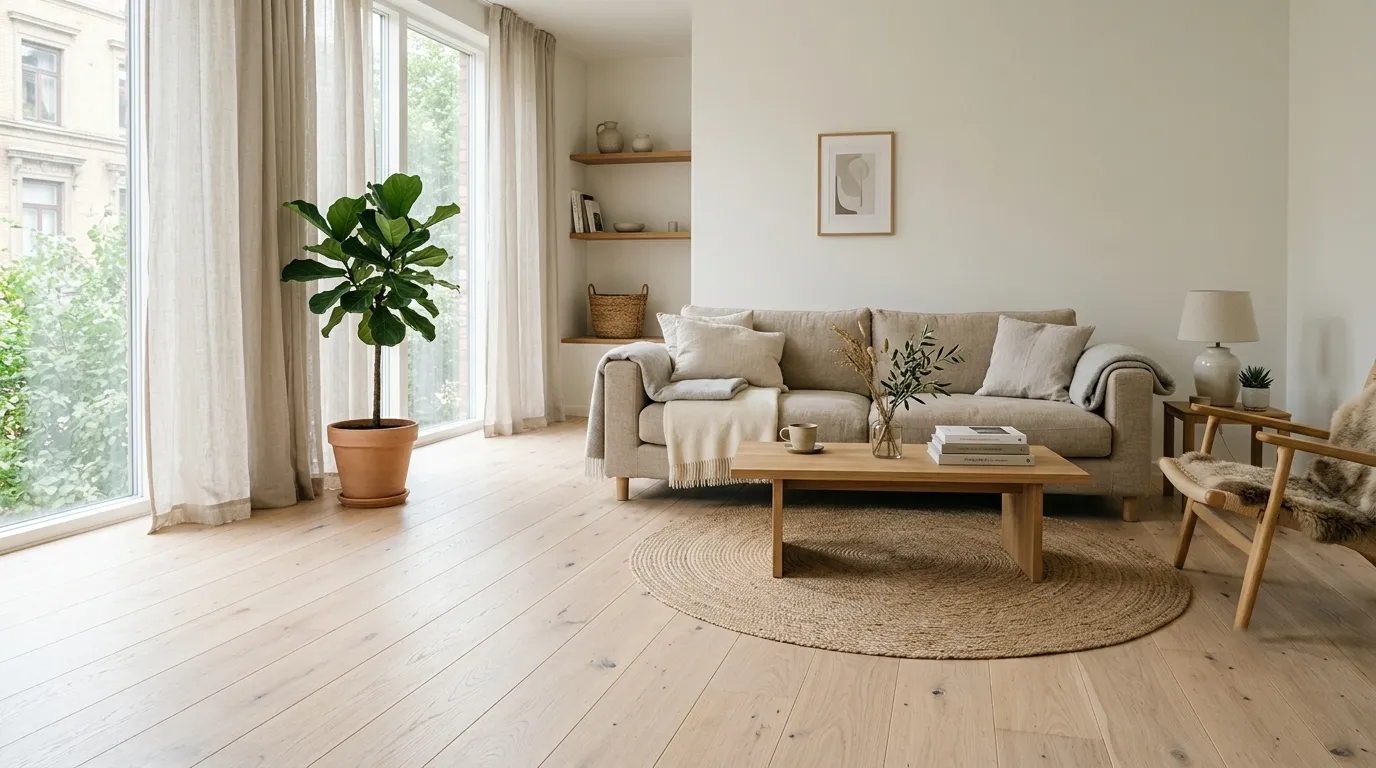
Restored floorboards are versatile enough to anchor almost any design direction. A lighter, raw-finish floor pairs beautifully with Scandinavian or coastal interiors built around soft neutrals and natural light, while a deeper, richly stained floor suits traditional, farmhouse, or industrial-loft spaces with warmer, heavier furnishings. The key is letting the floor’s natural grain and tone guide the rest of the palette rather than fighting against it.
Restoring Floorboards in Period and Heritage Homes
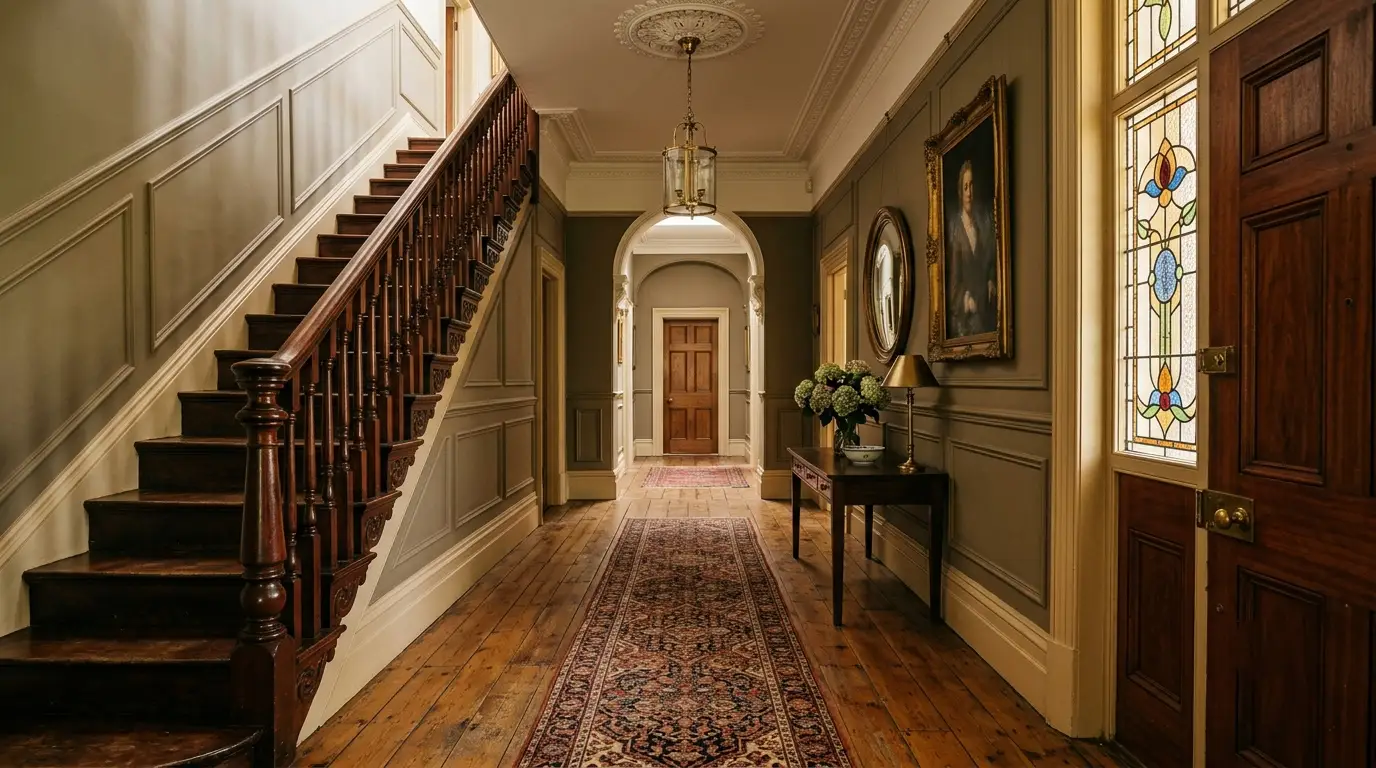
In heritage and period properties, restored floorboards play a key role in preserving architectural authenticity. These older boards are often wider, denser, and irregular compared to modern flooring, and restoring rather than replacing them keeps the home’s original proportions and character intact. Heritage-conscious restorers tend to favor finishes that highlight rather than mask the wood’s age, such as hardwax oils over heavy gloss lacquers.
Old Wooden Floor Gaps: Causes and Prevention
Old wooden floor gaps form mainly because wood naturally shrinks and swells with seasonal humidity changes, and as boards age, this movement becomes more pronounced. Maintaining stable indoor humidity with a humidifier in dry winter months reduces how dramatically boards contract, which in turn keeps newly filled gaps from reopening as quickly. Understanding this seasonal cycle is what separates a gap-filling job that lasts from one that needs redoing every year.
Bringing It All Together
Restored floorboards are, at their core, a story about patience rewarded. What starts as a dull, carpet-stained, gap-ridden surface can become the most distinctive feature in a home, simply by giving old wood the careful attention it was never given before. The boards underfoot in many older houses are denser and better made than most of what’s sold new today, which is exactly why stripping away decades of wear so often uncovers something worth keeping rather than replacing.
The right path through a restoration isn’t about rushing to the sander. It’s about reading the floor first — checking for rot, understanding why the gaps formed, deciding which filler and finish will respect the wood’s age rather than mask it. Homeowners who take this sequence seriously tend to end up with floors that look intentional and age gracefully, while those who skip straight to refinishing often find themselves redoing work within a year or two. That difference in approach, more than the tools used, is what separates a floor that lasts from one that doesn’t.
This kind of restoration tends to benefit two kinds of people most: those in older or period homes who want to preserve original character without losing structural integrity, and budget-conscious renovators who realize that the wood already in the house is often better than anything they could buy to replace it. For both, the payoff isn’t just financial. A restored floor carries warmth and depth that ties a room together in a way few other design decisions can.
Moving forward with confidence simply means taking it one stage at a time: assess honestly, fill thoughtfully, sand patiently, and finish in a way that suits how the home actually lives. Done this way, restored floorboards stop being a renovation task and become a long-term feature of the house — one that only gets better with time.
Learn more : Best Flooring for Kitchens UK: Waterproof, Durable & Stylish
Frequently Asked Questions
- How do I know if my old floorboards are worth restoring instead of replacing? The clearest sign is structural soundness, not appearance. Surface scratches, dullness, and gaps are all fixable with sanding and filling, so a floor that looks rough but feels solid underfoot — no soft spots, no spongy give when you walk across it — is almost always a strong candidate for restoration rather than removal.
- Will removing carpet always reveal floorboards in good enough condition to restore? Not always, but it’s worth checking before assuming the worst. Carpet often protects wood from sunlight and foot traffic for decades, so boards underneath are frequently in better shape than exposed flooring elsewhere in the same house. The main risks are trapped moisture or staple damage, both of which a flooring professional can assess quickly.
- How long do gap fillers actually last in old wood floors? A well-matched, flexible filler applied correctly can last many years, but no filler is permanent in a floor that still moves seasonally. Expect to touch up a handful of spots every few years rather than redo the whole floor, especially in homes without consistent indoor humidity control.
- Is it realistic to restore floorboards myself, or should I hire someone? Small rooms with mild wear are genuinely manageable as a weekend DIY project using a rented sander and basic filling materials. Larger spaces, structurally uncertain boards, or any floor that might contain old lead-based paint are situations where professional equipment and dust containment make hiring out the safer, more efficient choice.
- Does restoring floorboards cost less than installing new hardwood? In most cases, yes, because the most expensive part of any flooring project — the wood itself — is already there. Costs mainly come from labor, sanding equipment, and finishing materials, which is typically a fraction of what purchasing and installing new solid hardwood would run.
- What’s the biggest mistake people make when restoring old floorboards? Rushing the finish before properly addressing gaps and surface damage underneath. A beautiful stain applied over poorly filled gaps or uneven sanding will only highlight those flaws once it dries, so the prep stages deserve more time and attention than the finishing coat itself.
- Can restored floorboards work in a modern-style home, or do they only suit traditional interiors? They work in both, and often better in modern spaces than people expect. A lighter, cleaner finish on restored boards softens a minimalist or contemporary room with warmth and texture, while a deeper stain leans more traditional — the wood itself is flexible enough to suit either direction depending on the finish chosen.




One Response