
Introduction
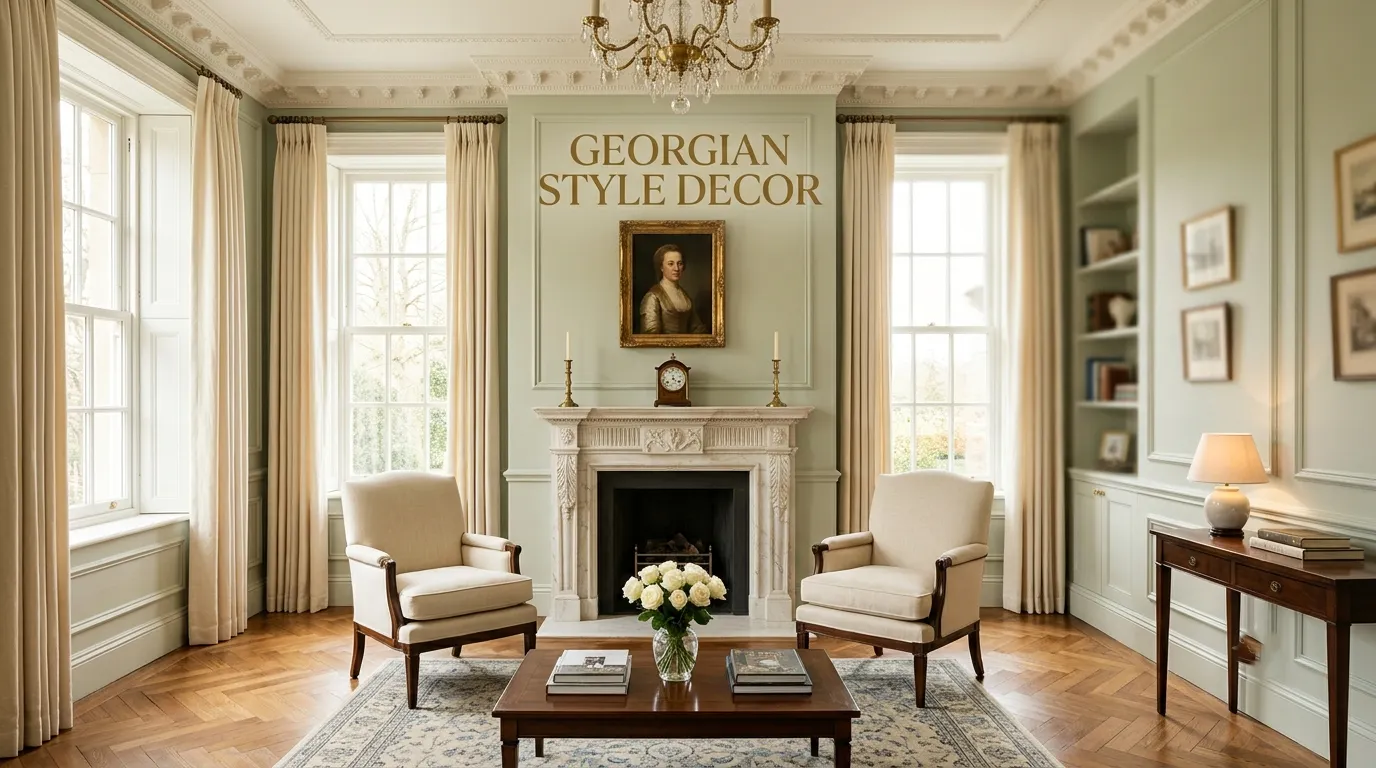
Georgian style decor is one of the most enduring design languages in residential architecture and interiors, built on proportion, symmetry, and quiet formality. It traces back to 18th-century Britain and colonial America, yet it remains one of the most requested looks among homeowners and designers today because it simply works — in old townhouses, new-build colonials, and everything in between. If you’ve ever walked into a home with tall sash windows, a fireplace centered perfectly on a wall, and crown molding that frames the room like a picture, you’ve experienced Georgian style decor in action.
After years of studying period homes and working through renovations that respect historic bones while serving modern life, I’ve found that Georgian decor rewards restraint. It isn’t about filling a room with ornament; it’s about getting the underlying structure — proportion, balance, and material quality — right first. Once that foundation is in place, the decorating choices almost make themselves.
This guide breaks the style down into its essential components, room by room and detail by detail, so you can apply it whether you’re restoring an original Georgian property or simply want to borrow its sense of order for a contemporary home.
What Defines Georgian Style Decor
At its core, Georgian style decor is about symmetry, proportion, and classical restraint. Rooms are typically organized around a central axis — a fireplace, a window, or a doorway — with furniture and architectural details mirrored on either side. This balance is what gives Georgian interiors their sense of calm authority, even in smaller rooms.
Georgian Interior Design History
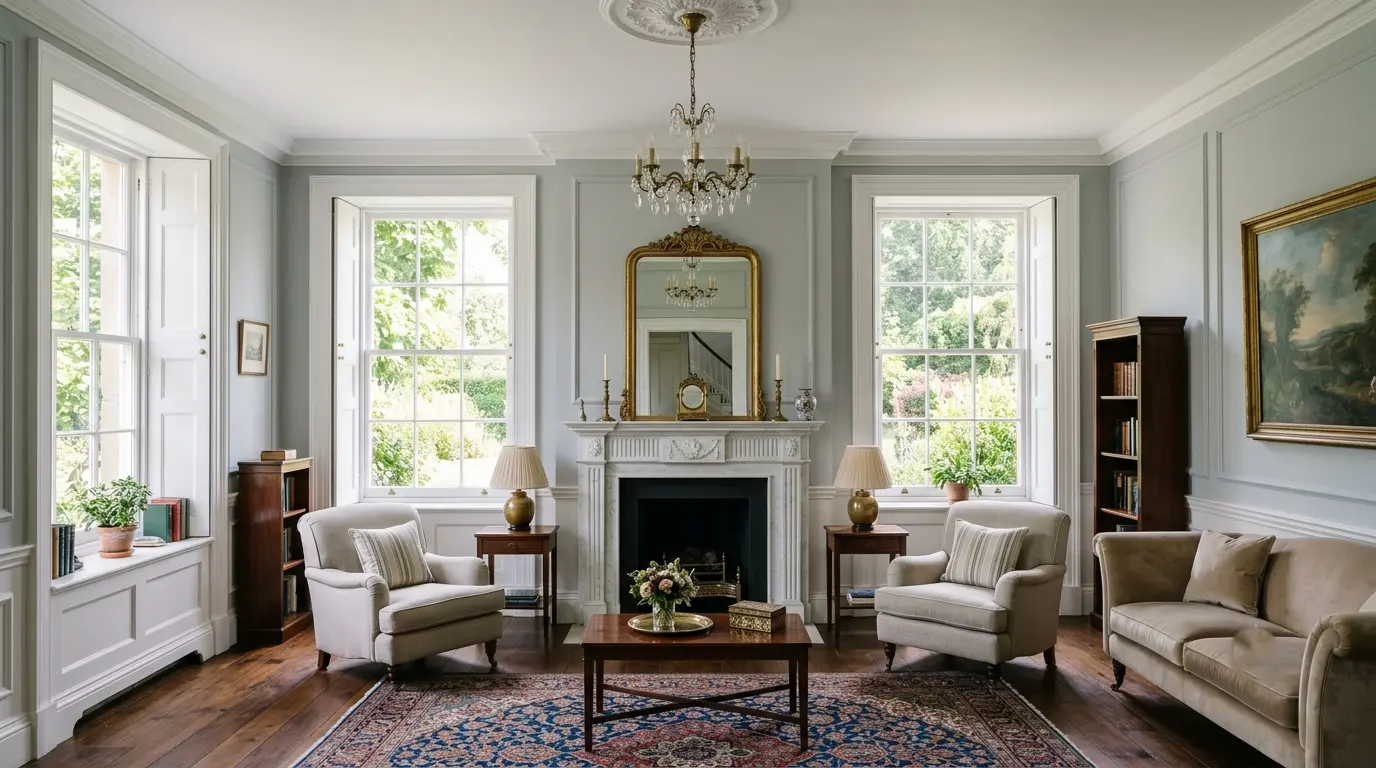
Understanding where Georgian interior design comes from helps explain why it still feels so composed today. The style emerged during the reigns of the British Georgian kings (1714–1830), drawing heavily on classical Greek and Roman architecture filtered through Renaissance ideals of proportion. Wealthy homeowners of the era used pattern books by architects like Robert Adam to standardize moldings, door cases, and room proportions, which is why so many Georgian details still look mathematically precise.
Georgian Interior Design Characteristics
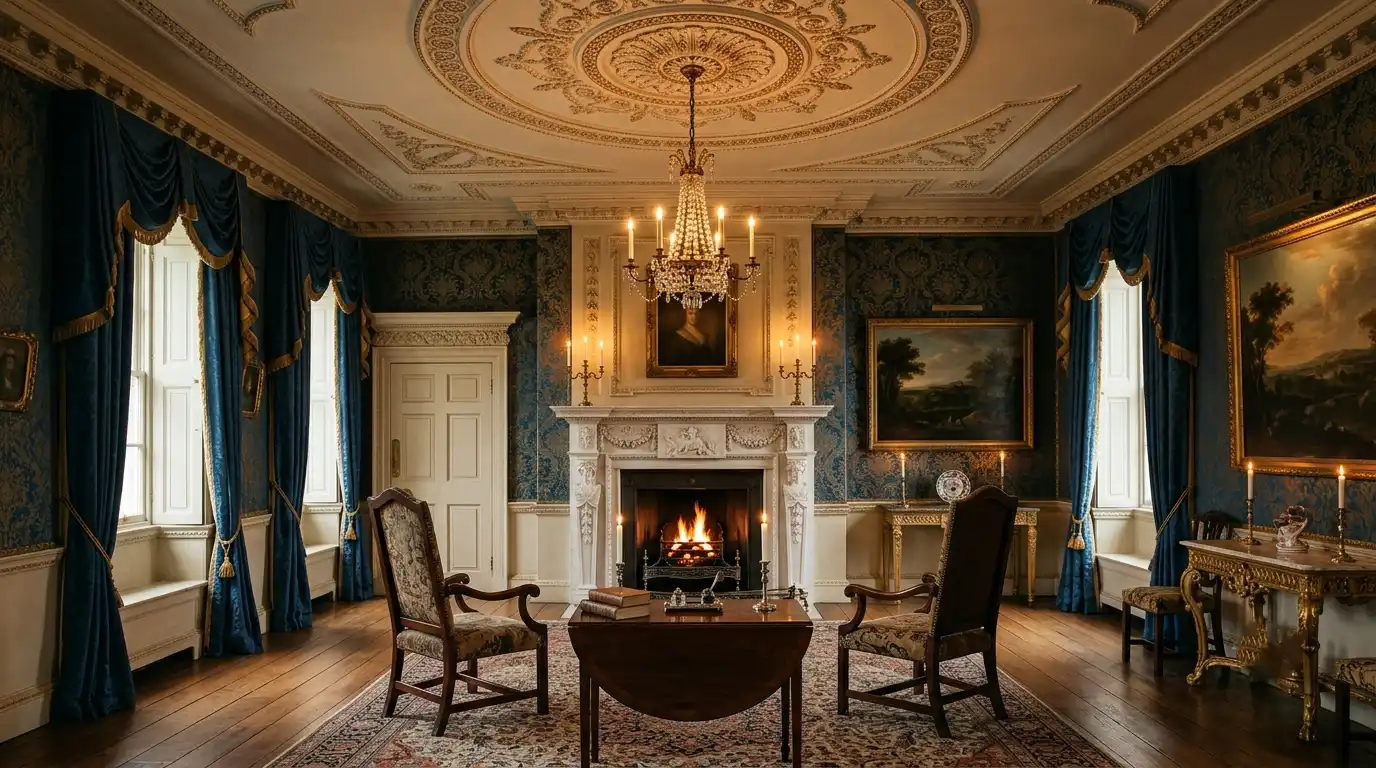
Several recurring characteristics tie every Georgian interior together: symmetrical room layouts, paneled walls or wainscoting, classical columns or pilasters, deep crown moldings, and a clear hierarchy between formal and informal spaces. Color palettes lean toward muted, sophisticated tones rather than bright contrast, which keeps the architecture as the visual star.
Modern Georgian Interior Design
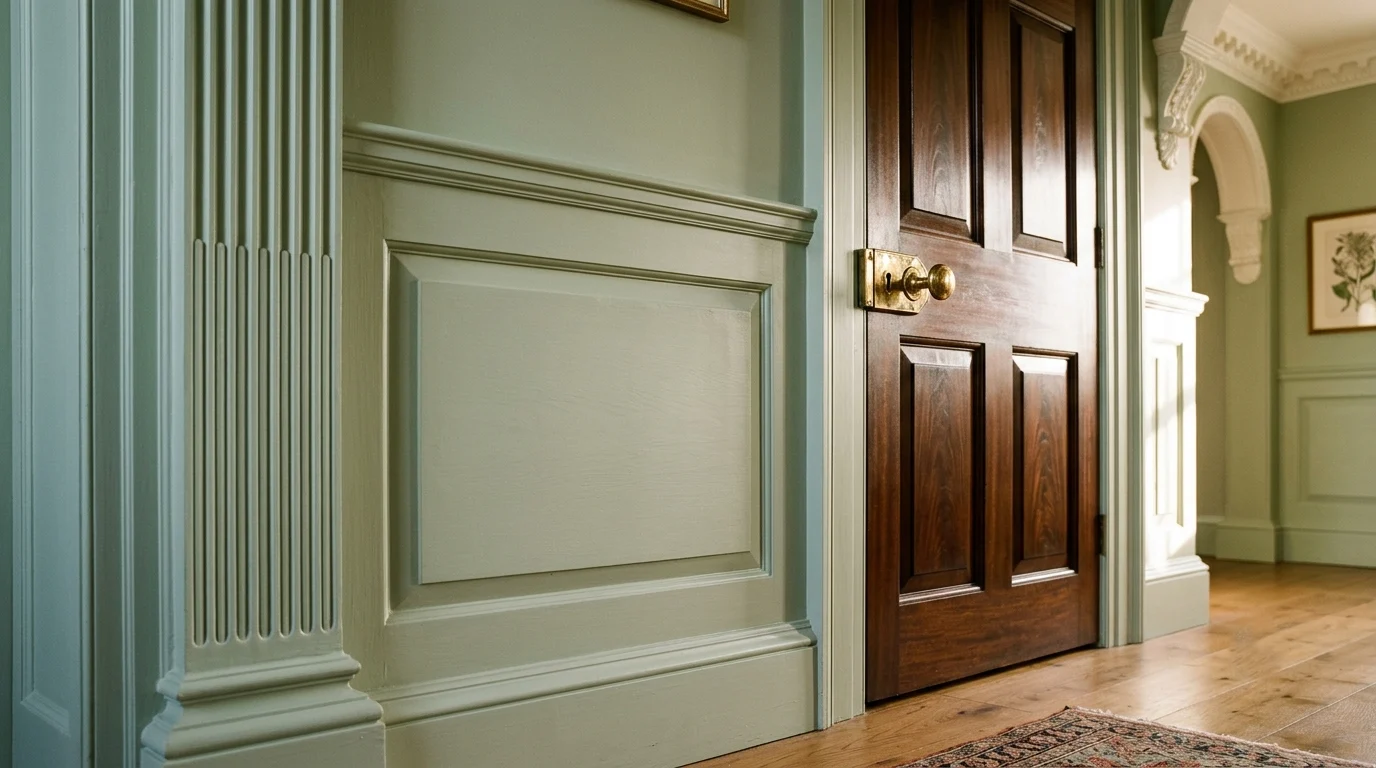
Modern Georgian interior design keeps the historic bones — symmetry, paneling, classical proportion — while lightening the palette and simplifying the ornament. Designers today often pair Georgian architectural shells with neutral linens, matte black or brass fixtures, and cleaner-lined furniture, so the space feels current without losing its formal backbone.
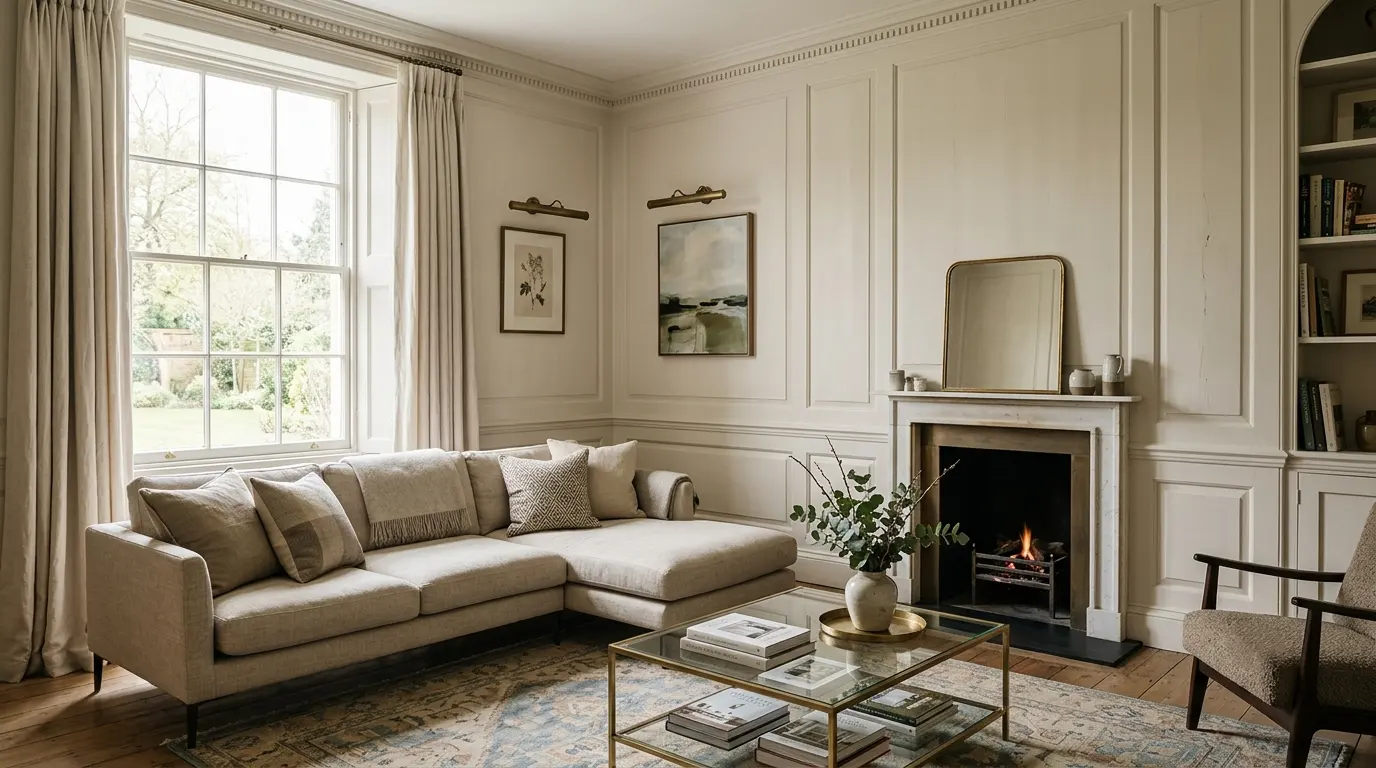
Modern Georgian Style Decor
Modern Georgian style decor takes the formality of the original period and edits it for everyday living. Heavy carved furniture gives way to simpler silhouettes, ornate trims are pared back to clean panel lines, and color schemes shift from saturated jewel tones to soft, livable neutrals — while symmetry and classical proportion remain non-negotiable.
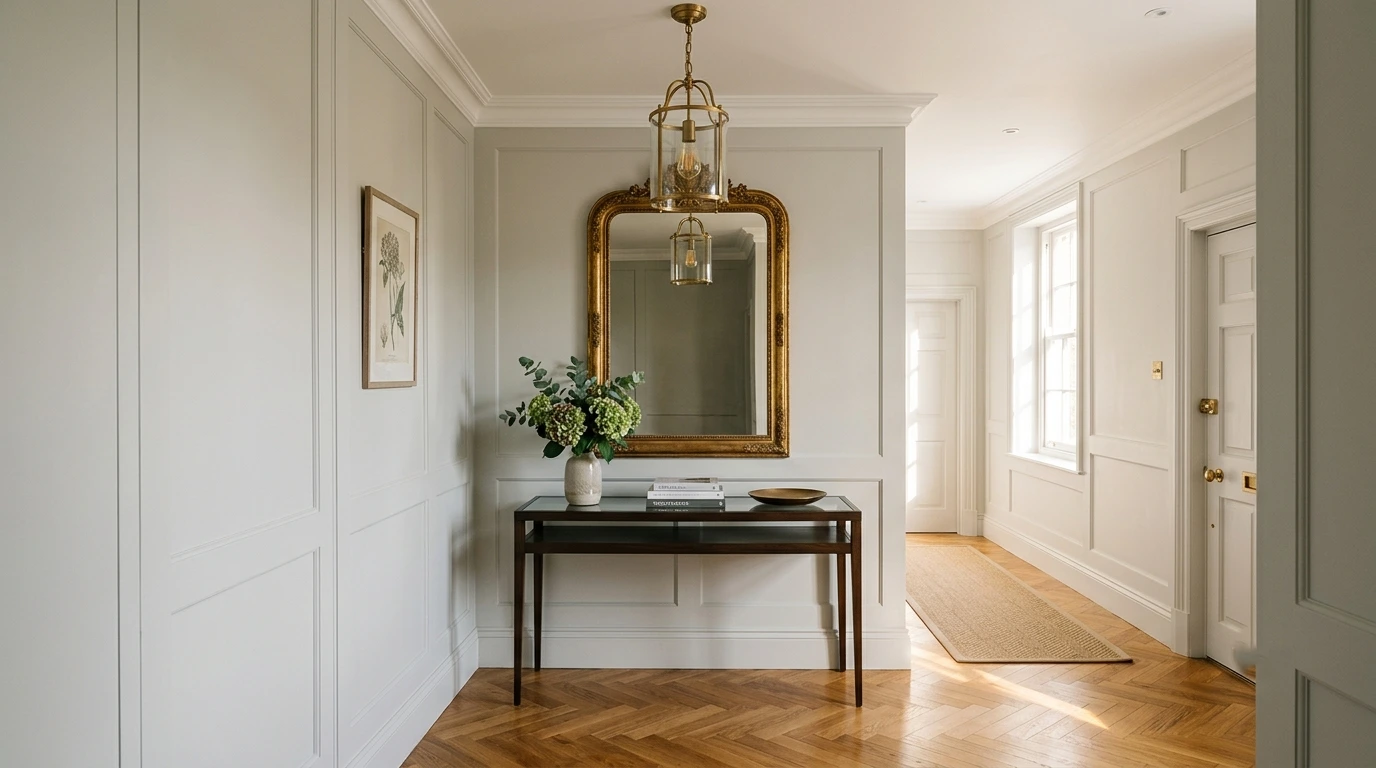
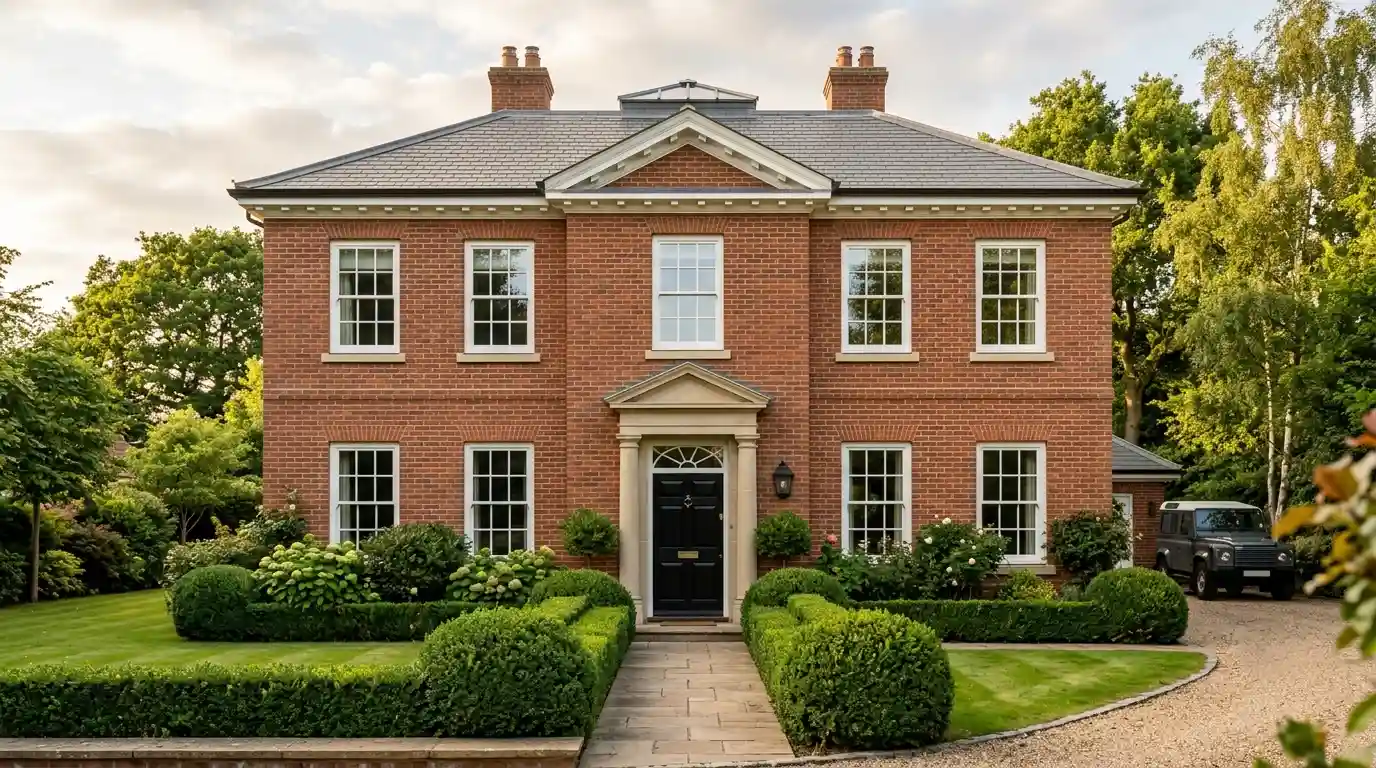
Modern Georgian Style House (Exterior Architecture)
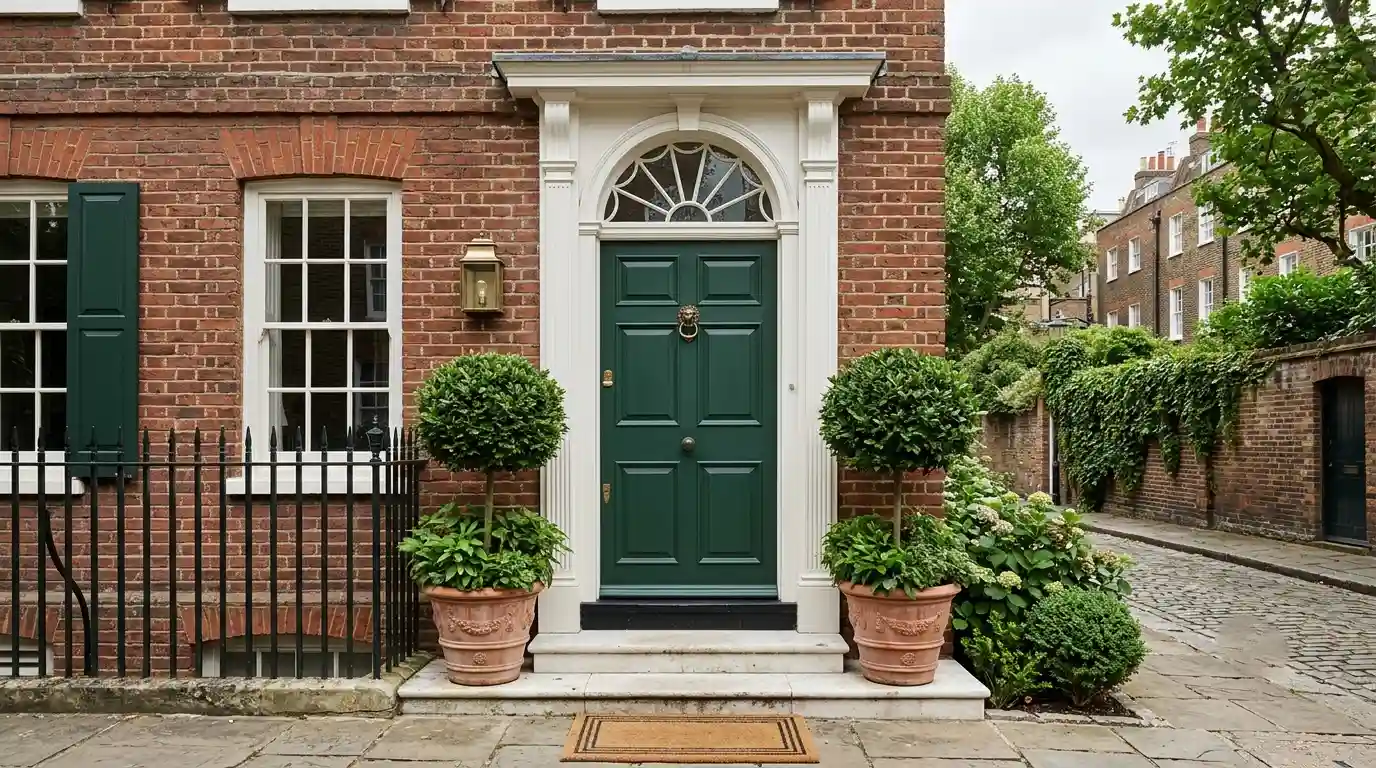
A modern Georgian style house typically keeps the hallmark exterior features — a symmetrical facade, a centered front door often topped with a fanlight or pediment, evenly spaced multi-pane windows, and a brick or painted masonry exterior — while simplifying landscaping and trim colors for a cleaner curb-appeal finish.
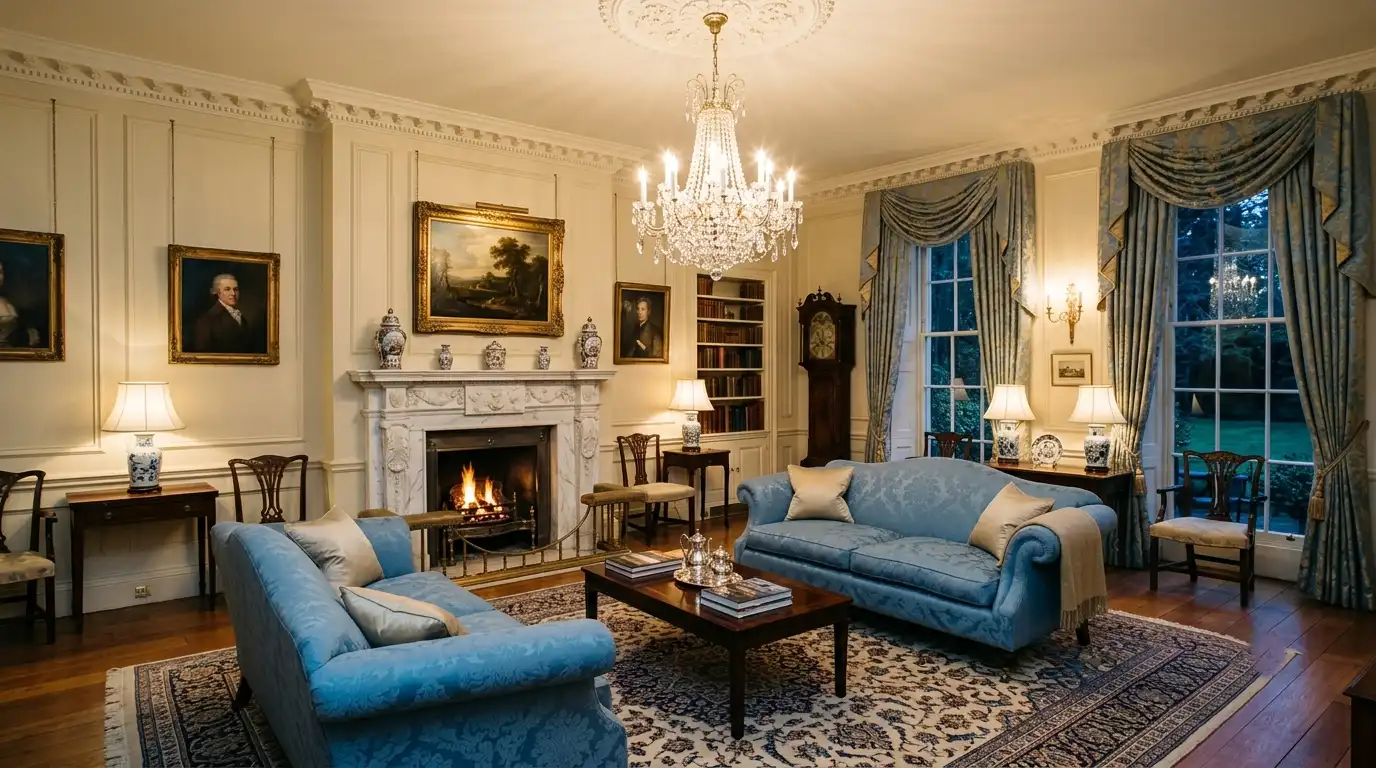
Georgian Style Decor in the Living Room
In the living room, Georgian style decor is built around a focal fireplace and balanced seating arrangements. Furniture is typically placed in matched pairs — two sofas facing each other, or armchairs mirrored across a rug — to reinforce the room’s underlying symmetry, while a single statement piece like a chandelier or large mirror anchors the space vertically.
Georgian Style Decor in the Bedroom
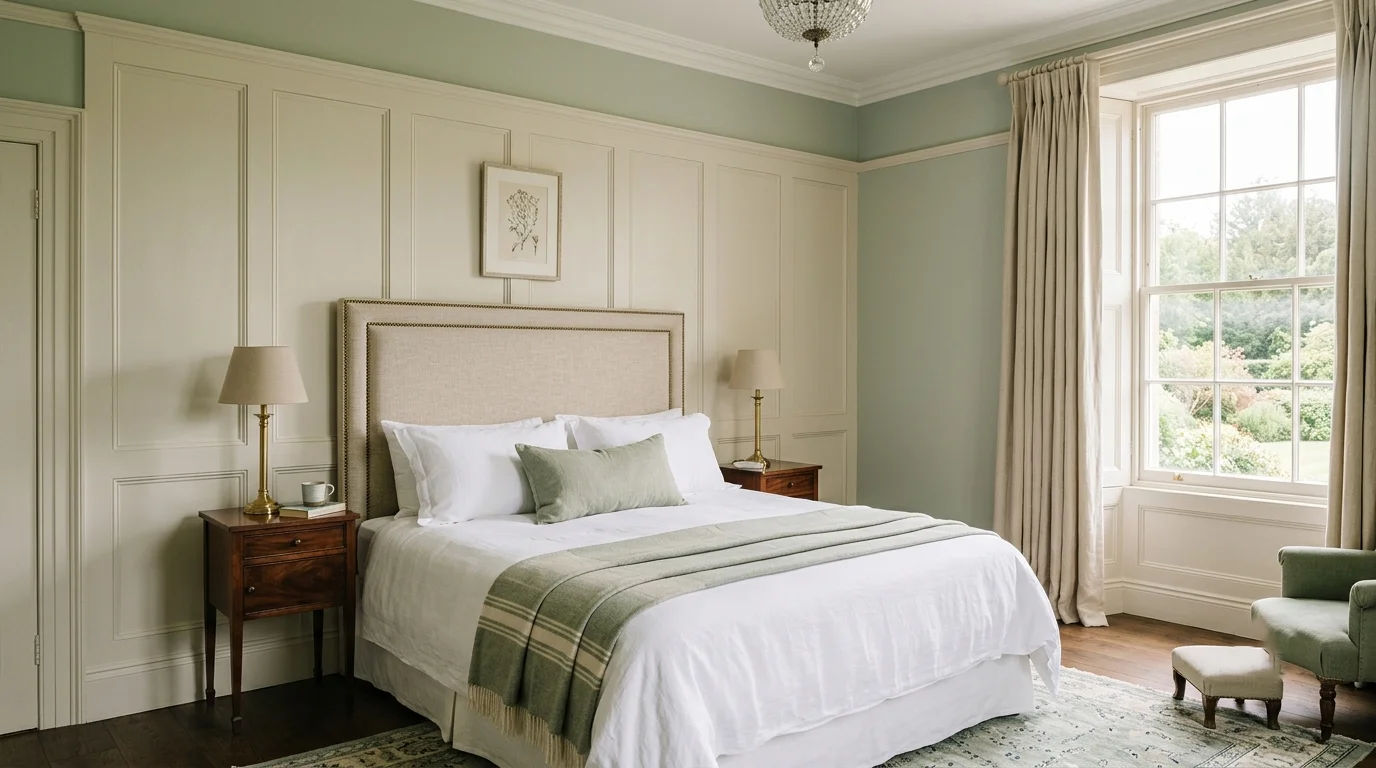
Georgian style decor in the bedroom favors a calm, restful palette and a strong central composition, usually built around the headboard wall. Four-poster or upholstered beds, paneled or paint-grade wainscoting, and symmetrical bedside furnishings are common, paired with soft drapery that echoes the room’s classical proportions.
Georgian Style Decor for Exteriors
Georgian style decor extends naturally to exteriors through symmetry, classical detailing, and restrained color. Evenly spaced windows, a centered entry, painted shutters, and simple, structured plantings all reinforce the same balance found inside the home, rather than competing with it.
Georgian Style Dining Room Decor
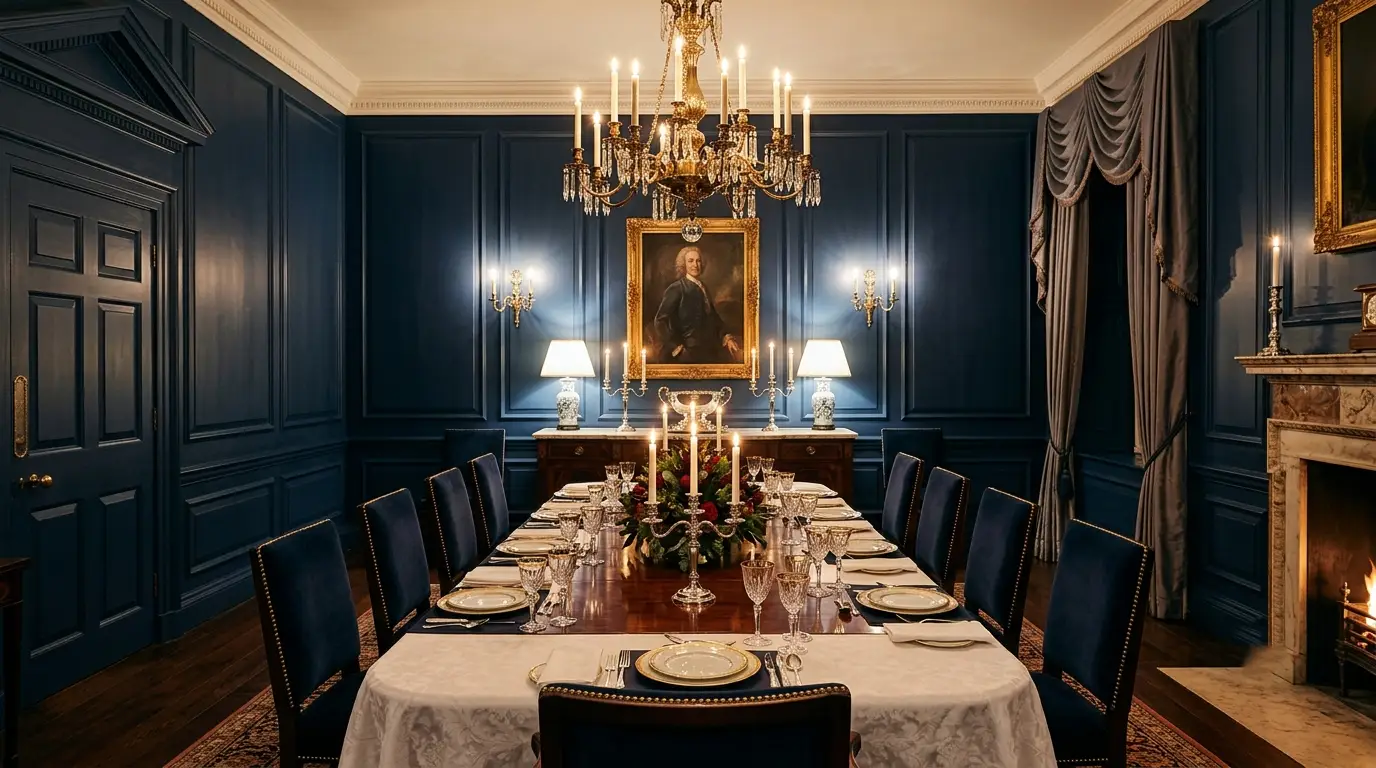
The dining room is one of the most formal spaces in Georgian decor, typically centered on a long table with matching chairs and a balanced lighting fixture overhead. Wall treatments often include paneling or a richer accent color, since dining rooms historically carried more visual weight than everyday living spaces.
Georgian Style Kitchen Decor
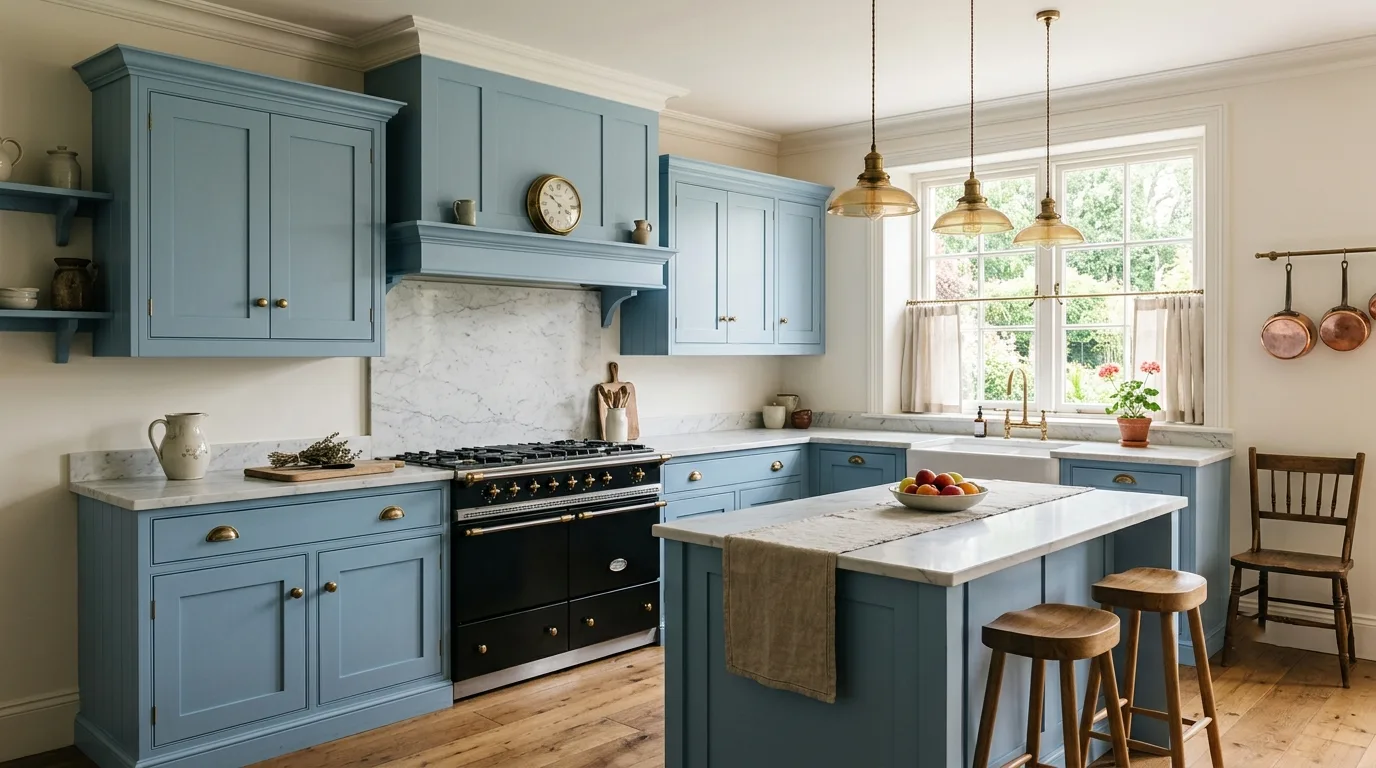
While the kitchen wasn’t historically a showcase room, modern Georgian style decor brings the same symmetry and classical detailing into kitchen cabinetry — raised-panel doors, painted finishes, brass hardware, and a centered focal point such as a range or window — so the space feels continuous with the rest of the home.
Georgian Style Color Palettes
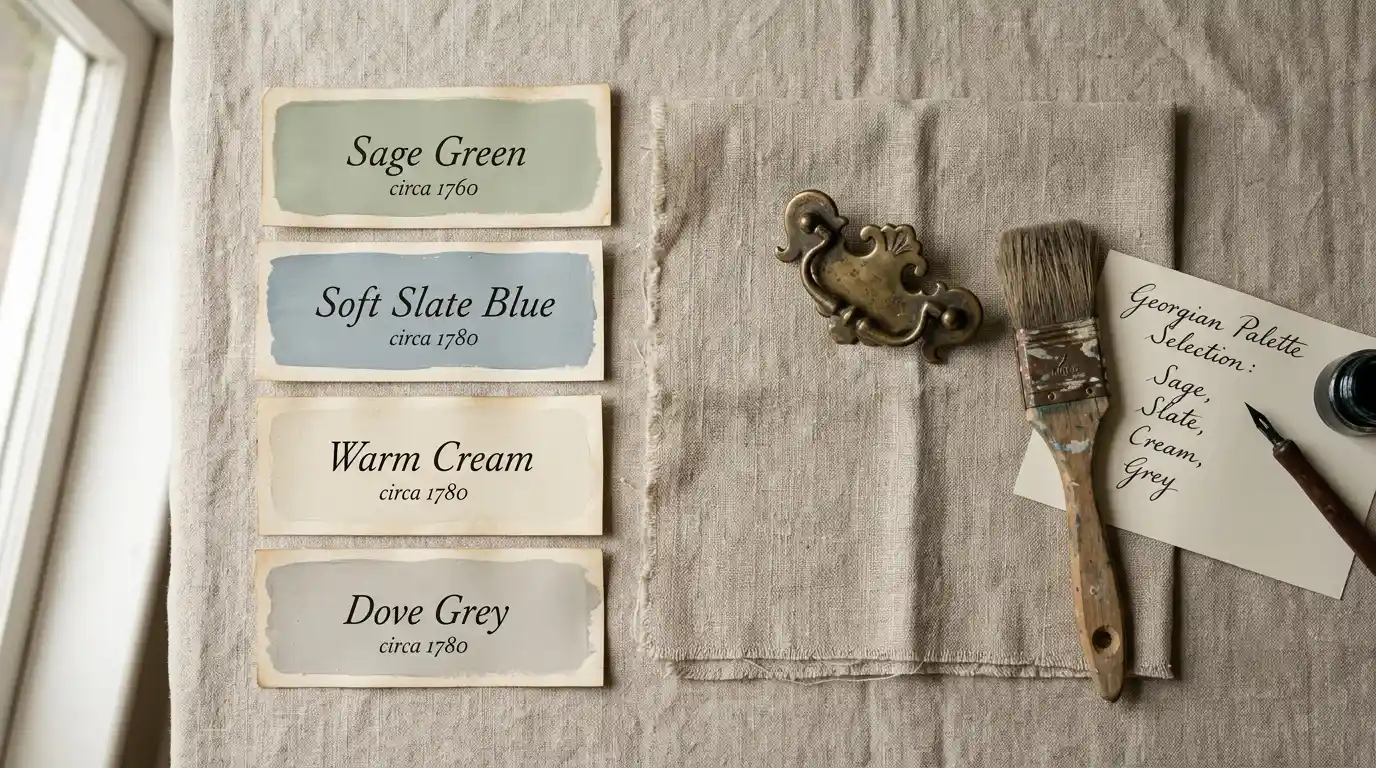
Georgian color palettes lean toward muted, earthy, and historically grounded tones — sage greens, soft blues, warm creams, dove greys, and the occasional deep jewel tone used sparingly in a formal room. These colors were originally derived from natural pigments, which is part of why they still feel timeless rather than trend-driven.
Georgian Style Moldings and Millwork
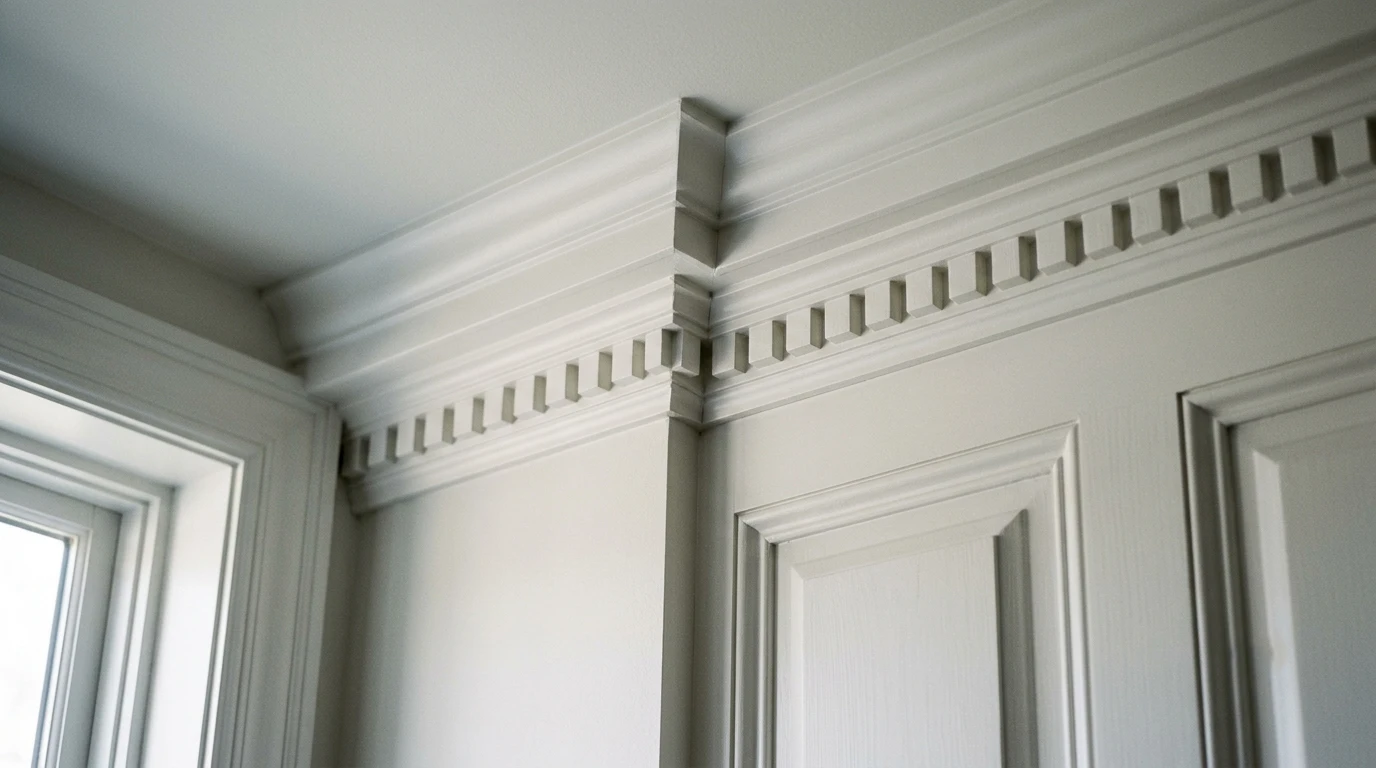
Crown molding, chair rails, dentil trim, and raised wall paneling are the backbone of Georgian style decor. These details give a room its sense of order even before furniture is added, which is why many modern renovations focus on reinstating millwork as the first step toward an authentic Georgian look.
Georgian Style Lighting and Chandeliers
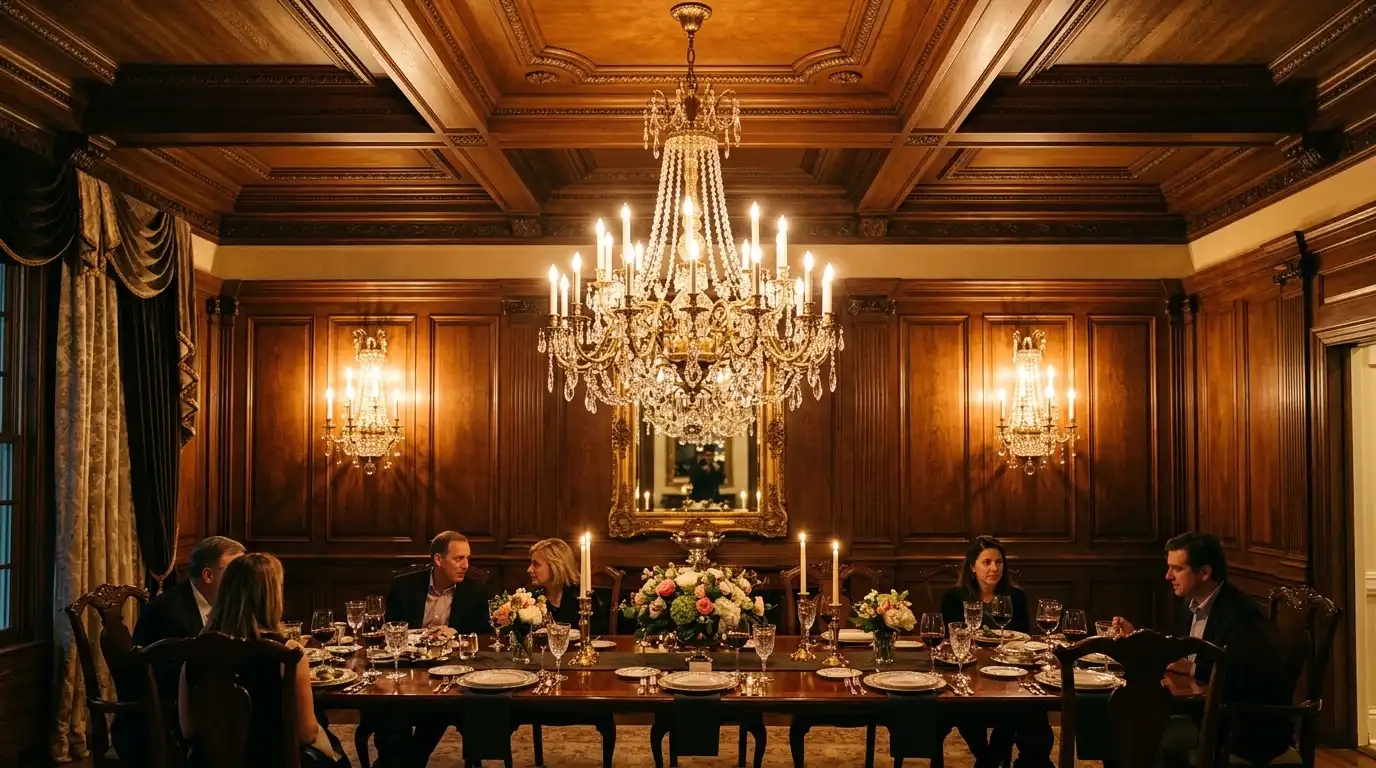
Lighting in Georgian decor tends to be symmetrical and centered, with crystal or brass chandeliers, matched wall sconces, and candle-inspired fixtures reinforcing the room’s classical proportions. Warm, layered light is preferred over stark overhead brightness, keeping rooms feeling refined rather than clinical.
Georgian Style Fireplaces and Mantels
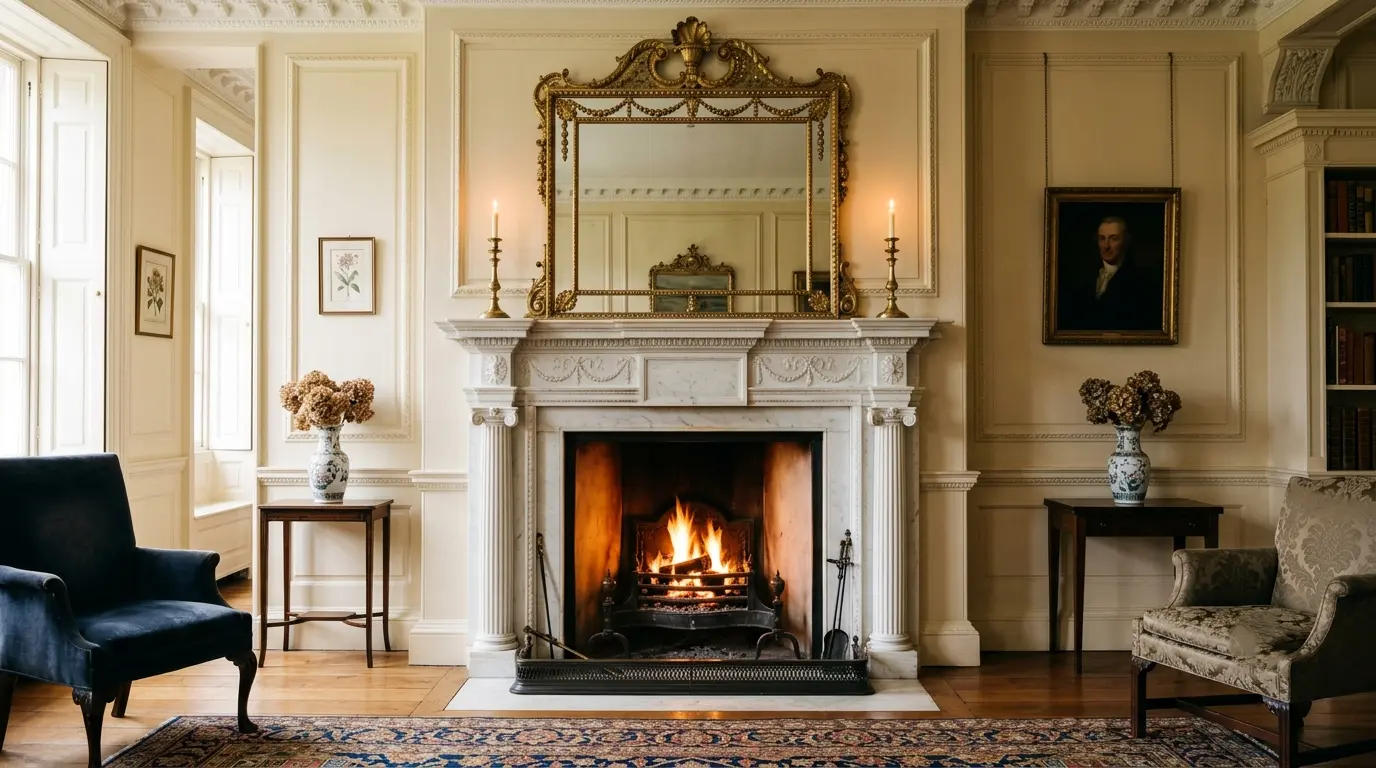
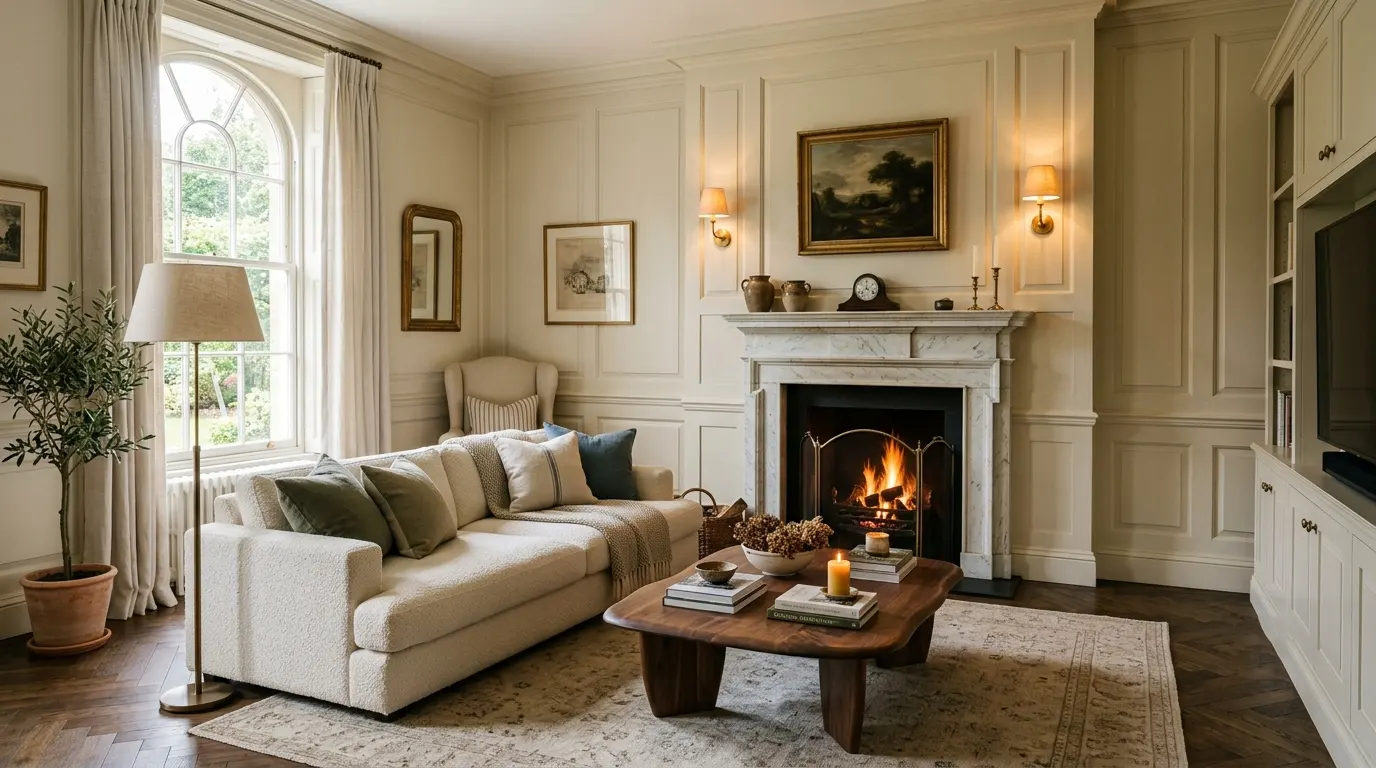
The fireplace is almost always the visual anchor of a Georgian room. Marble or painted wood mantels, often with classical detailing like fluted columns or carved swags, are centered on a wall and flanked by matching furniture or art, making the fireplace the natural starting point for the entire room’s layout.
Georgian Style Window Treatments and Sash Windows
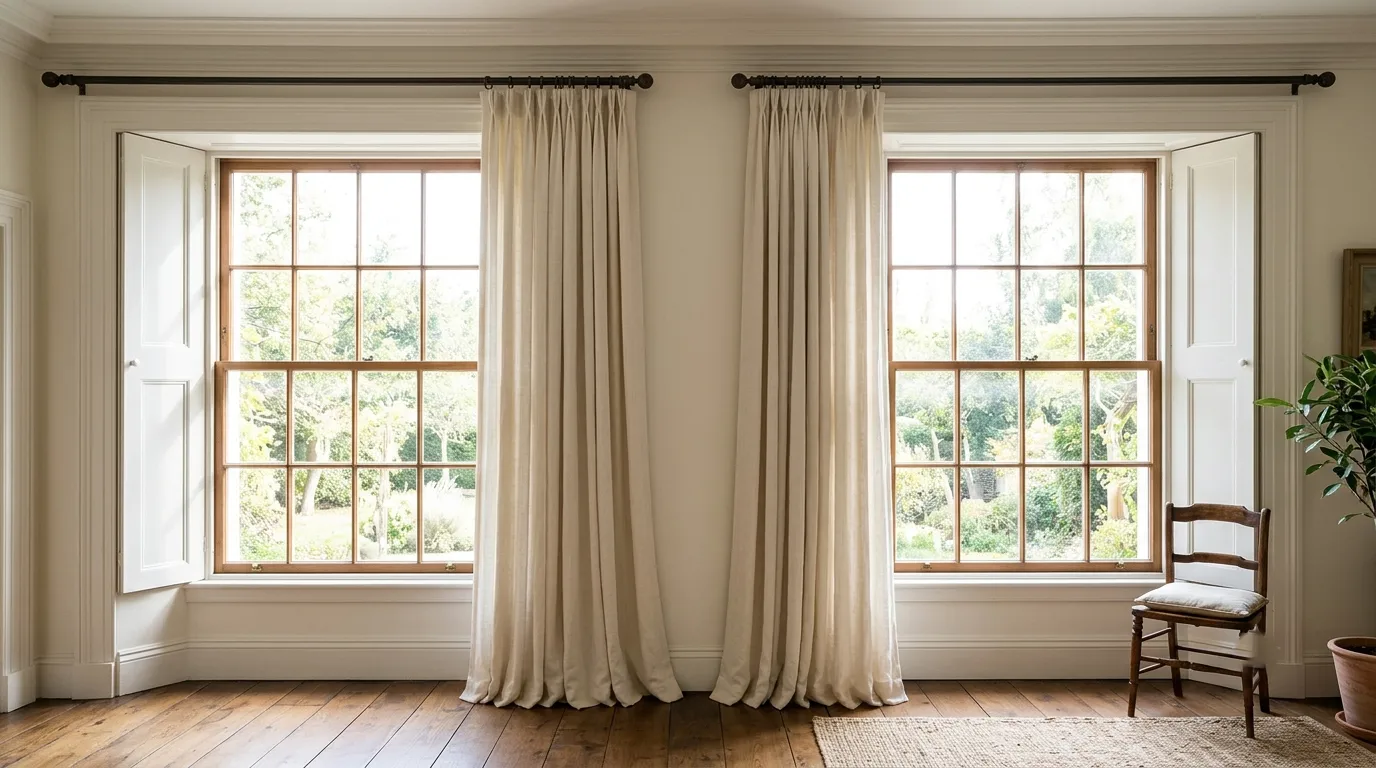
Tall, multi-pane sash windows are one of the clearest signatures of Georgian style decor, and their treatment matters as much as the window itself. Floor-length drapery, often paired with simple Roman shades or shutters, is hung symmetrically to frame the window without obscuring its proportions.
Blending Georgian and Contemporary Elements
The most livable Georgian-inspired homes today blend the style’s classical bones with contemporary comfort — keeping the symmetry, paneling, and proportion while swapping in simplified furniture, layered textiles, and a softer, more neutral palette. This balance is what allows the style to feel formal without feeling stiff.
Final Thoughts
Georgian style decor has lasted for centuries because it solves a problem most homeowners eventually run into: how do you create a space that feels considered and calm rather than cluttered or chaotic? The answer, again and again, comes back to the same handful of ideas — symmetry, proportion, restrained color, and honest materials. Once you internalize those principles, you stop needing a strict rulebook for every room. You start recognizing, almost instinctively, when a fireplace needs a matching pair of chairs, when a hallway wants one strong central piece instead of three competing ones, or when a wall is asking for a chair rail rather than another shelf of decor.
What makes this approach so durable is that it isn’t tied to a single era’s furniture or a particular shade of paint. It’s a way of organizing a room so that the architecture itself carries the visual weight, which means the style adapts easily — to a 200-year-old townhouse, a 1990s colonial, or a brand-new build with Georgian-inspired proportions baked into the floor plan. That flexibility is exactly why it suits such a wide range of homeowners: people restoring a period property who want historical accuracy, and people building or renovating a modern home who simply want that same sense of order without the formality feeling stiff or dated.
If you take one thing forward from this guide, let it be this: start with structure, not decoration. Get the proportions, the millwork, and the symmetry right first, and the furniture, color, and accessories will follow far more easily than if you’d started with a shopping list. That’s the difference between a room that looks Georgian and one that actually feels like it — settled, balanced, and built to last.
Learn more : Restored Floorboards: From Worn Wood to Timeless Character
Frequently Asked Questions
- Is Georgian style decor too formal for everyday family living? Not if it’s adapted thoughtfully. The formality comes from the underlying structure — symmetry, paneling, proportion — not from the furniture itself. Pairing that structure with comfortable upholstery, layered textiles, and a softer color palette keeps the look livable for daily use rather than reserved for special occasions.
- How can I get a Georgian-inspired look in a home that wasn’t built in that style? Focus on the architectural details first: add crown molding, a chair rail, or simple wall paneling, and center your furniture arrangement around a clear focal point like a fireplace, window, or media wall. Even without original period architecture, these moves recreate the sense of order that defines the style.
- What’s the easiest room to start with if I want to try this style? The living room or dining room tends to be the most forgiving starting point, since both already have a natural focal point to build symmetry around. Bedrooms are a close second, especially if you center the layout on the headboard wall.
- Do I need expensive antiques to make this style work? No — quality of proportion matters more than provenance. A well-scaled, simply detailed piece of new furniture, placed symmetrically and finished in the right color, will read as more authentically Georgian than an ornate antique that’s mismatched to the room’s scale.
- How do I avoid making the space feel cold or museum-like? Warmth comes from layering: soft textiles, warm-toned lighting, and a few personal or collected objects placed deliberately rather than densely. Symmetry sets the stage, but lived-in details — books, art, a favorite lamp — are what keep the room from feeling staged.
- Can Georgian style decor work with a more contemporary or minimalist aesthetic? Yes, and this pairing has become increasingly popular. Keep the classical bones — paneling, proportion, a centered focal point — and simplify everything layered on top: cleaner furniture silhouettes, a quieter palette, and less ornament. The structure does the work; the styling stays light.
- What’s the most common mistake people make when trying this style? Skipping the architectural foundation and going straight to furniture and accessories. Without symmetry, proportion, and at least some millwork in place, even well-chosen furnishings can end up looking scattered rather than intentional. Establish the bones first, and the decorating becomes far more straightforward.



One Response