
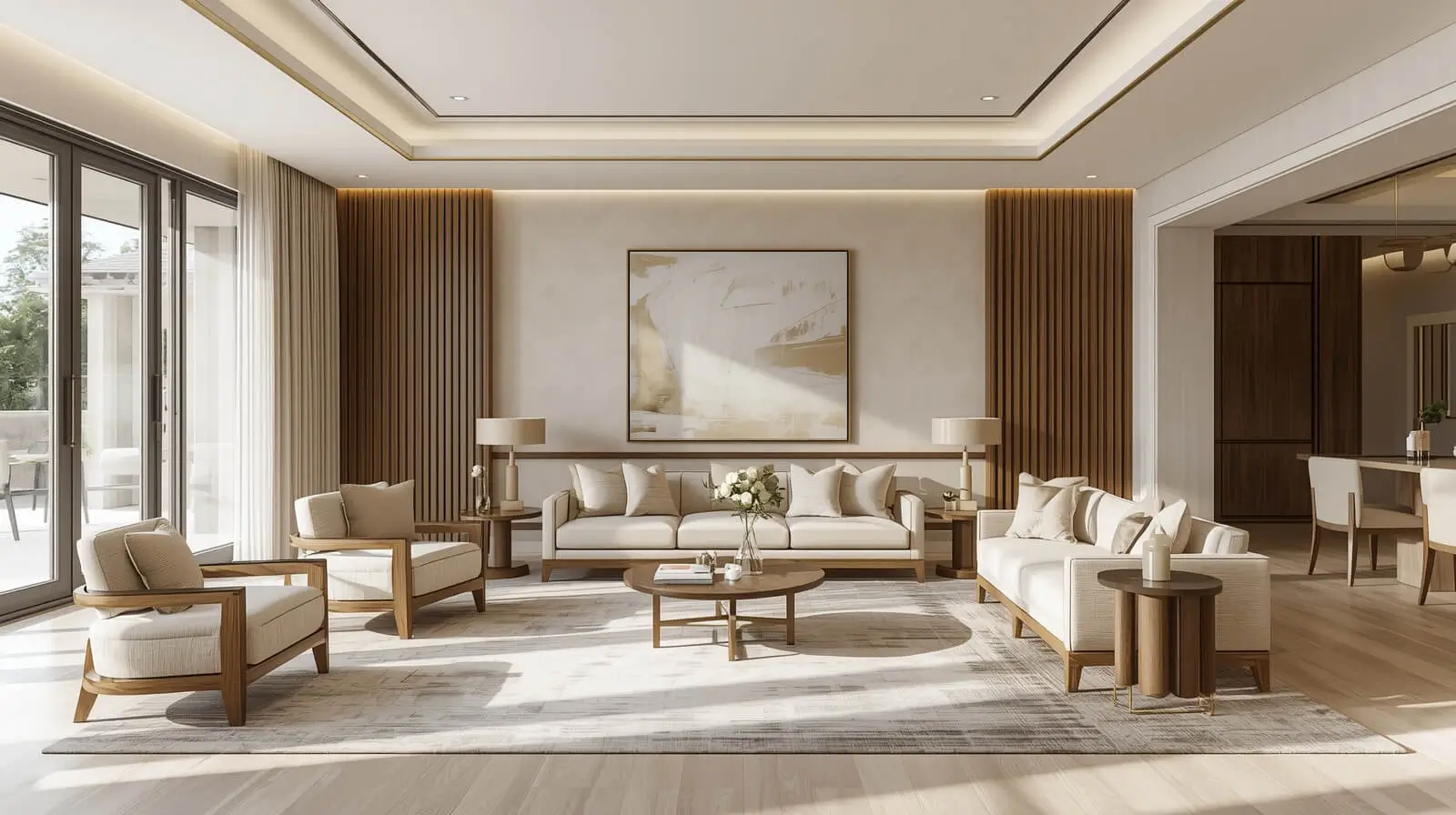
Introduction
Senior living interior design is far more than aesthetics—it is the thoughtful shaping of environments that support aging with dignity, independence, and comfort. Every design decision, from lighting placement to furniture scale, directly affects safety, emotional well-being, and daily ease for older adults. When done well, interior design becomes a quiet partner in quality of life.
With years of experience designing for assisted living, retirement communities, and nursing environments, it’s clear that successful senior-focused interiors balance function, warmth, and familiarity. These spaces must feel like home while subtly supporting physical changes such as reduced mobility, vision sensitivity, and cognitive shifts.
The most effective senior living interior design respects residents as individuals. It creates environments that are calming without being clinical, elegant without being impractical, and supportive without feeling restrictive—allowing people to live fully, comfortably, and confidently.
Senior Living Interior Design for Aging in Place
Thoughtful senior living interior design allows residents to remain independent for longer by anticipating physical changes over time. Layouts emphasize smooth circulation, minimal level changes, and intuitive navigation.
Design choices focus on long-term usability—spaces that adapt gracefully without requiring constant renovation, ensuring comfort today and resilience for tomorrow.
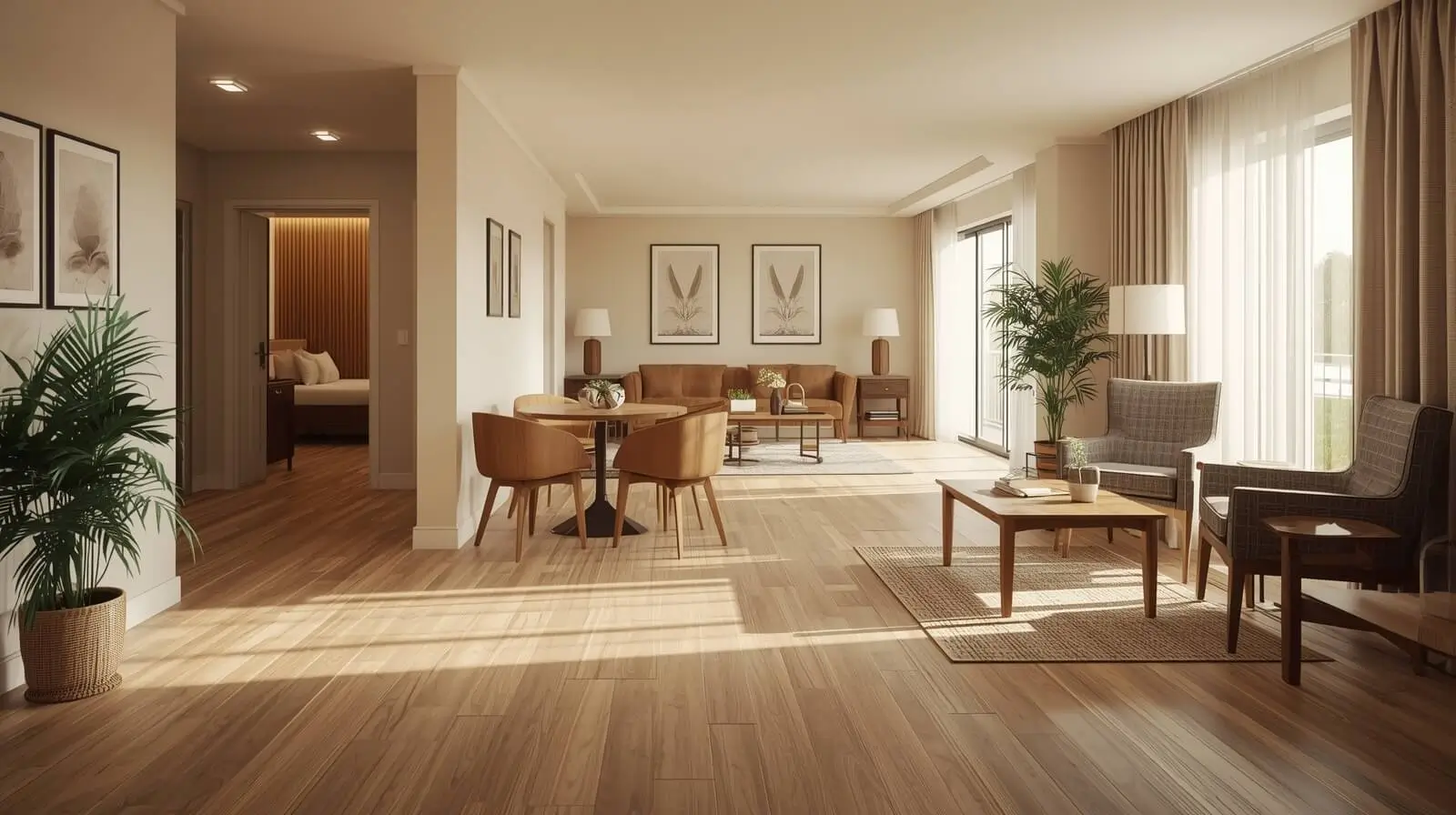
Assisted Living Interior Design That Feels Residential
Assisted living spaces succeed when they avoid institutional cues. Interiors should resemble upscale homes rather than medical facilities, fostering emotional comfort and a sense of belonging.
Soft textures, layered lighting, and familiar materials help residents feel grounded, reducing anxiety while maintaining necessary safety and accessibility features.
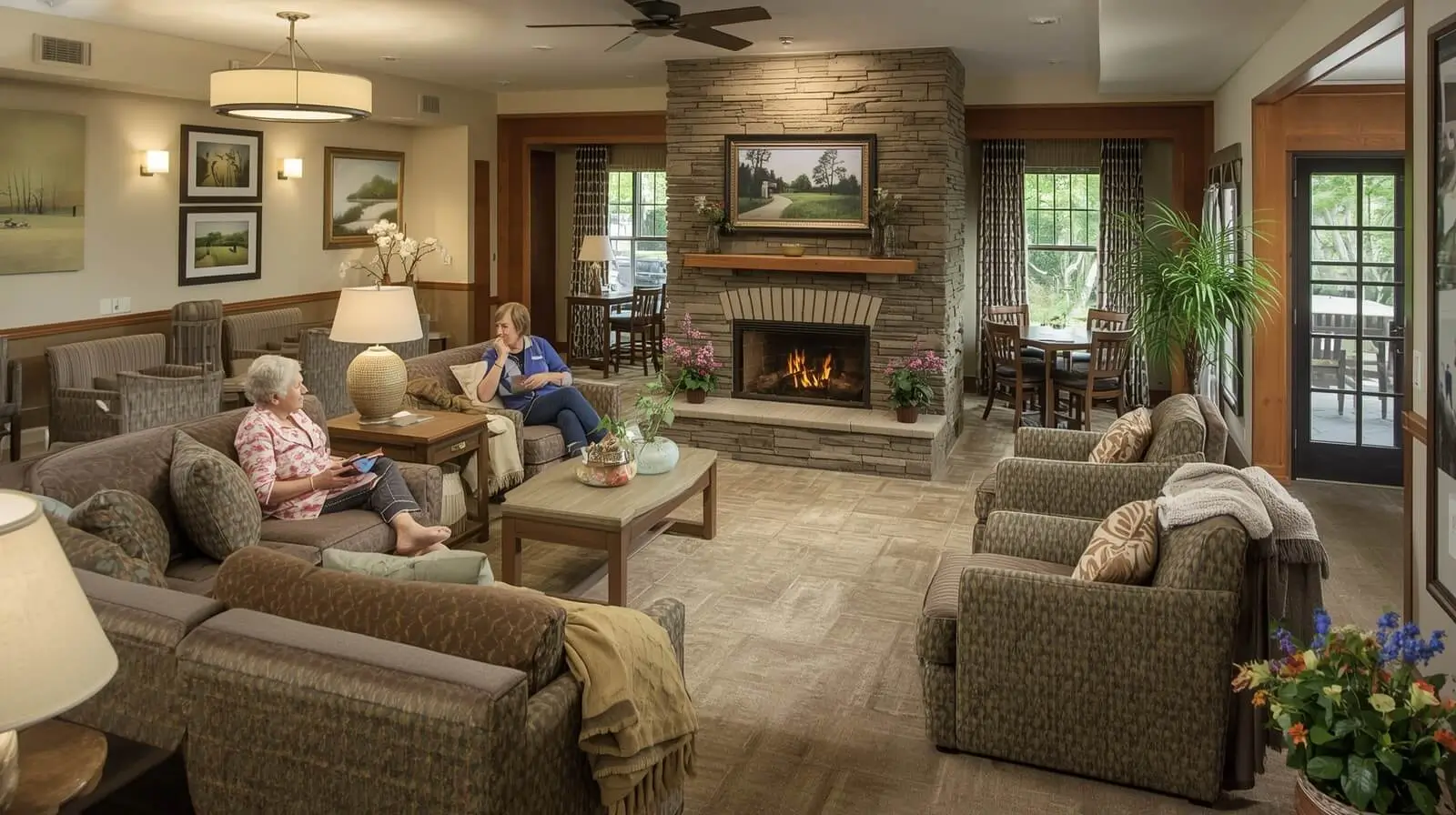
Senior Living Interior Design for Memory Care Environments
Memory care design requires heightened sensitivity. Senior living interior design here focuses on clarity, consistency, and emotional reassurance.
Clear sightlines, recognizable landmarks, and soothing color palettes reduce confusion and agitation, while familiar domestic cues help residents feel secure.
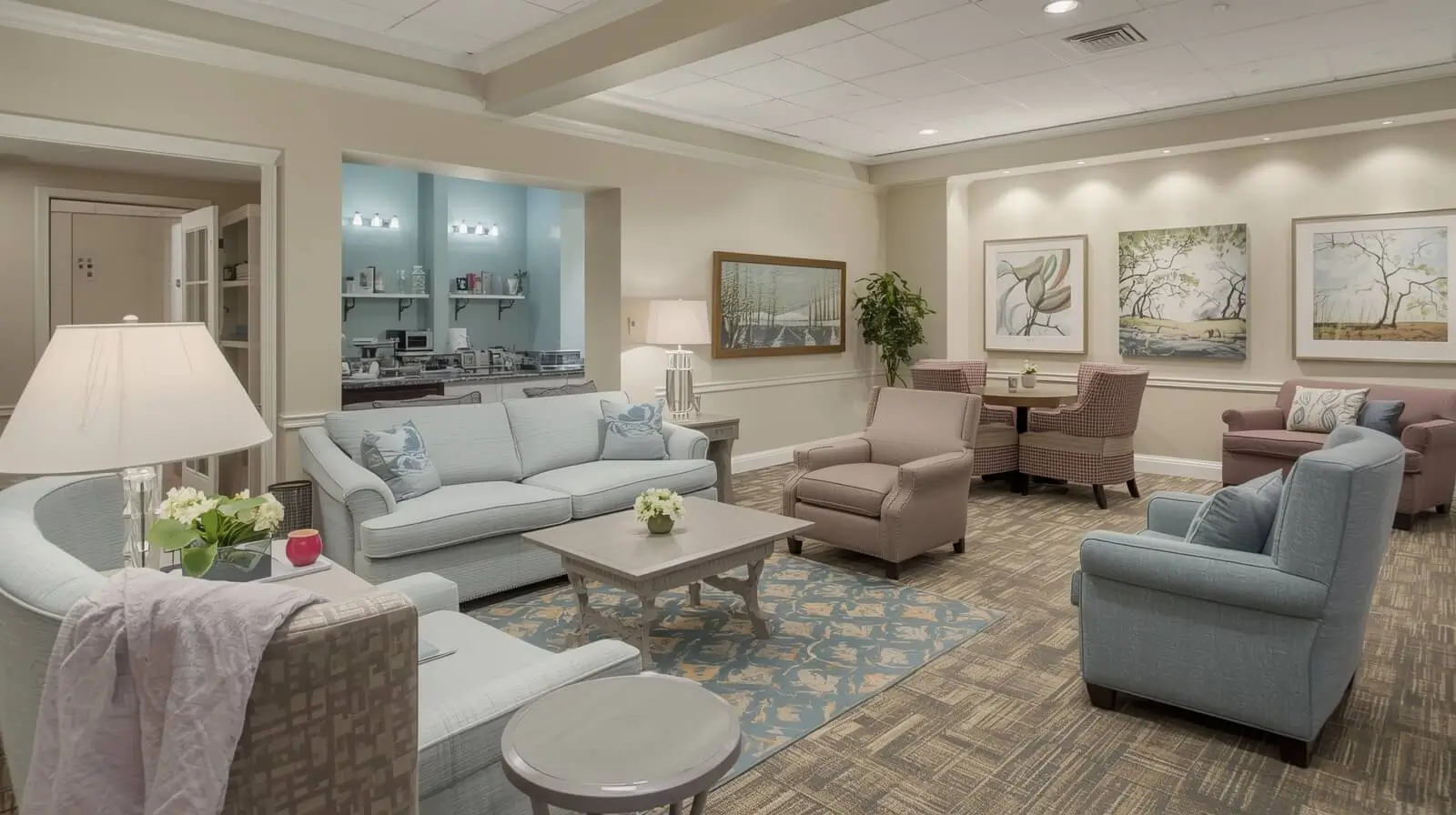
Nursing Home Interior Design Focused on Comfort and Respect
Modern nursing home interiors prioritize dignity alongside care. Design supports medical needs discreetly while preserving warmth and privacy.
Private or semi-private rooms, acoustic control, and thoughtfully integrated clinical elements help residents feel respected rather than managed.
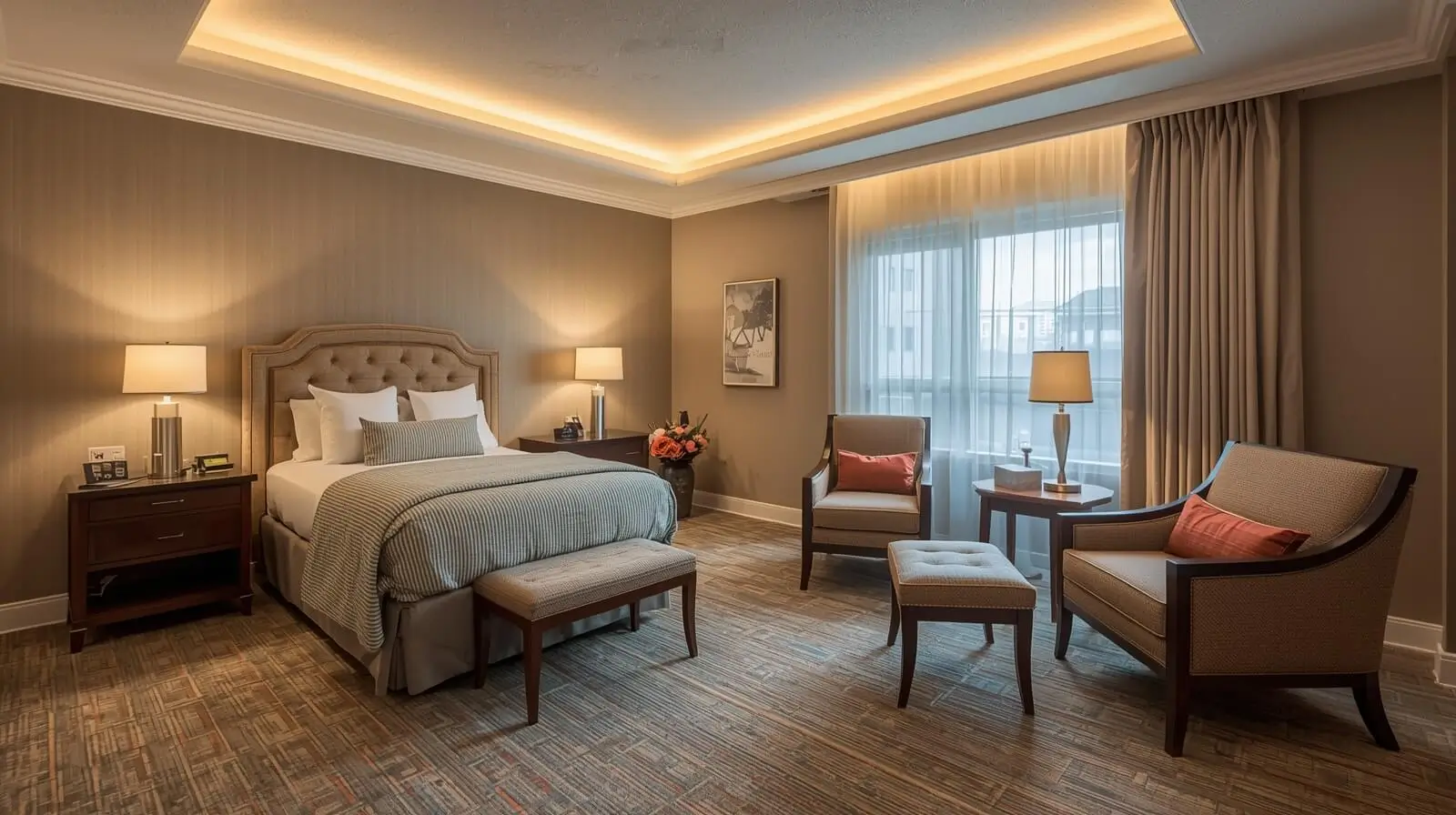
Senior Living Interior Design for Community Spaces
Shared areas are the social heart of senior living environments. Well-designed lounges, dining rooms, and activity spaces encourage interaction without overwhelming residents.
Flexible layouts allow both social engagement and quiet retreat, supporting varied energy levels and personal preferences.
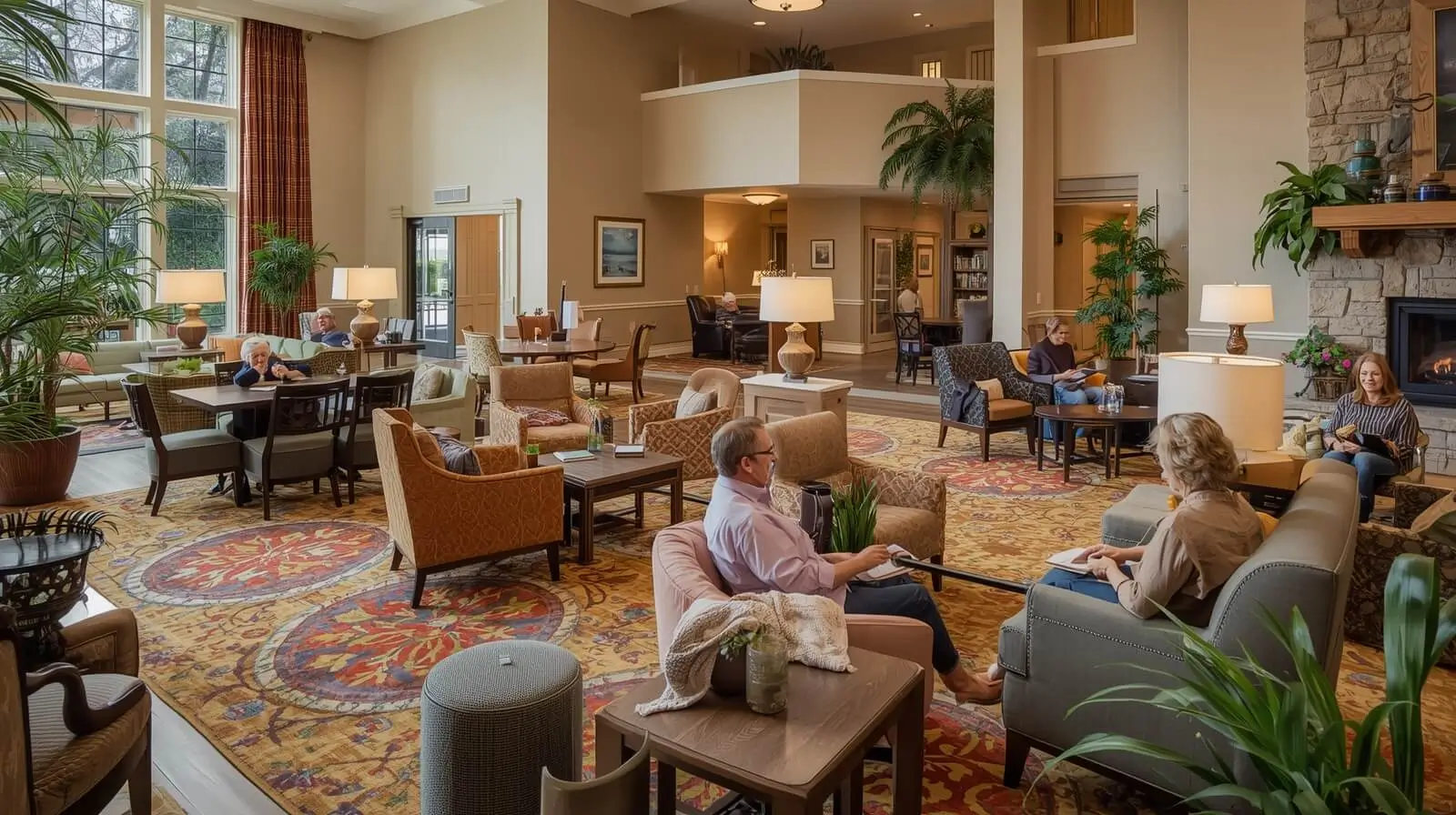
Retirement Home Interior Design That Supports Well-Being
Retirement interiors emphasize relaxation, autonomy, and everyday joy. Senior living interior design here focuses on comfort-driven luxury rather than formality.
Spaces are designed to feel effortless—easy to navigate, visually calming, and emotionally uplifting.
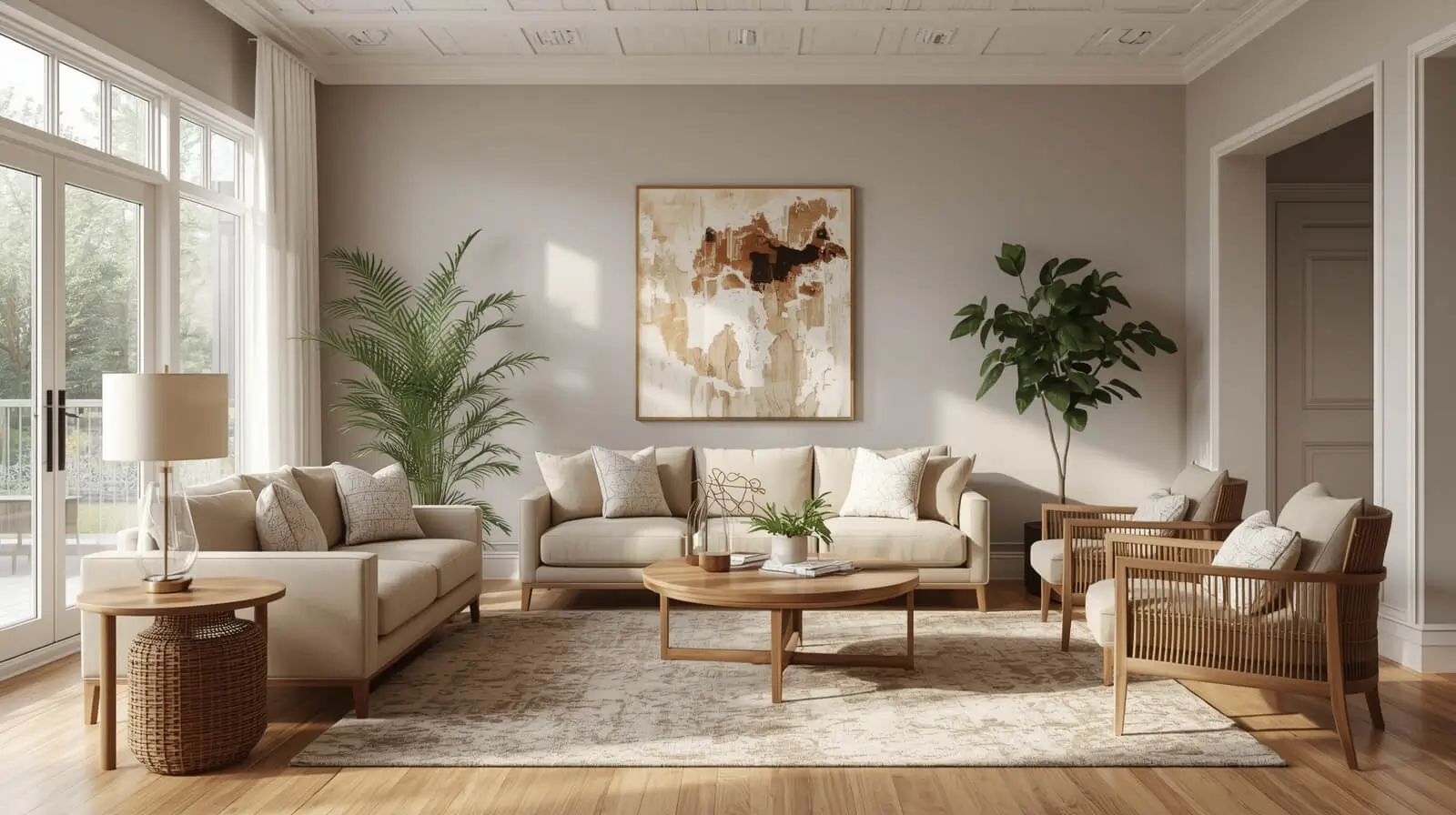
Senior Housing Interior Design for Accessibility Without Stigma
Accessibility features should blend seamlessly into the design language. Grab bars, handrails, and support features are integrated subtly to preserve aesthetics.
This approach allows senior living interior design to remain elegant while meeting practical needs invisibly.
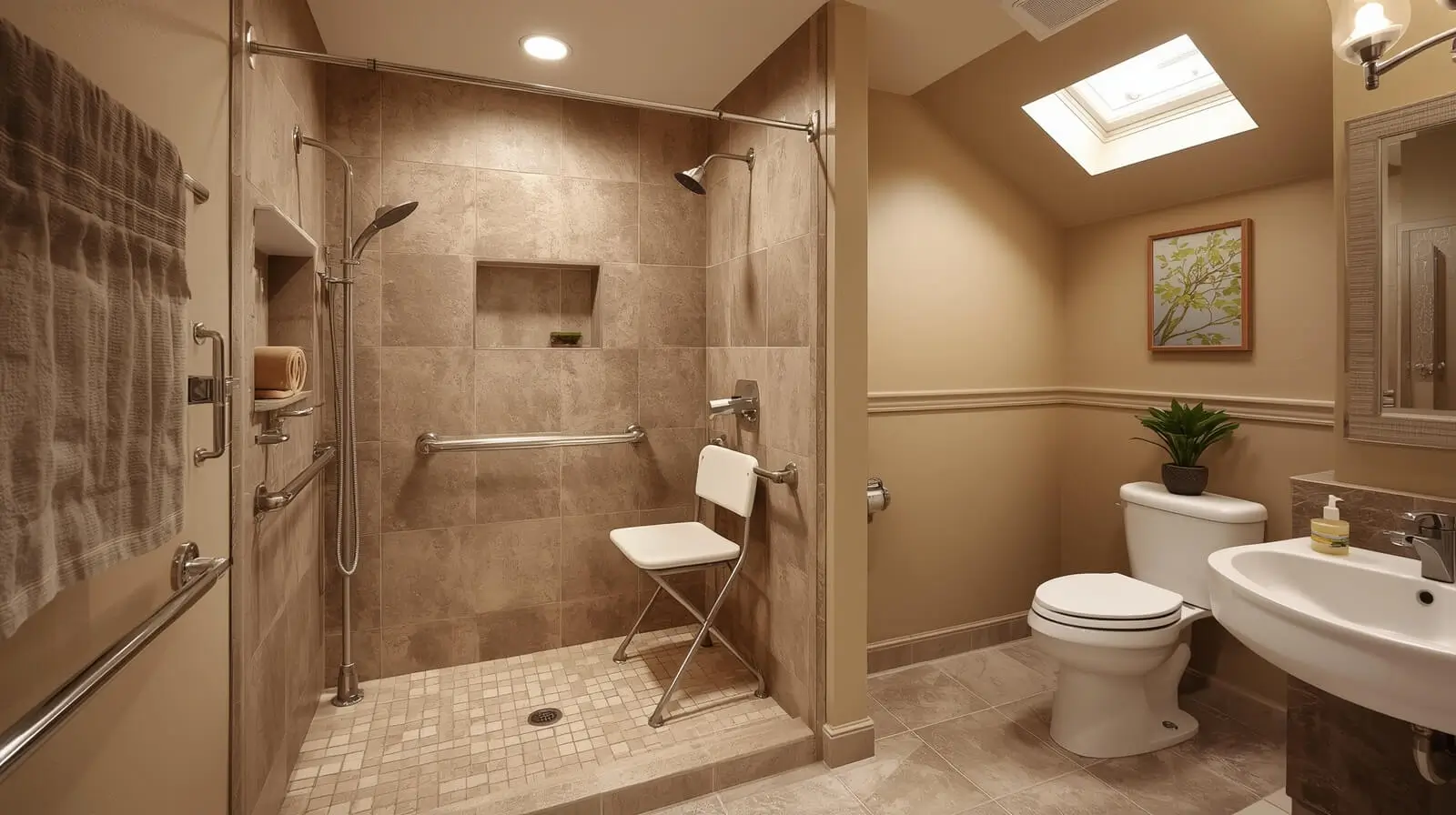
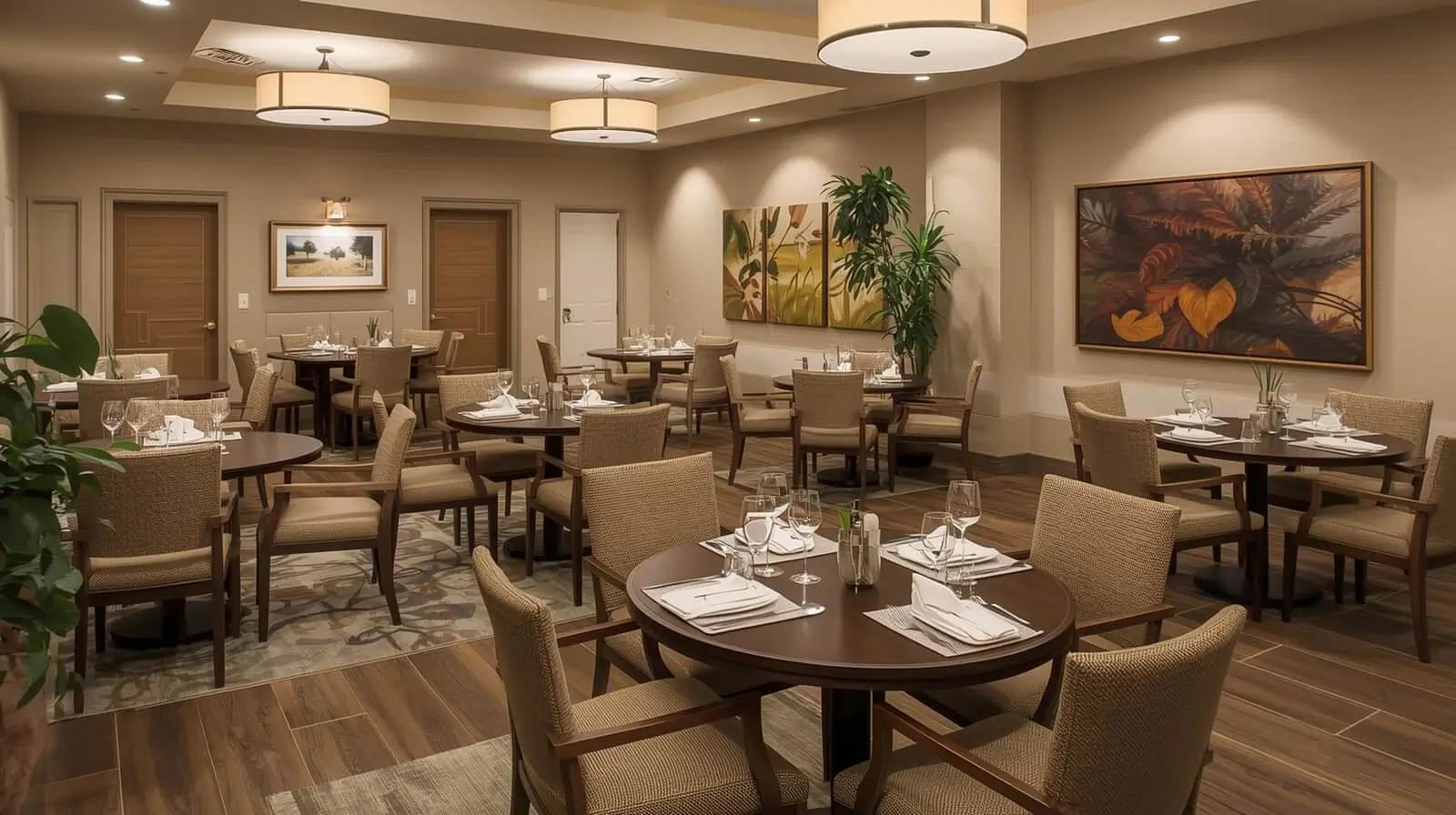
Interior Design for Senior Living Dining Areas
Dining spaces influence appetite, socialization, and daily routine. Proper lighting, acoustic comfort, and furniture ergonomics are essential.
Senior living interior design prioritizes clarity, contrast, and comfort to make dining a pleasurable daily experience.
Senior Living Interior Design and Lighting Strategy
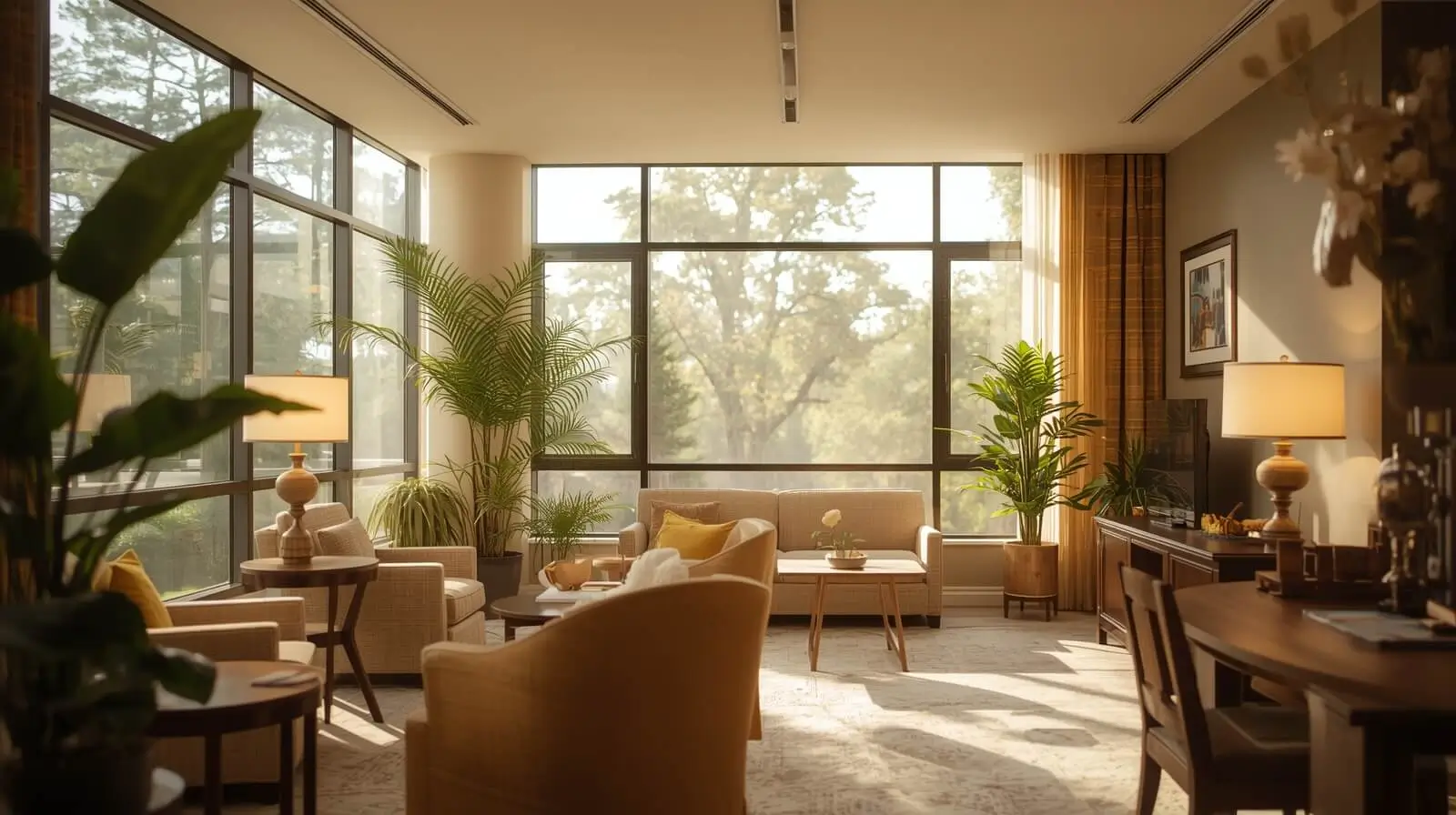
Lighting plays a critical role in aging environments. Balanced layers of ambient, task, and accent lighting reduce eye strain and improve orientation.
Natural light is maximized wherever possible, supporting circadian rhythms and overall wellness.
Color Psychology in Senior Living Interior Design
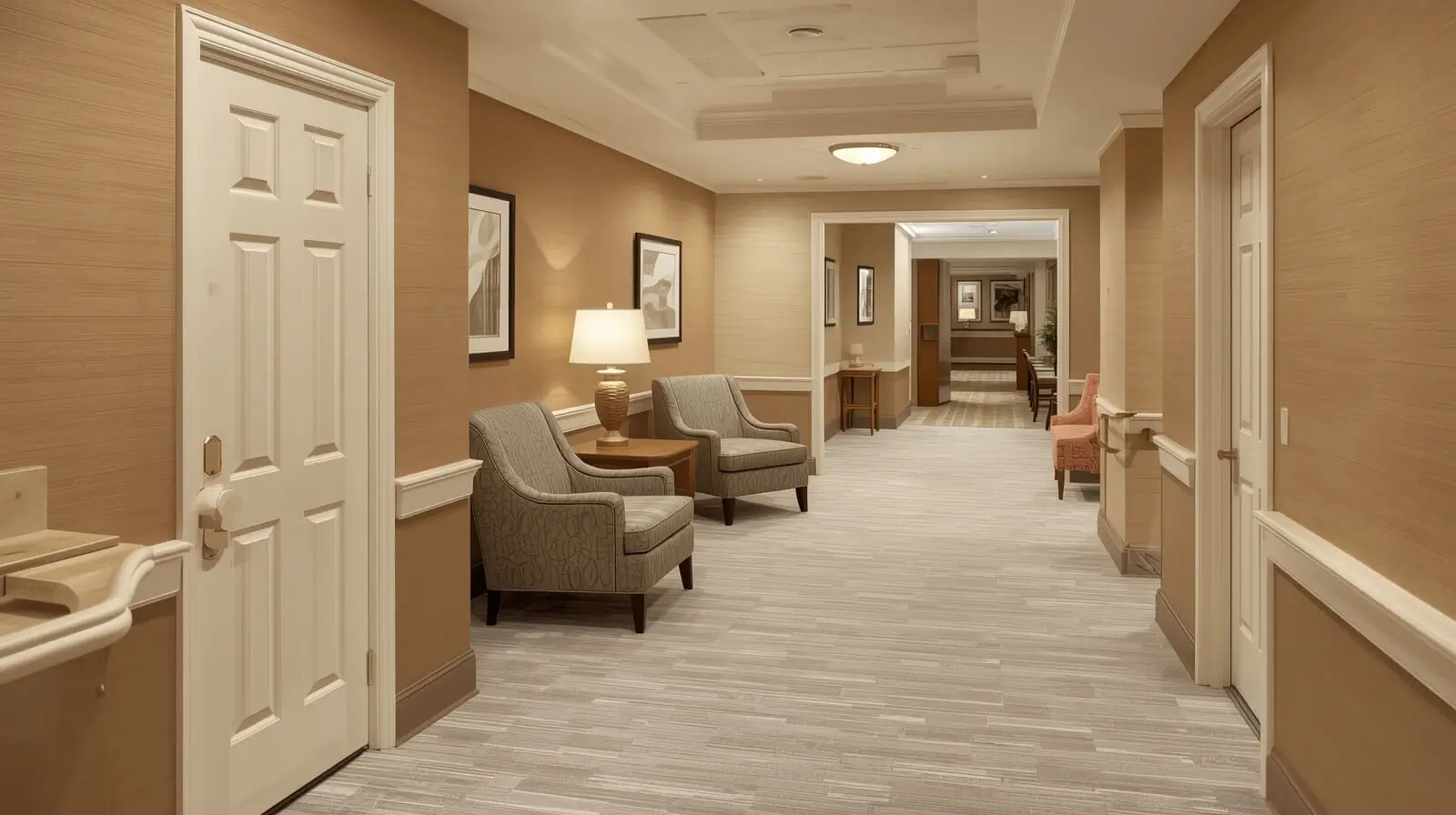
Color choices affect mood, clarity, and comfort. Muted, warm palettes are calming, while strategic contrast improves spatial awareness.
Senior living interior design uses color intentionally—to guide movement, highlight transitions, and promote emotional ease.
Furniture Selection in Senior Living Interior Design
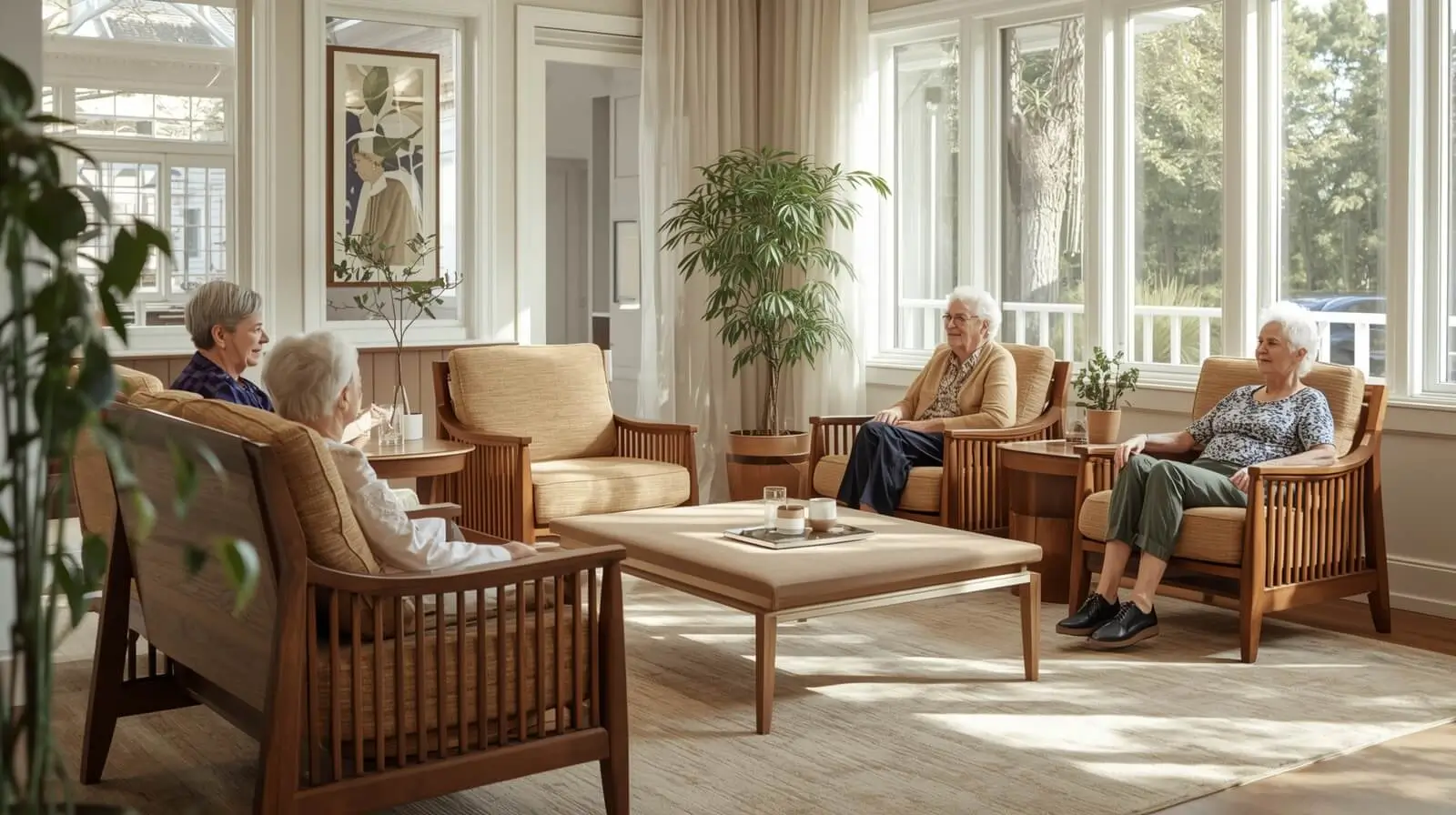
Furniture must support posture, mobility, and safety without sacrificing style. Seat height, arm support, and stability are carefully considered.
Well-designed furnishings encourage independence while maintaining residential elegance.
Senior Living Interior Design for Private Rooms
Private rooms are deeply personal spaces. Design supports personalization while ensuring safety and comfort.
Layouts allow residents to bring familiar belongings, reinforcing identity and emotional stability.
Wayfinding in Senior Living Interior Design
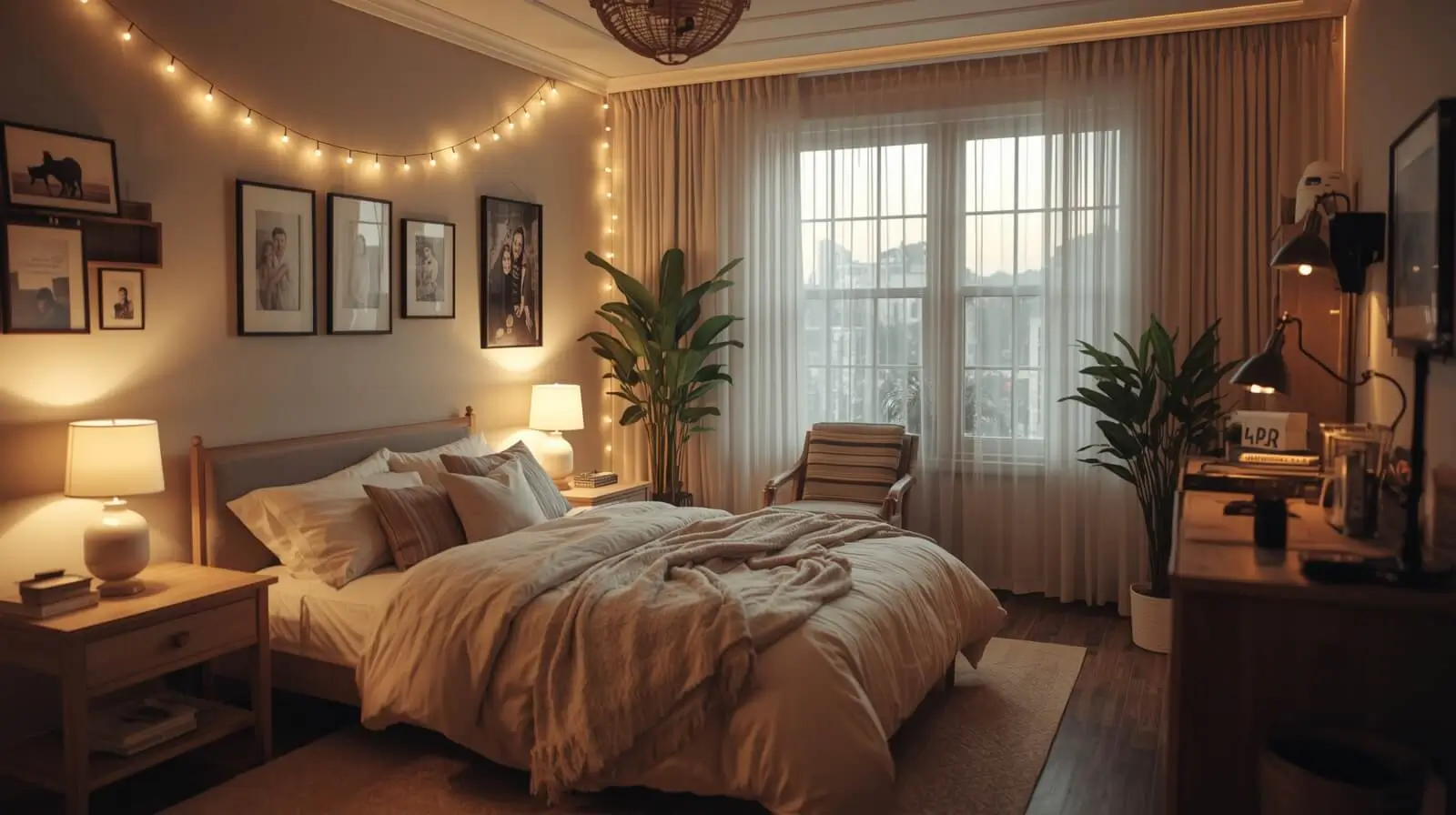
Clear navigation reduces stress and confusion. Visual cues such as artwork, color zoning, and lighting transitions help residents move confidently.
Wayfinding strategies are subtle but powerful elements of effective senior living interior design.
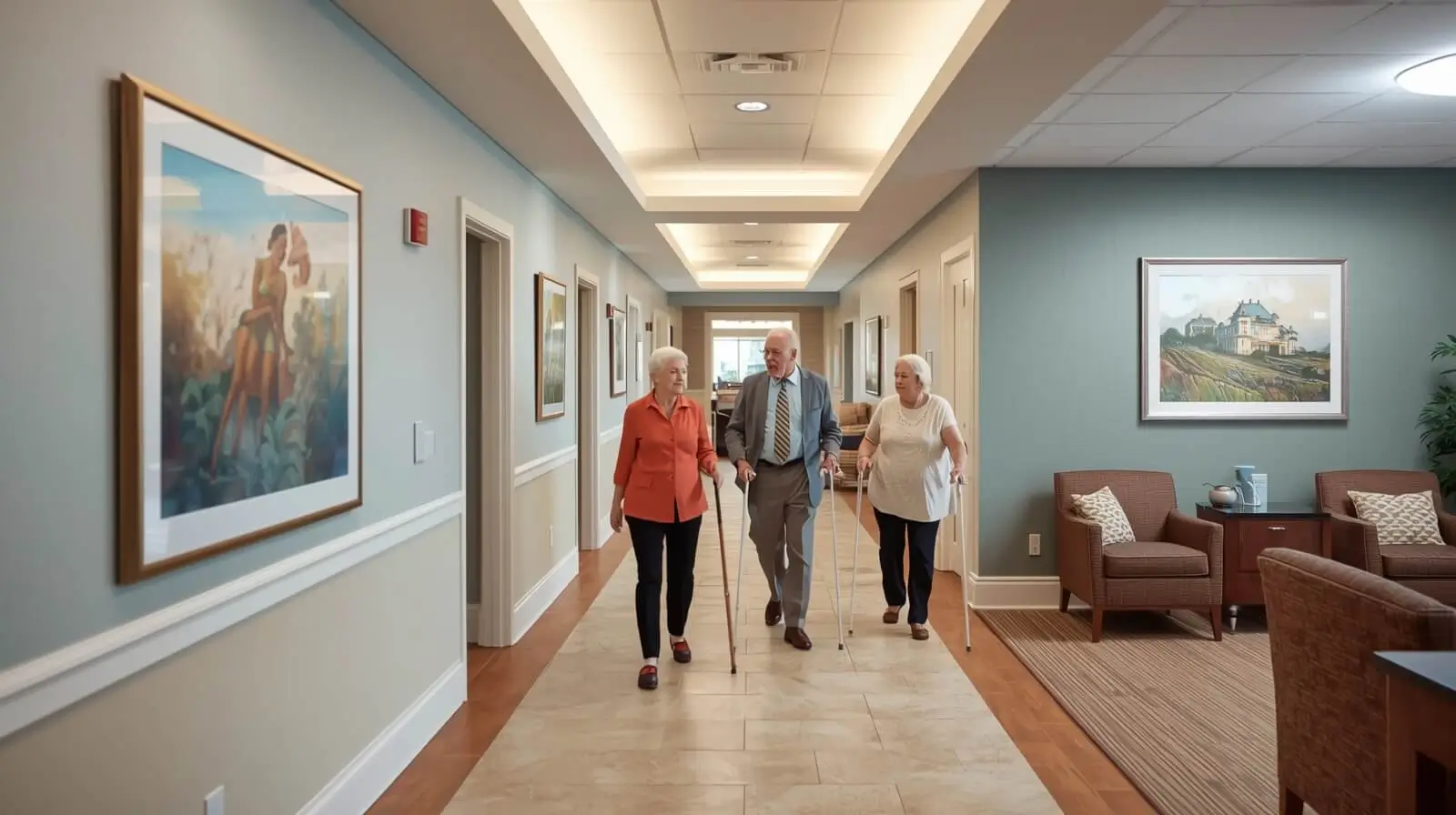
Senior Living Interior Design and Acoustic Comfort
Sound control is often overlooked but essential. Soft finishes, textiles, and acoustic treatments reduce noise fatigue.
Quieter spaces support relaxation, communication, and cognitive comfort.
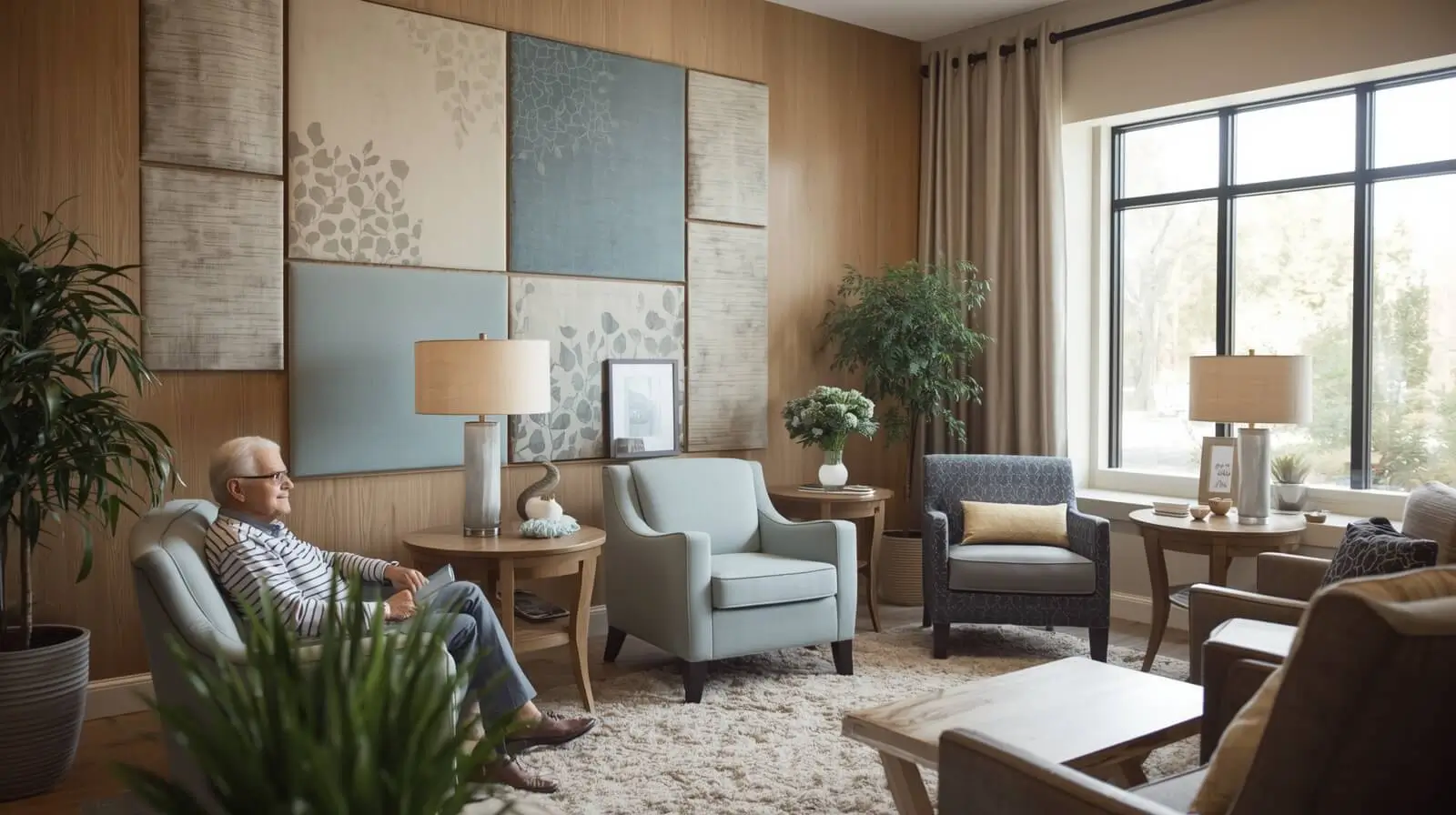
Outdoor-Connected Senior Living Interior Design
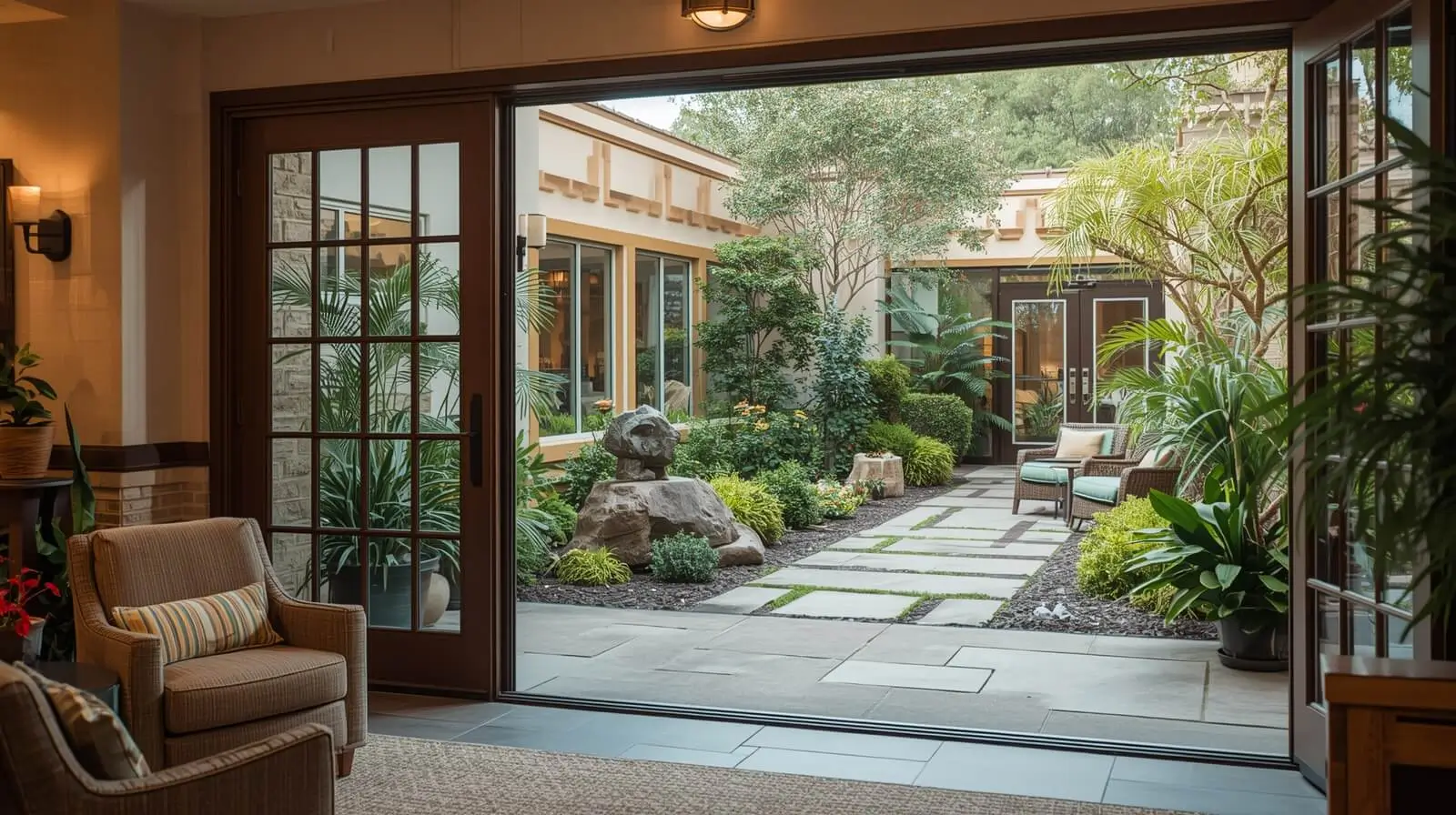
Connection to nature improves mental and physical well-being. Interiors that visually and physically connect to outdoor spaces feel uplifting.
Biophilic elements bring freshness and vitality into daily life.
Conclusion
Senior living interior design works best when it begins with empathy and ends with clarity. At its core, it is about understanding how people live, move, rest, and connect as they age—and shaping spaces that quietly support those realities without drawing attention to the support itself. When safety, comfort, and beauty are integrated rather than layered on, the environment feels natural, dignified, and genuinely livable.
This approach succeeds because it treats design as a daily companion, not a visual statement. Thoughtful layouts reduce fatigue, lighting supports both mood and visibility, and familiar materials create emotional ease. These decisions may seem subtle on their own, but together they form spaces that help residents feel confident, oriented, and at home. Families gain peace of mind, caregivers work more effectively, and residents experience greater independence and calm.
Senior living interior design benefits anyone planning for aging with intention—whether designing a new community, renovating an existing facility, or adapting a personal residence. The path forward is not about following trends, but about making informed, human-centered choices. By prioritizing comfort, clarity, and respect at every scale, it becomes possible to create environments that truly support quality of life, now and in the years ahead.
Learn more : 13+ Texture Interior Design Ideas That Transform Any Space
Frequently Asked Questions
- What makes senior living interior design different from standard residential design?
The difference lies in intention. Senior living interior design anticipates physical, sensory, and cognitive changes and responds with thoughtful planning—wider circulation paths, balanced lighting, supportive furniture, and intuitive layouts—while still maintaining a warm, residential feel.
- How do design choices improve daily life for seniors?
Good design reduces physical strain, minimizes confusion, and supports emotional well-being. Simple things like proper lighting, clear pathways, and comfortable seating can significantly improve confidence, safety, and overall comfort in everyday routines.
- Can senior living interiors still feel stylish and personal?
Absolutely. Function does not have to compromise aesthetics. With the right materials, color palettes, and furniture choices, spaces can feel refined, modern, and deeply personal while still meeting practical needs.
- Is senior living interior design only relevant for large facilities?
Not at all. The same principles apply to private homes, retirement apartments, assisted living communities, and care environments. Any space designed for aging adults can benefit from these thoughtful, human-centered strategies.
- How early should senior-focused design be considered?
Ideally, before it feels necessary. Planning early allows spaces to adapt gradually, avoiding rushed changes later. Design that supports aging gracefully often looks and feels better for people of all ages.
- What role does emotional comfort play in these environments?
Emotional comfort is foundational. Familiar materials, calming colors, natural light, and residential details help residents feel grounded and secure, which directly affects mental well-being and quality of life.
- How can families or decision-makers move forward confidently?
Start by observing daily needs and challenges, then work with designers who understand aging environments holistically. Prioritize clarity, comfort, and dignity over trends, and choose solutions that will remain supportive over time.


One Response