
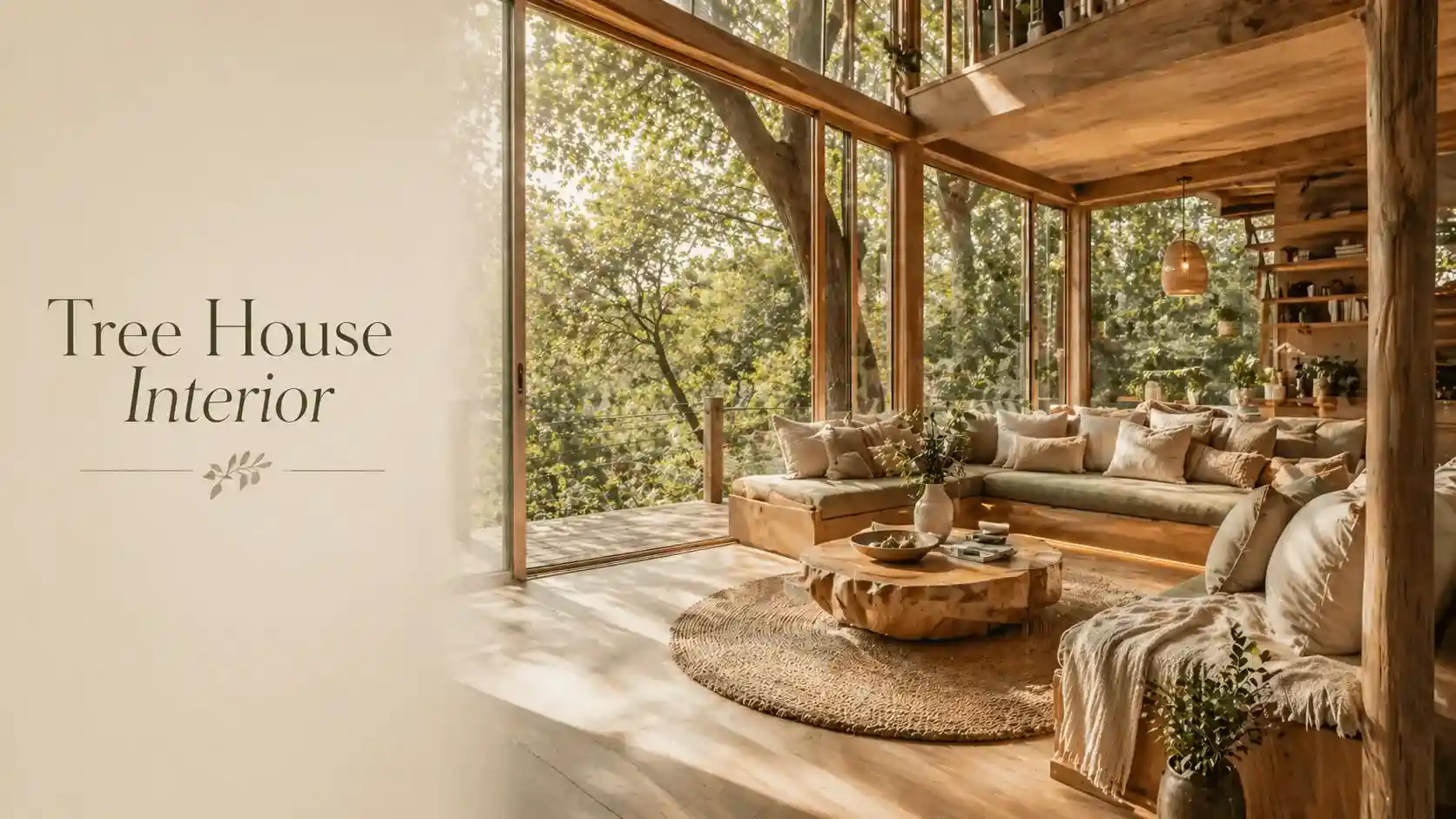
Introduction
A thoughtfully designed tree house interior transforms a simple elevated structure into a livable retreat, creative studio, or peaceful escape. Whether nestled among dense foliage or perched in a backyard tree, the interior defines how the space feels, functions, and endures over time. From my experience working with compact, nature-integrated spaces, the key lies in balancing structural limitations with comfort, light, and intentional design choices.
Designing inside a treehouse is unlike working with traditional rooms. Angled walls, limited square footage, and natural surroundings require a more intuitive, flexible approach. The best interiors feel connected to the outdoors while offering warmth, safety, and personality—making even the smallest footprint feel meaningful and complete.
Tree House Interior Layout Planning
A well-planned layout ensures every inch of the tree house interior serves a purpose. Prioritize movement flow, seating placement, and access points without overcrowding the space. Built-in elements often outperform freestanding furniture in tight footprints.
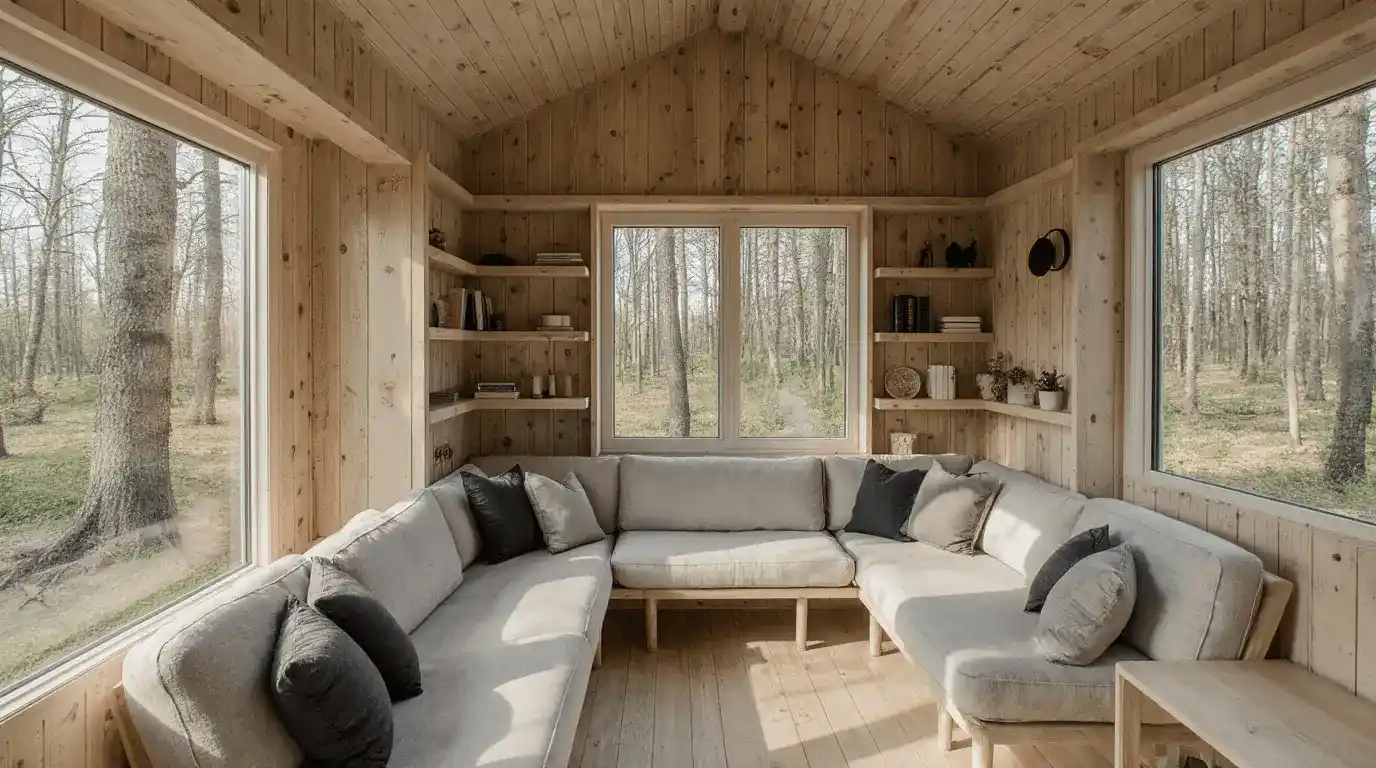
Small Tree House Interior Ideas
In smaller interiors, simplicity is essential. Use foldable furniture, vertical storage, and light color palettes to visually expand the space. Compact designs can feel luxurious when every detail is intentional.
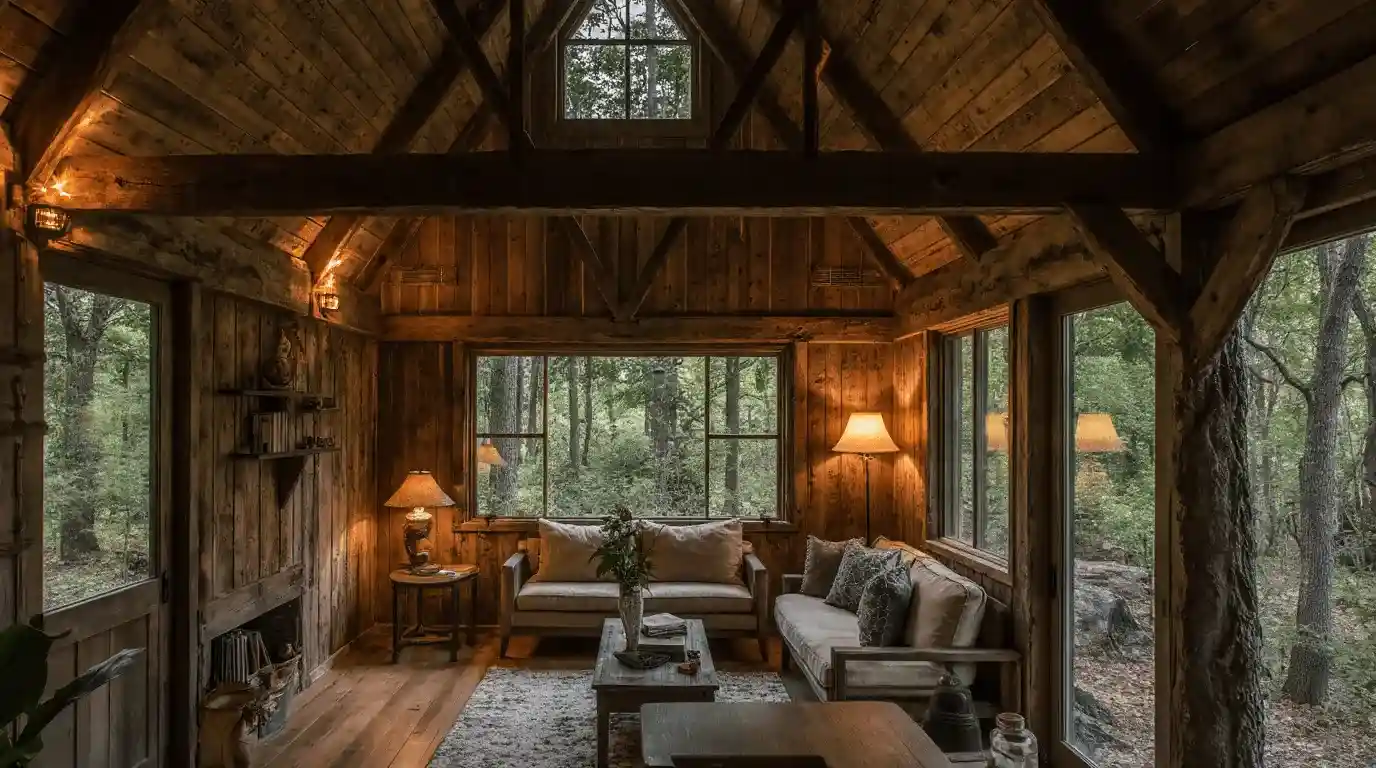
Rustic Tree House Interior Design
Rustic interiors embrace raw materials and organic textures. Exposed beams, reclaimed wood, and earthy tones create a grounded, natural feel that blends seamlessly with the surrounding trees.
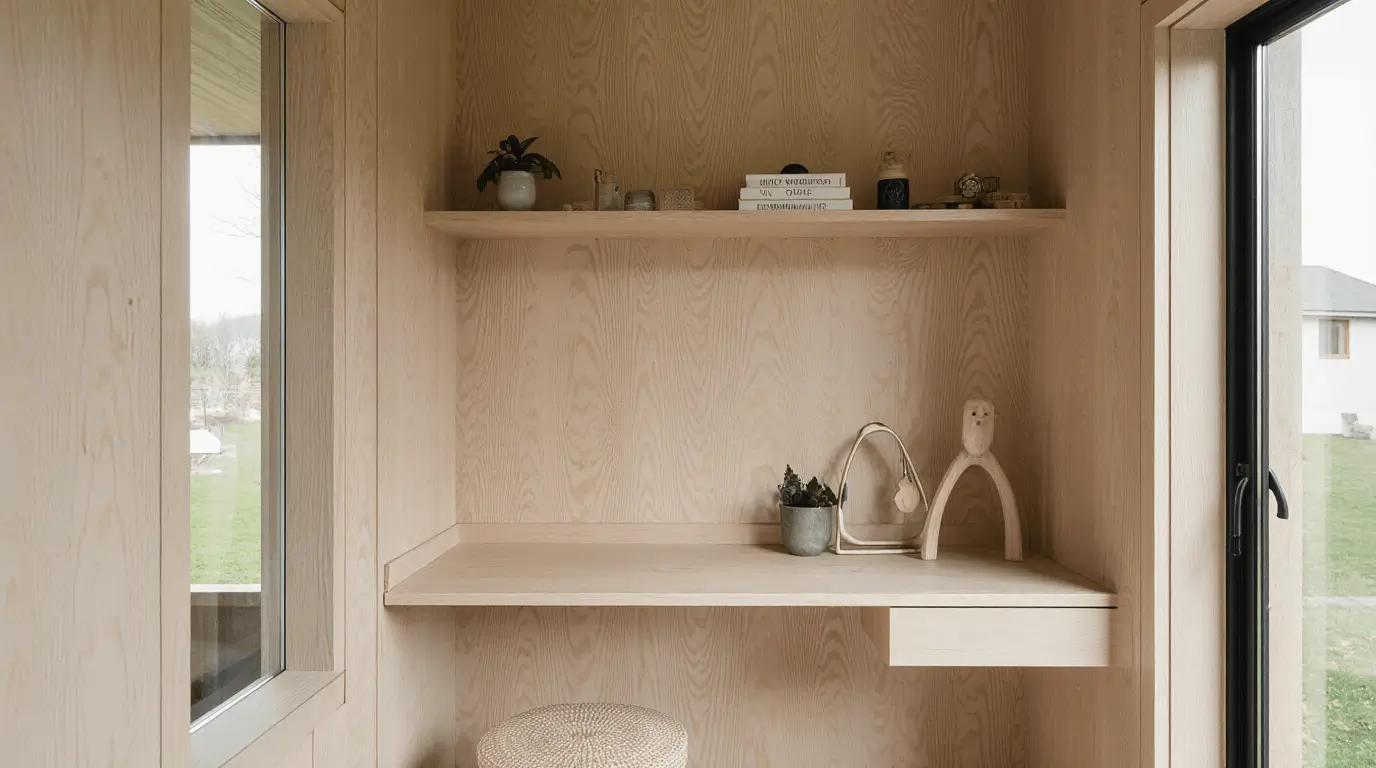
Modern Tree House Interior Concepts
A modern tree house interior focuses on clean lines, minimal décor, and functional elegance. Neutral palettes paired with sleek finishes create a calm, contemporary retreat above ground.
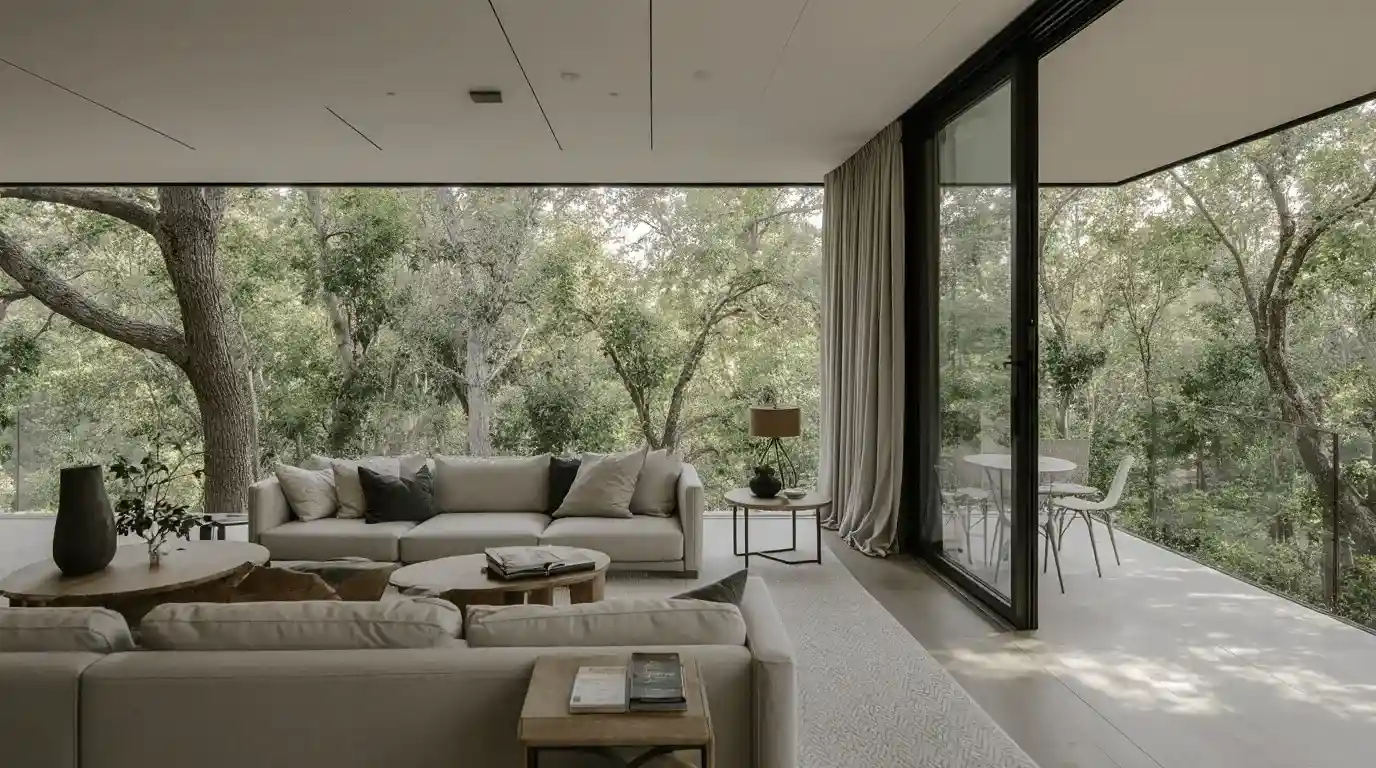
Tree House Interior Lighting Design
Lighting shapes the mood of the entire space. Combine natural light with soft artificial sources like warm LED strips or pendant lights to maintain a cozy yet practical environment after sunset.
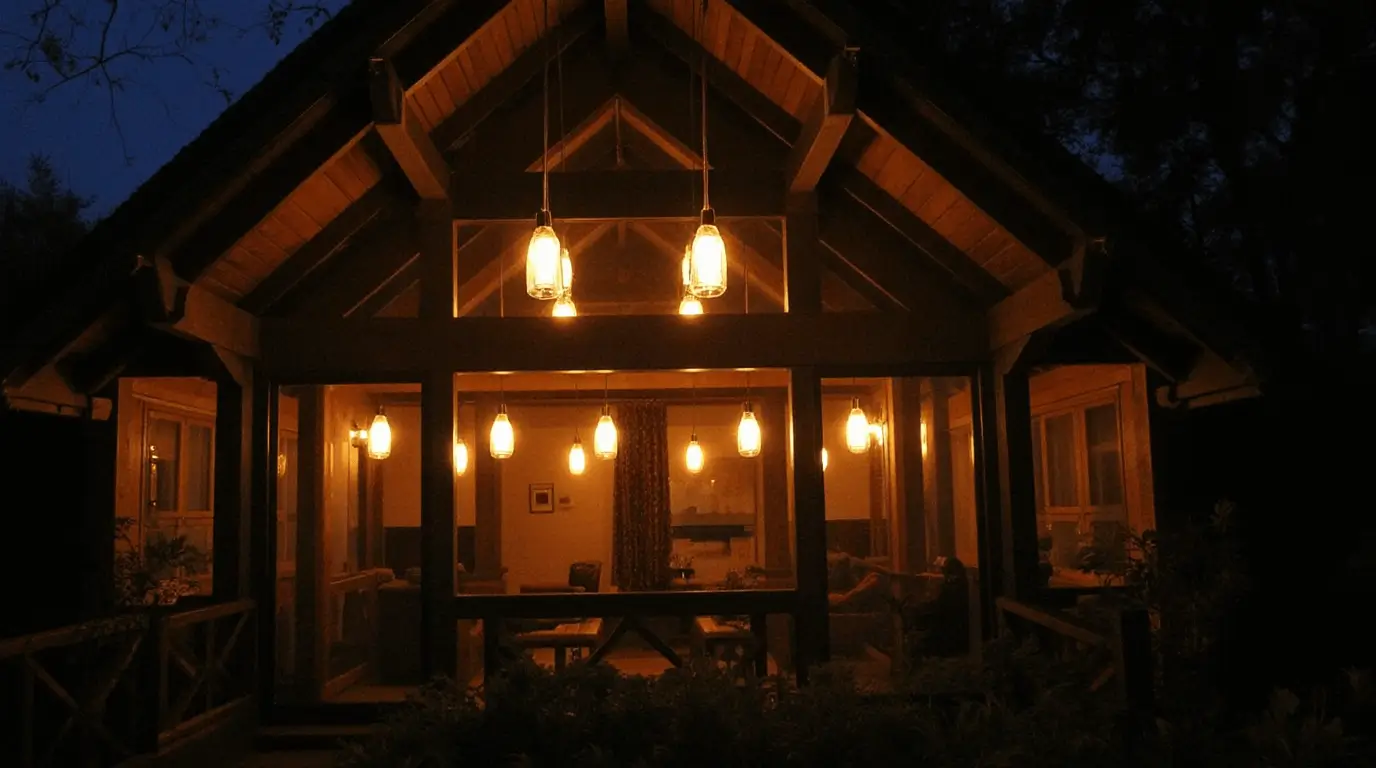
Cozy Tree House Interior Styling
Comfort-driven interiors rely on textiles—cushions, throws, and rugs. Soft layers help counteract the hardness of wood surfaces and create a welcoming, lived-in atmosphere.
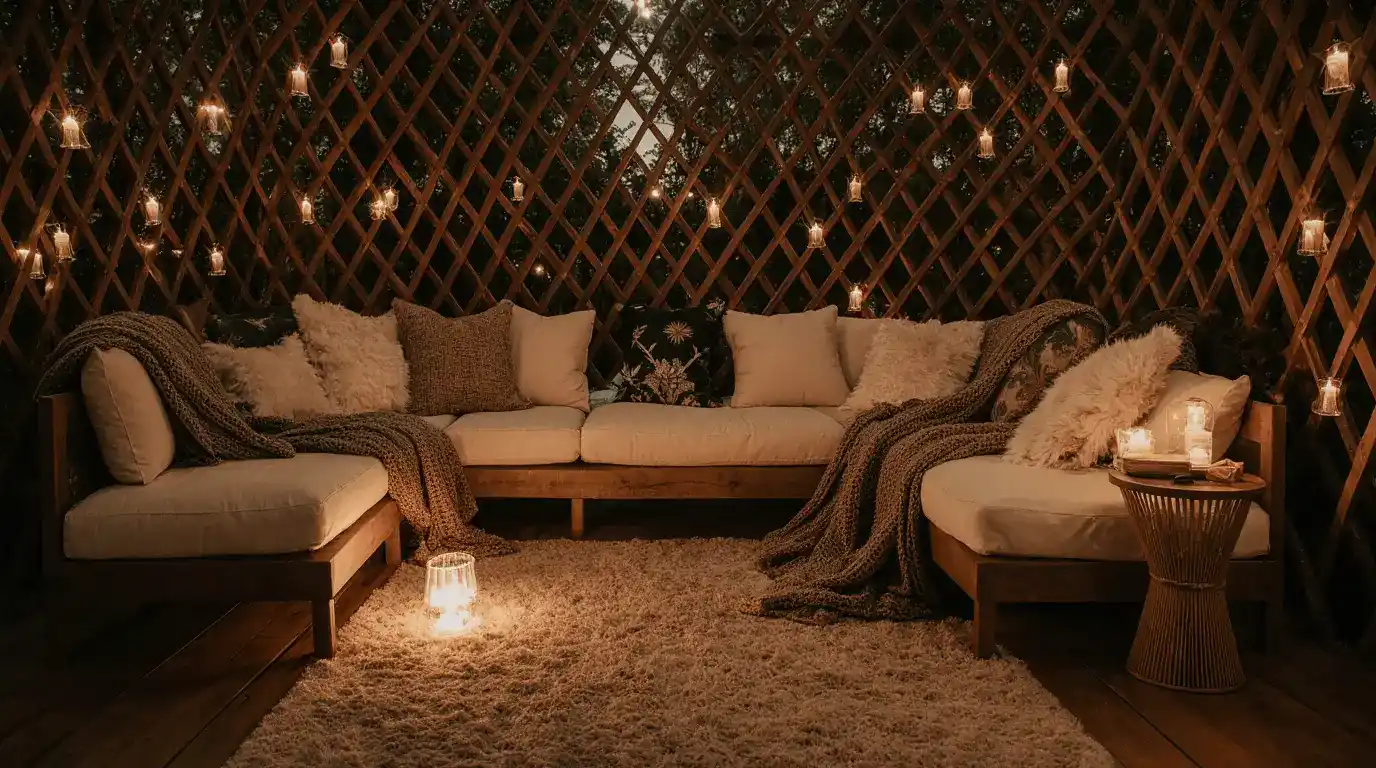
Minimalist Tree House Interior Approach
Minimalism works exceptionally well in elevated spaces. Limit décor to essentials and focus on craftsmanship, materials, and clean visual lines to avoid clutter.
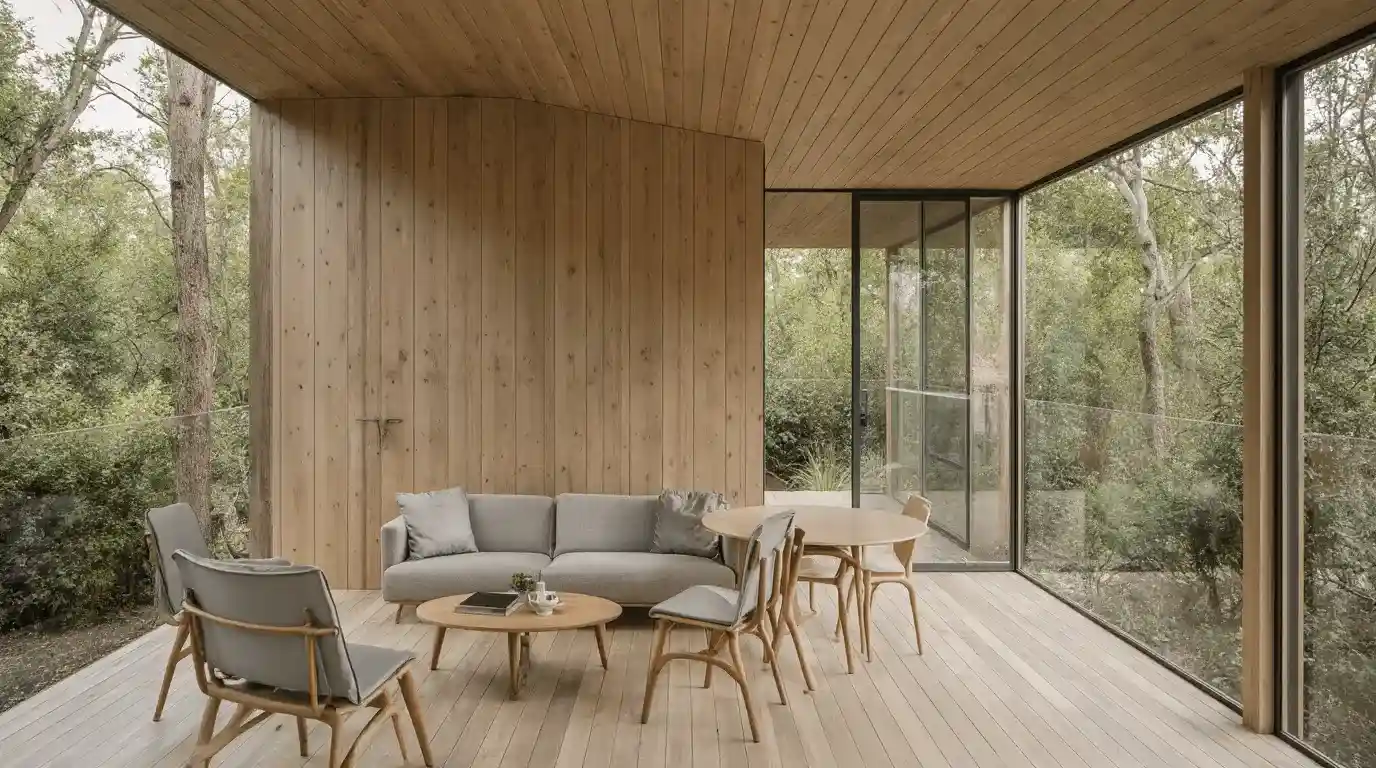
Tree House Interior Storage Solutions
Storage should be integrated into walls, floors, and seating. Hidden compartments and vertical shelving maximize usability without disrupting the visual flow.
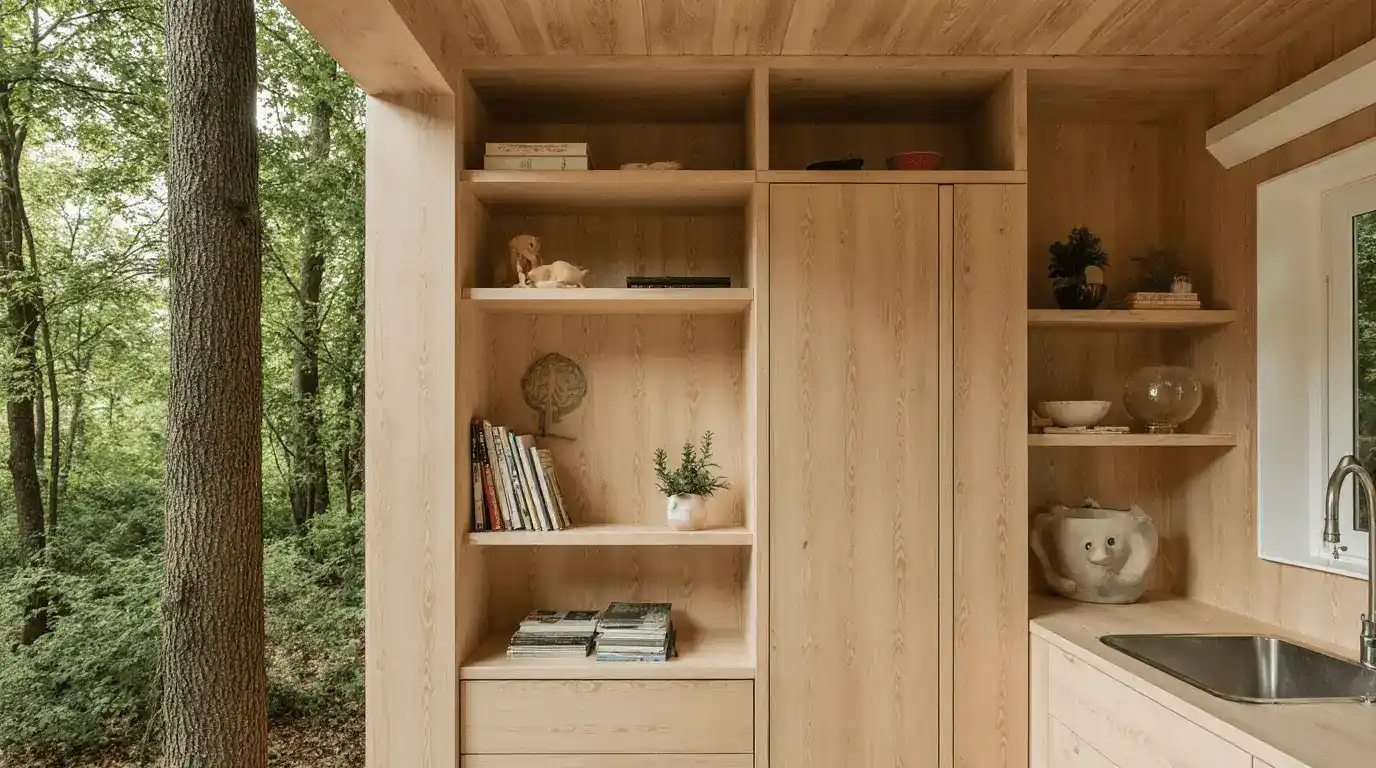
Natural Materials in Tree House Interior
Using wood, bamboo, linen, and stone strengthens the connection between the interior and its environment. These materials age beautifully and enhance authenticity.
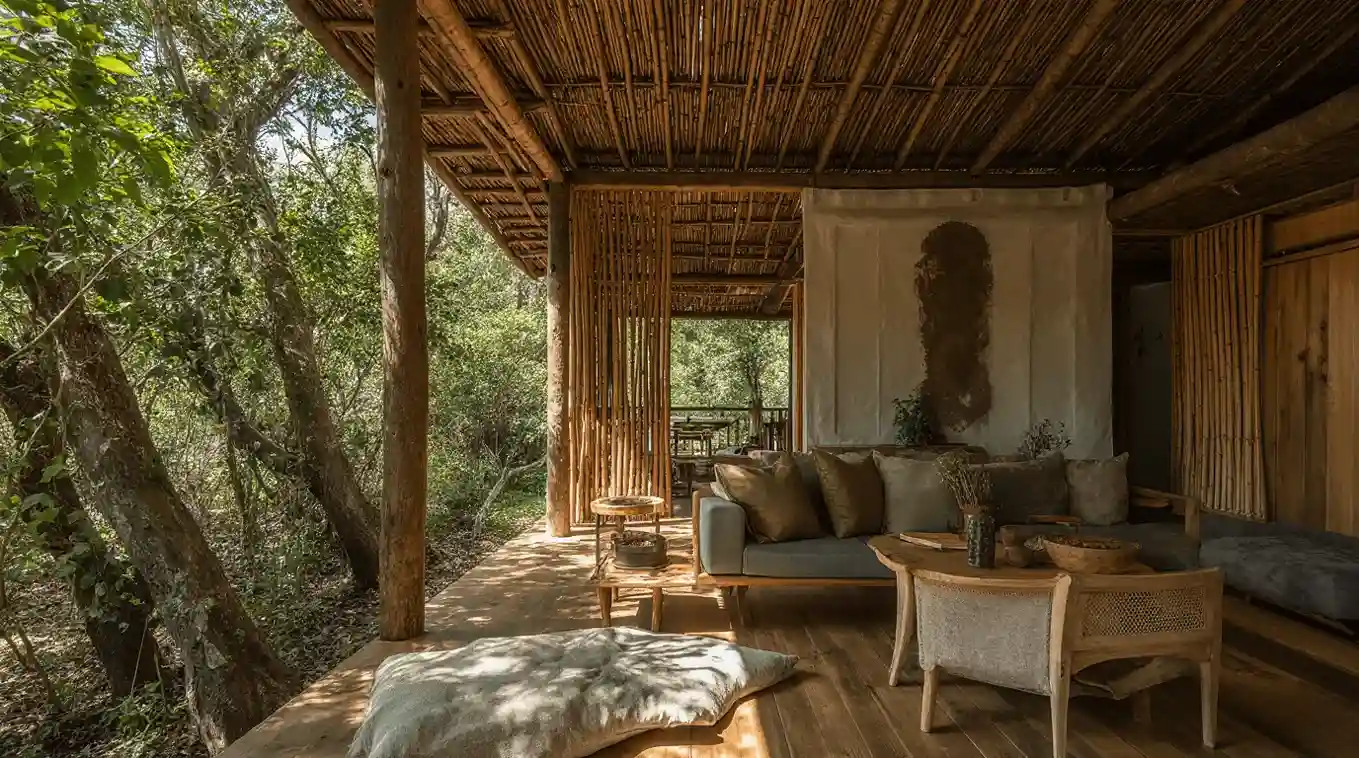
Tree House Interior Color Palettes
Soft neutrals, greens, and warm browns reflect the surrounding landscape. Avoid overly bold colors that compete with the natural setting outside.
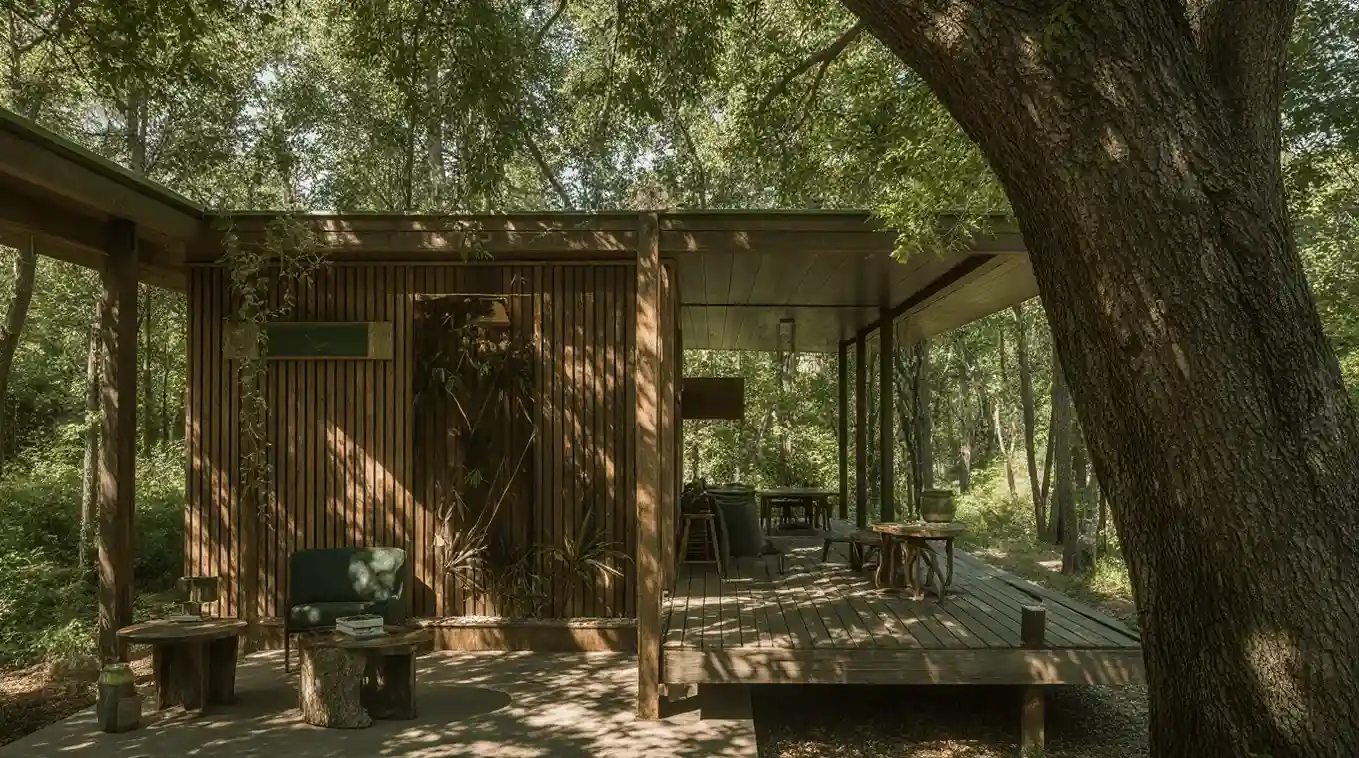
Tree House Interior Windows and Views
Windows are more than functional—they frame the outdoors. Large openings create a seamless visual connection with the trees, sky, and changing seasons.
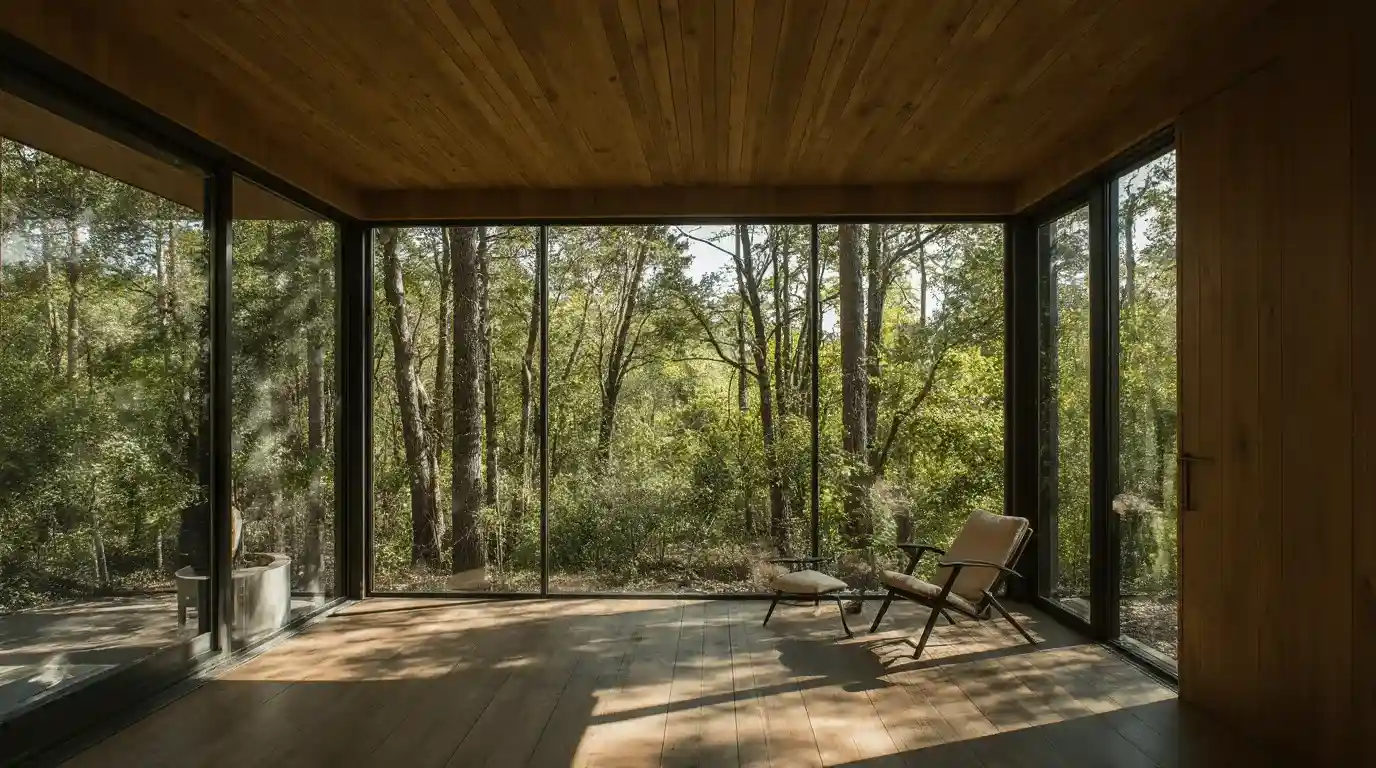
Kids’ Tree House Interior Ideas
For children, safety and imagination come first. Add playful elements like loft beds, chalkboard walls, and bright accents while maintaining durability and comfort.
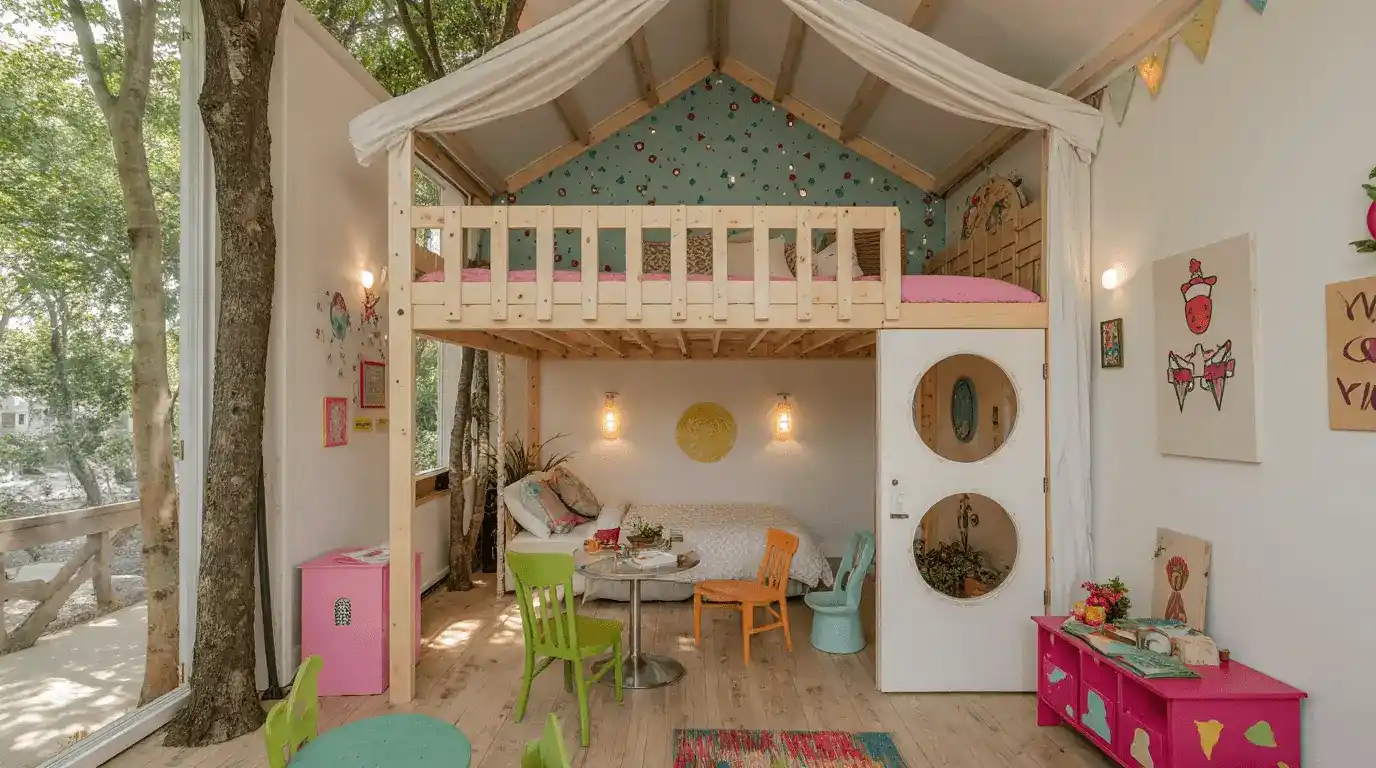
Luxury Tree House Interior Design
Luxury interiors elevate the experience with high-quality finishes, custom furniture, and refined details. Even small spaces can feel premium with thoughtful craftsmanship.
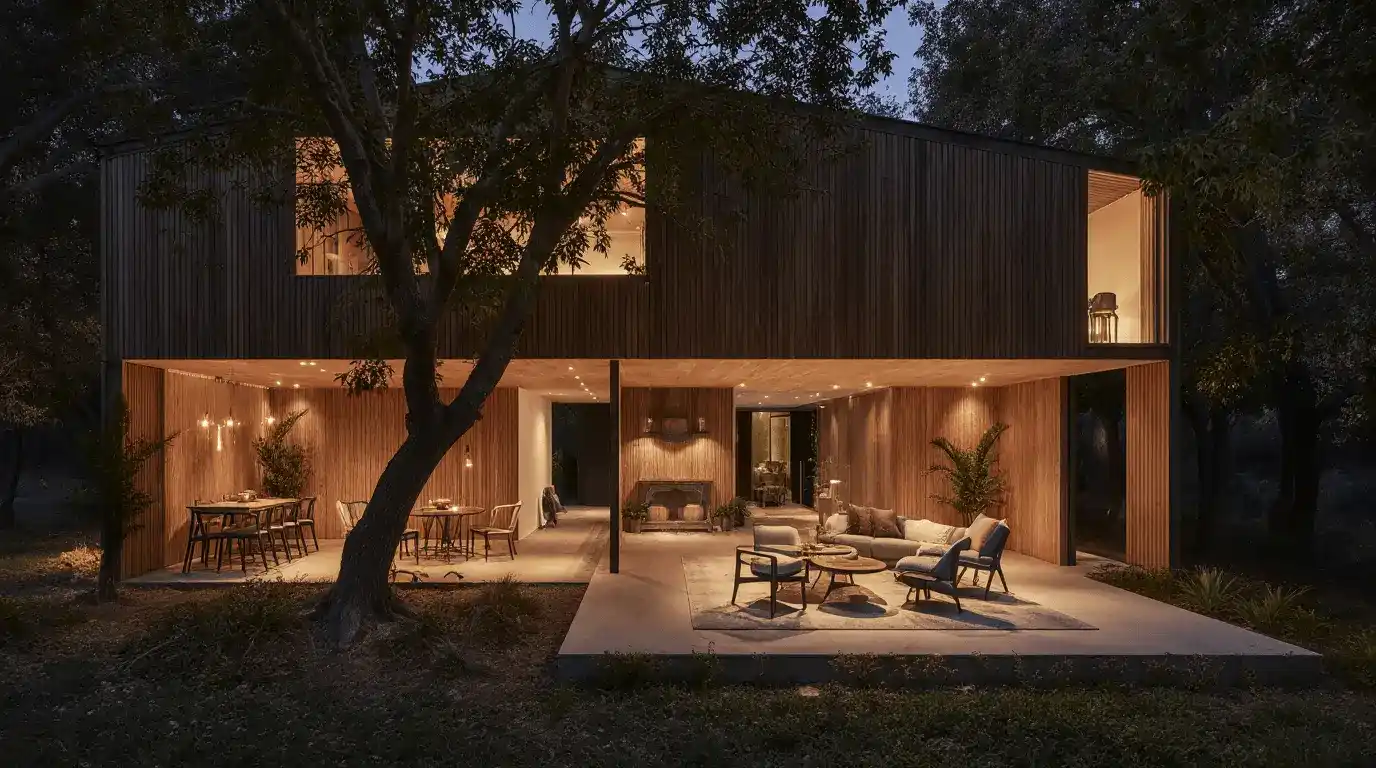
Simple Tree House Interior Designs
Simplicity focuses on function and ease of maintenance. Clean layouts, essential furniture, and natural light define this practical approach.
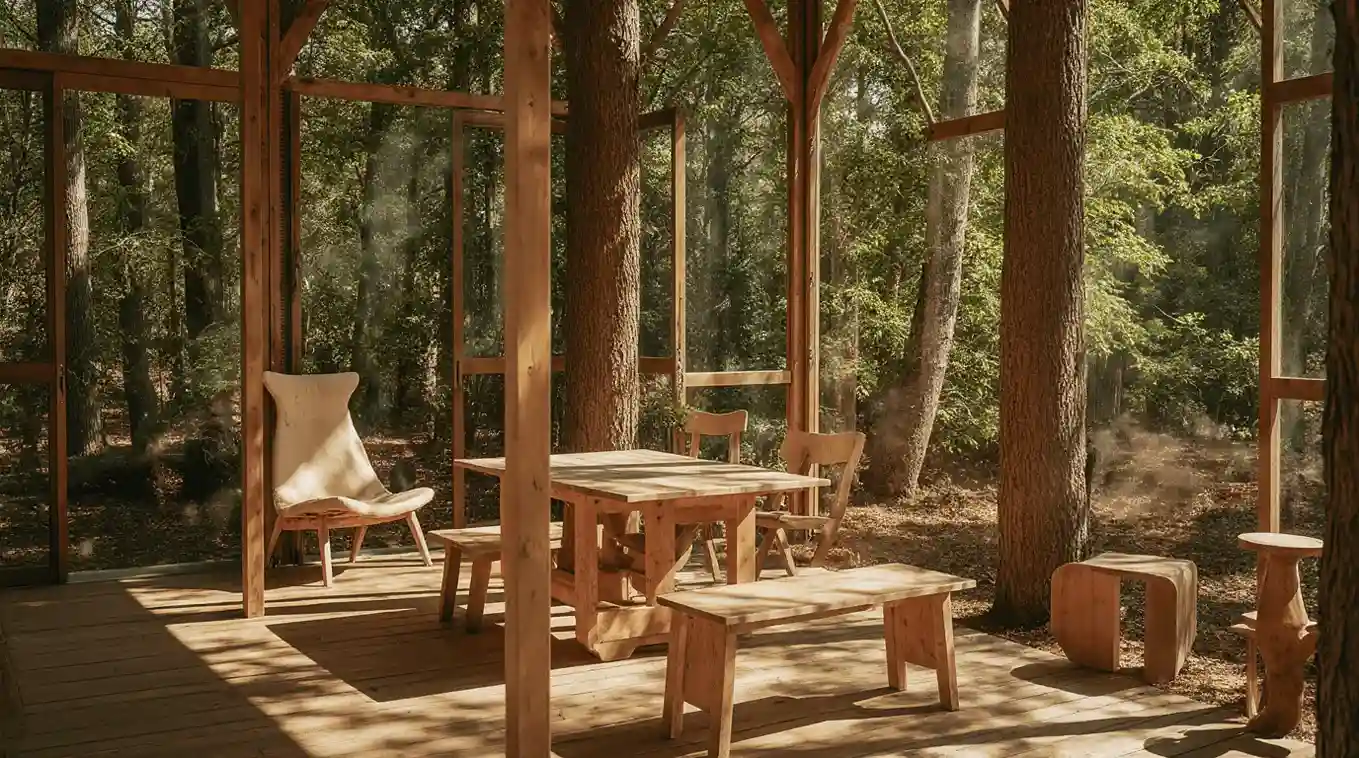
Tree House Interior Flooring Options
Flooring should be durable and comfortable underfoot. Wood planks, cork, or layered rugs help insulate the space and improve comfort.
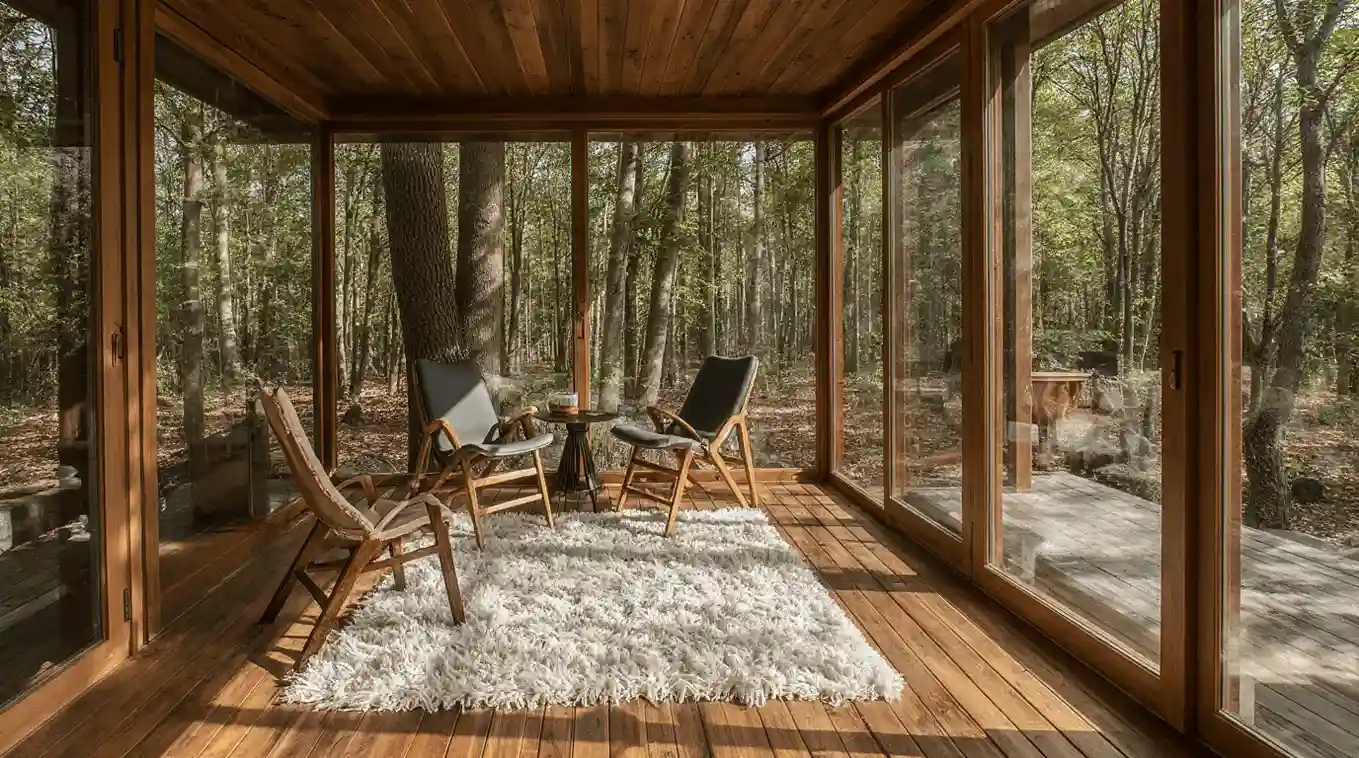
Eco-Friendly Tree House Interior Design
Sustainability enhances the authenticity of the space. Use reclaimed materials, energy-efficient lighting, and low-impact finishes to reduce environmental impact.
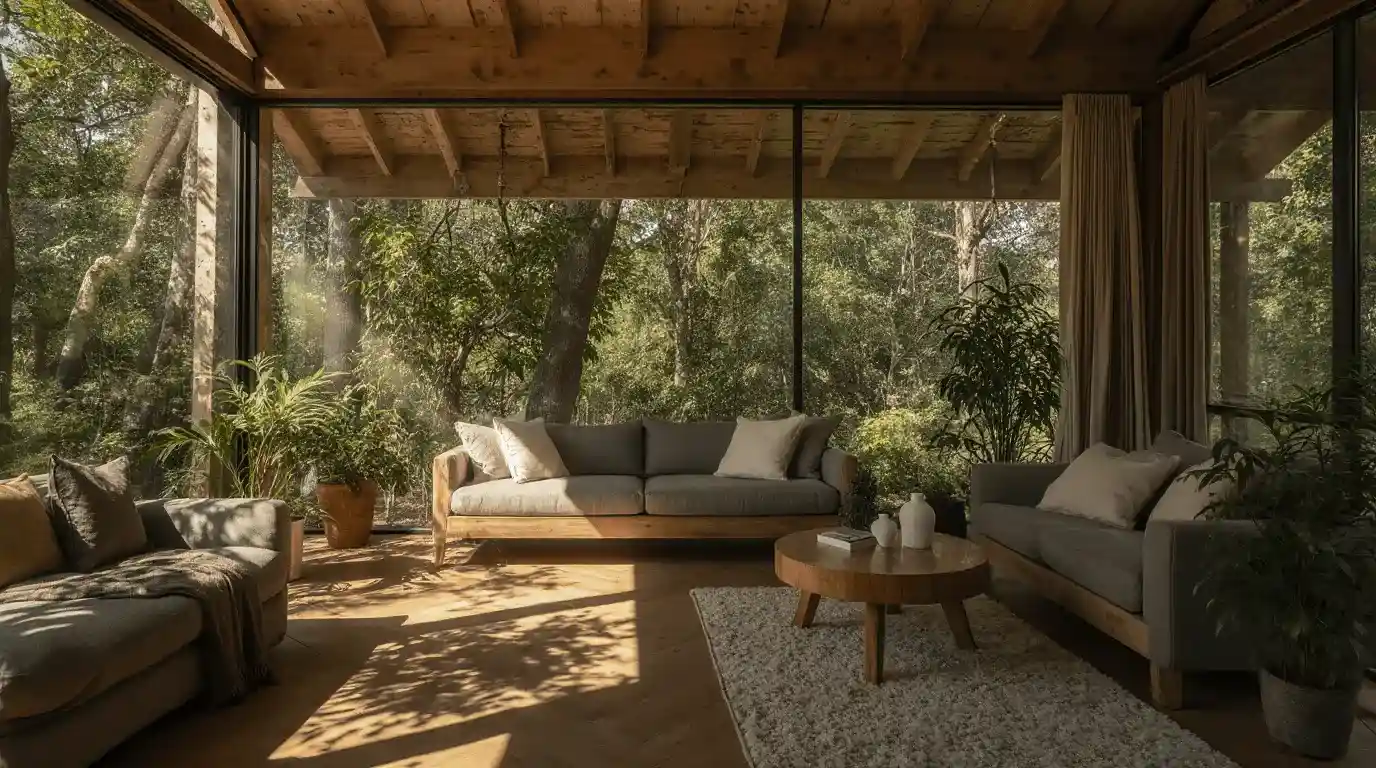
Tree House Interior Seating Arrangements
Seating should adapt to the compact layout. Built-in benches, window seats, and multi-functional furniture maximize comfort without taking up excess space.
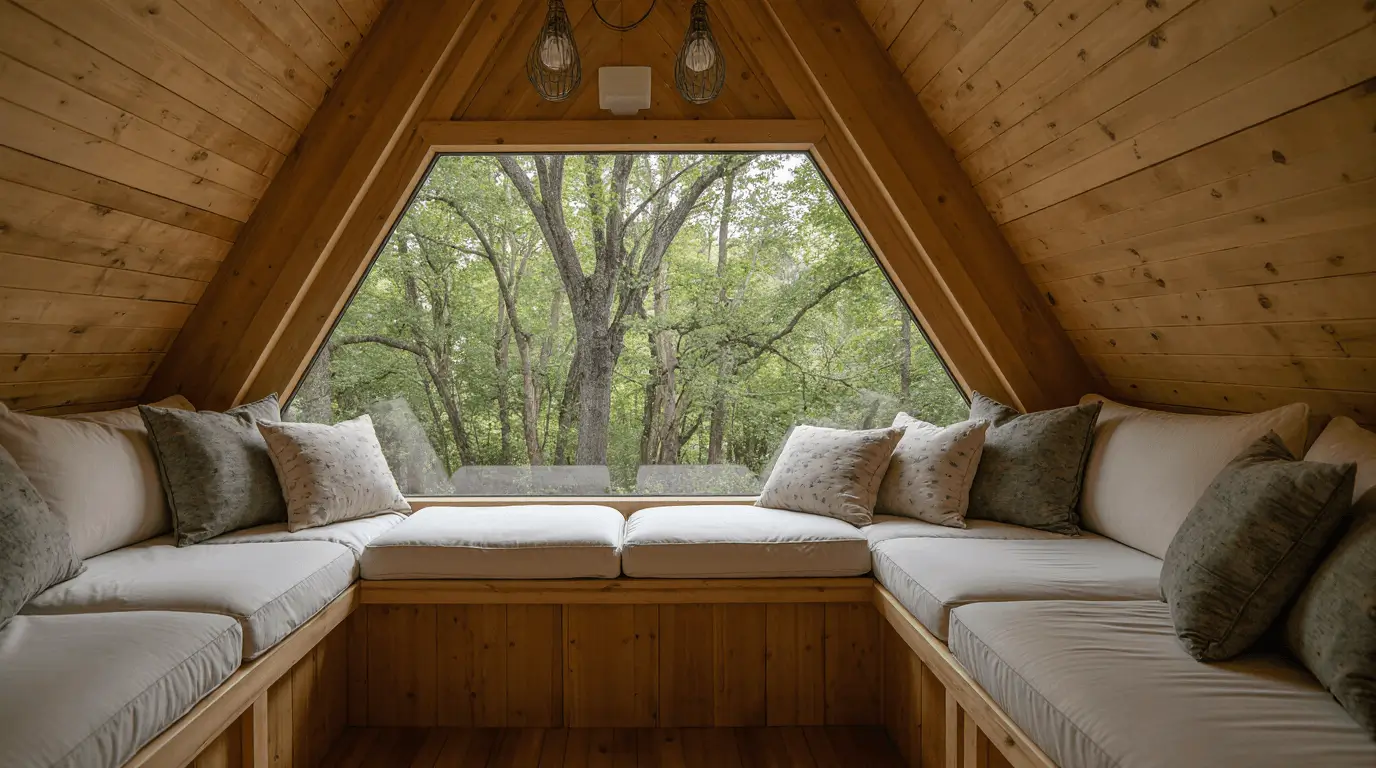
Tree House Interior Ceiling Design
Ceilings often follow the shape of the structure, creating unique visual interest. Highlight beams or add subtle lighting to emphasize architectural character.
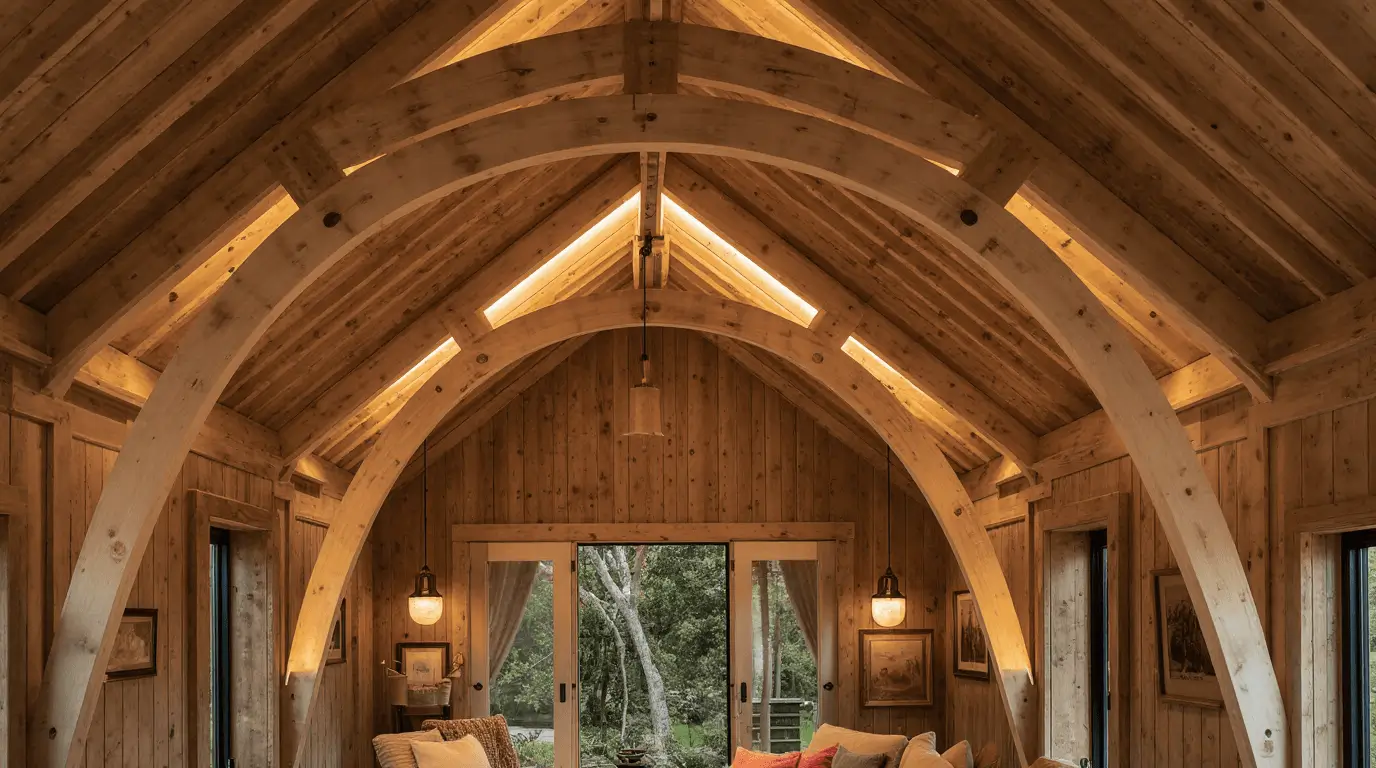
Tree House Interior Décor Accents
Decor should remain intentional and minimal—plants, handmade items, and subtle artwork enhance personality without overwhelming the space.
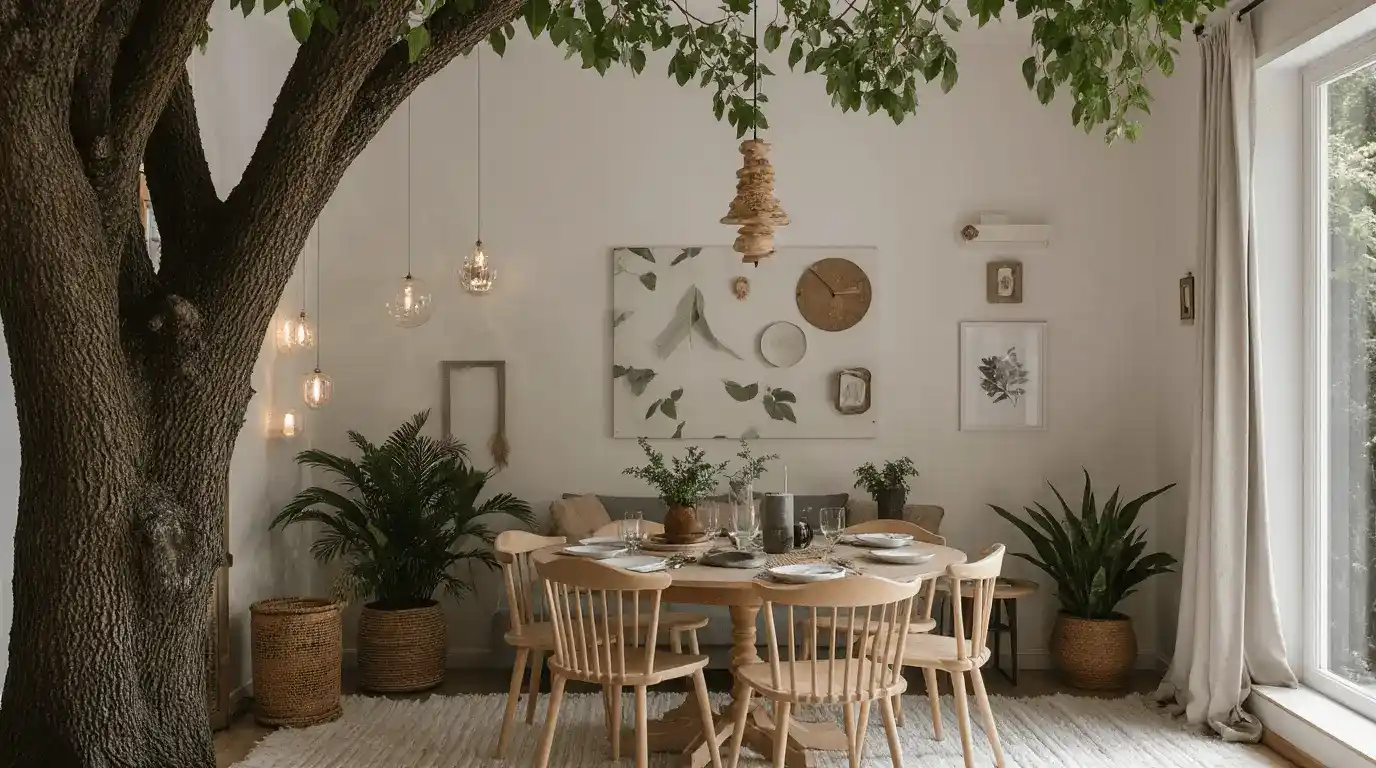
Conclusion: Bringing Purpose and Personality to a Tree House Interior
A well-designed tree house interior is more than a charming idea—it’s a thoughtful exercise in balancing space, comfort, and connection to nature. The most successful interiors don’t rely on size or luxury; they rely on intentional choices. From smart layouts and built-in storage to natural materials and soft lighting, every detail contributes to a space that feels both functional and emotionally grounding.
In practice, these interiors work because they respect the structure they live within. Instead of forcing conventional design rules into a compact space, they adapt—embracing simplicity, prioritizing usability, and enhancing the surrounding environment rather than competing with it. Whether you’re creating a quiet retreat, a playful hideaway for children, or a refined elevated studio, the principles remain the same: keep it purposeful, keep it connected, and keep it comfortable.
For anyone planning their own treehouse, start with clarity. Define how you want the space to feel and function, then build your design decisions around that vision. Even modest upgrades—better lighting, smarter storage, or warmer textures—can dramatically improve the experience. When done right, a tree house interior becomes more than a structure in the trees; it becomes a place people genuinely want to spend time in.
Learn more : Interior Caravan Ideas That Transform Small Spaces
FAQs About Tree House Interior Design
- What is the most important factor when designing a tree house interior?
Functionality comes first. Because space is limited, every element should serve a clear purpose. Prioritize layout, movement, and multi-use features before focusing on decorative details. - How can I make a small tree house interior feel bigger?
Use light colors, maximize natural light, and keep furniture minimal. Built-in storage and vertical design solutions help free up floor space, making the interior feel more open and breathable. - What materials work best for a tree house interior?
Natural materials like wood, bamboo, and linen are ideal. They’re durable, visually cohesive with the outdoor setting, and age gracefully over time while maintaining a warm, organic feel. - How do I ensure the interior stays comfortable year-round?
Focus on insulation, proper ventilation, and layered textiles. Rugs, cushions, and curtains help regulate temperature, while windows and airflow prevent the space from feeling stuffy. - Is it possible to create a modern-style tree house interior?
Absolutely. A modern approach works well when you keep lines clean, use a neutral palette, and limit decorative elements. The contrast between sleek interiors and natural surroundings can feel especially striking. - What type of lighting is best for a tree house interior?
A combination of natural light during the day and warm, soft artificial lighting at night works best. Avoid harsh overhead lights and instead use ambient sources like wall sconces or pendant lamps. - How can I personalize a tree house interior without cluttering it?
Choose a few meaningful décor elements—such as handmade items, plants, or subtle artwork—and let them stand out. Keeping the space curated rather than crowded maintains both style and comfort.
One Response