
Introduction
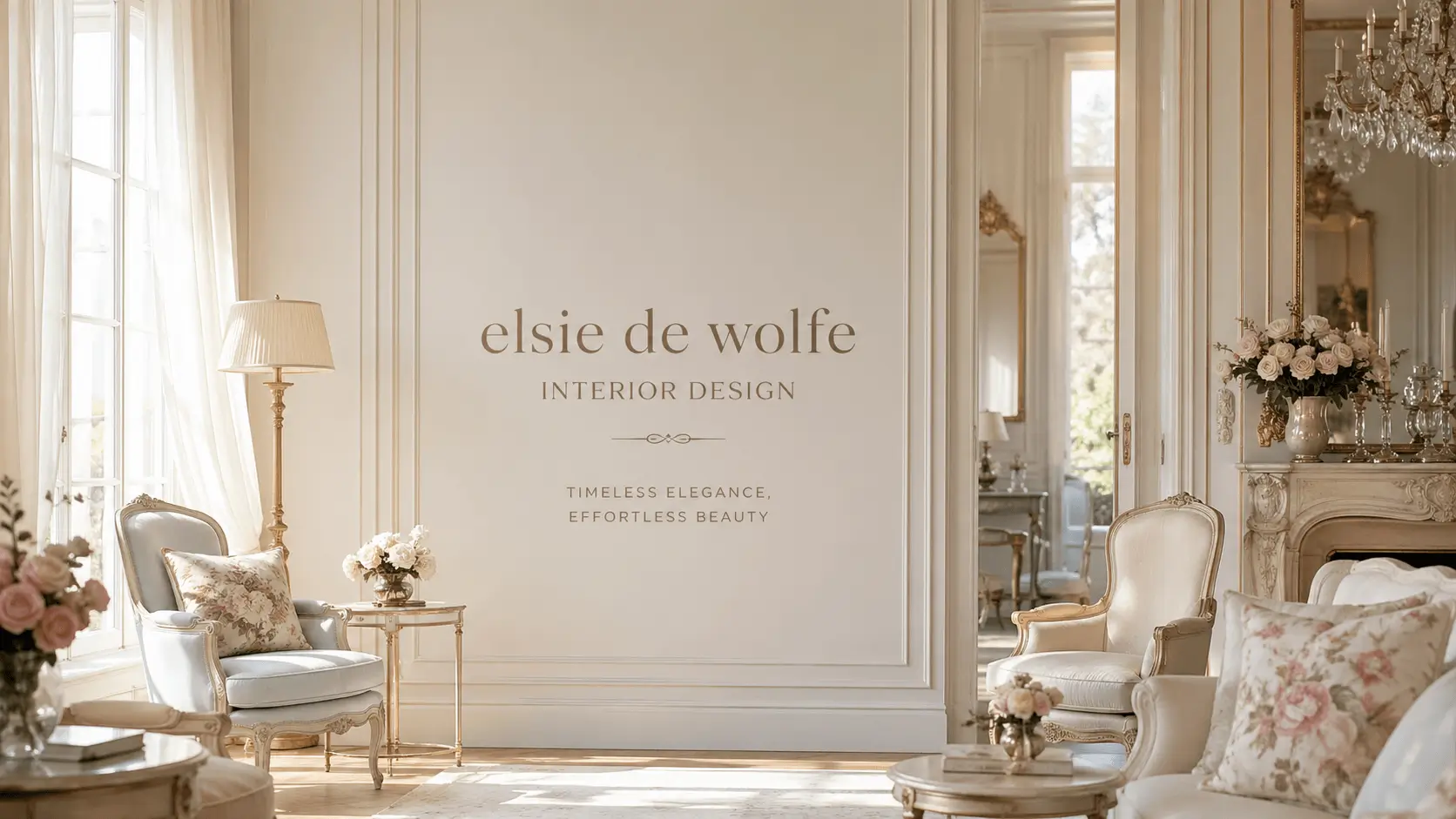
The legacy of elsie de wolfe interior design marks a defining shift from heavy, Victorian excess to light, livable elegance. Often credited as America’s first professional interior decorator, Elsie de Wolfe transformed interiors by prioritizing comfort, symmetry, and a sense of personal refinement. Her philosophy rejected clutter and embraced simplicity long before “modern” became a design buzzword.
Drawing from both European influence and practical living needs, her work feels remarkably current even today. From her redesign of the Colony Club to her residence at Villa Trianon, her interiors consistently balance grace with usability. Designers and homeowners alike continue to reference her principles when creating spaces that feel fresh, timeless, and effortlessly elegant.
Elsie de Wolfe Interior Design Philosophy
Elsie de Wolfe interior design centers on comfort, light, and livability. She believed rooms should support daily life, not overwhelm it. Her approach replaced dark, ornate interiors with breathable, welcoming spaces.
Elsie de Wolfe Interior Design Style Characteristics
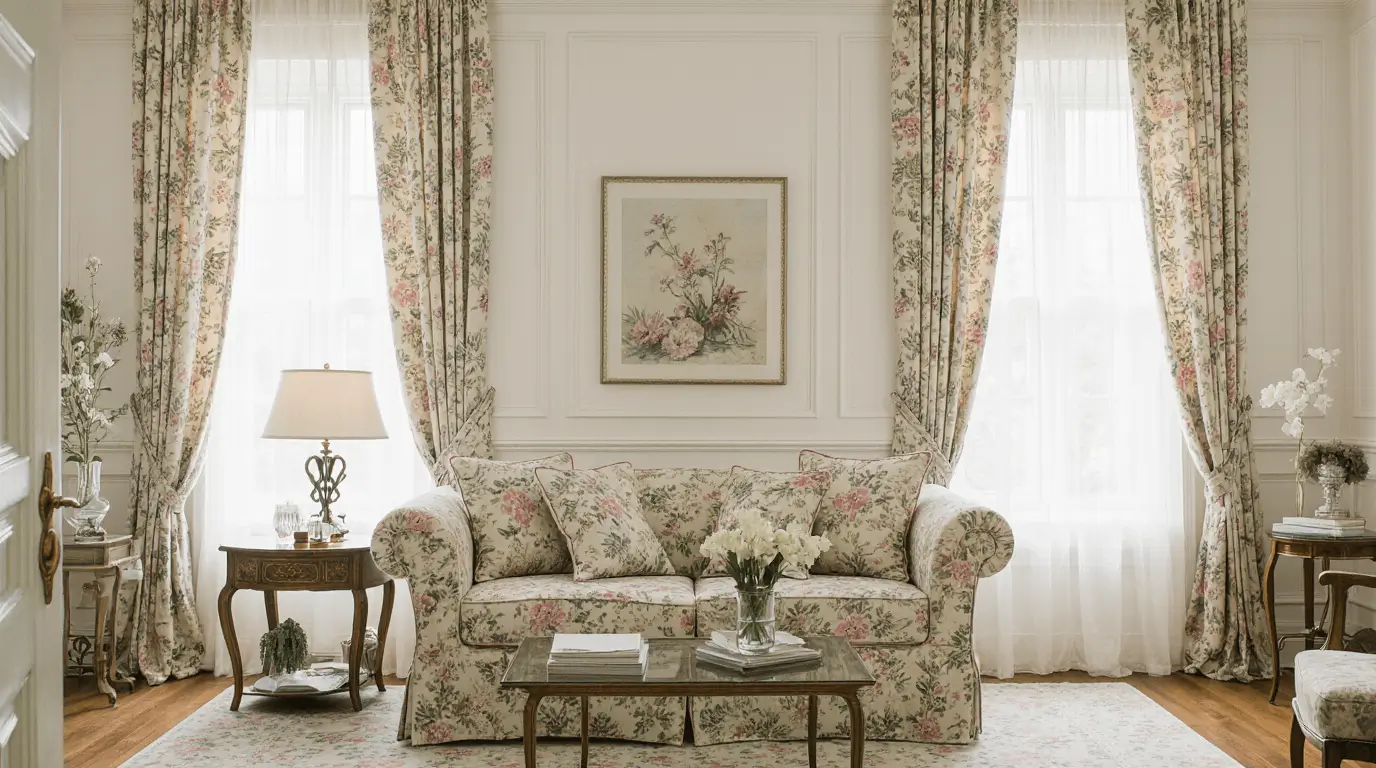
Her style is defined by symmetry, softness, and restraint. Clean layouts paired with feminine details create harmony without excess.
Elsie de Wolfe Interior Design and Light-Filled Spaces
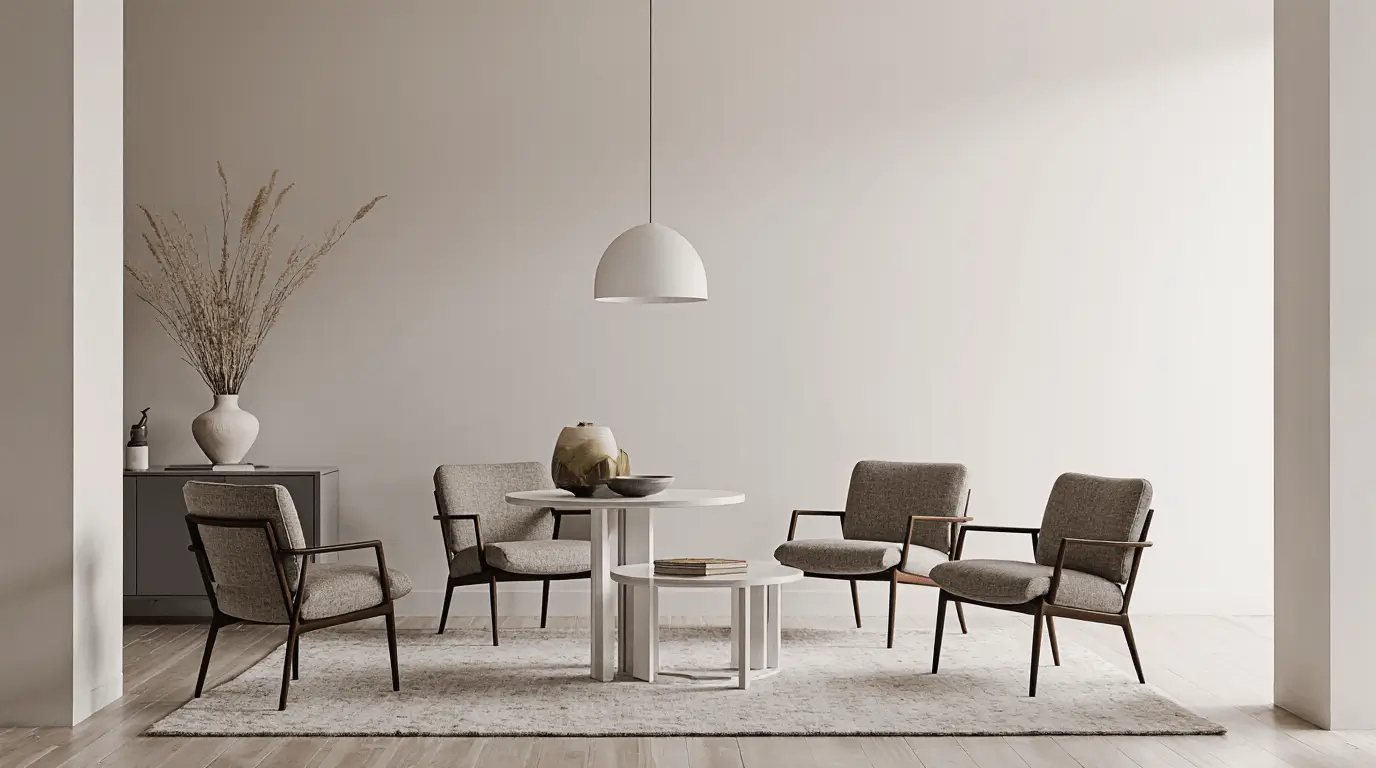
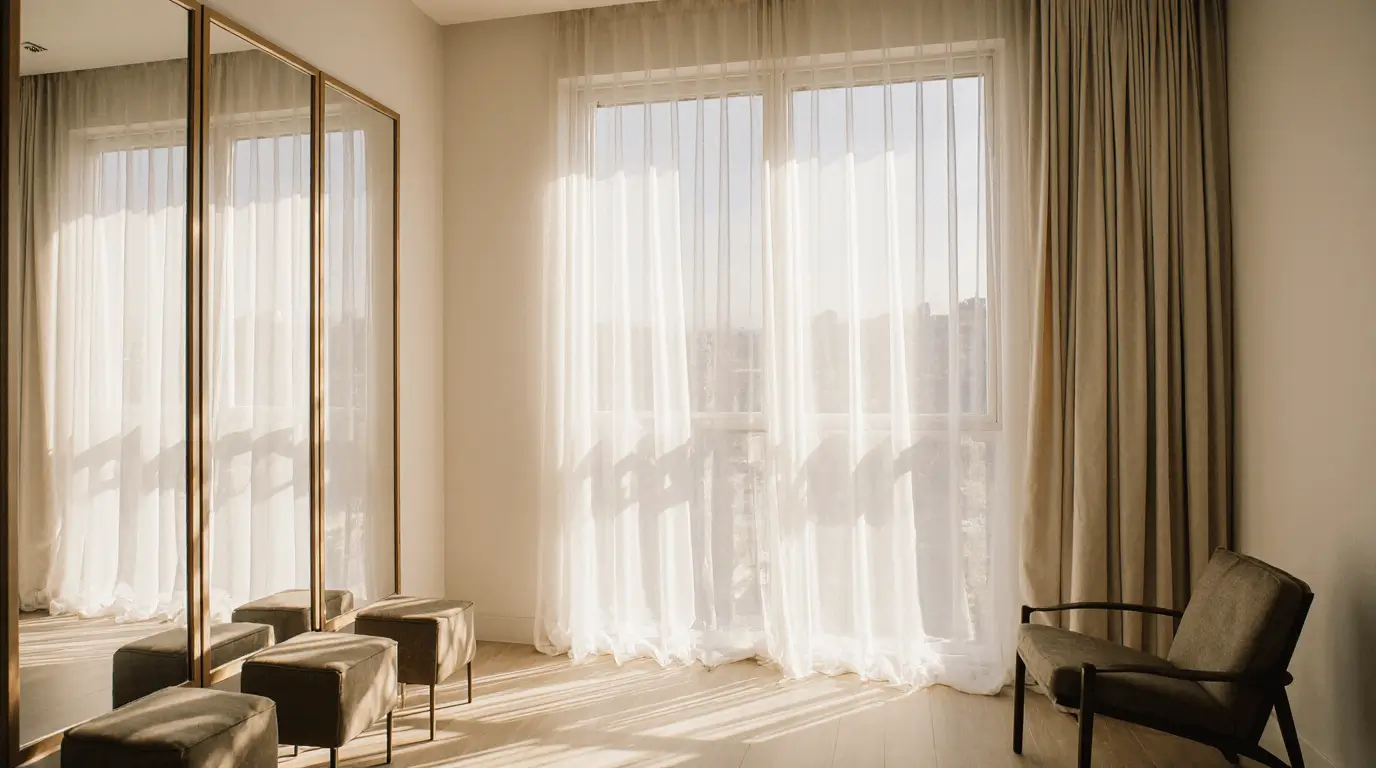
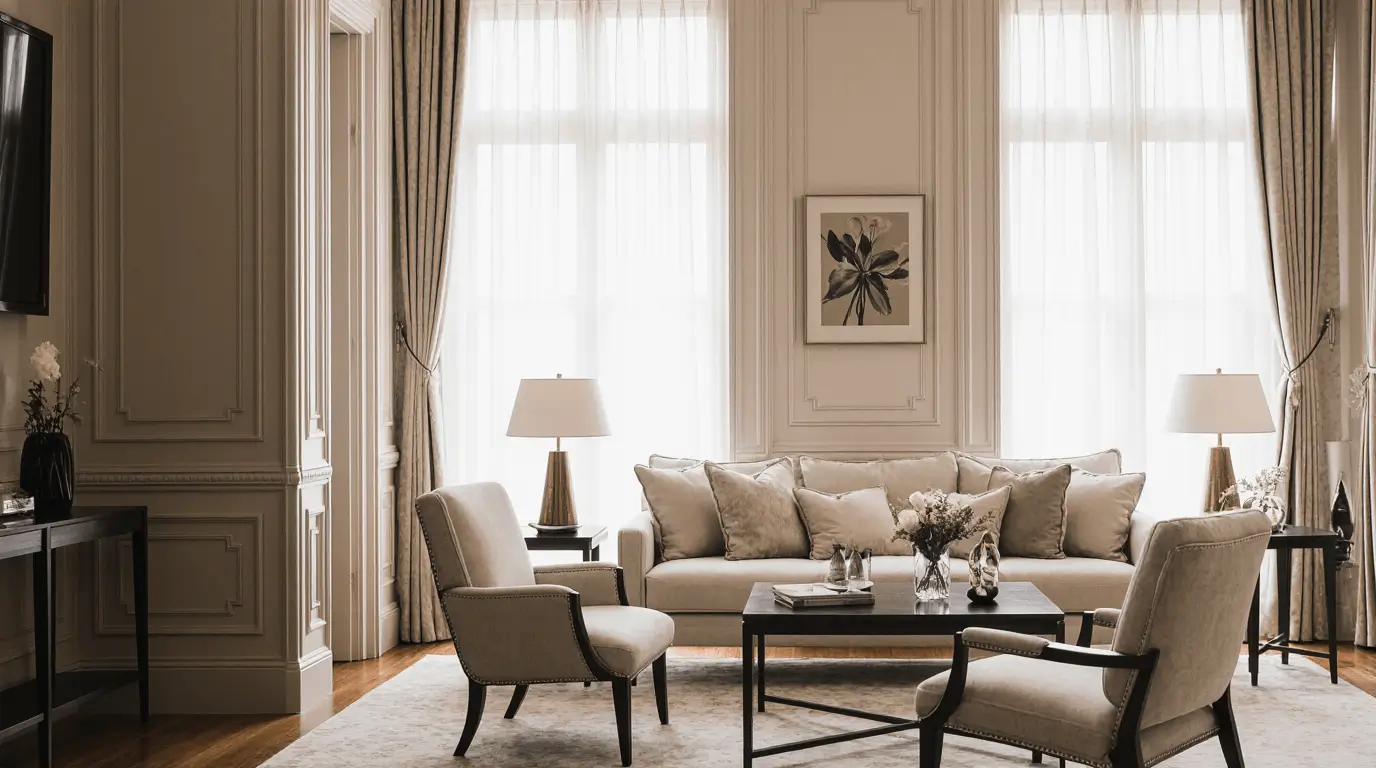
Maximizing natural light was central to her work. She replaced heavy drapes with sheer fabrics and used mirrors to amplify brightness.
Elsie de Wolfe Interior Design and Color Palette
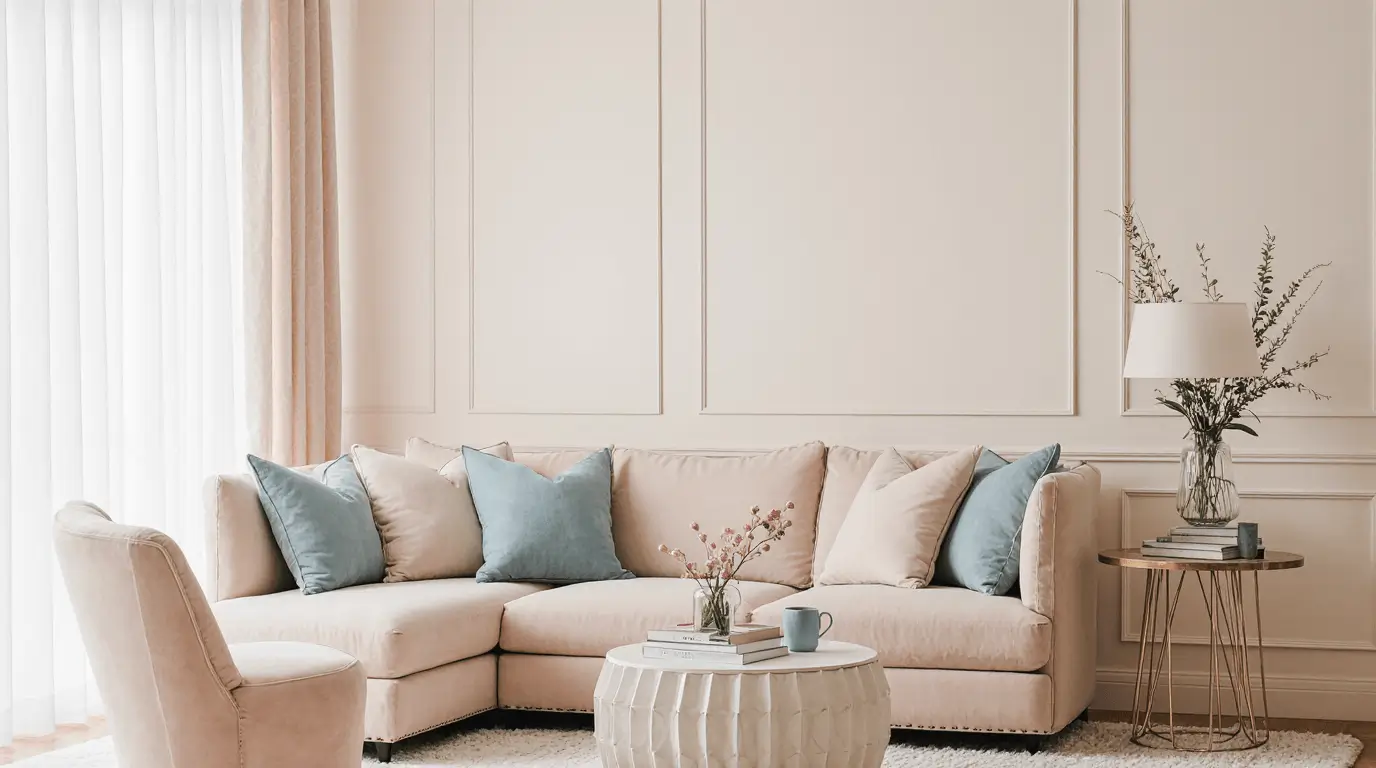
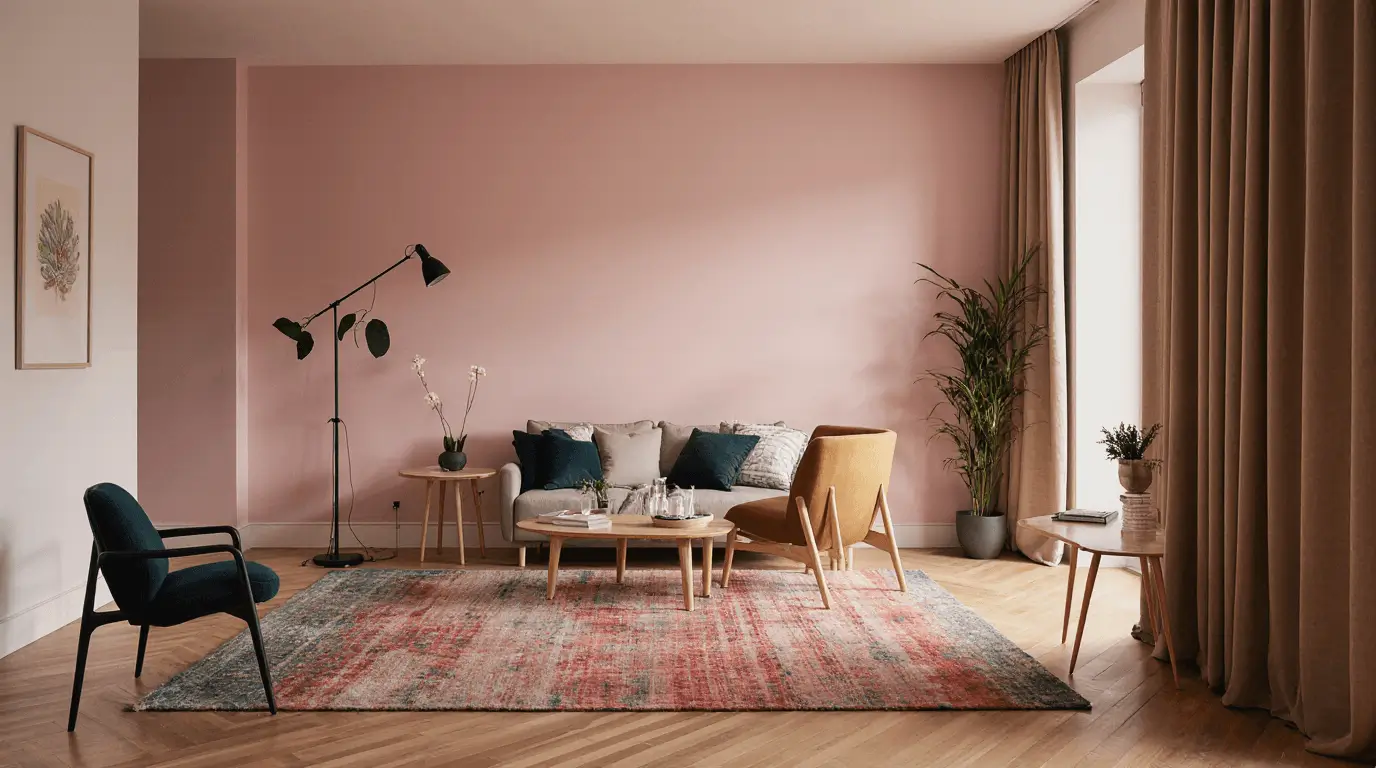
She favored soft tones—cream, pale blue, blush, and light green—to create a sense of openness and serenity.
Elsie de Wolfe Interior Design and French Influence
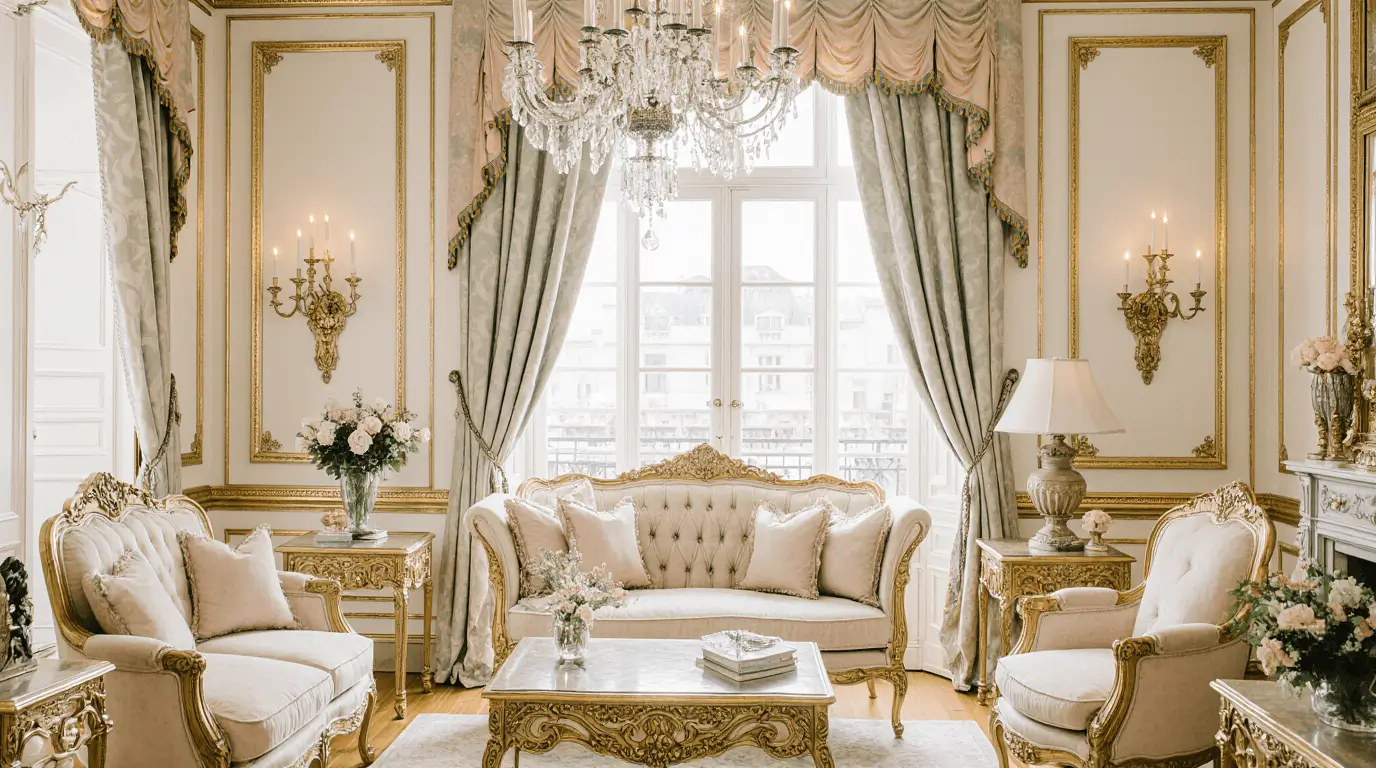
Her time in France shaped her aesthetic deeply. She drew inspiration from 18th-century French interiors, emphasizing elegance and proportion.
Elsie de Wolfe Interior Design and Furniture Selection
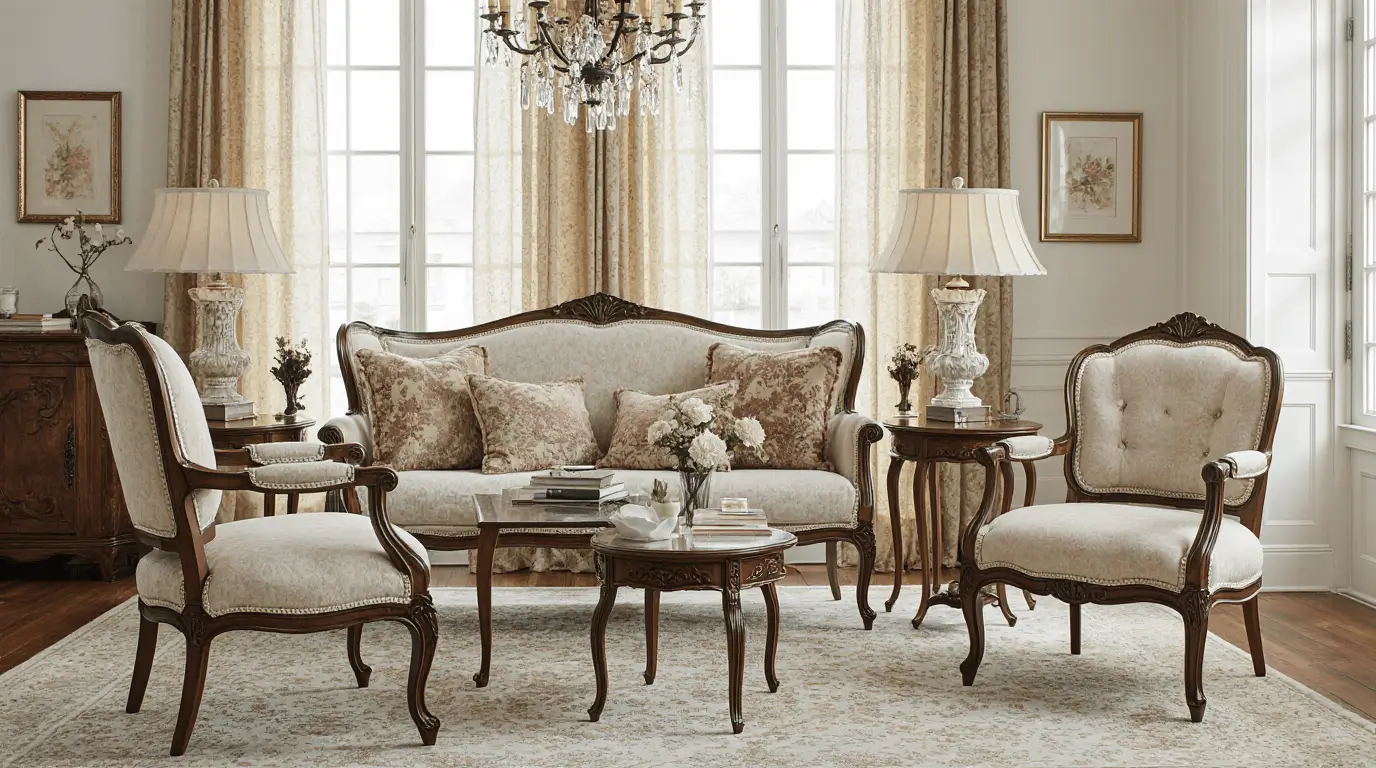
She chose furniture that was both beautiful and functional. Pieces were lighter, smaller in scale, and arranged for conversation.
Elsie de Wolfe Interior Design and Wall Treatments
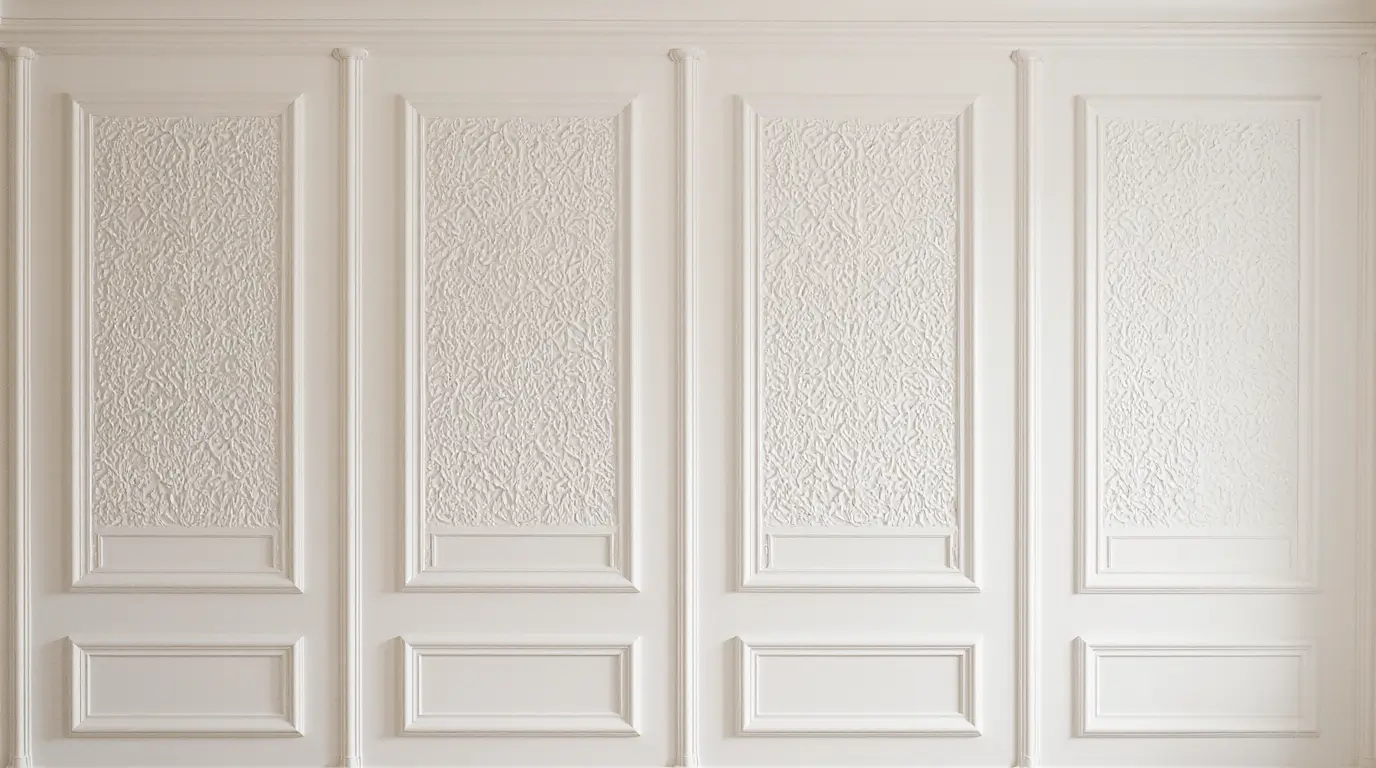
Painted paneling, light wallpapers, and trellis designs replaced heavy wall coverings. Walls became a canvas for subtle beauty.
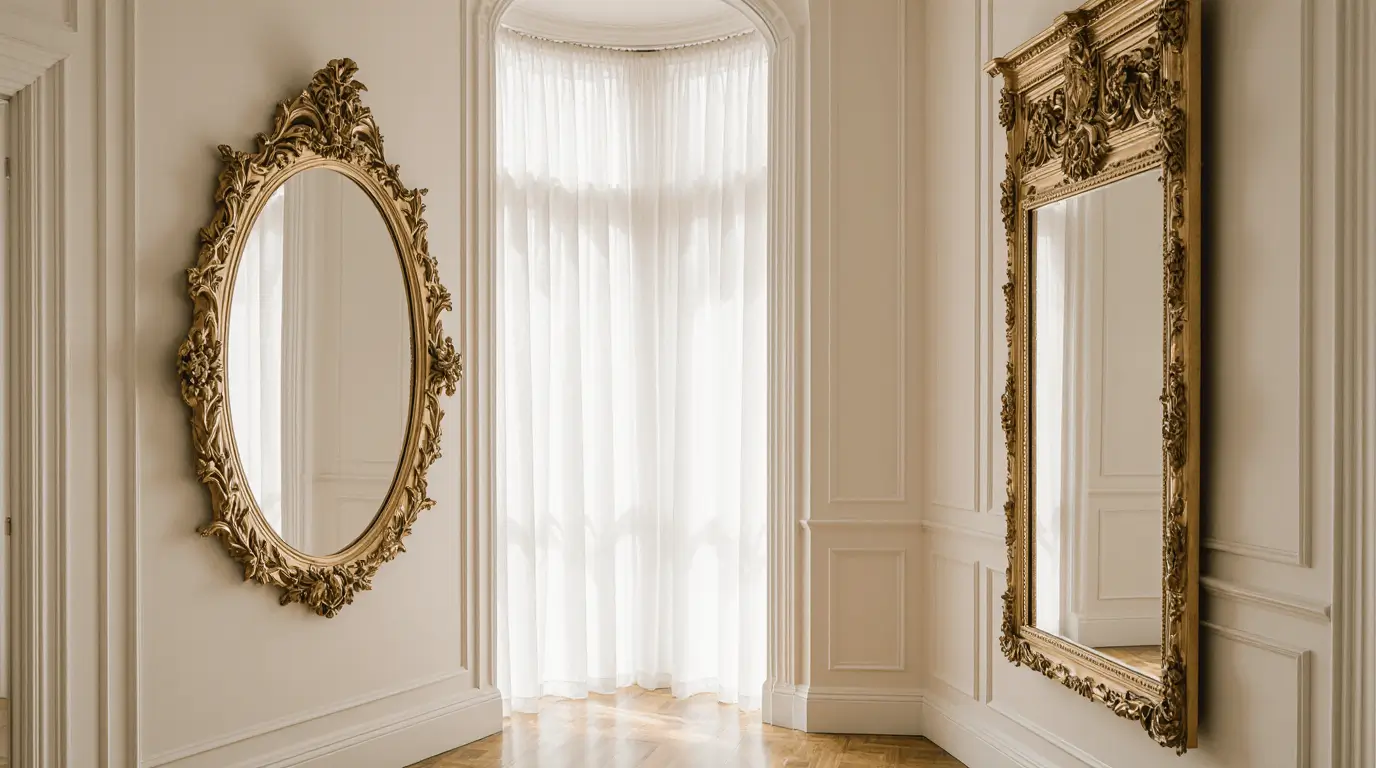
Elsie de Wolfe Interior Design and Mirrors
Mirrors were used strategically to reflect light and expand space visually, adding both function and elegance.
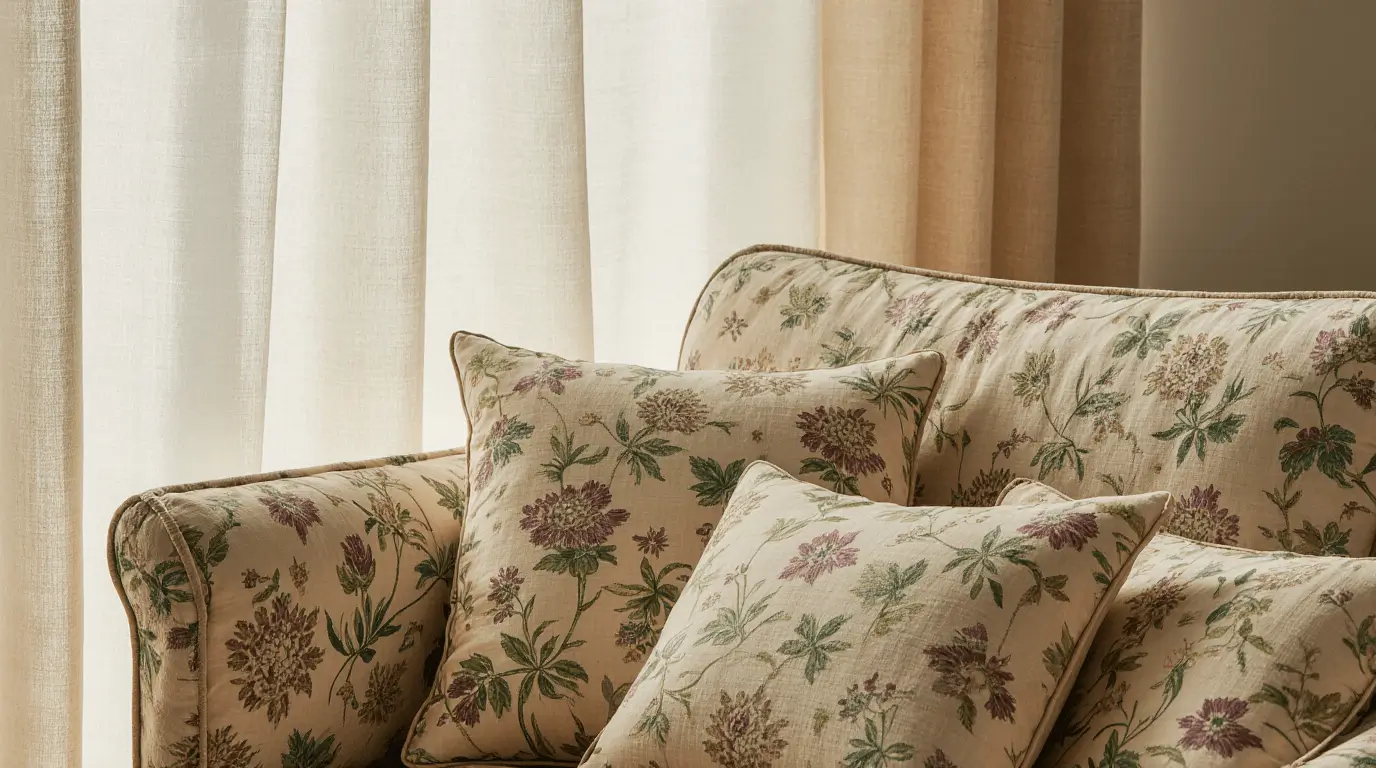
Elsie de Wolfe Interior Design and Textiles
She introduced lighter fabrics such as chintz and linen, replacing heavy velvets with breathable, cheerful materials.
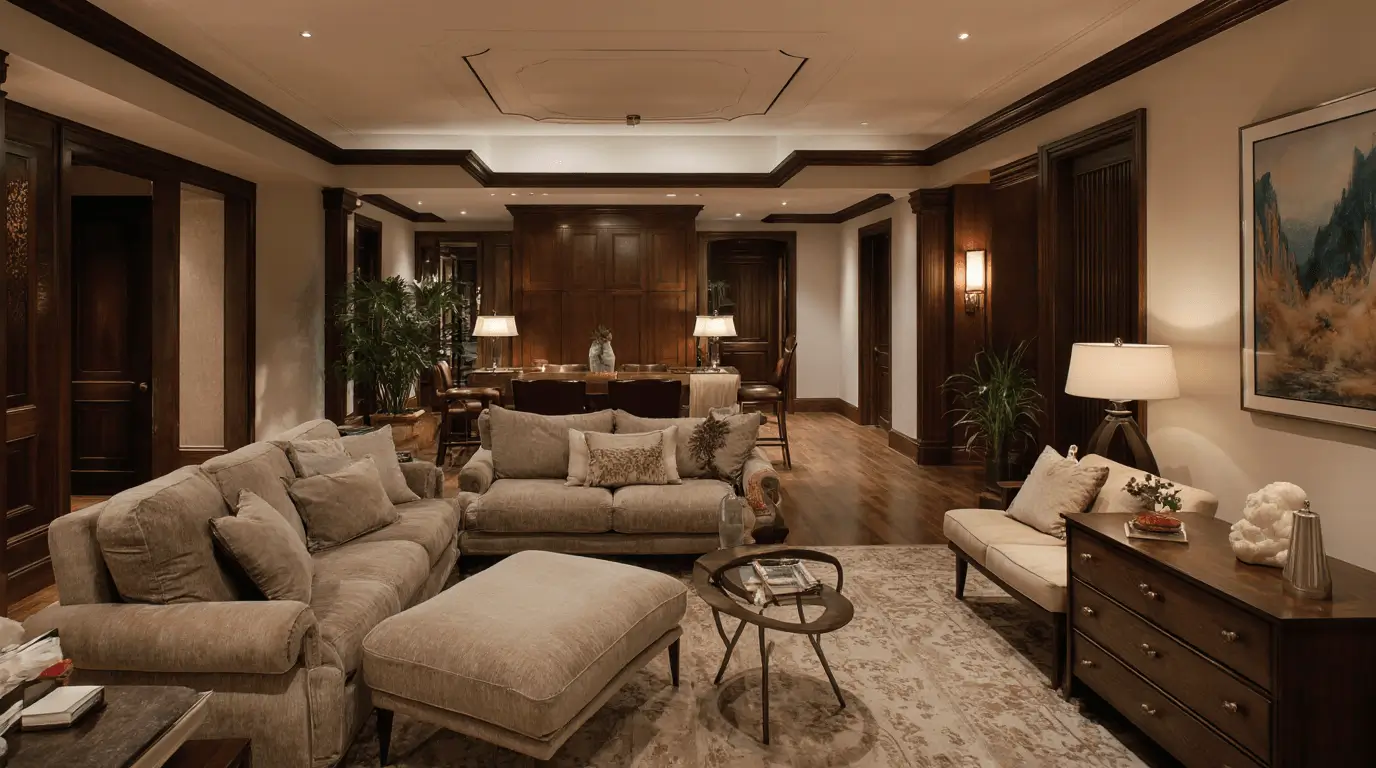
Elsie de Wolfe Interior Design and Comfort
Comfort was non-negotiable in her work. She believed beauty should never come at the expense of usability.
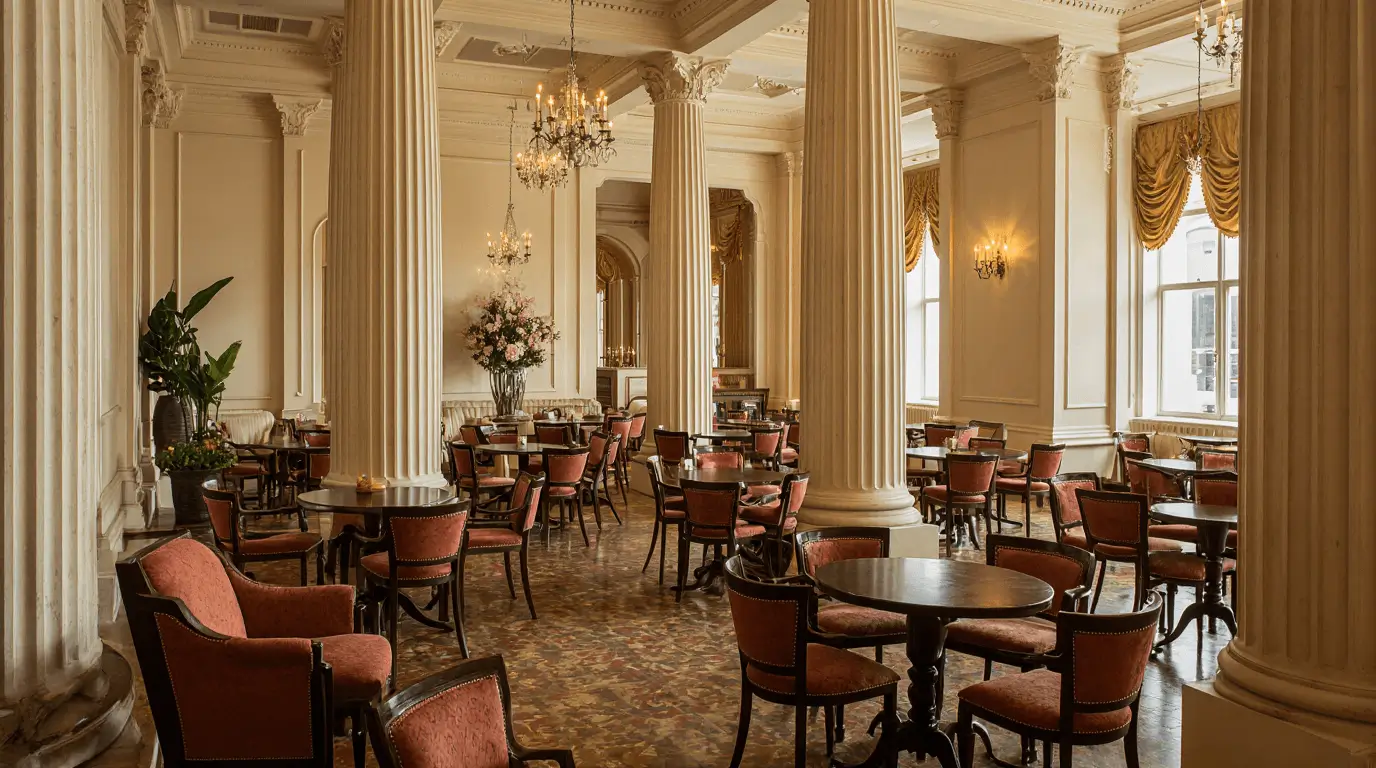
Elsie de Wolfe Interior Design in The Colony Club
Her work at the Colony Club set a new standard for public interiors, introducing lightness and sophistication to a traditionally dark space.
Elsie de Wolfe Interior Design at Villa Trianon
At Villa Trianon, she blended French heritage with her signature lightness, creating a timeless personal retreat.
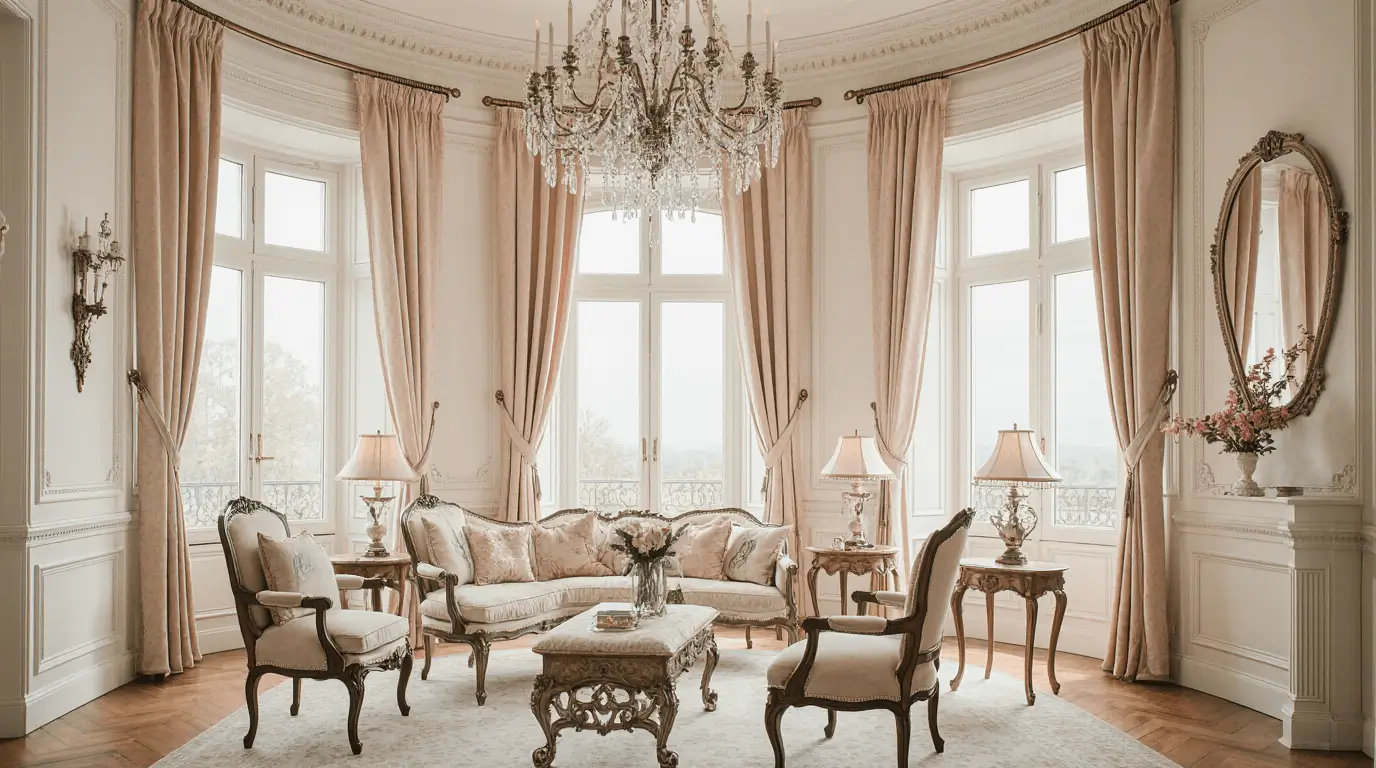
Elsie de Wolfe Interior Design and “The House in Good Taste”
Her book, The House in Good Taste, outlined her philosophy and made her ideas accessible to a wider audience.
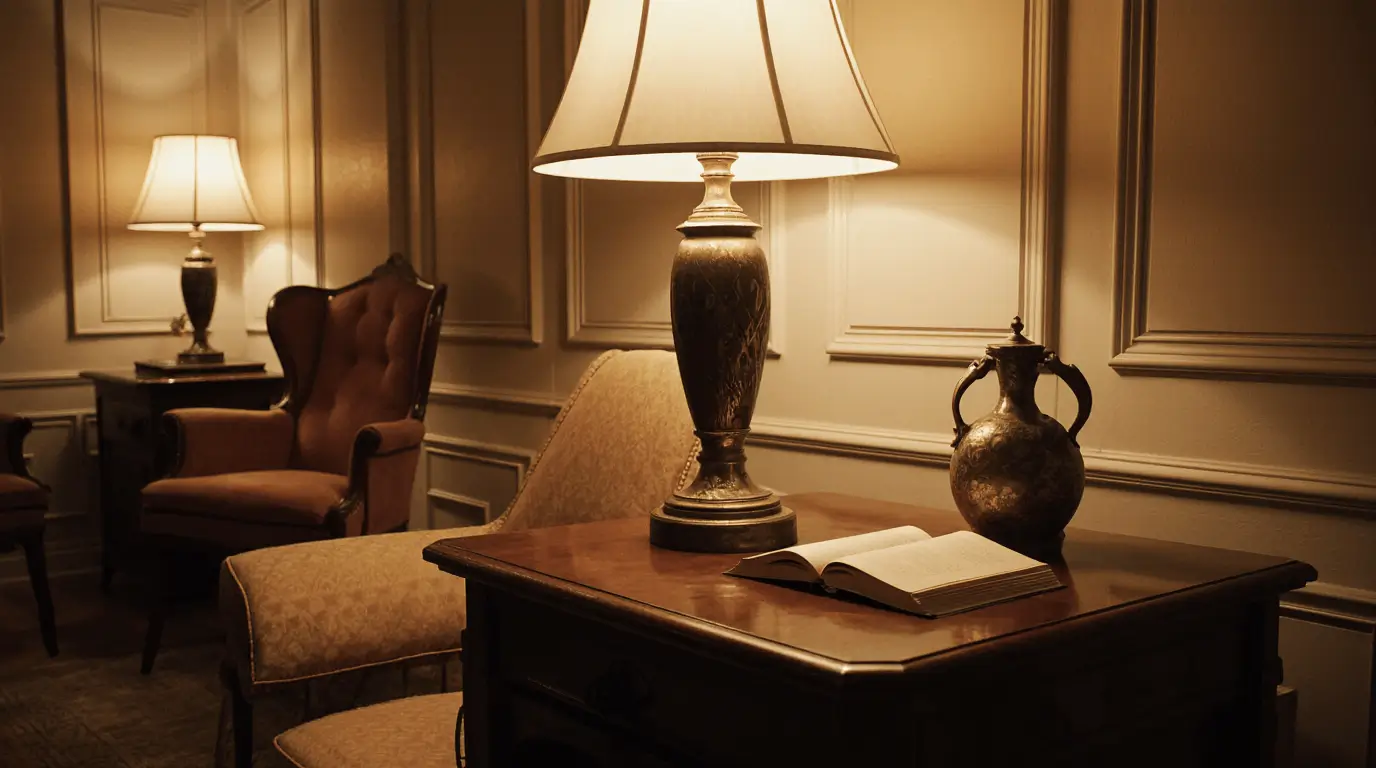
Elsie de Wolfe Interior Design and Modern Relevance
Many of her principles—decluttering, maximizing light, and prioritizing comfort—align perfectly with modern interior trends.
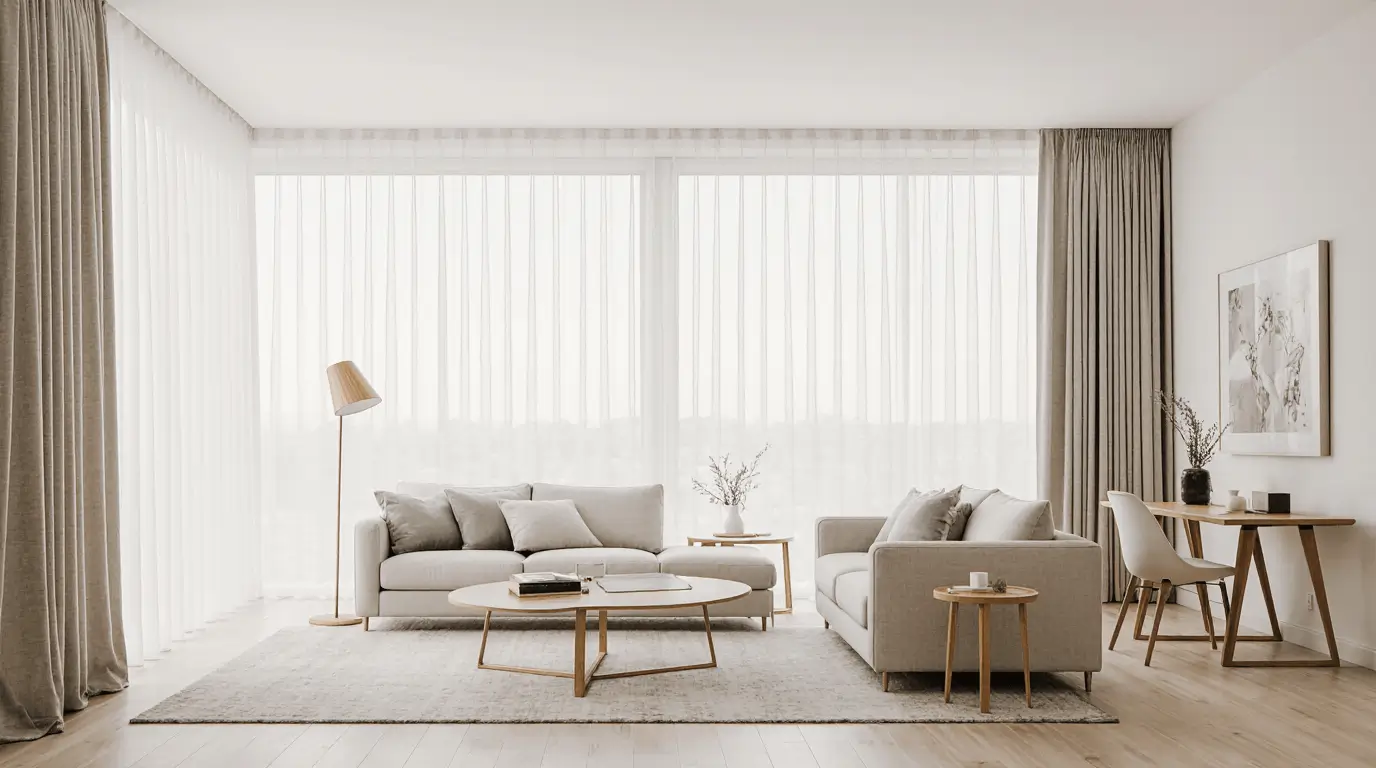
Elsie de Wolfe Interior Design and Feminine Elegance
Her work introduced a softer, more feminine approach to interiors without sacrificing sophistication or structure.
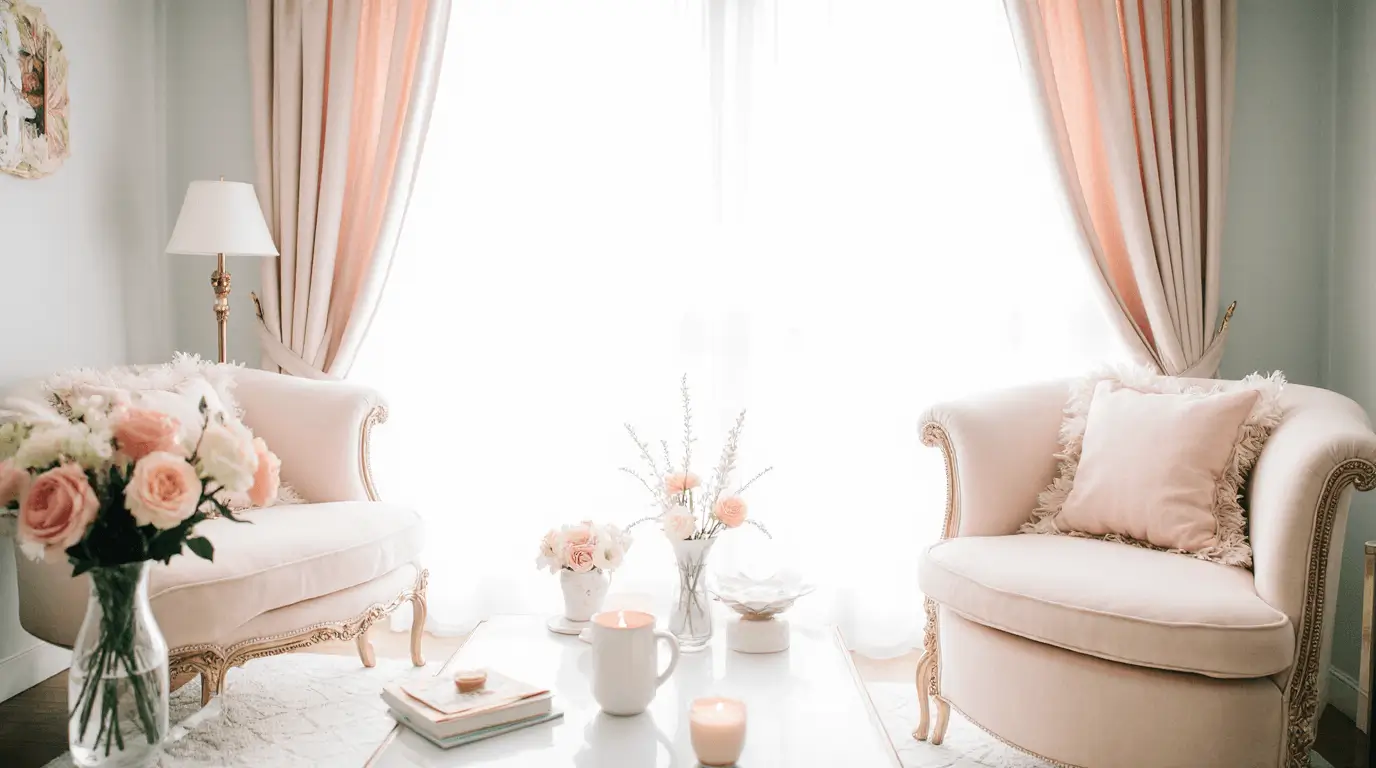
Elsie de Wolfe Interior Design and Spatial Harmony
She carefully balanced scale, proportion, and flow to create rooms that felt cohesive and intuitive.
Elsie de Wolfe Interior Design Legacy
Elsie de Wolfe interior design continues to influence designers worldwide. Her emphasis on light, comfort, and elegance remains foundational in creating timeless interiors.
Conclusion
The enduring influence of elsie de wolfe interior design lies in its quiet confidence—an approach rooted in simplicity, comfort, and thoughtful elegance. Elsie de Wolfe didn’t just change how rooms looked; she reshaped how people experienced them. By replacing heaviness with light, and excess with intention, she created spaces that feel both refined and genuinely livable.
What makes her philosophy so effective is its practicality. Prioritizing natural light, choosing furniture for comfort, and embracing soft, harmonious palettes are not trends—they are principles that consistently improve how a space feels and functions. Whether you’re redesigning a single room or refining an entire home, her approach offers a clear path: remove what overwhelms, enhance what comforts, and design with human experience at the center.
For modern living, her ideas remain remarkably relevant. They suit anyone seeking a calm, elegant environment without unnecessary complexity. By applying even a few of her principles—lighter fabrics, balanced layouts, and intentional décor—you can create interiors that feel timeless, welcoming, and deeply personal.
Learn more : Interior Designers Fulham: Elevate Your Space
FAQs
- What defines Elsie de Wolfe’s interior design style?
Her style is defined by lightness, simplicity, and comfort. She moved away from dark, cluttered interiors and introduced soft colors, airy layouts, and practical elegance that made spaces more livable.
- Why is Elsie de Wolfe considered so influential in interior design?
She is widely regarded as one of the first professional interior decorators. Her work, including projects like the Colony Club, set new standards by proving interiors could be both beautiful and functional.
- How can I apply Elsie de Wolfe interior design principles today?
Start by decluttering, maximizing natural light, and choosing a soft, neutral color palette. Incorporate comfortable furniture and avoid overly heavy fabrics to create a more relaxed and elegant environment.
- What colors are commonly used in her design approach?
She favored light, soothing tones such as cream, pale blue, blush, and soft green. These colors help open up a space and create a calm, welcoming atmosphere.
- Did Elsie de Wolfe draw inspiration from other styles?
Yes, she was heavily influenced by 18th-century French interiors, particularly in her residence at Villa Trianon, where elegance and proportion played a key role.
- Is her design style suitable for modern homes?
Absolutely. Her focus on simplicity, comfort, and light aligns closely with modern design preferences, making her approach easy to adapt in contemporary settings.
- What is the main lesson from Elsie de Wolfe interior design?
The key takeaway is that a well-designed space should feel comfortable and uplifting. By focusing on balance, light, and thoughtful details, you can create interiors that are both timeless and deeply enjoyable to live in.




One Response