
Introduction
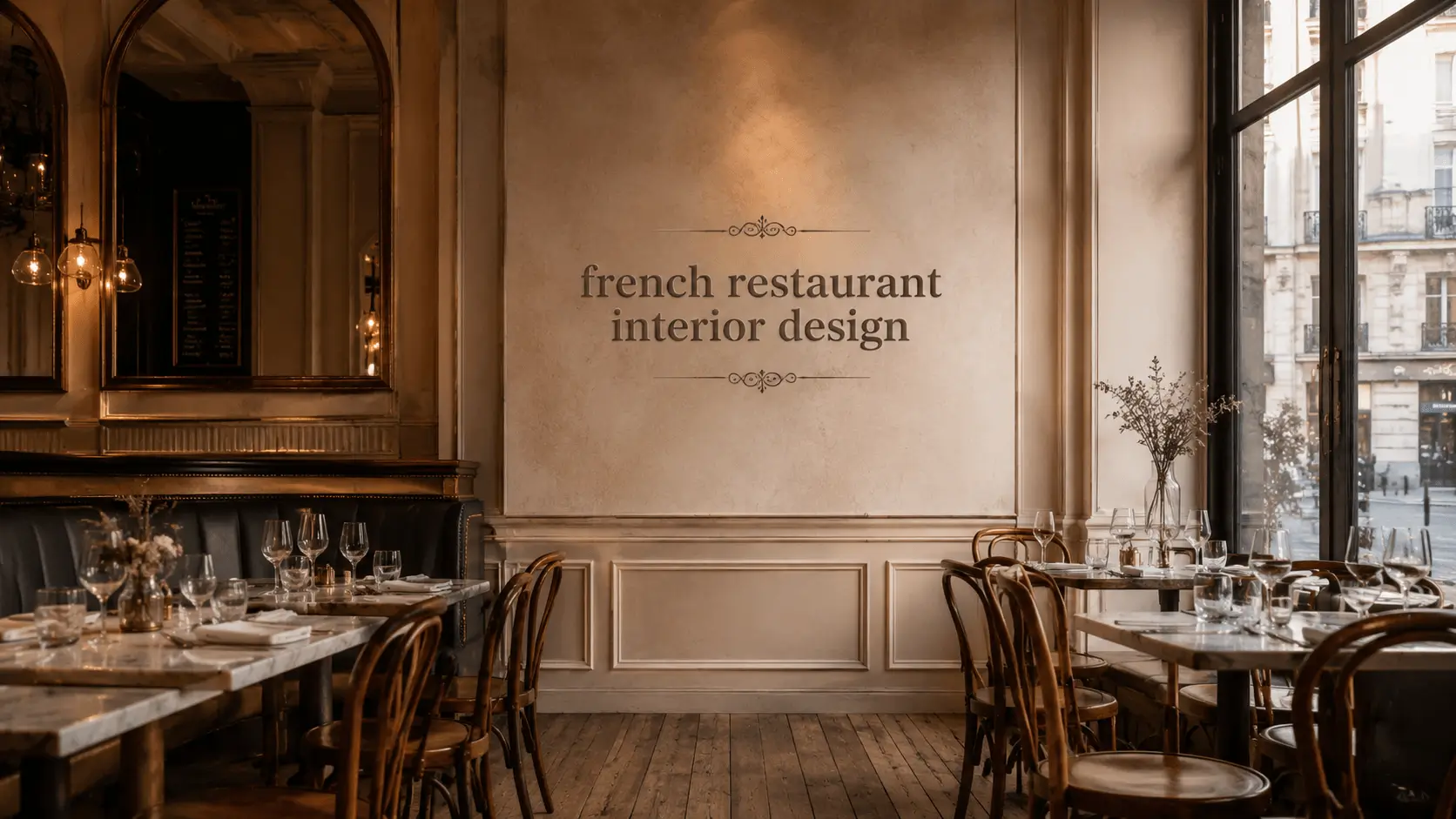
French restaurant interior design is a celebration of elegance, intimacy, and lived-in charm. It blends classic Parisian aesthetics with functional dining layouts that make guests feel both welcomed and impressed the moment they walk in. From rustic bistros in Montmartre to refined modern brasseries, this design style is rooted in storytelling through materials, lighting, and spatial harmony.
At its core, French restaurant interior design is about atmosphere over excess. It prioritizes warm lighting, authentic textures, and thoughtfully layered décor that feels collected over time rather than newly installed. Whether designing a small neighborhood bistro or an upscale French dining room, the goal remains the same: create a space that feels effortlessly romantic, timeless, and inviting.
French Bistro-Inspired Entryway Design
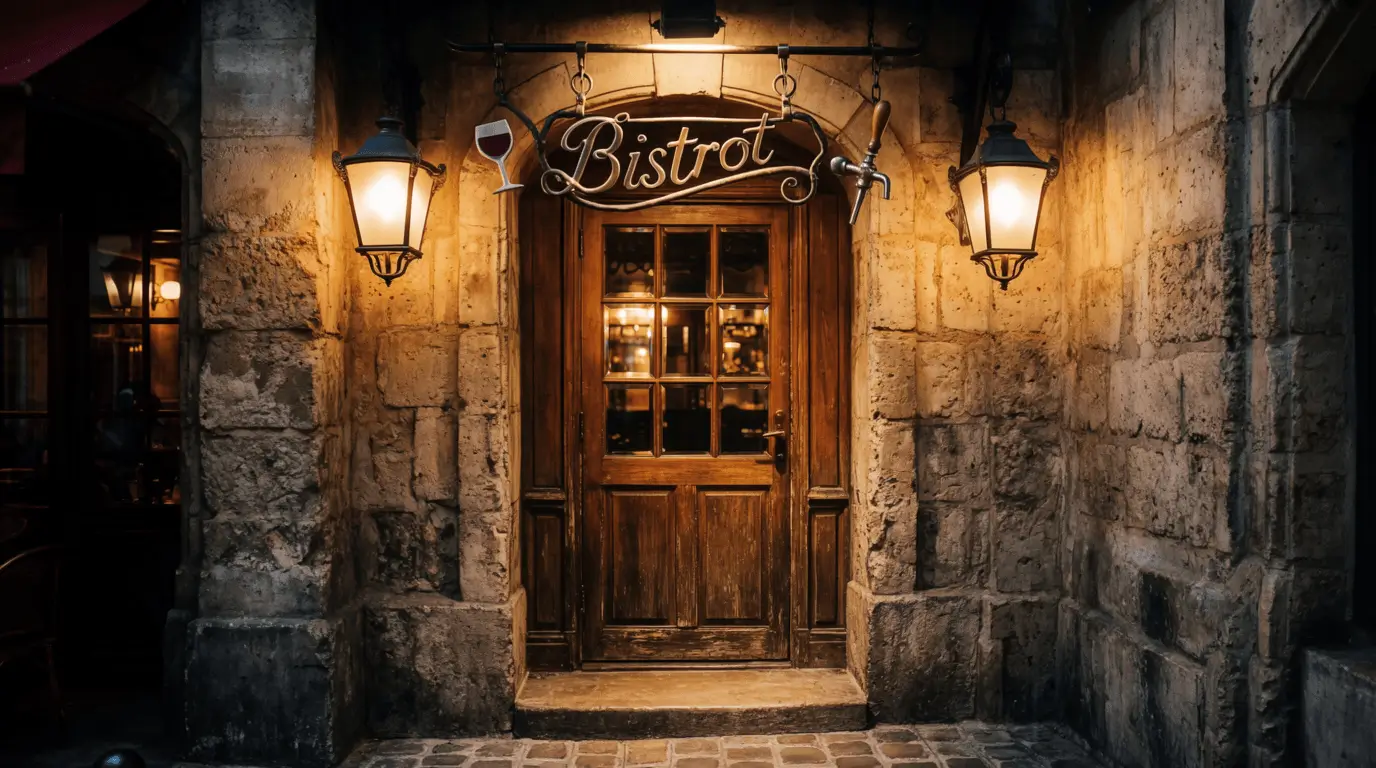
A French restaurant interior design often begins with a charming, compact entryway that sets the emotional tone. Think wrought iron signage, aged wood doors, and soft glow lighting that hints at warmth inside. The entry should feel like stepping into a Parisian street café.
Parisian Bistro Seating Layouts
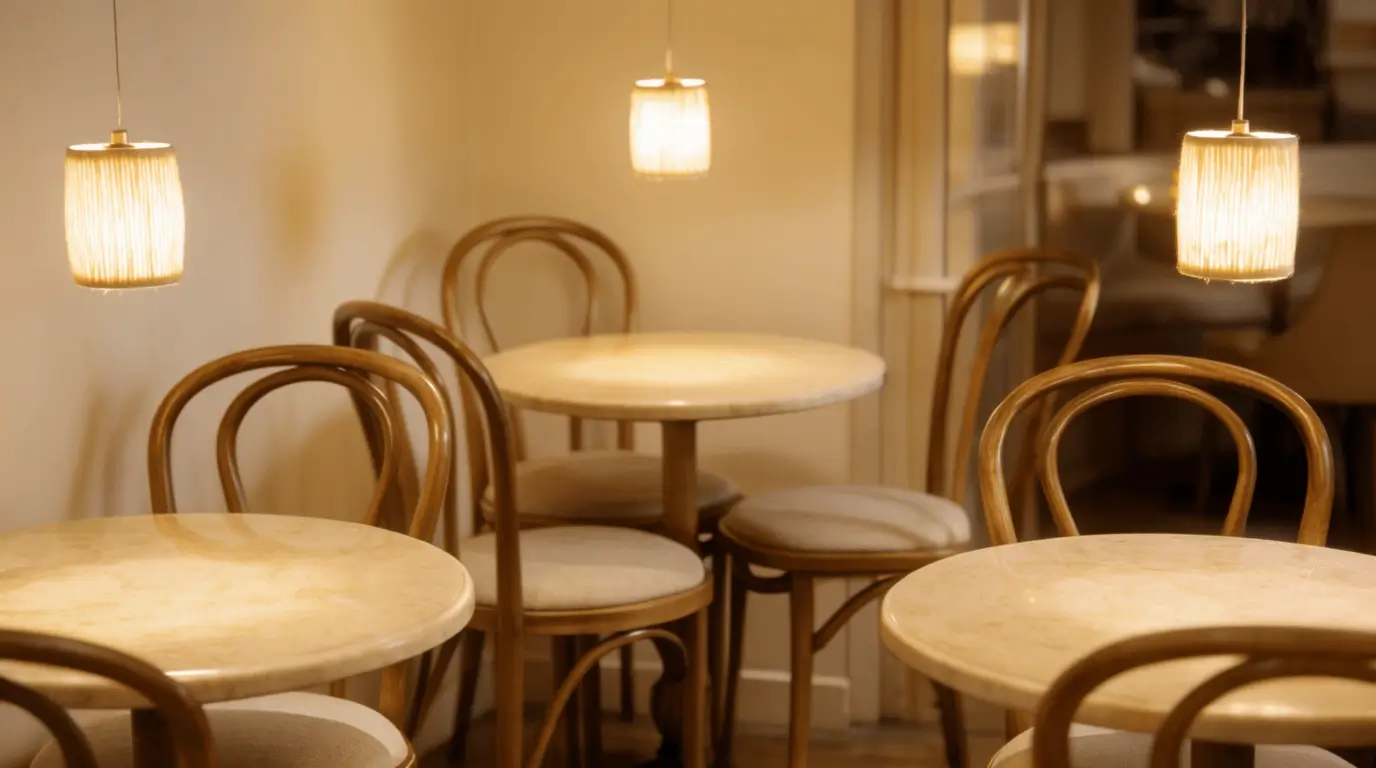
Seating in French restaurant interior design focuses on intimacy and flow. Small round tables, closely arranged yet not crowded, encourage conversation while maintaining personal space. Upholstered chairs and marble tabletops enhance comfort and elegance.
French Bistro Kitchen Open Concept Style
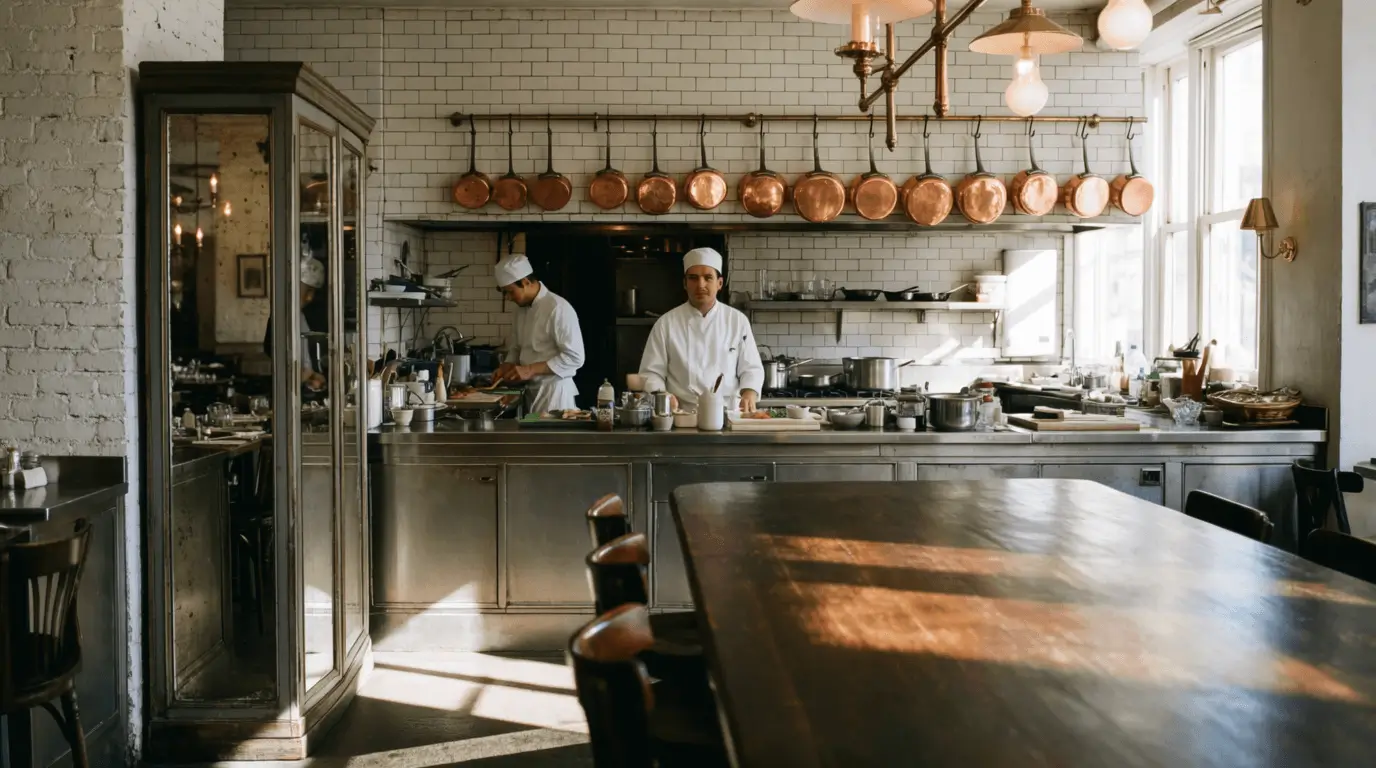
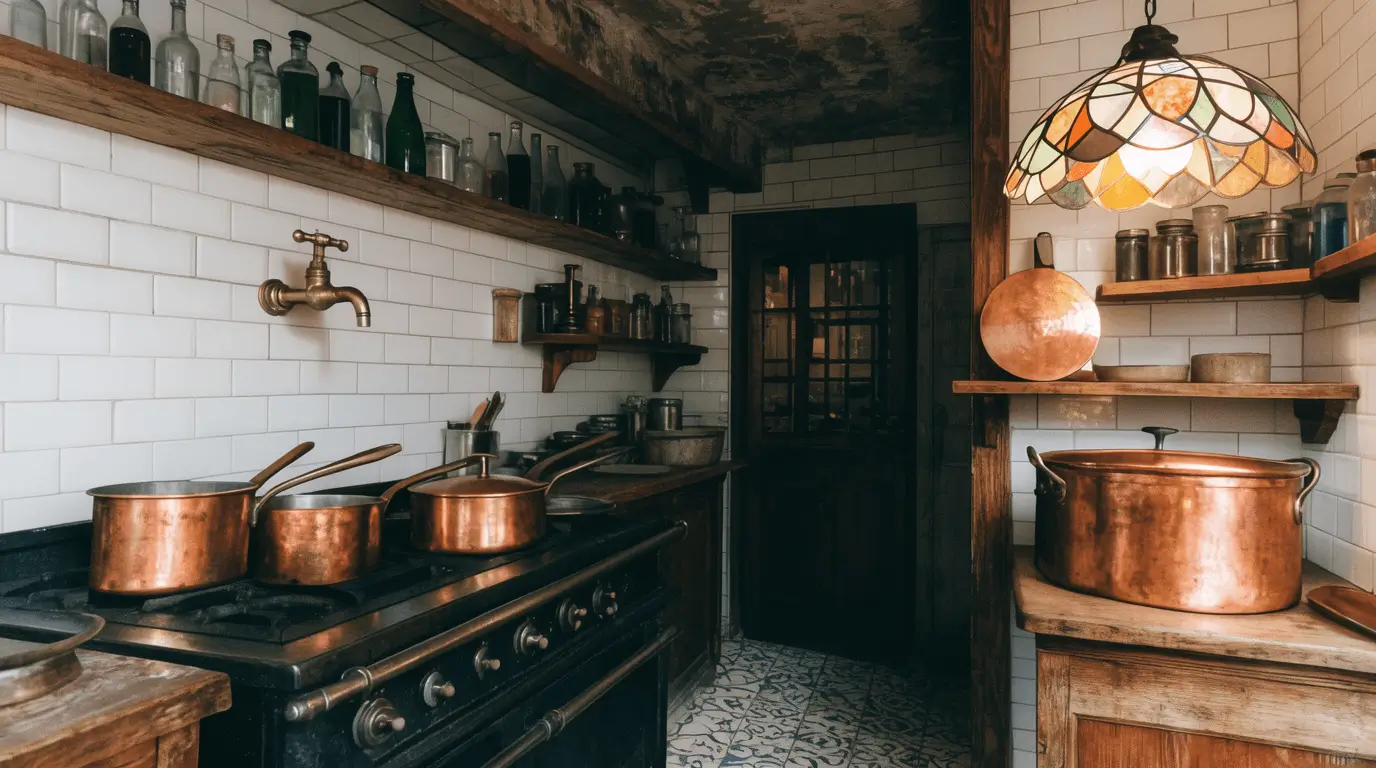
A visible kitchen brings authenticity into French restaurant interior design. Guests appreciate seeing chefs prepare meals in a structured yet artistic environment. Copper cookware and tiled walls reinforce traditional culinary heritage.
Parisian Bistro Wall Paneling & Textures
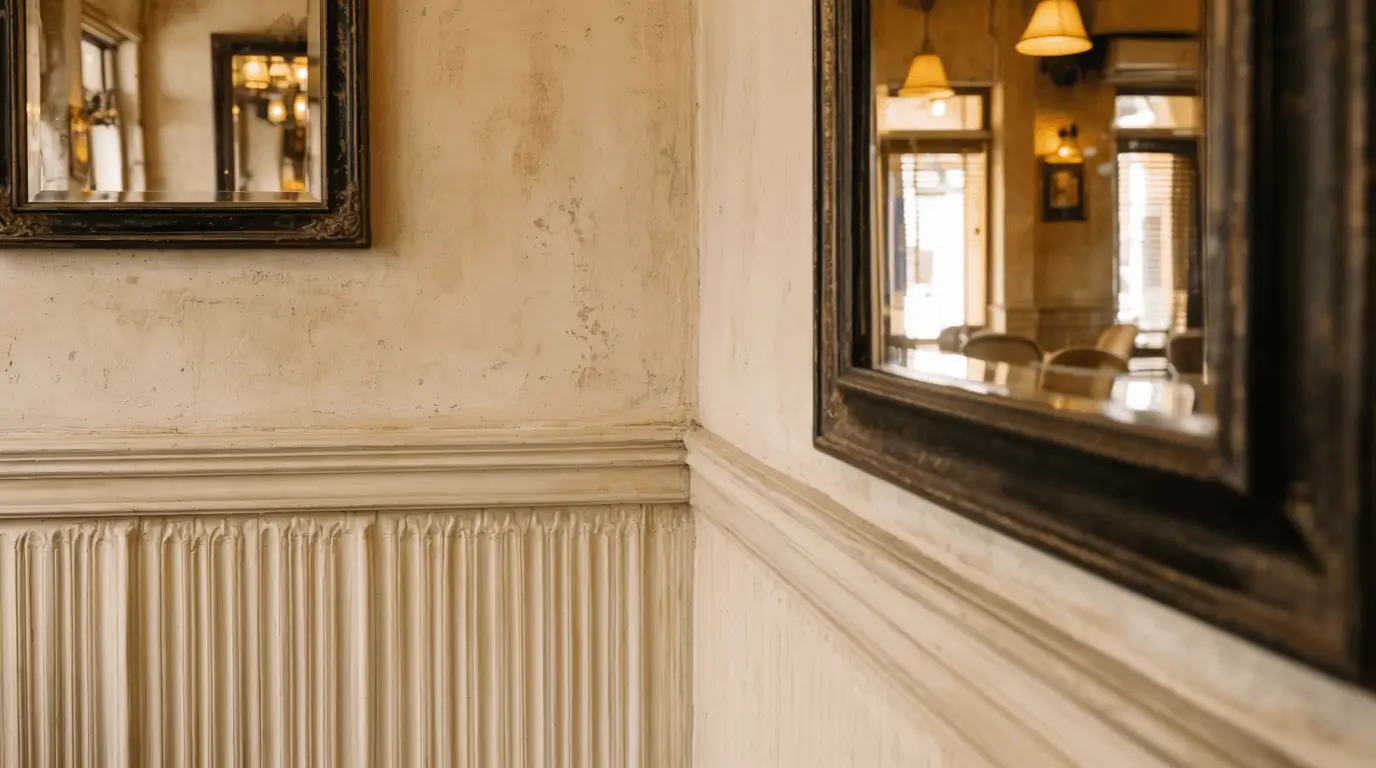
Wall treatments define the emotional depth of French restaurant interior design. Wainscoting, aged plaster, and soft neutral tones create a layered, historic feel. Subtle imperfections enhance authenticity.
French Bistro Lighting Atmosphere
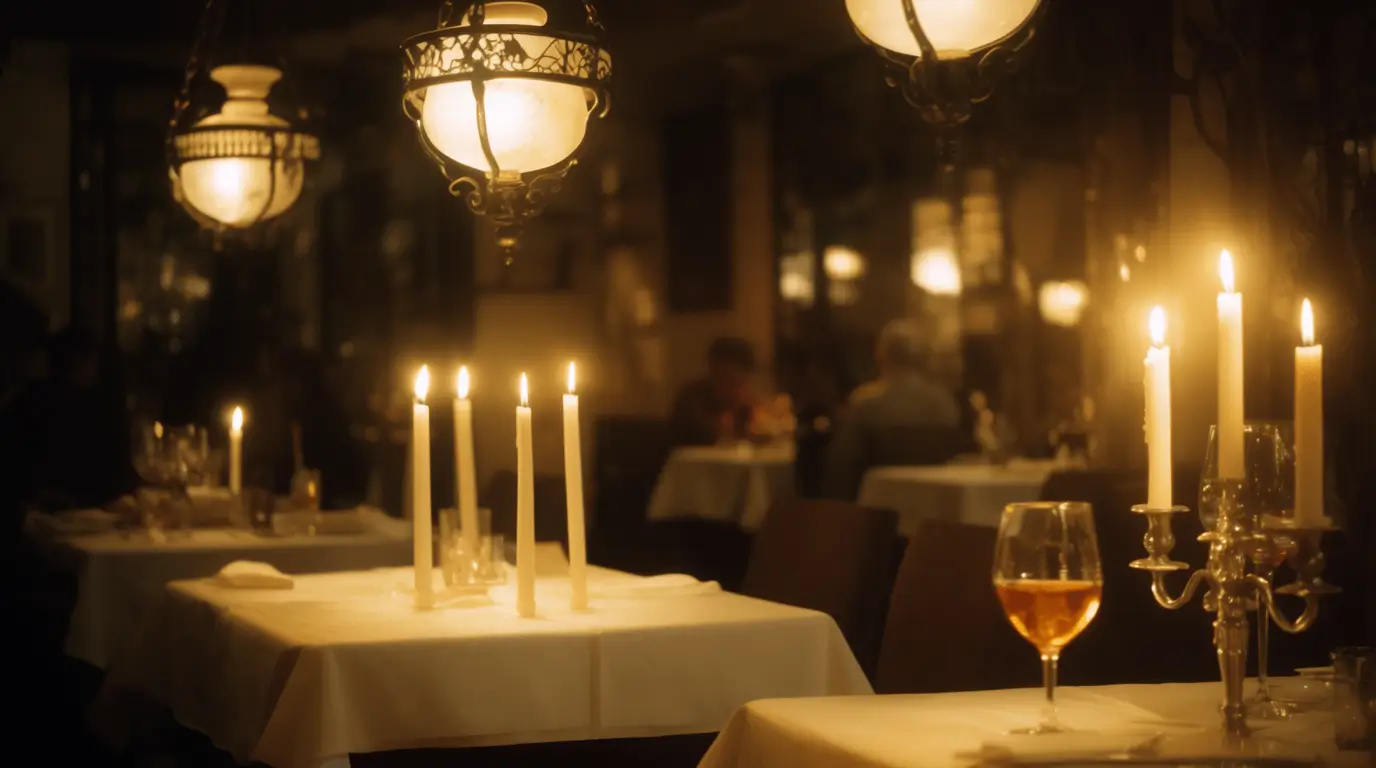
Lighting is essential in French restaurant interior design. Warm pendant lights, wall sconces, and candlelit tables create a soft glow that flatters both food and guests. The aim is intimacy rather than brightness.
Bistro-Style Kitchen Tile Design
Tiles play a defining role in French restaurant interior design kitchens. Classic white subway tiles or patterned encaustic tiles bring cleanliness with artistic detail. They also reflect light beautifully in compact spaces.
French Restaurant Bar Counter Elegance
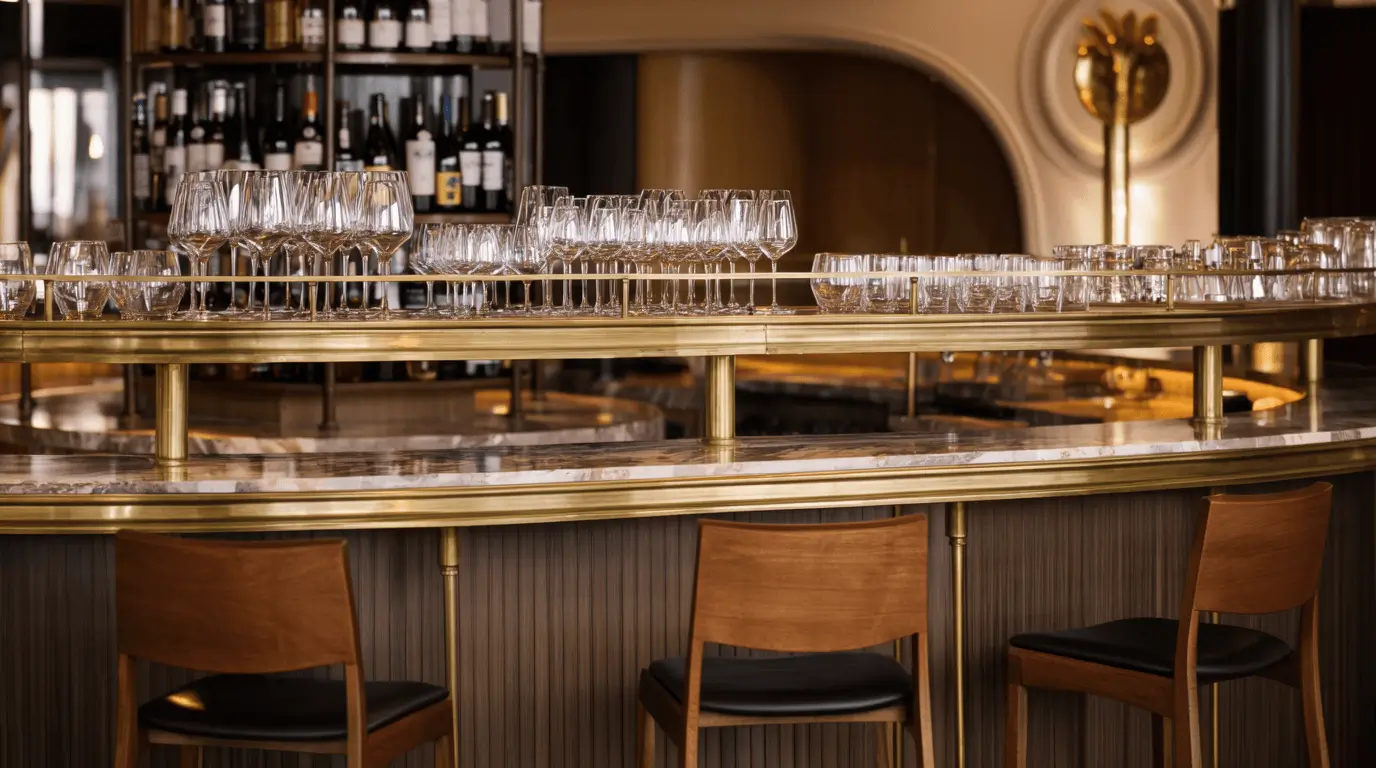
The bar area is often the social heart of French restaurant interior design. Marble counters, brass accents, and high stools create a refined yet casual gathering point. It encourages lingering conversations over wine or espresso.
Small French Bistro Space Optimization
Smaller spaces are common in French restaurant interior design, requiring clever layout planning. Foldable seating, mirrored walls, and vertical décor help maximize functionality without sacrificing charm.
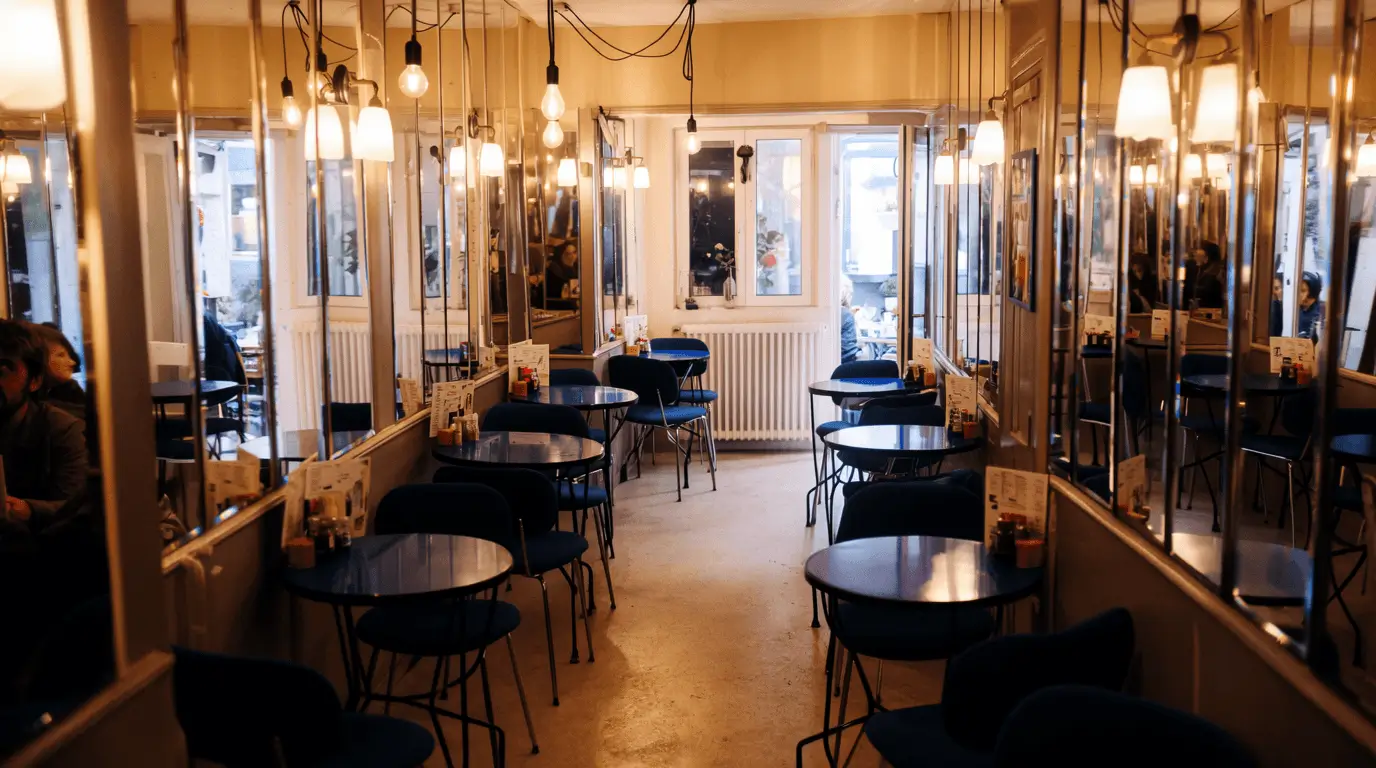
French Bistro Flooring Materials
Flooring grounds the entire French restaurant interior design concept. Classic herringbone wood, encaustic tiles, or aged stone floors add character and durability while enhancing visual depth.
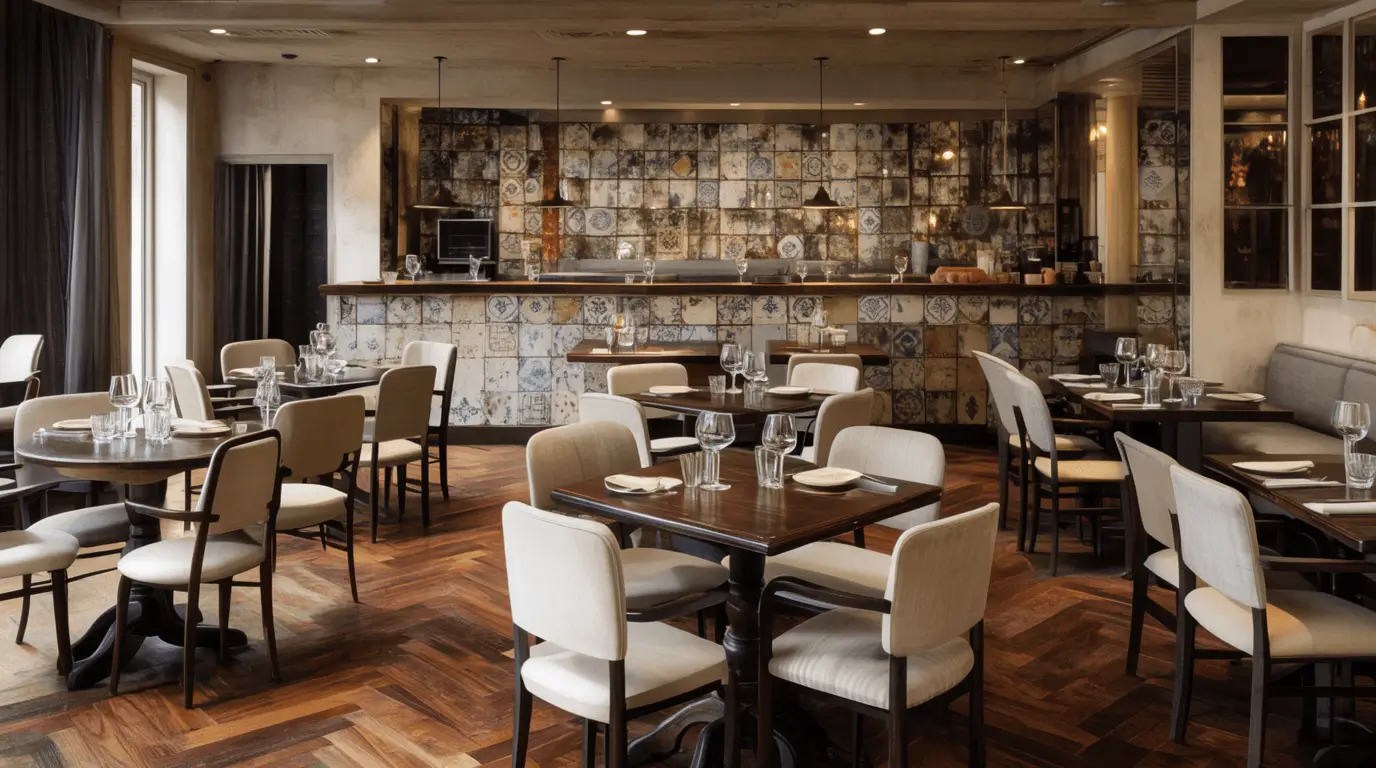
Parisian Bistro Decorative Mirrors
Mirrors are a signature feature in French restaurant interior design. They expand visual space while reflecting warm light and creating depth. Ornate or antique frames add historic charm.
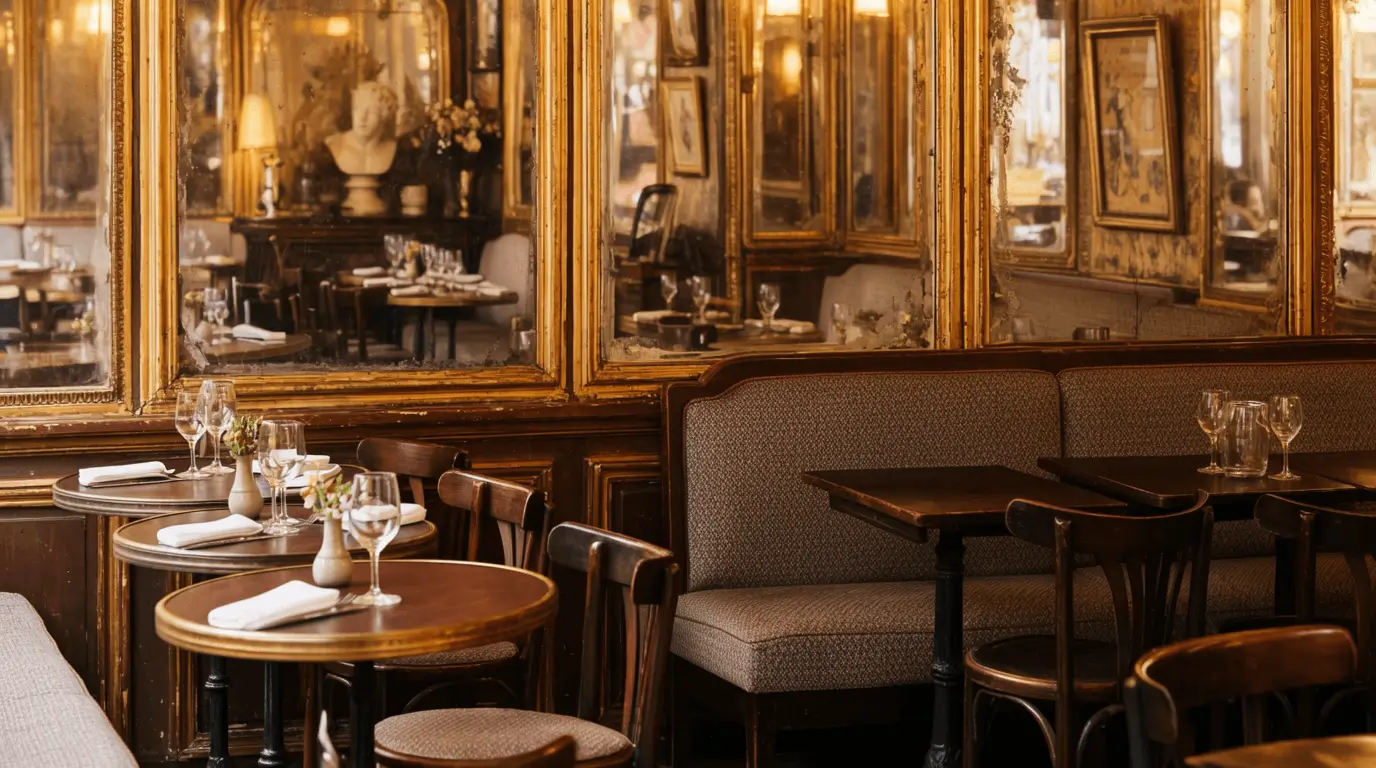
French Bistro Table Styling
Table styling is subtle yet refined in French restaurant interior design. Linen napkins, minimalist cutlery, small floral arrangements, and candlelight define the dining experience.
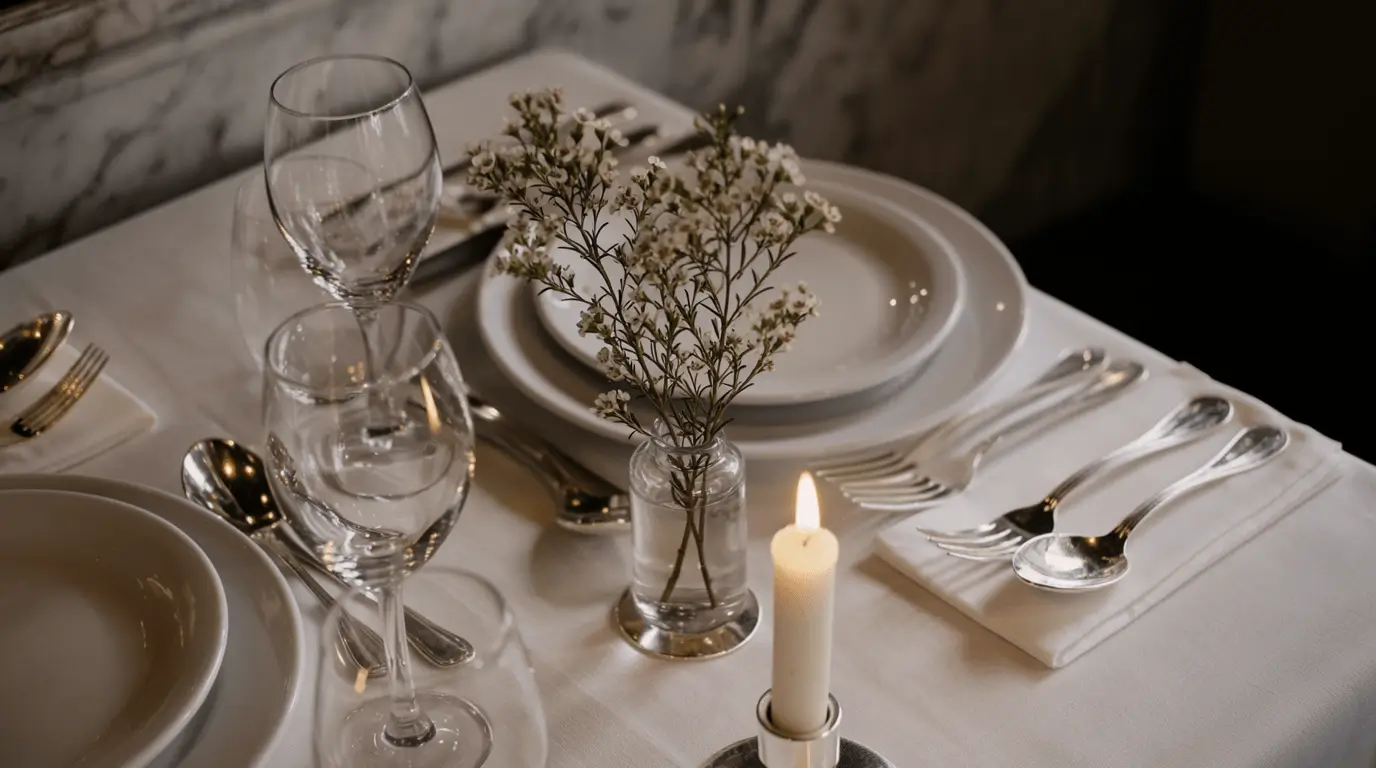
Rustic French Bistro Wood Elements
Wood plays a central role in French restaurant interior design, adding warmth and authenticity. Reclaimed beams, wooden chairs, and rustic counters soften the space and balance elegance with comfort.
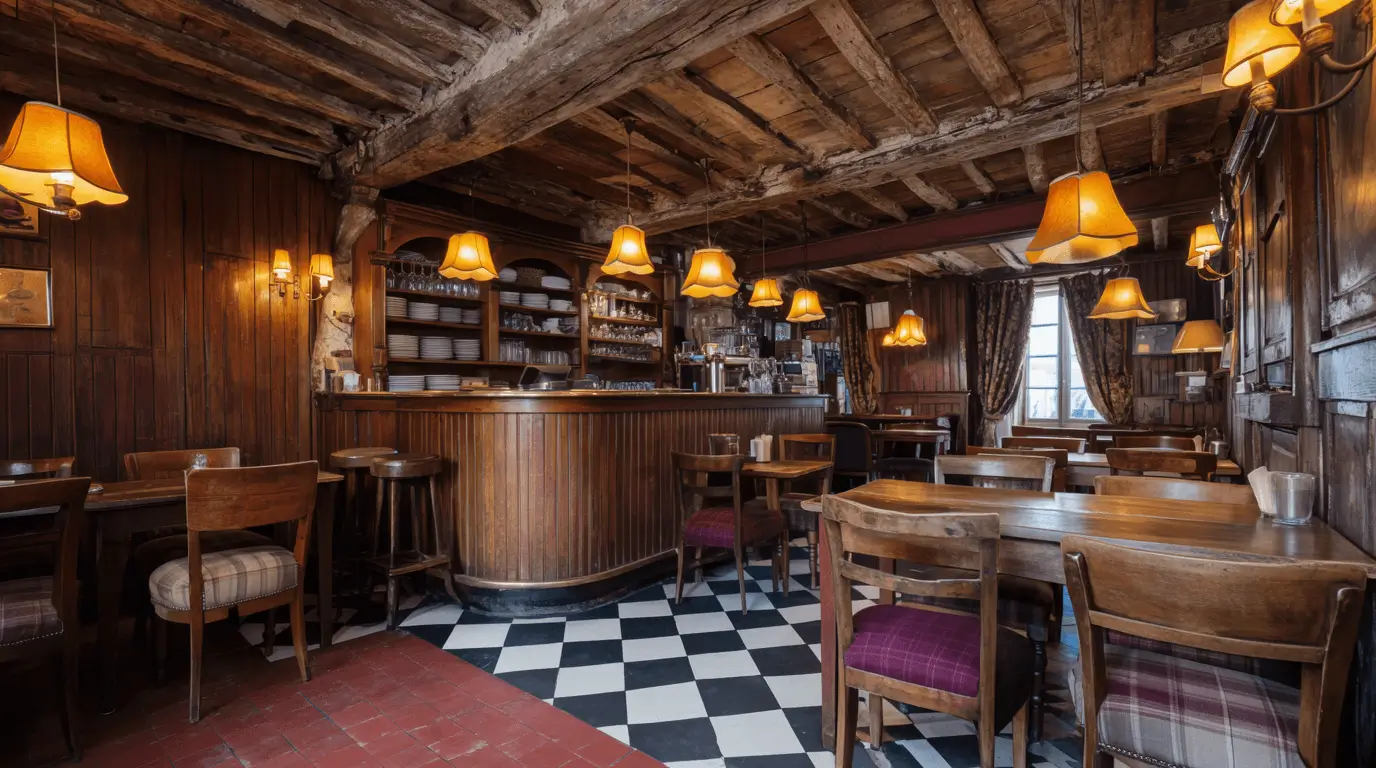
Modern French Restaurant Interior Design Fusion
Modern French restaurant interior design blends tradition with contemporary minimalism. Clean lines, neutral palettes, and refined materials like stone and brass create a fresh yet timeless feel.
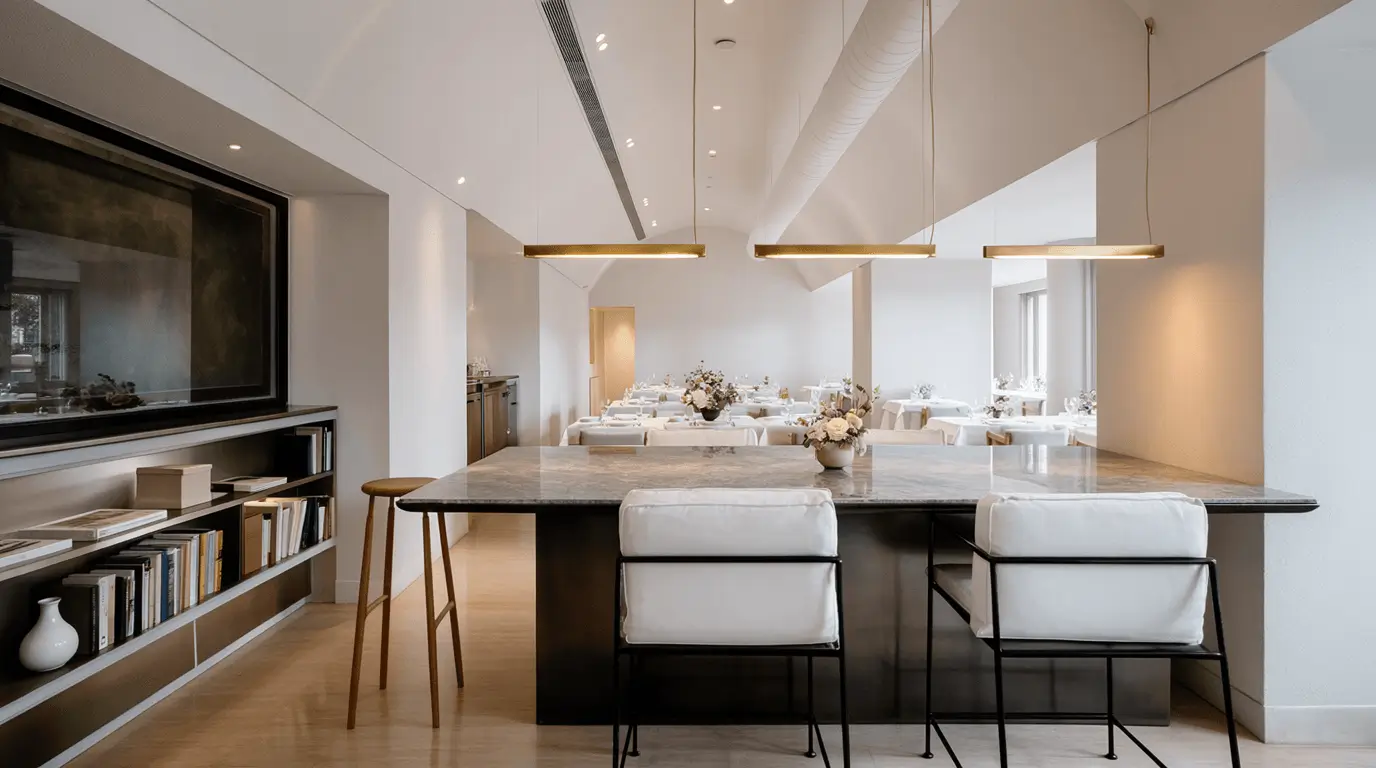
French Bistro Color Palette Harmony
Color harmony is essential in French restaurant interior design. Soft creams, muted greens, charcoal accents, and warm neutrals create a balanced and calming environment.
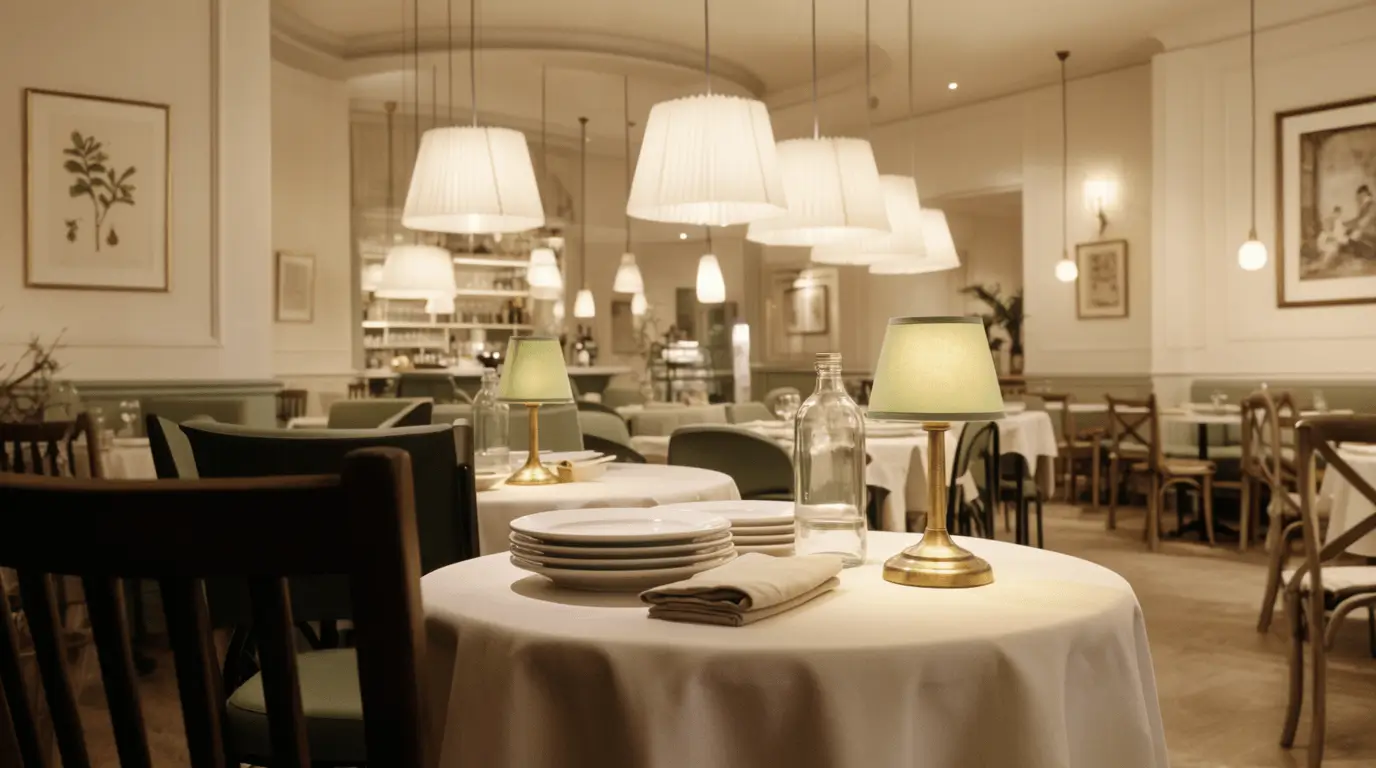
French Restaurant Ceiling Design Details
Ceilings are often overlooked but vital in French restaurant interior design. Exposed beams, decorative molding, or softly painted surfaces add architectural interest and depth.
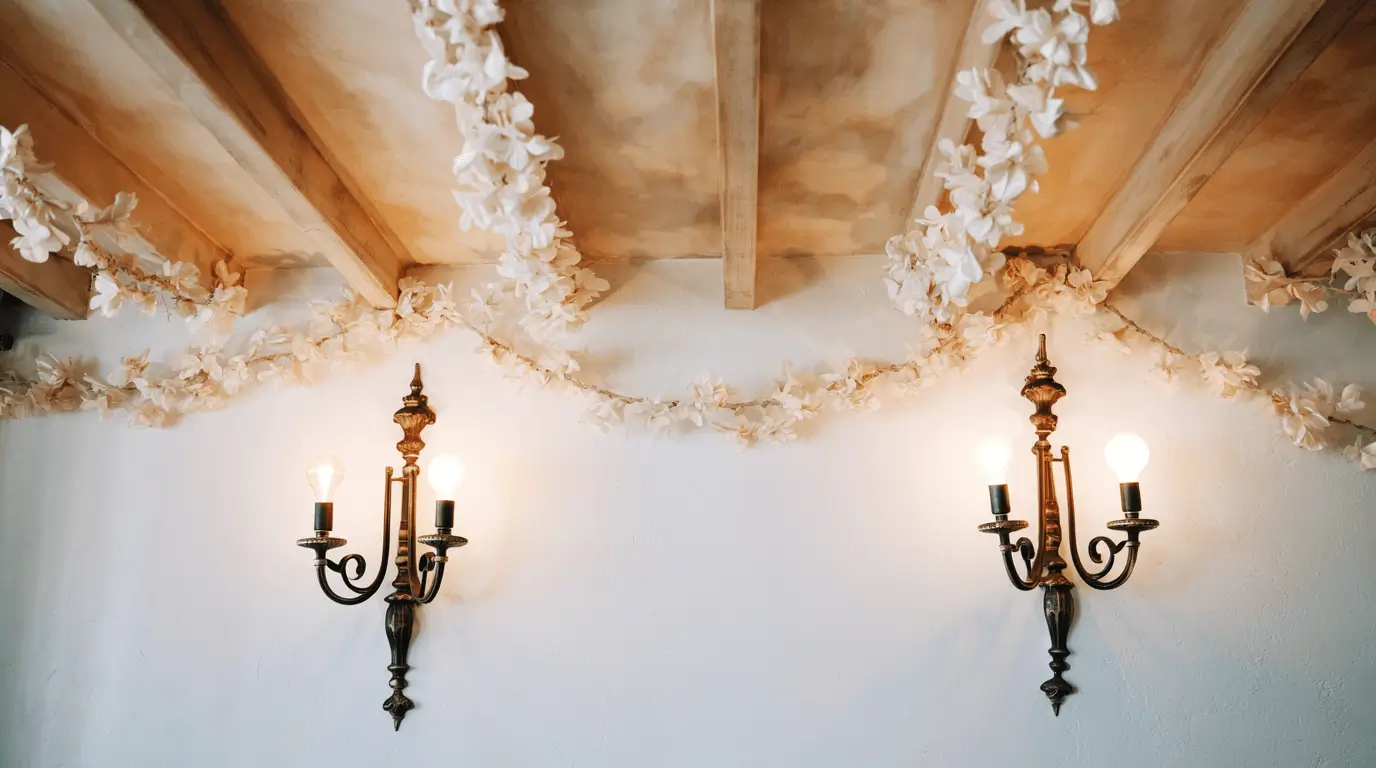
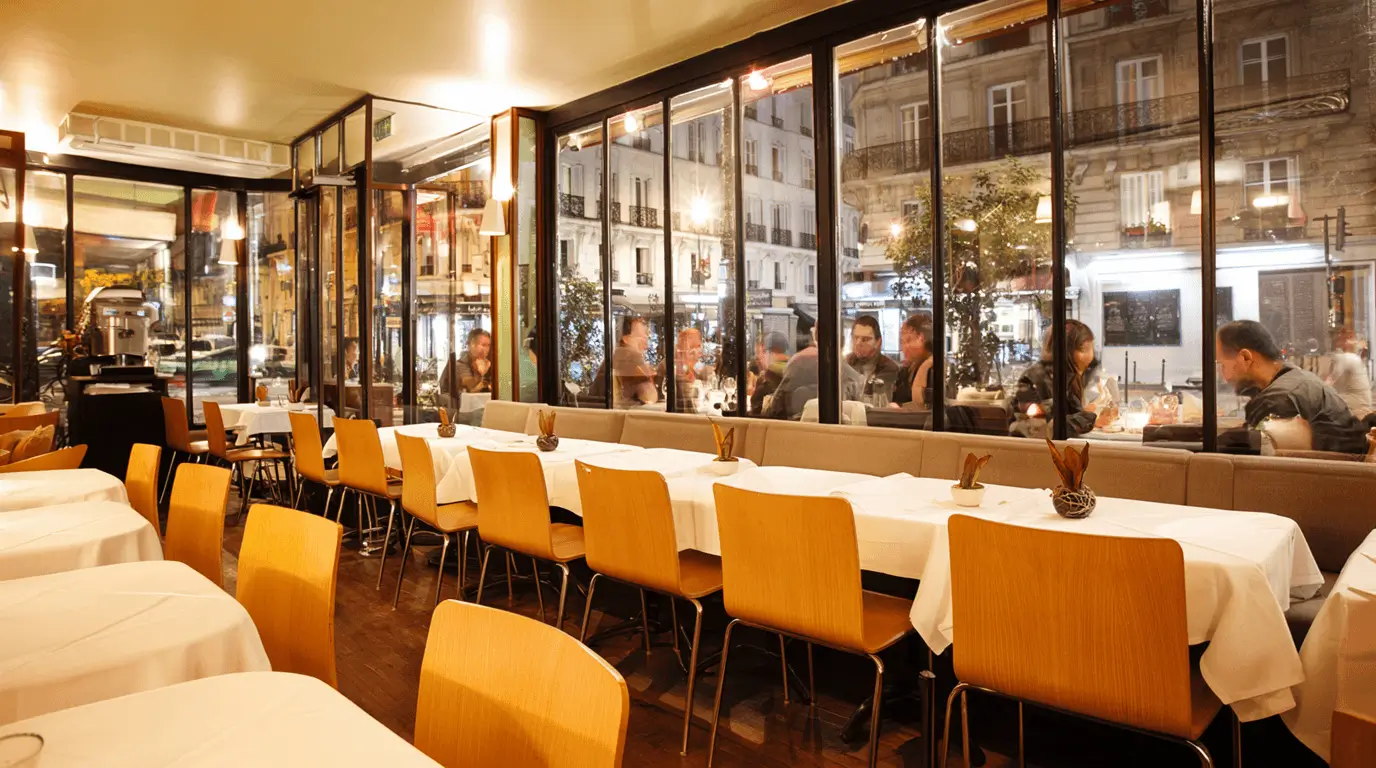
French Bistro Exterior Window Seating
Window seating enhances charm in French restaurant interior design by connecting indoor dining with street life. It creates a lively, cinematic dining experience.
Conclusion
French restaurant interior design ultimately succeeds when it feels effortless yet deeply intentional. It is not about overloading a space with ornate details, but about curating an atmosphere where every element—lighting, texture, furniture, and layout—works together to evoke warmth, intimacy, and timeless Parisian character. The strongest designs feel lived-in from day one, as if they already carry a history that guests are stepping into.
What makes this approach so effective is its balance between beauty and function. Soft lighting enhances dining comfort, carefully chosen materials create durability without losing elegance, and thoughtful spatial planning ensures even small bistros feel inviting rather than cramped. Whether applied to a traditional café or a modern brasserie, this design philosophy elevates dining into an experience rather than just a meal.
For restaurant owners and designers, the key takeaway is clarity of intent: every choice should support atmosphere and guest emotion. When executed well, French restaurant interior design does more than decorate a space—it shapes memory, encourages return visits, and builds a sense of place that feels both authentic and enduring.
Learn more : Peach Interior Design That Instantly Elevates Your Home
Frequently Asked Questions (FAQ)
- What defines French restaurant interior design?
It is defined by a blend of elegance, warmth, and timeless Parisian charm. Key features include soft lighting, intimate seating, natural materials like wood and stone, and a focus on creating a welcoming, lived-in atmosphere rather than a highly polished or overly modern look.
- What colors work best in a French restaurant interior?
Soft neutrals such as cream, beige, warm gray, and muted greens work best. These tones create a calming backdrop that enhances lighting and allows furniture and décor details to stand out without overwhelming the space.
- How can a small space still achieve a French bistro feel?
Small spaces benefit from compact furniture, round tables, mirrors to expand visual depth, and warm layered lighting. The goal is to prioritize intimacy and flow, making the space feel cozy rather than restricted.
- What materials are commonly used in French restaurant interiors?
Common materials include reclaimed wood, marble, brass, wrought iron, and ceramic tiles. These materials are chosen for their durability and their ability to age gracefully, which adds authenticity over time.
- Why is lighting so important in French restaurant design?
Lighting sets the emotional tone of the space. Warm, diffused lighting creates intimacy, enhances food presentation, and encourages guests to linger. It is one of the most critical elements in shaping the overall dining experience.
- Can French restaurant interior design be modernized?
Yes, modern interpretations often combine traditional Parisian elements with minimalist layouts, cleaner lines, and contemporary materials. The essence remains the same—warmth, elegance, and comfort—while the execution becomes more streamlined.
- What makes a French restaurant feel authentic?
Authenticity comes from layering subtle details: slightly imperfect textures, vintage-inspired décor, carefully chosen furniture, and a cohesive atmosphere that feels naturally evolved rather than artificially staged.



One Response