
Introduction
Space planning interior design is the strategic process of organizing a room or building to maximize functionality, comfort, and visual harmony. It goes far beyond placing furniture—it’s about understanding how people move, live, and interact within a space. Whether designing a compact apartment or a large office, effective planning ensures every square foot serves a purpose.
From years of working with residential and commercial layouts, one truth stands out: good design is invisible when done right. A well-planned space feels effortless, intuitive, and balanced. It supports daily routines, enhances mood, and reflects the personality or brand it represents—without ever feeling forced or cluttered.
Space Planning Interior Design Fundamentals
A strong foundation begins with understanding proportions, circulation paths, and zoning. Every element—furniture, lighting, storage—must align with how the space is used. Thoughtful planning prevents overcrowding and improves usability.
Space Planning Interior Design for Small Spaces
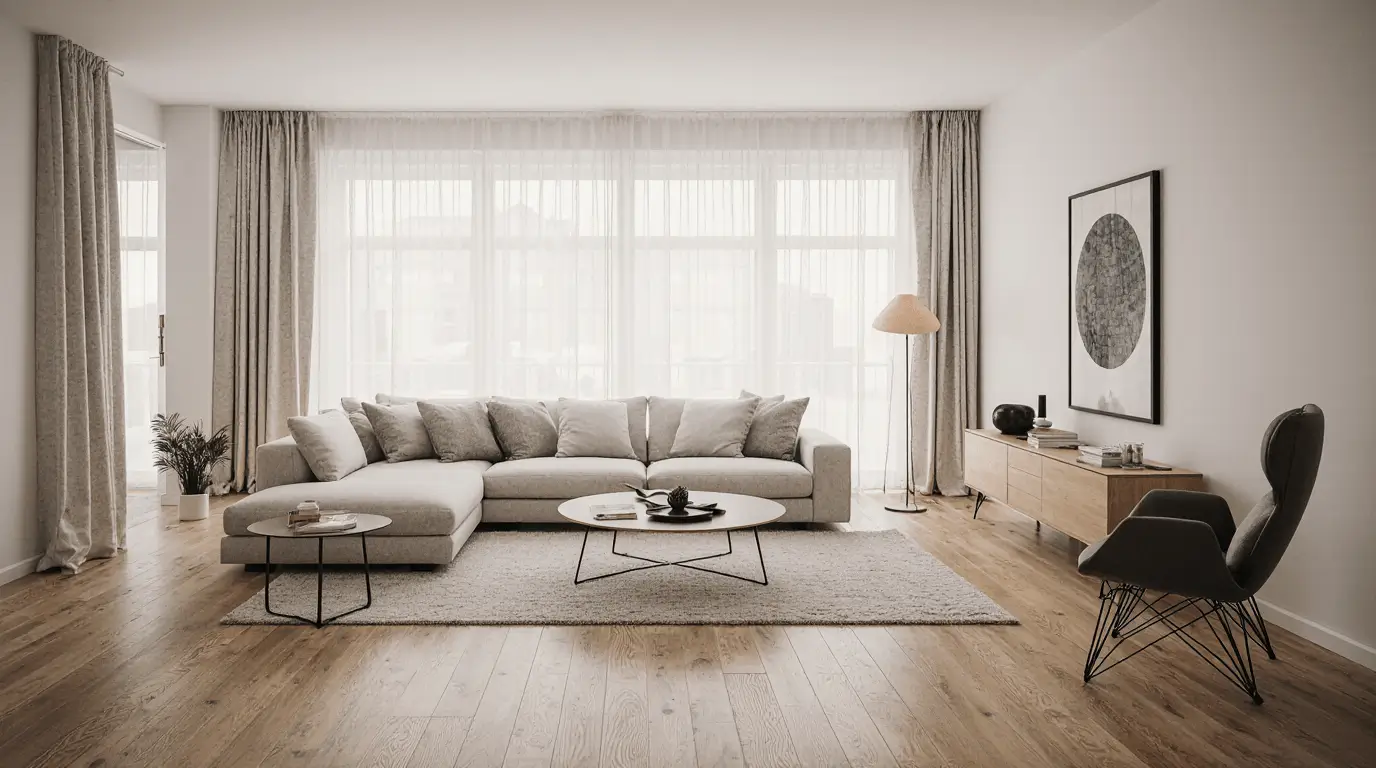
Small spaces demand precision. Multi-functional furniture, vertical storage, and open visual lines create the illusion of spaciousness while maintaining practicality.
Space Planning Interior Design for Open Layouts
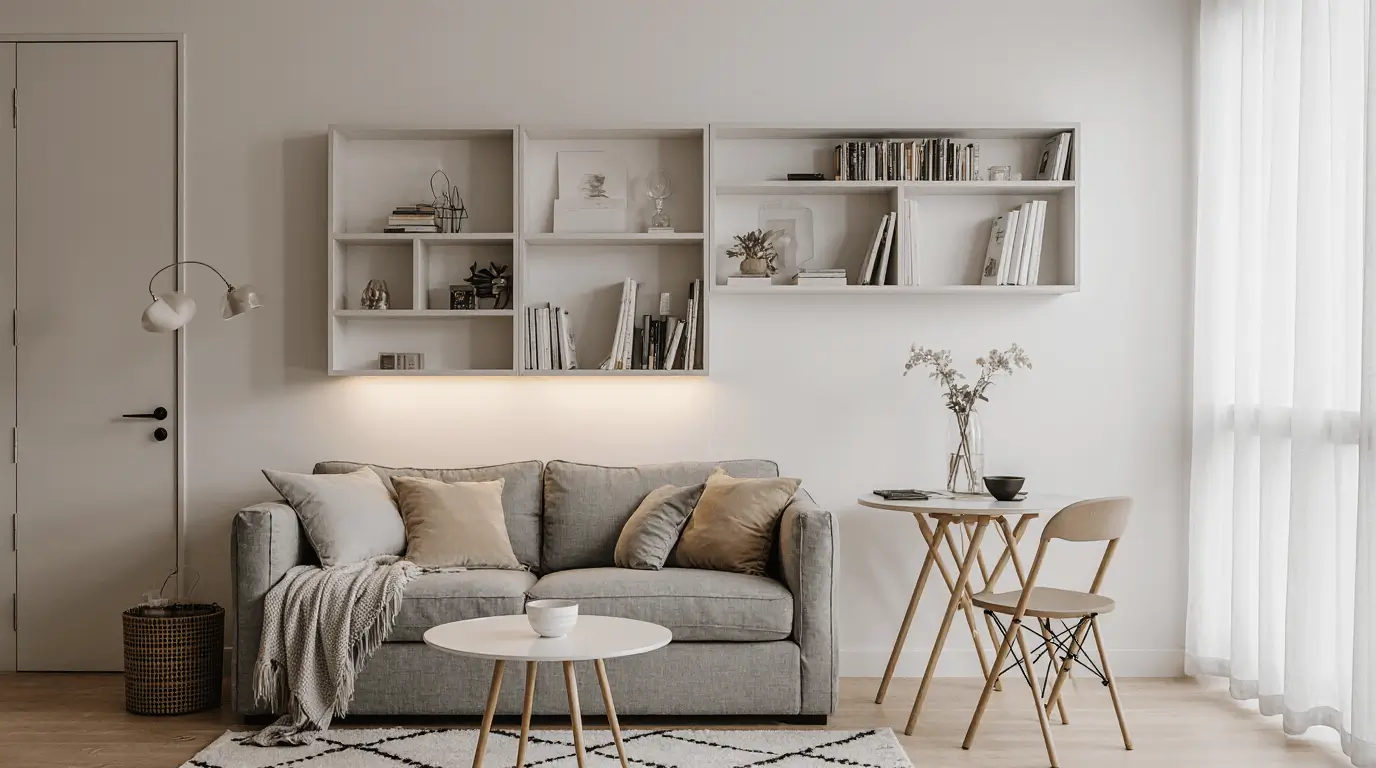
Open-plan spaces require subtle zoning using rugs, lighting, or furniture placement. This maintains flow while defining functional areas like dining, lounging, and working.
Space Planning Interior Design for Bedrooms
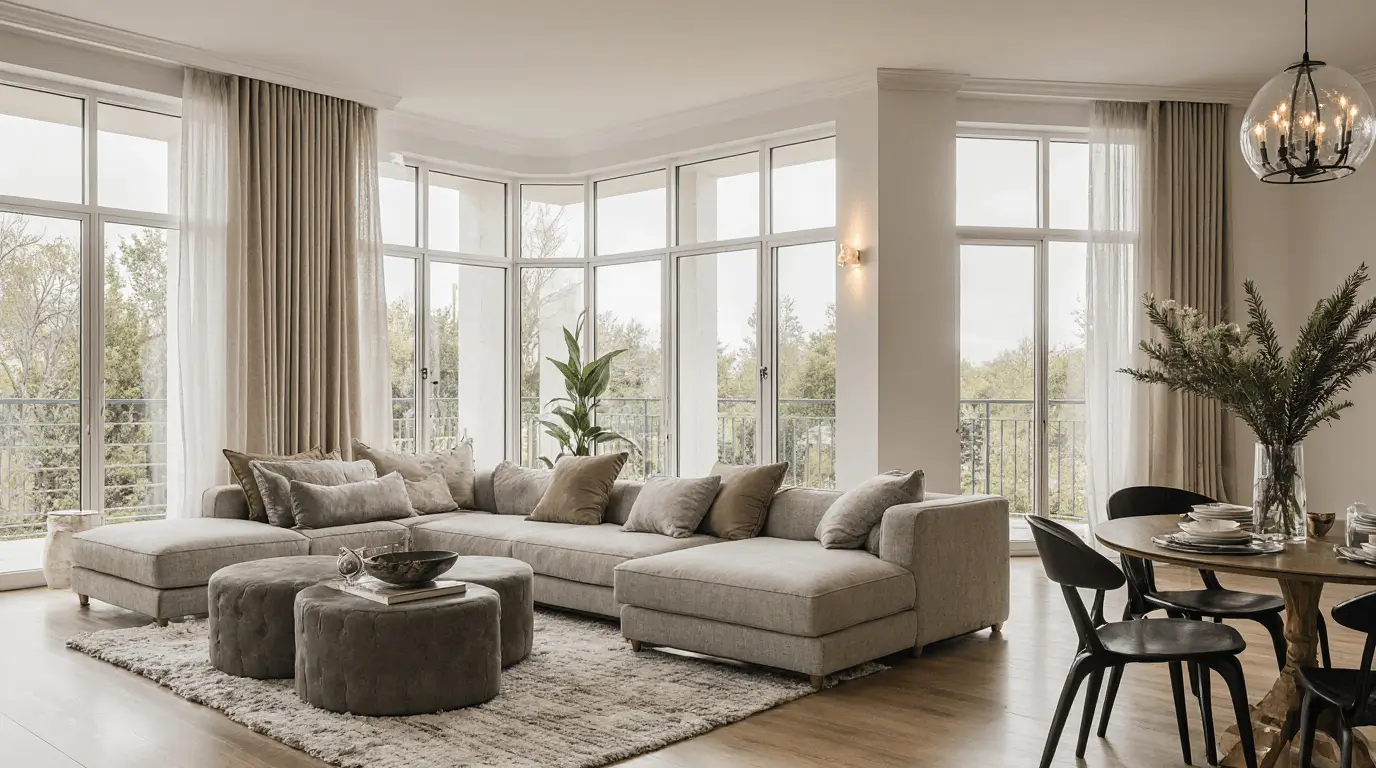
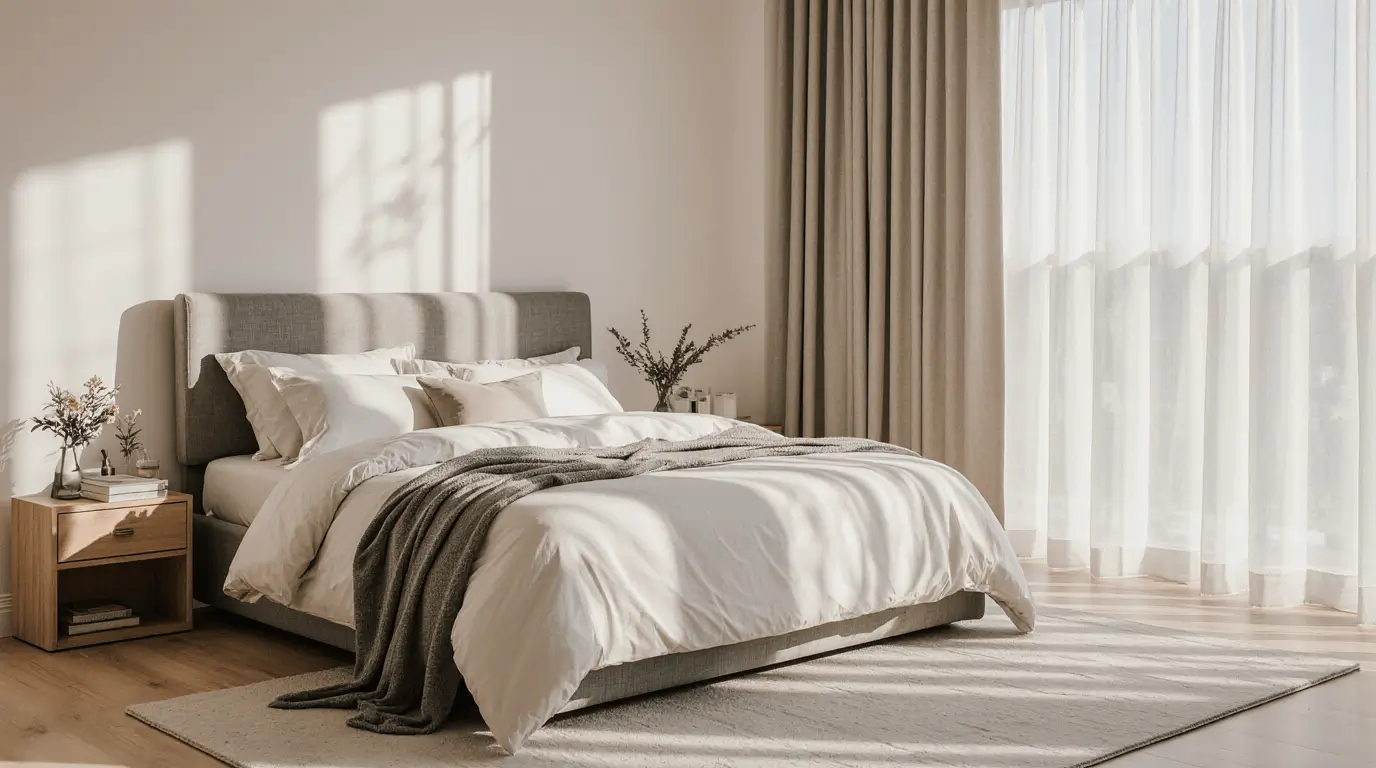
A well-planned bedroom promotes rest and relaxation. Bed placement, circulation space, and storage integration are key to achieving a calm and clutter-free environment.
Space Planning Interior Design for Offices
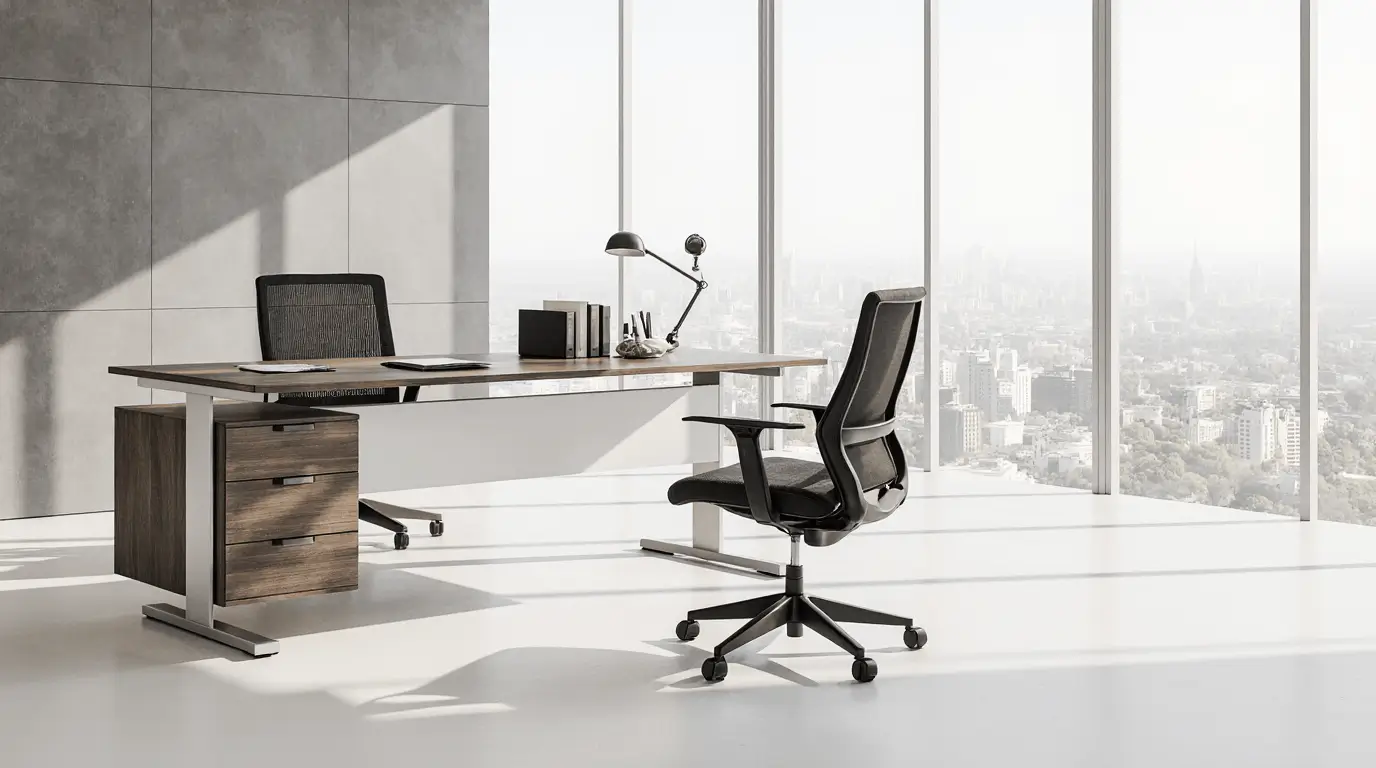
Office layouts should balance productivity and comfort. Desk positioning, lighting, and movement flow directly influence efficiency and focus.
Space Planning Interior Design and Furniture Layout
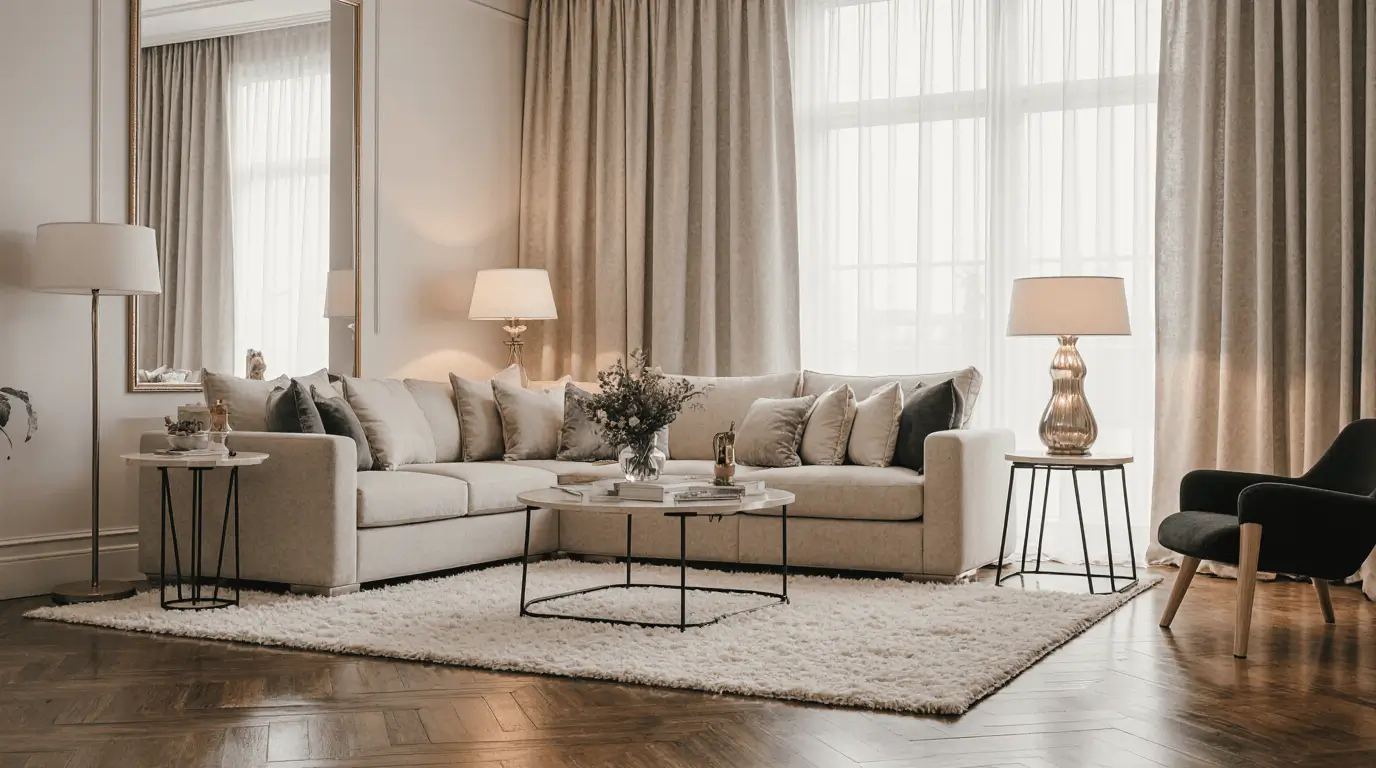
Furniture should guide movement, not block it. Strategic placement ensures accessibility while maintaining visual balance and proportion.
Space Planning Interior Design and Circulation Flow
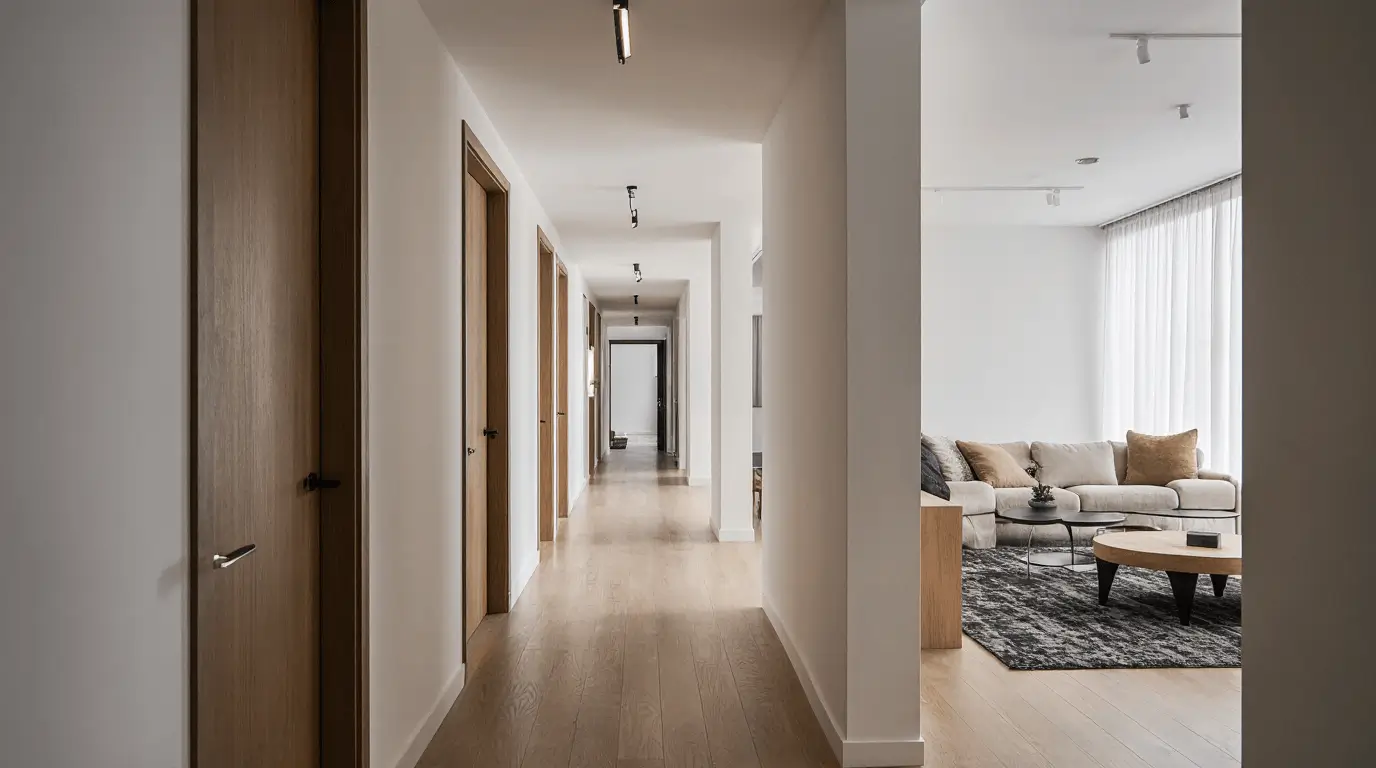
Clear pathways are essential. Proper circulation ensures ease of movement and prevents congestion, especially in high-traffic areas.
Space Planning Interior Design with Zoning Techniques
Zoning divides a space into functional areas without physical barriers. Rugs, lighting, and furniture orientation subtly define each zone.
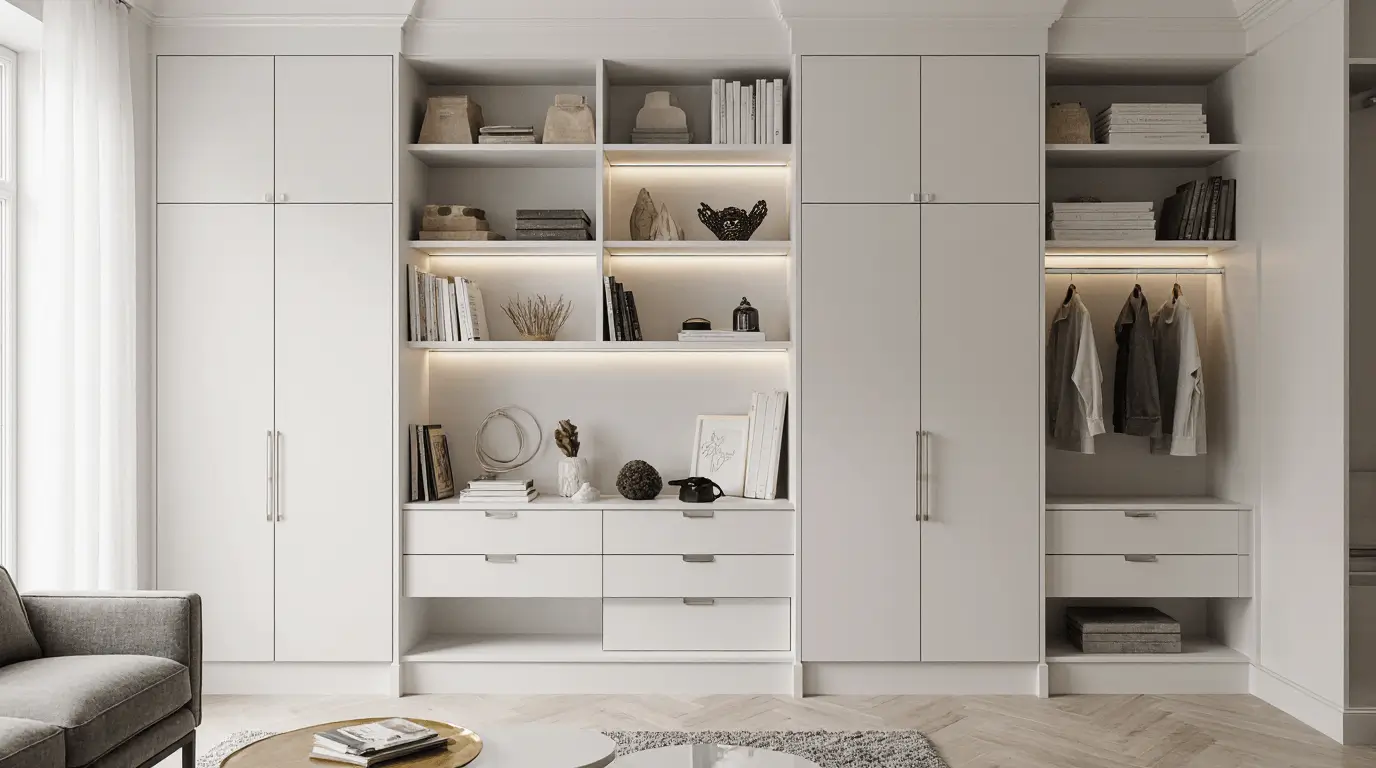
Space Planning Interior Design and Storage Integration
Smart storage solutions reduce clutter and improve usability. Built-ins and hidden compartments maintain a clean aesthetic while maximizing efficiency.
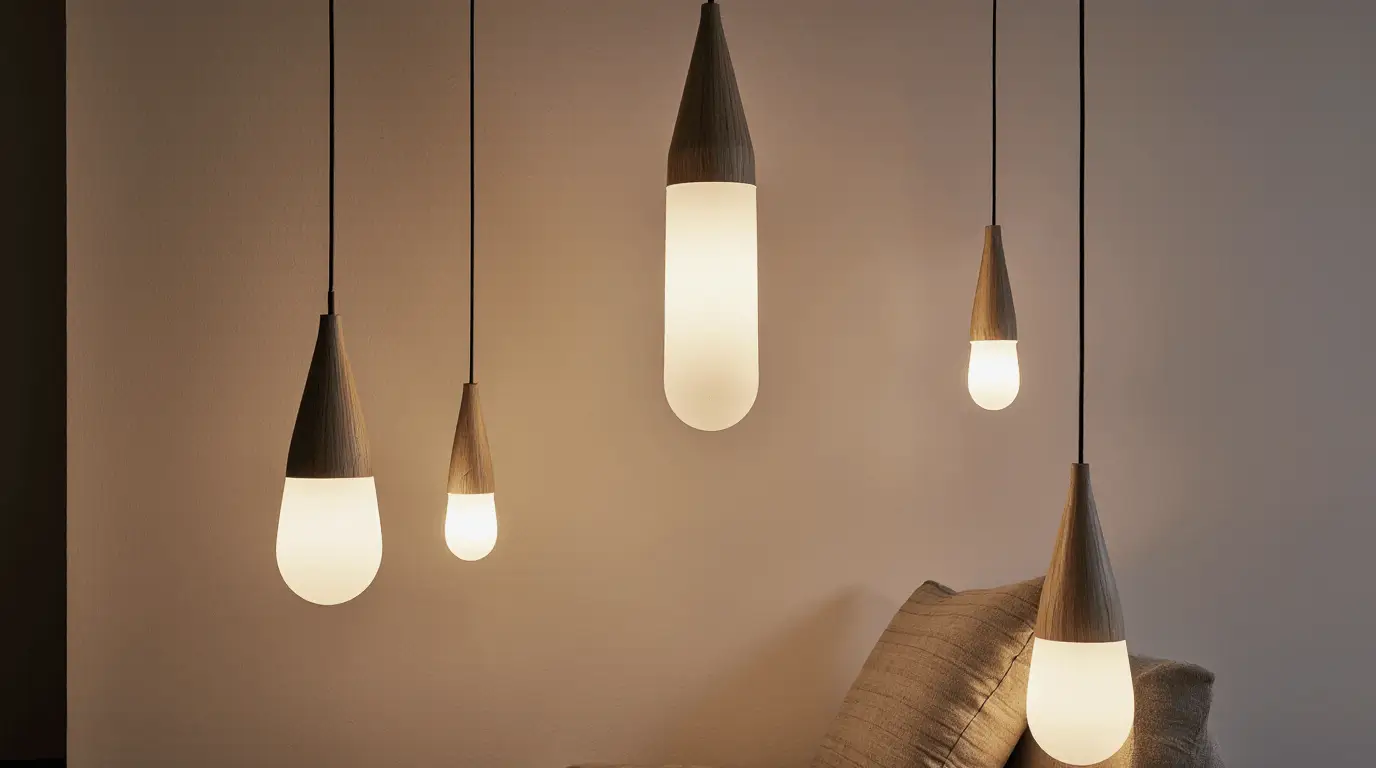
Space Planning Interior Design for Lighting Layout
Lighting should support function and mood. A layered approach—ambient, task, and accent lighting—enhances usability and atmosphere.
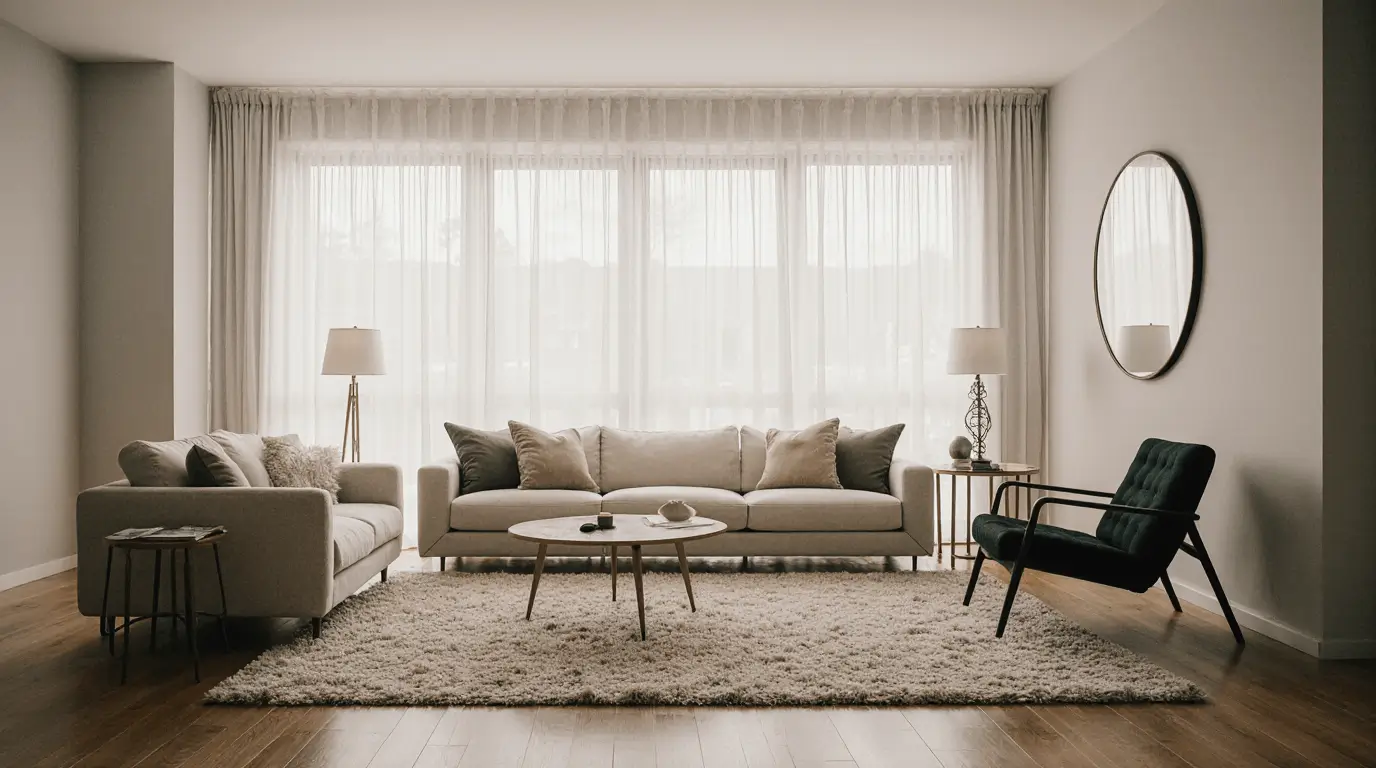
Space Planning Interior Design and Scale & Proportion
Correct scale ensures harmony. Oversized or undersized furniture disrupts balance, while proportional elements create visual comfort.
Space Planning Interior Design for Multifunctional Spaces
Modern living often requires spaces to serve multiple purposes. Flexible layouts and adaptable furniture make this possible without sacrificing style.
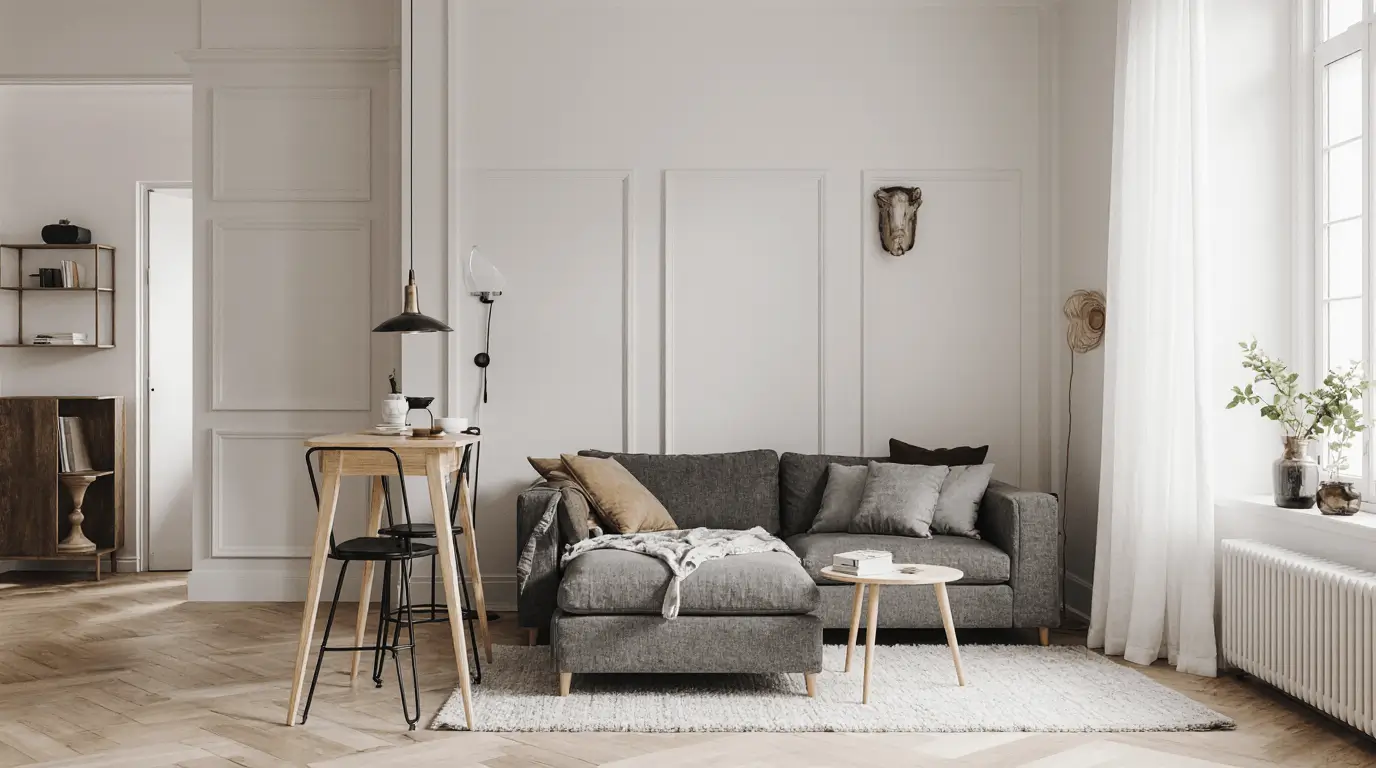
Space Planning Interior Design and Color Flow
Color continuity enhances spatial flow. Consistent palettes visually connect areas and make transitions feel seamless.
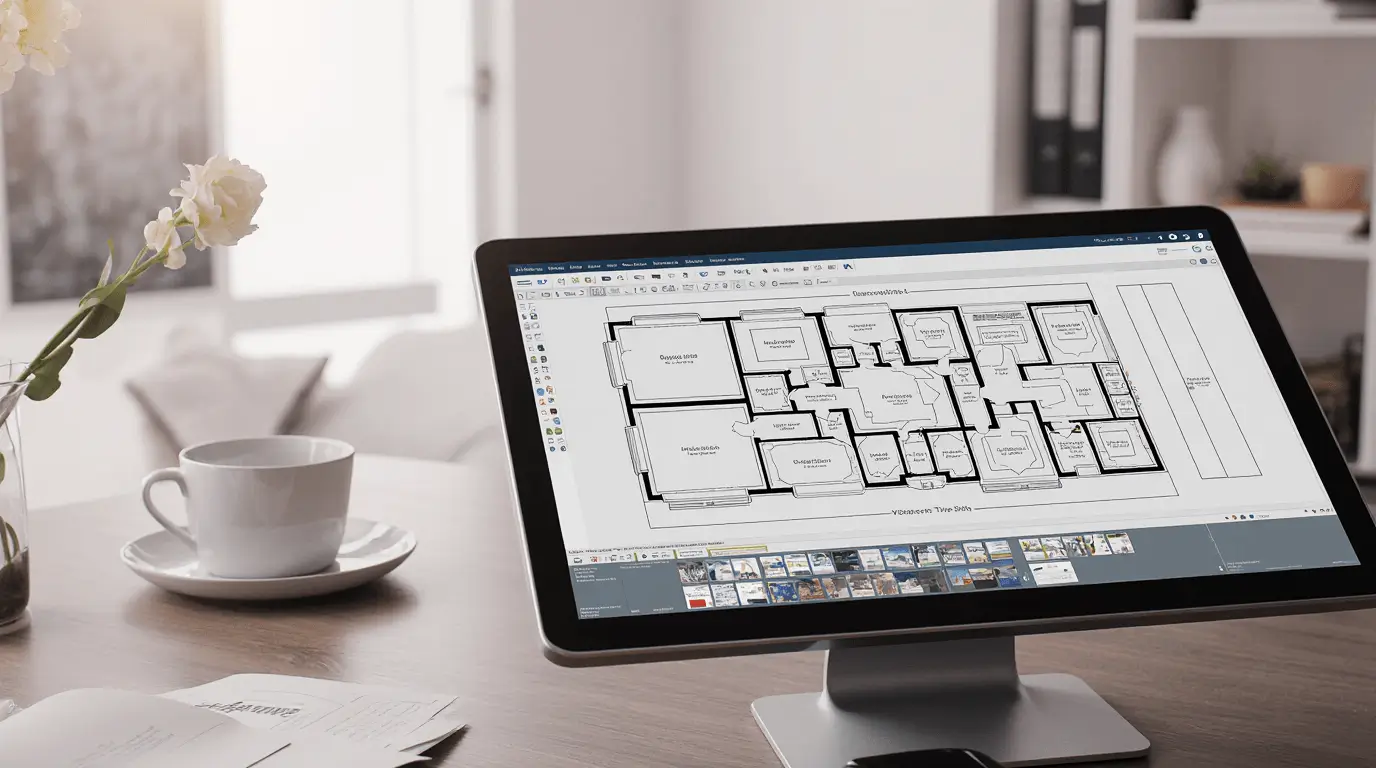
Space Planning Interior Design with Digital Tools
Room planning apps and digital tools help visualize layouts before execution. They allow experimentation with furniture placement and spatial organization.
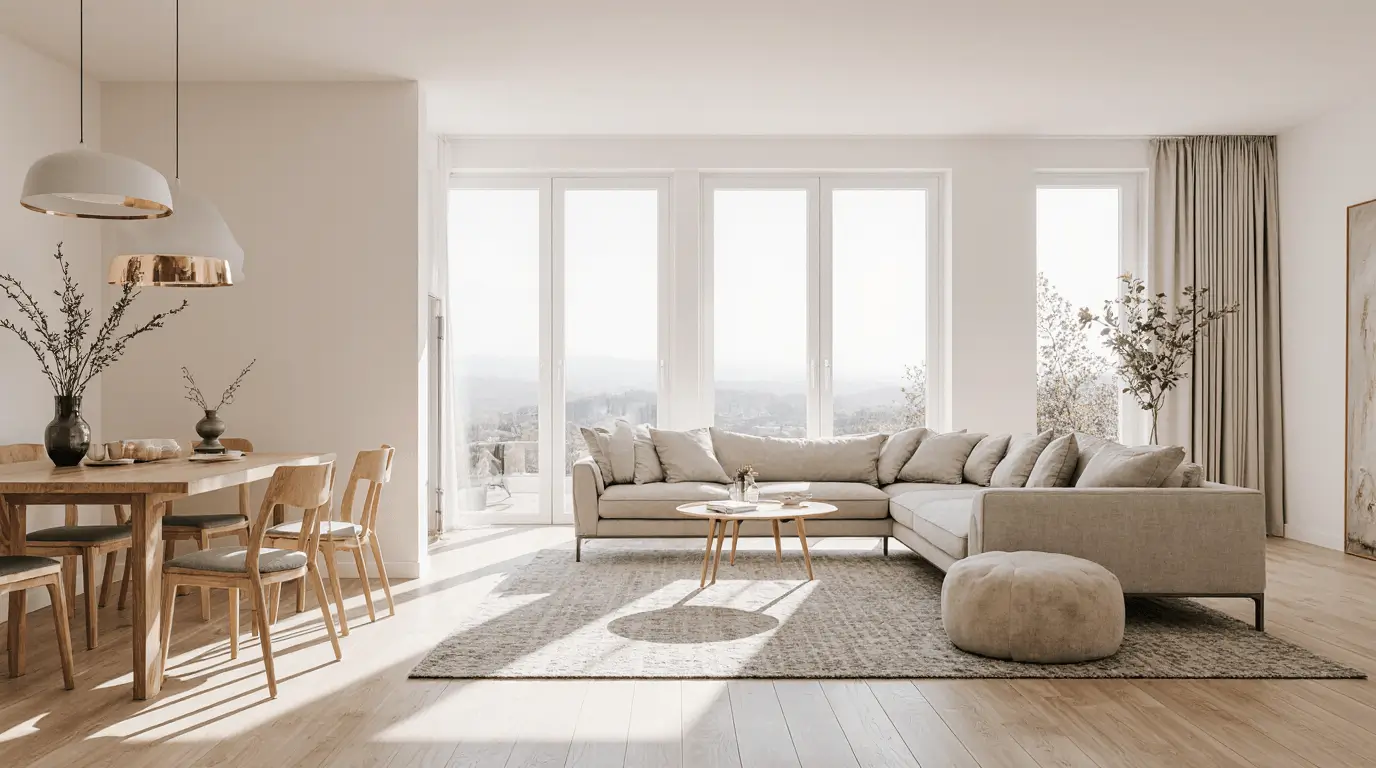
Space Planning Interior Design for Residential Homes
Homes require personalized planning based on lifestyle. Family needs, routines, and preferences shape how spaces are organized.
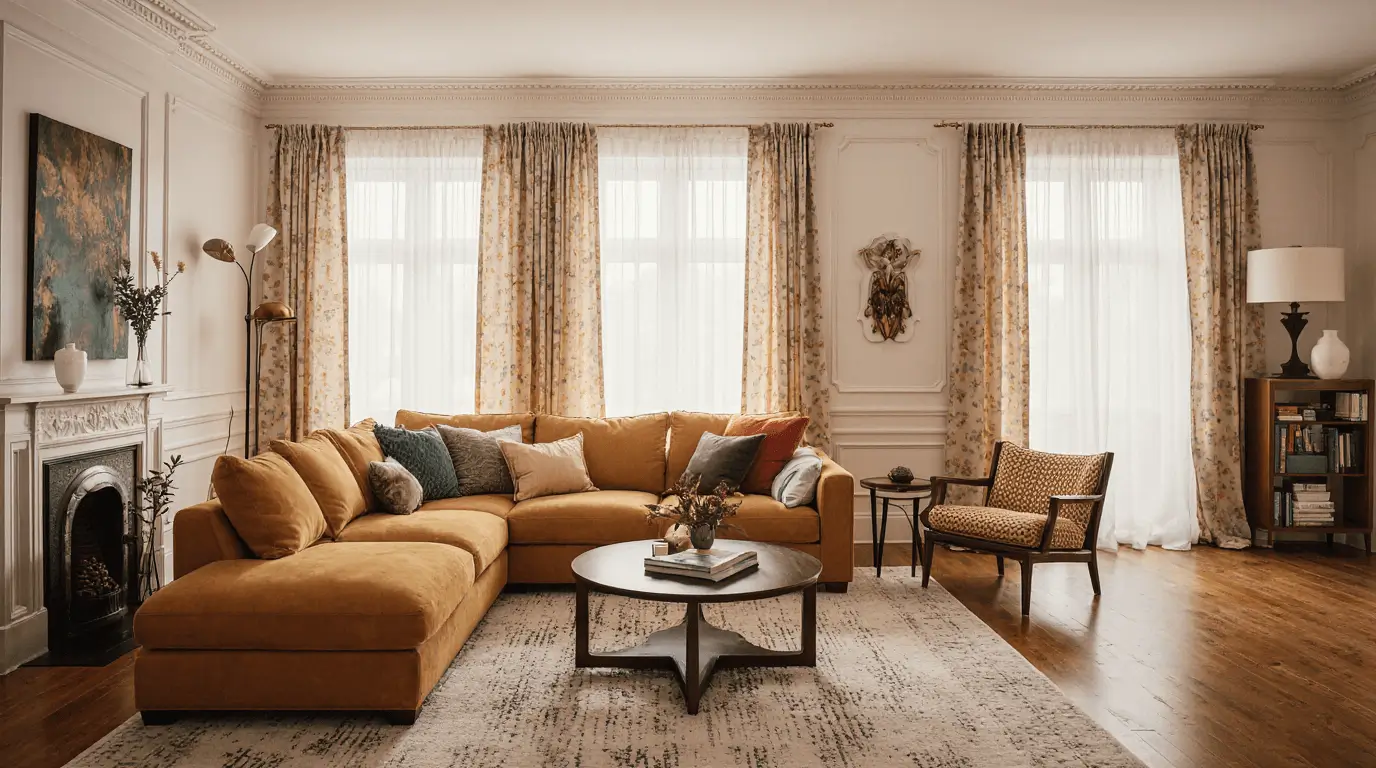
Space Planning Interior Design for Commercial Spaces
Commercial environments prioritize efficiency and brand identity. Layouts must support workflow while creating a strong visual impression.
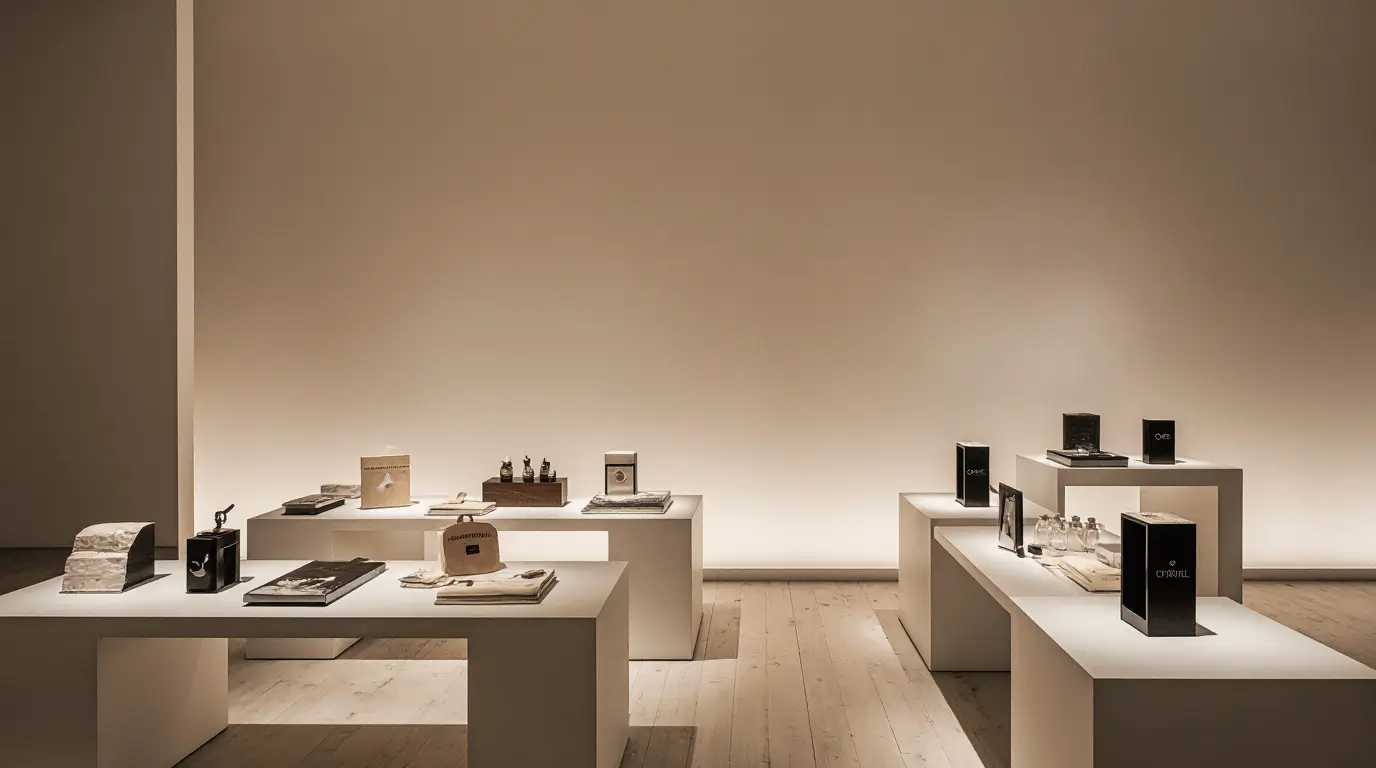
Space Planning Interior Design and Human Behavior
Understanding how people interact with space is crucial. Design decisions should reflect real-life habits, not just aesthetics.
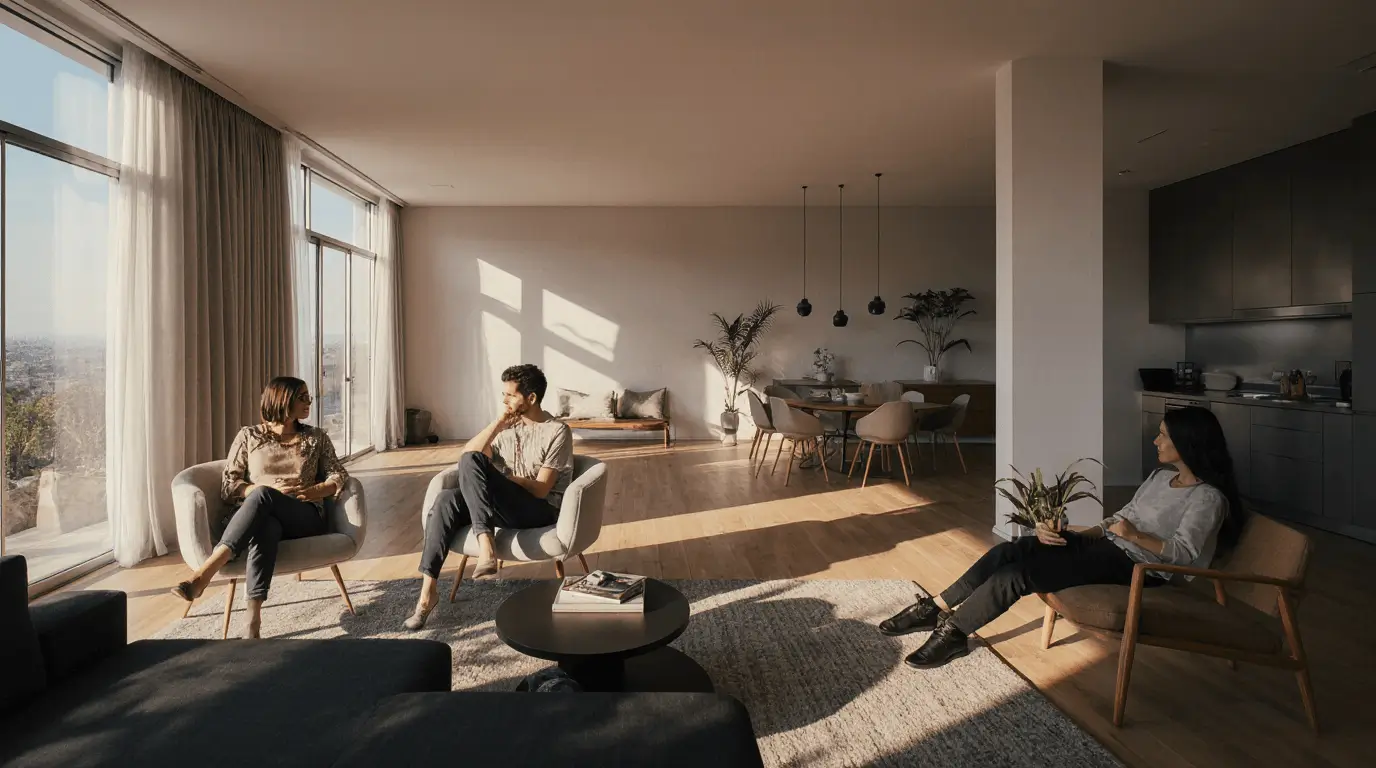
Space Planning Interior Design and Minimalism
Minimalist planning focuses on essentials. It eliminates excess while enhancing clarity, functionality, and calmness.
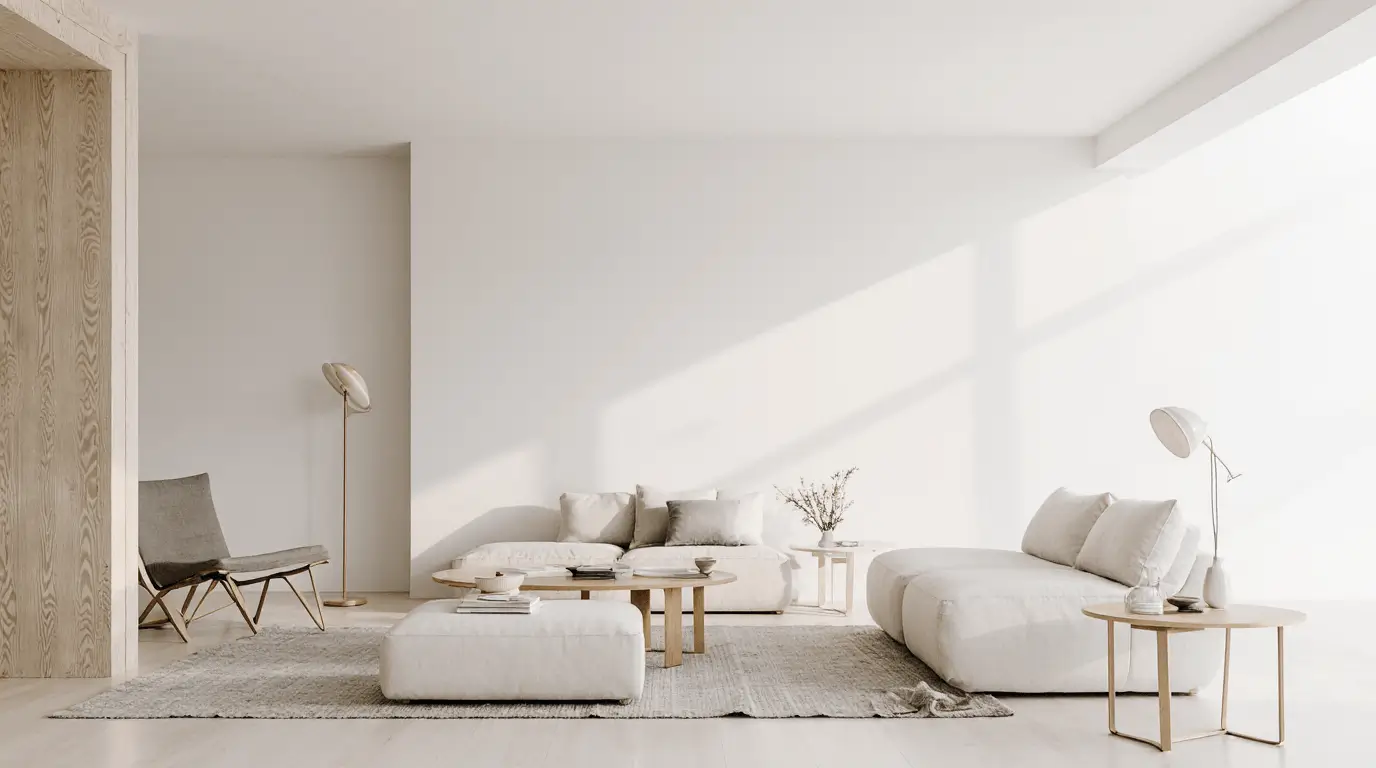
Space Planning Interior Design as a Design Philosophy
Ultimately, space planning is the backbone of all successful interiors. It blends function, aesthetics, and human experience into a cohesive whole.
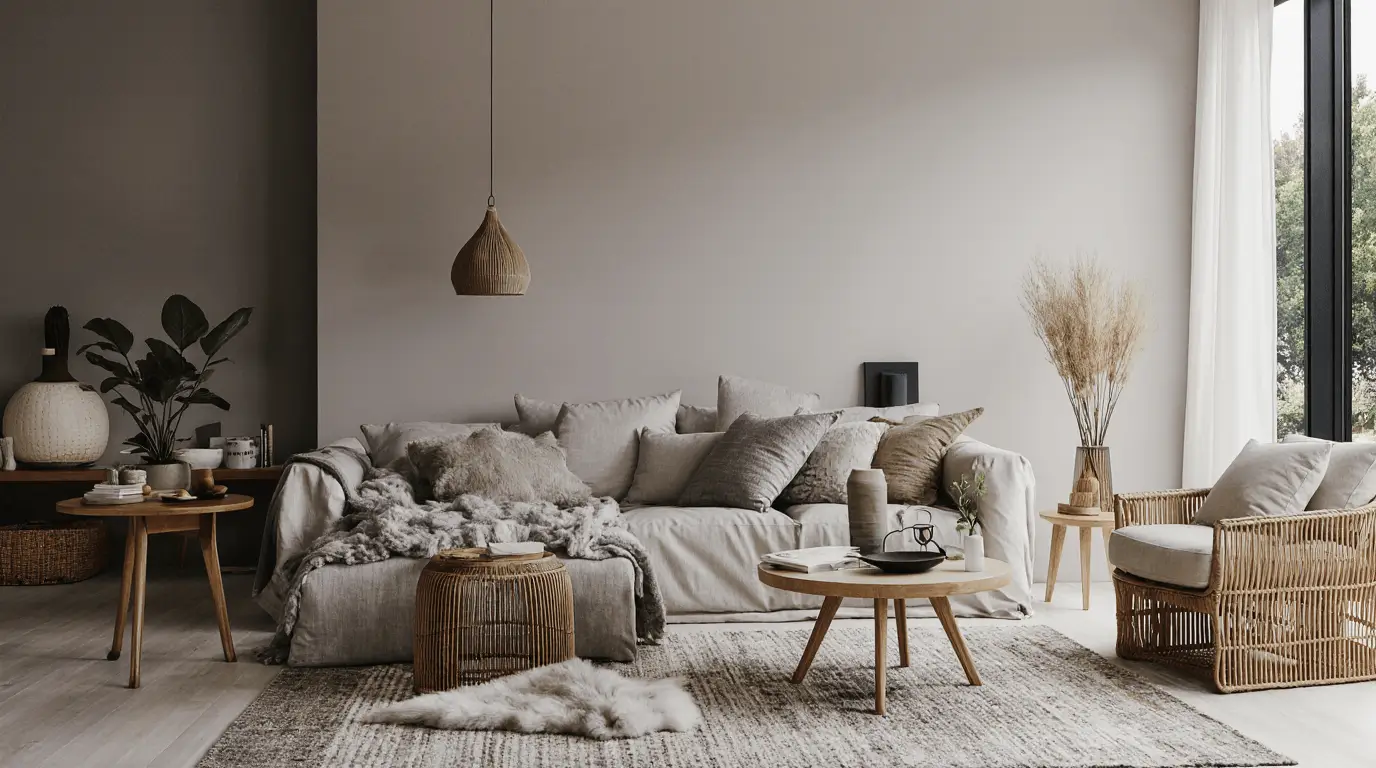
Conclusion: Bringing Space Planning Interior Design to Life
Space planning interior design is where creativity meets purpose. It’s the step that transforms ideas into environments that truly work—spaces that feel natural to move through, support daily routines, and quietly enhance well-being. When layouts are thoughtfully considered, even the simplest room can feel expansive, functional, and deeply comfortable.
In practice, the most successful interiors are not the ones filled with the most décor, but the ones where every element has intention. Whether you’re optimizing a small apartment, designing a family home, or organizing a workspace, the principles of balance, flow, and proportion remain constant. They guide decisions that reduce clutter, improve usability, and create a sense of calm.
This approach benefits anyone who values both beauty and function—homeowners, renters, designers, and business owners alike. By focusing on how a space is actually used, you can make confident decisions that stand the test of time. Start by observing your habits, defining priorities, and planning layouts before adding decorative layers. With this clarity, space planning becomes less overwhelming and far more rewarding.
Learn more : Interior Designer Hertfordshire: Elevate Your Home Style
Frequently Asked Questions
- What is the main purpose of space planning in interior design?
The primary goal is to create a layout that supports how people live or work within a space. It ensures furniture placement, movement flow, and functionality are aligned, making the environment both practical and visually balanced.
- How do I start planning a room layout effectively?
Begin by measuring the space and identifying its primary function. Then map out key zones—such as seating, sleeping, or working areas—before placing furniture. Prioritize clear pathways and avoid overcrowding.
- Why does my room feel cluttered even with minimal furniture?
Clutter is often a result of poor layout rather than too many items. Misaligned furniture, blocked pathways, or lack of storage can disrupt flow and make a space feel cramped despite having fewer pieces.
- Is space planning important for small rooms?
It’s even more critical in small spaces. Smart planning helps maximize every inch, using techniques like multi-functional furniture, vertical storage, and open visual lines to create a sense of spaciousness.
- Can I use digital tools or apps for space planning?
Yes, digital room planners can be very helpful. They allow you to experiment with layouts, test furniture arrangements, and visualize the space before making real-world changes, reducing costly mistakes.
- How does lighting affect space planning?
Lighting plays a key role in defining zones and enhancing usability. A well-planned lighting layout supports different activities while also influencing the mood and perception of space.
- What’s the biggest mistake people make in space planning interior design?
One of the most common mistakes is focusing on aesthetics before function. Choosing furniture or décor without considering layout, scale, and movement often leads to impractical and uncomfortable spaces.



One Response