
Introduction
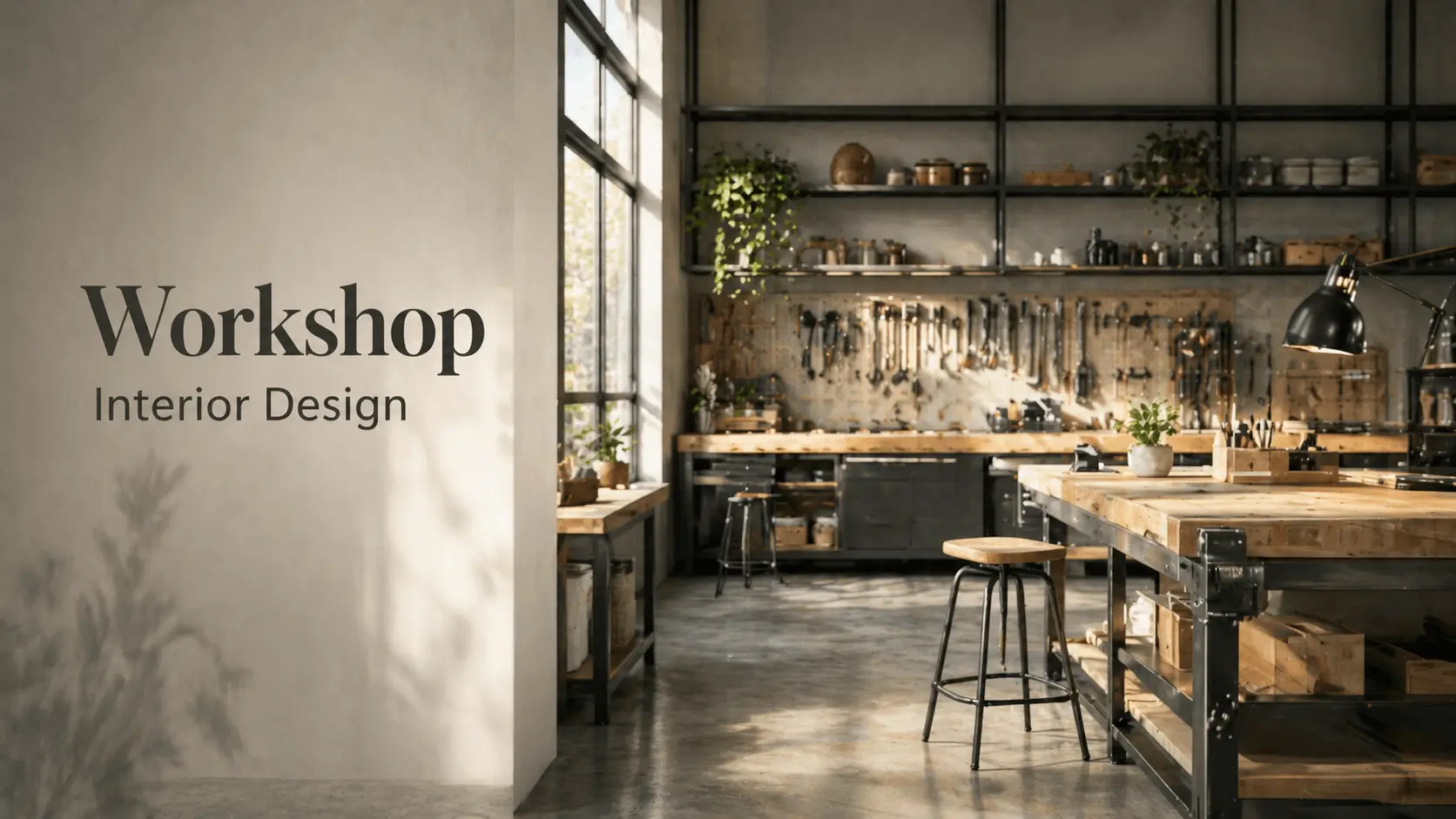
Designing a workshop is no longer just about placing tools and workbenches in a room—it’s about crafting an environment that enhances productivity, creativity, and safety. Workshop interior design blends functionality with aesthetics, ensuring every element—from layout to lighting—supports the purpose of the space while maintaining visual harmony.
From small home setups to large-scale automotive or creative studios, the principles of thoughtful design remain consistent. In my experience working with workshop layouts, the most successful spaces are those that balance efficiency with comfort. When tools are accessible, lighting is intentional, and materials are durable yet visually appealing, the workshop becomes a place people genuinely enjoy working in—not just a functional necessity.
Workshop Interior Design Layout Planning
A well-planned layout is the backbone of any effective workshop. Zones for different tasks—cutting, assembling, finishing—should flow logically to reduce movement and improve efficiency. Clear pathways and ergonomic placement make daily tasks smoother and safer.
Small Workshop Interior Design Solutions
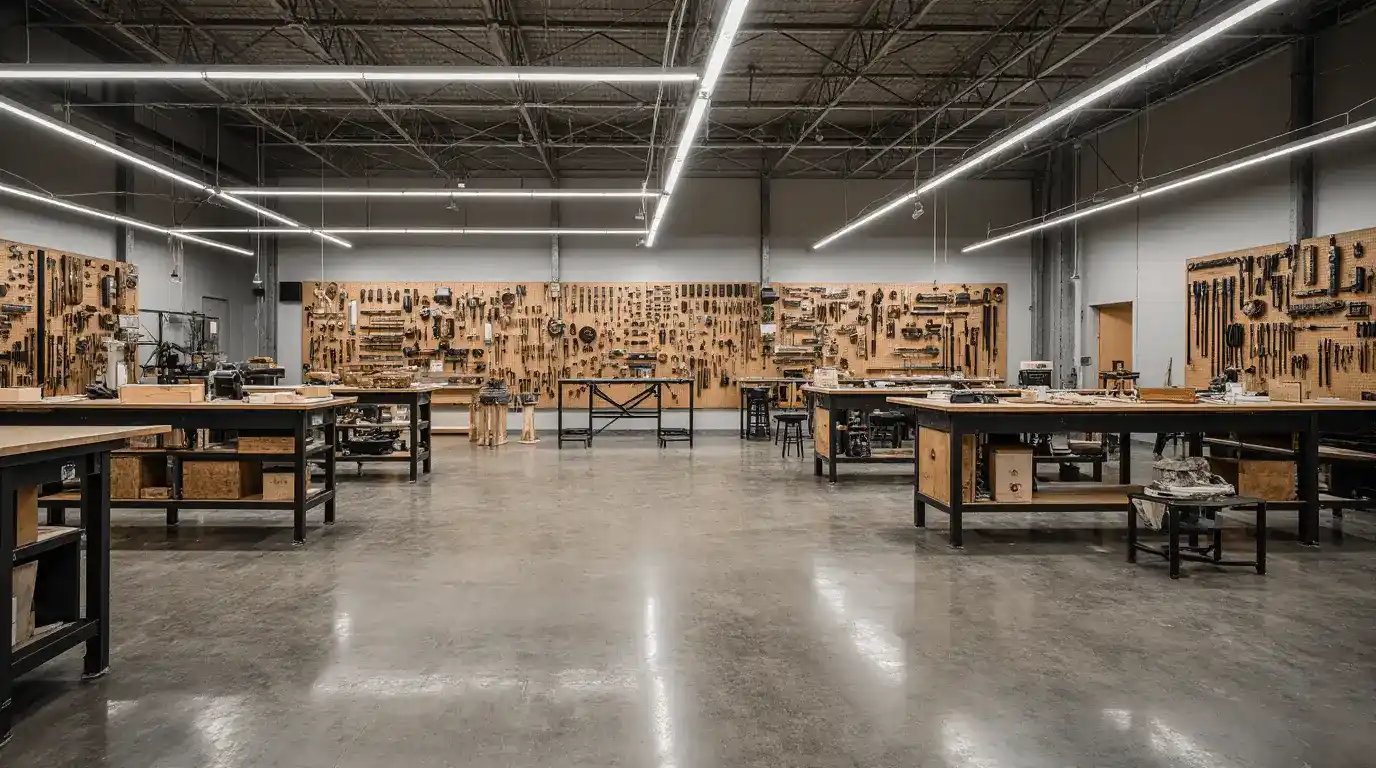
Compact spaces demand smart planning. Vertical storage, foldable workstations, and multifunctional furniture help maximize every square foot without feeling cramped.
Car Workshop Interior Design Concepts
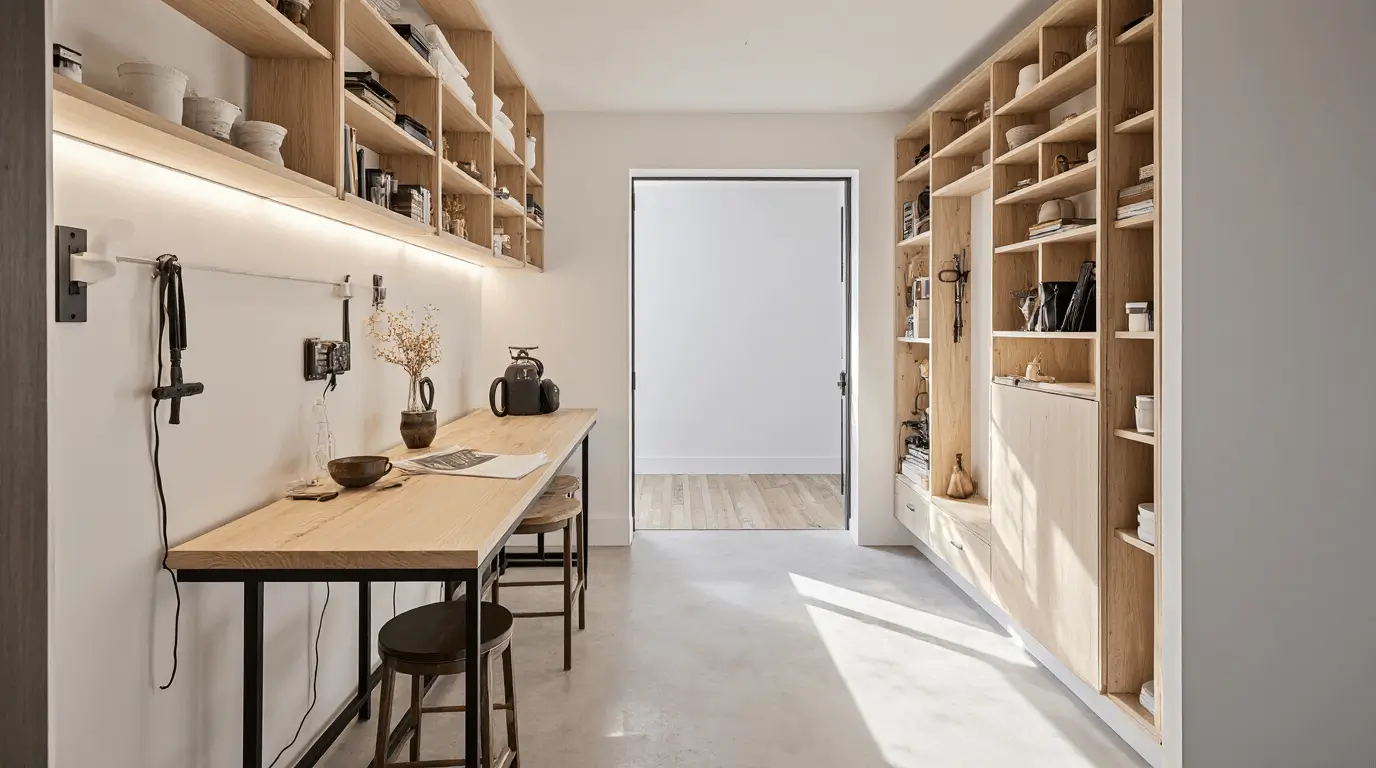
Automotive workshops require durability and organization. Oil-resistant flooring, heavy-duty shelving, and clear tool categorization improve workflow and safety in high-use environments.
Workshop Interior Design Ideas for Creativity
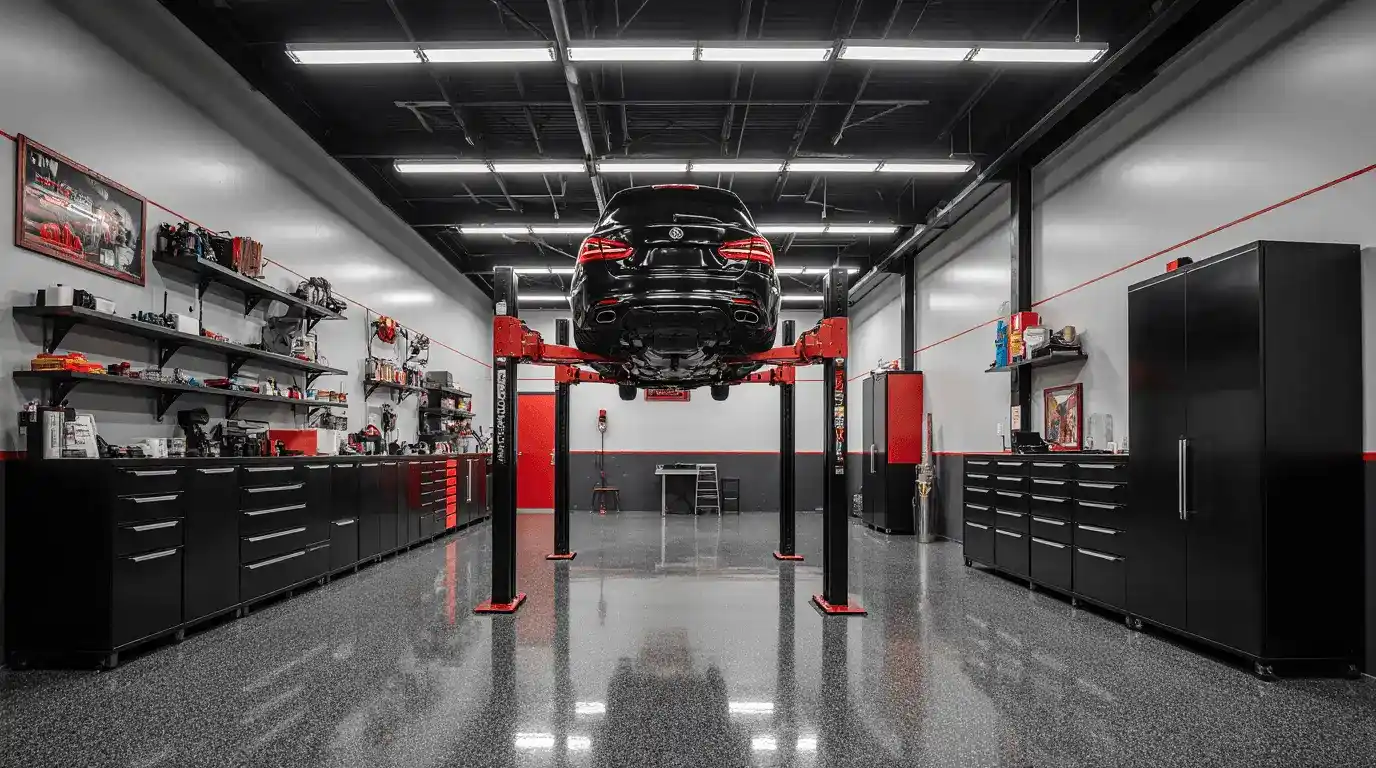
Creative workshops benefit from open layouts, inspiring color palettes, and flexible work areas. A mix of textures and materials can stimulate innovation while maintaining order.
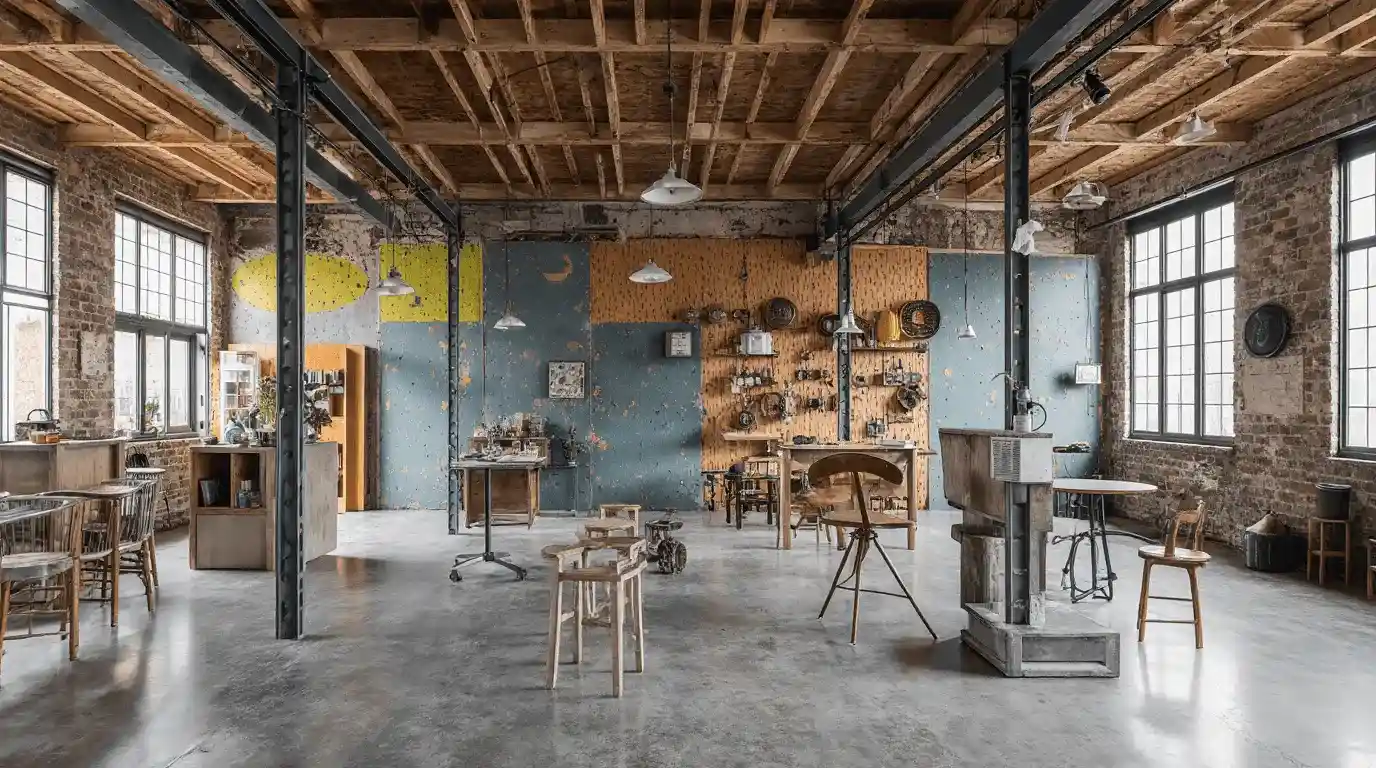
Workshop Interior Design Lighting Strategy
Lighting determines both functionality and mood. Layered lighting—task, ambient, and accent—ensures precision work is supported while maintaining visual comfort.
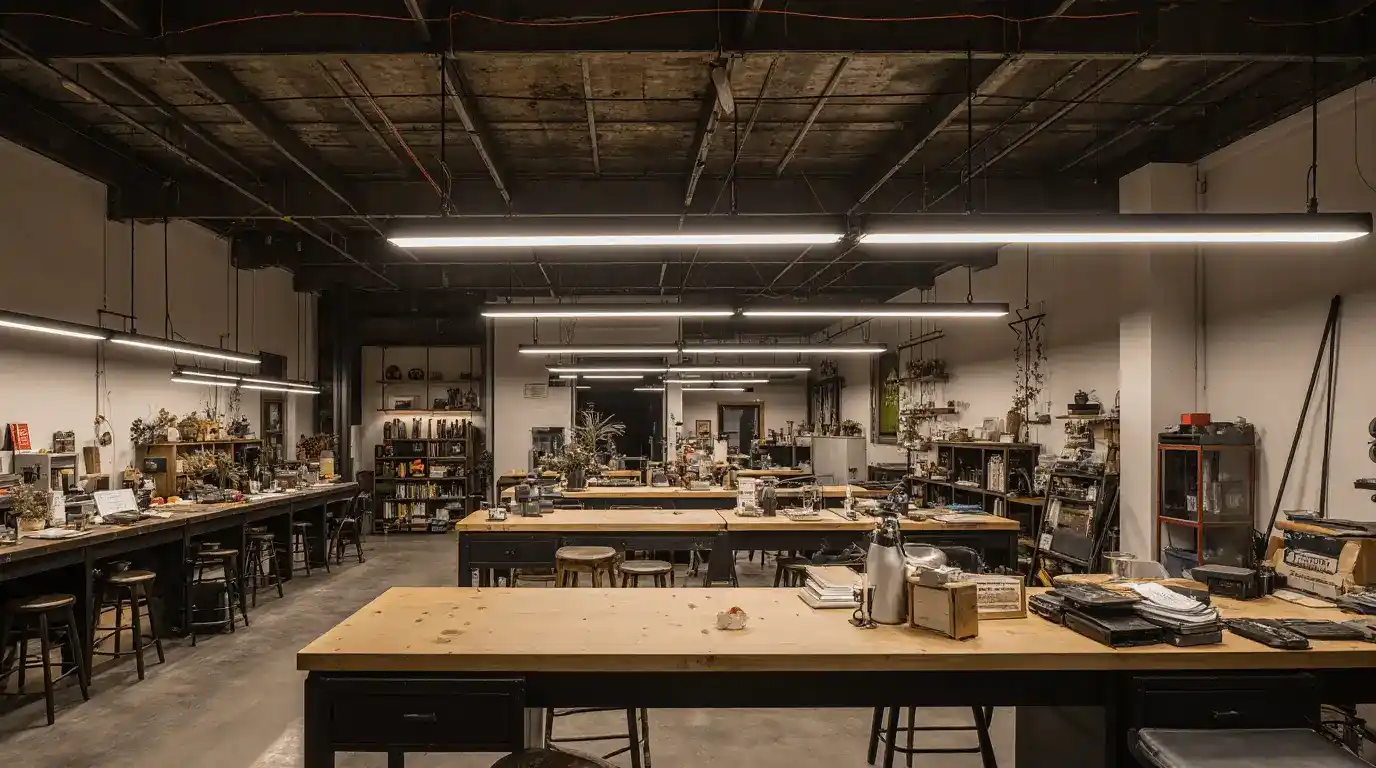
Workshop Interior Design Storage Systems
Efficient storage keeps tools accessible and reduces clutter. Pegboards, modular cabinets, and labeled compartments create a system that saves time and maintains order.
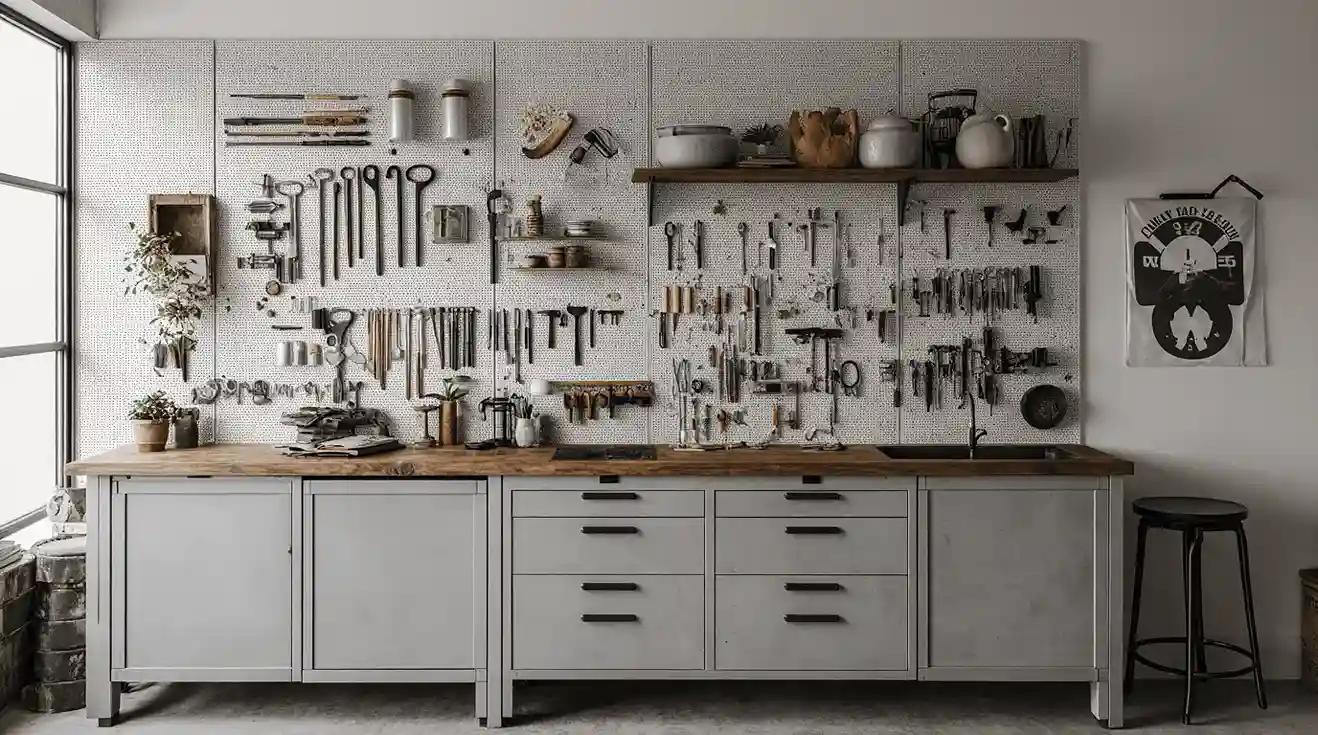
Workshop Interior Design Materials Selection
Durable materials like steel, hardwood, and reinforced concrete ensure longevity. Choosing finishes that resist wear while maintaining visual appeal is essential.
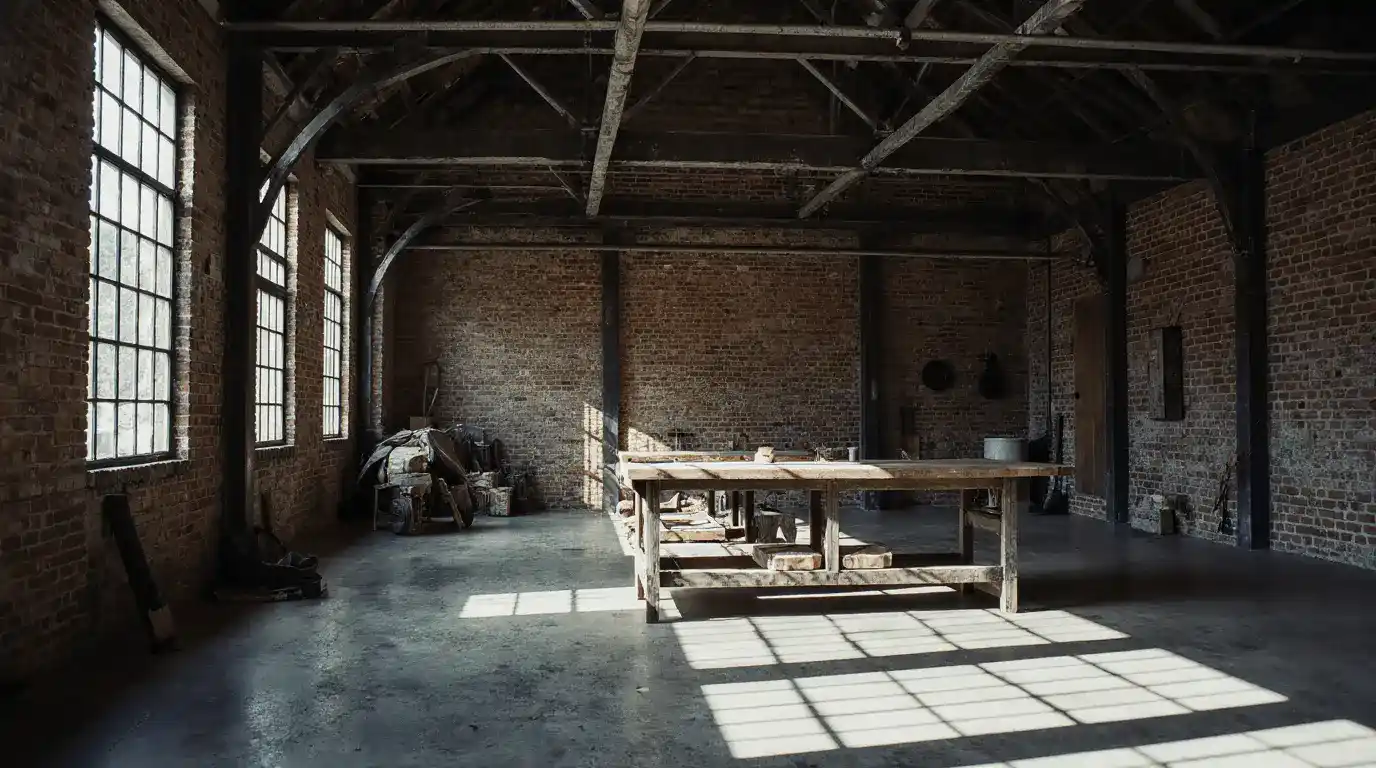
Workshop Interior Design Color Schemes
Color influences focus and energy. Neutral bases with strategic accent colors help maintain clarity while adding personality to the space.
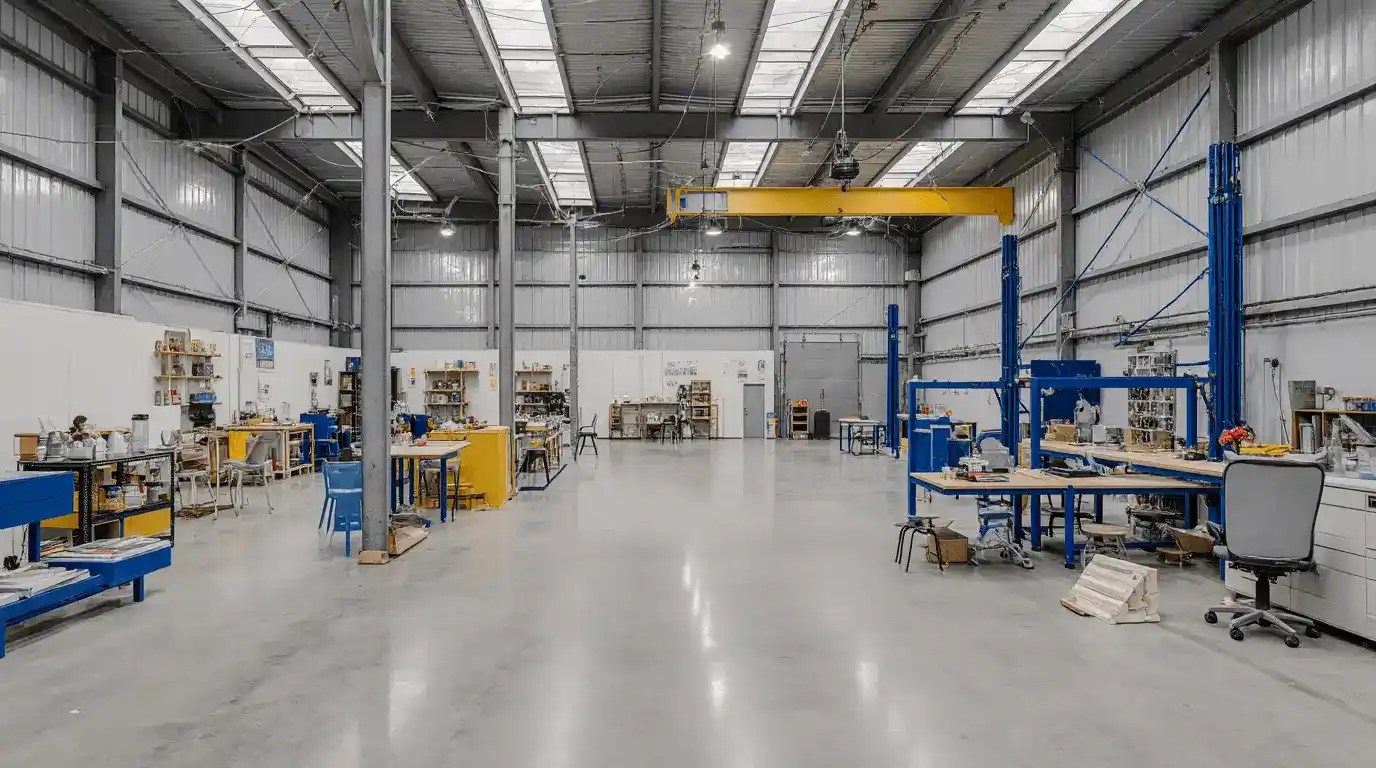
Workshop Interior Design Ergonomics
Comfort directly impacts productivity. Adjustable workbenches, anti-fatigue mats, and proper seating reduce strain and improve long-term usability.
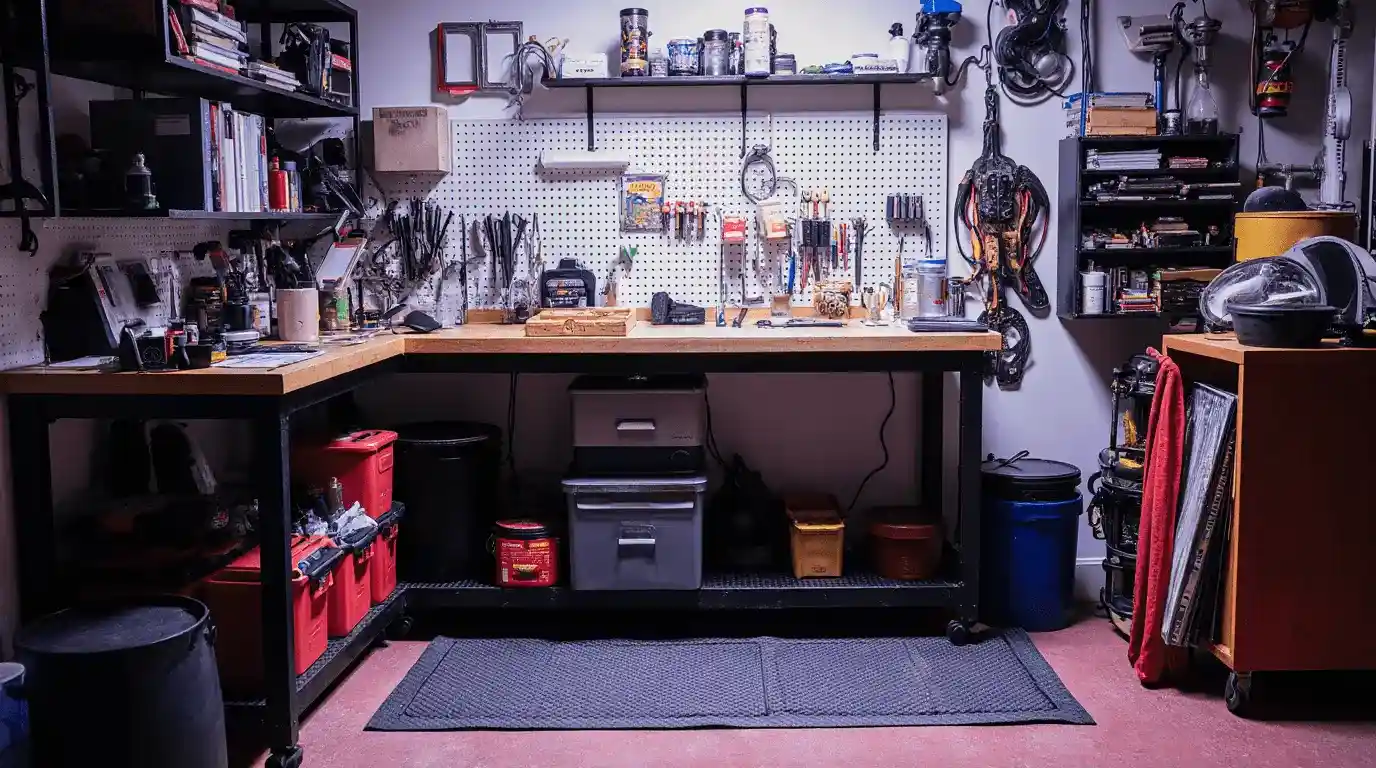
Workshop Interior Design for Home Spaces
Home workshops must integrate seamlessly with the rest of the house. Clean aesthetics, noise control, and compact design ensure harmony with living areas.
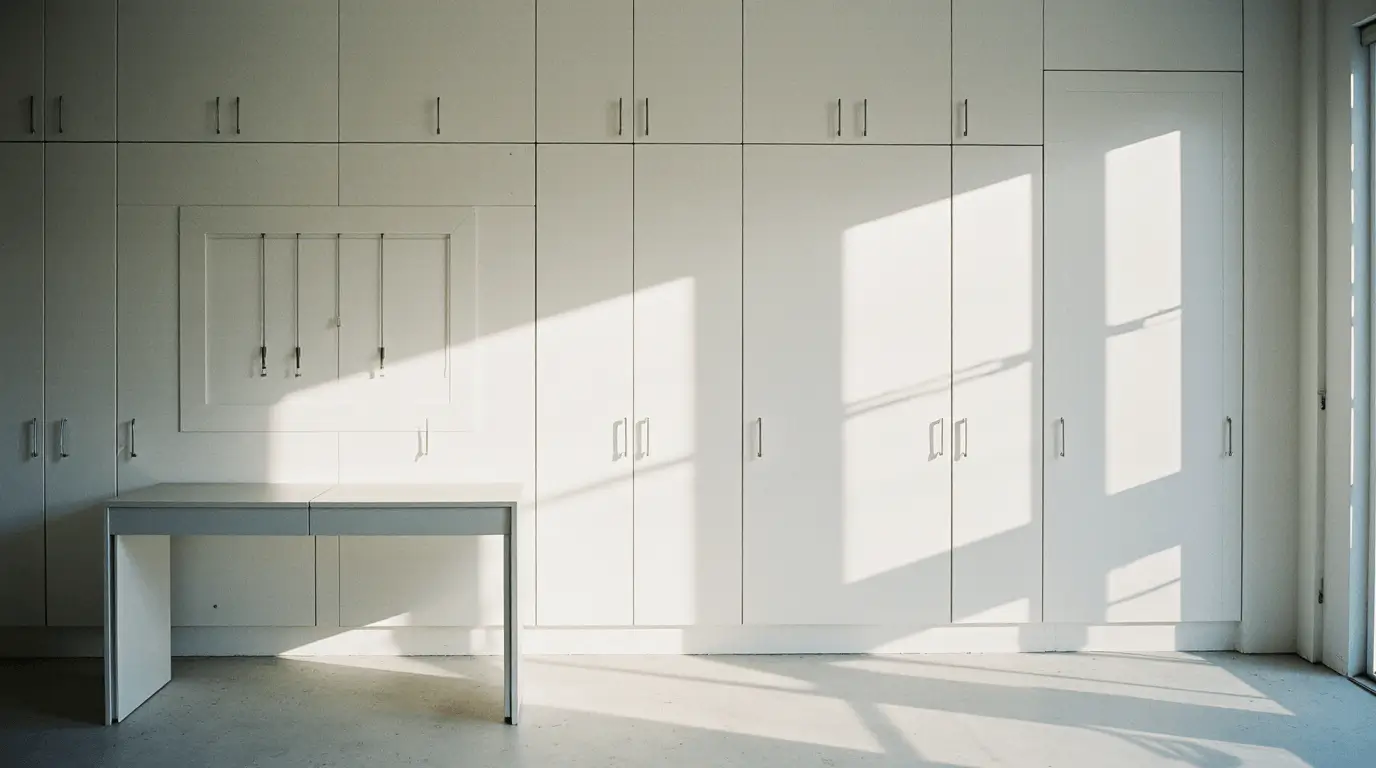
Workshop Interior Design Safety Features
Safety is a non-negotiable aspect. Proper ventilation, fire-resistant materials, and clear signage protect users while maintaining efficiency.
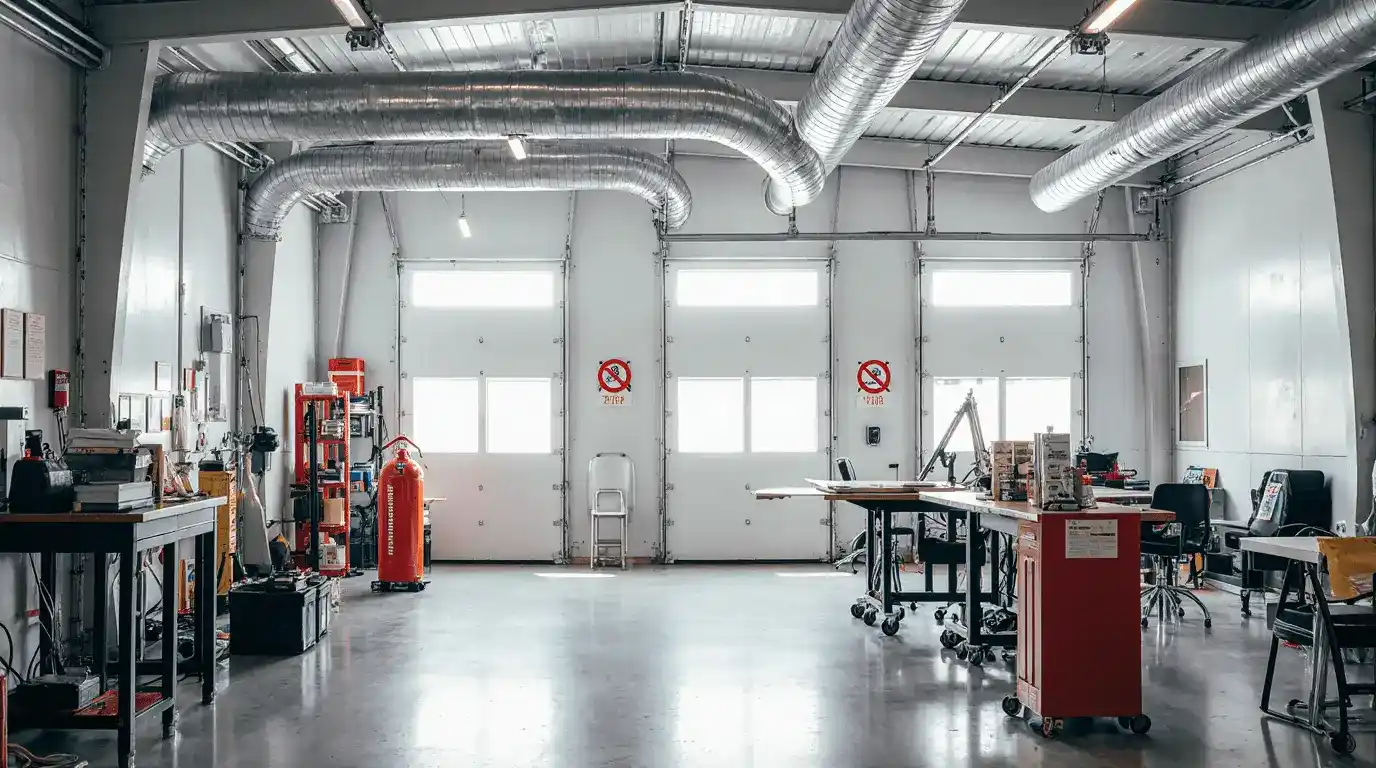
Workshop Interior Design for Flexibility
Adaptable spaces allow for evolving needs. Modular furniture and movable partitions make it easy to reconfigure the workshop over time.
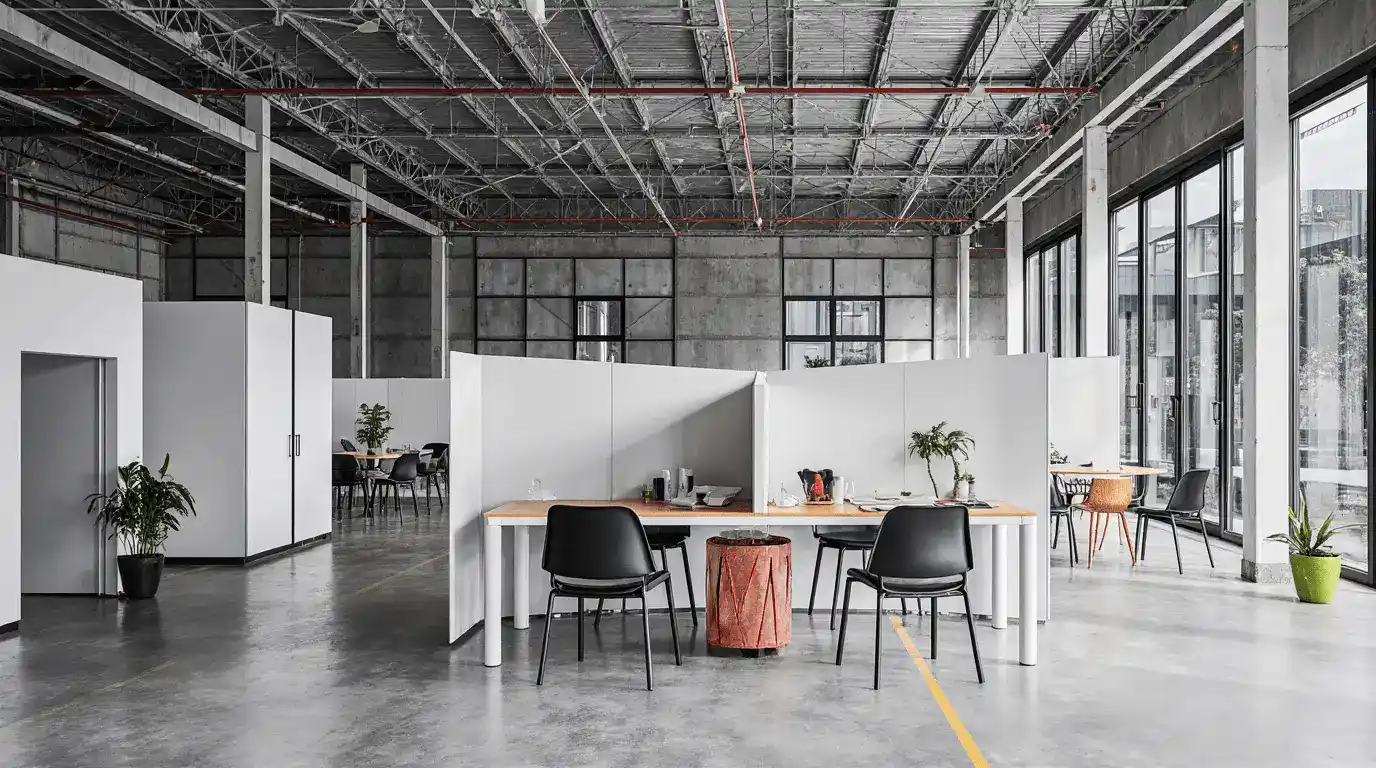
Workshop Interior Design Workflow Optimization
Efficient workflow reduces wasted time and effort. Positioning tools and stations according to usage frequency enhances productivity.
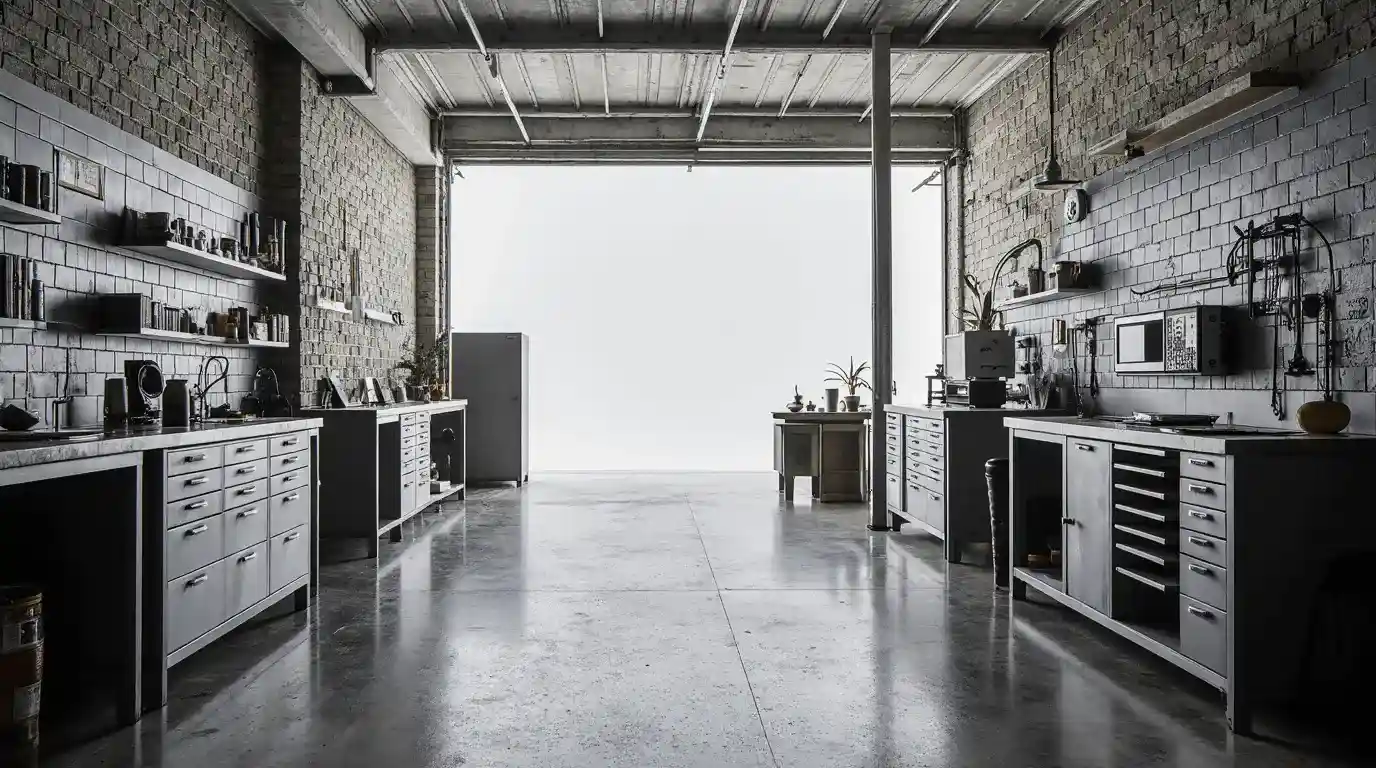
Workshop Interior Design Aesthetic Balance
A visually appealing workshop boosts motivation. Combining industrial elements with refined finishes creates a balanced, inspiring environment.
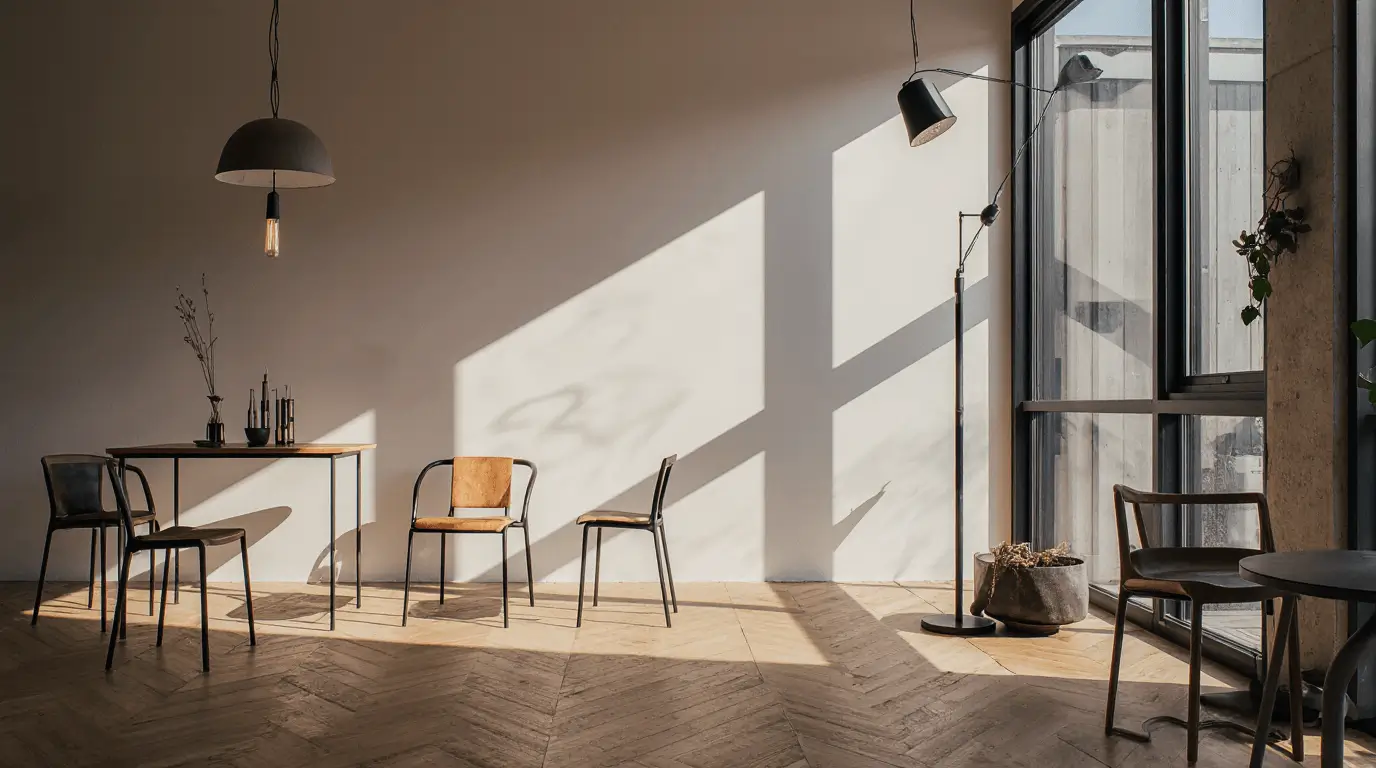
Workshop Interior Design for Learning Environments
Workshops used for teaching or training require clear layouts, collaborative spaces, and accessible tools. Visibility and organization enhance the learning experience.
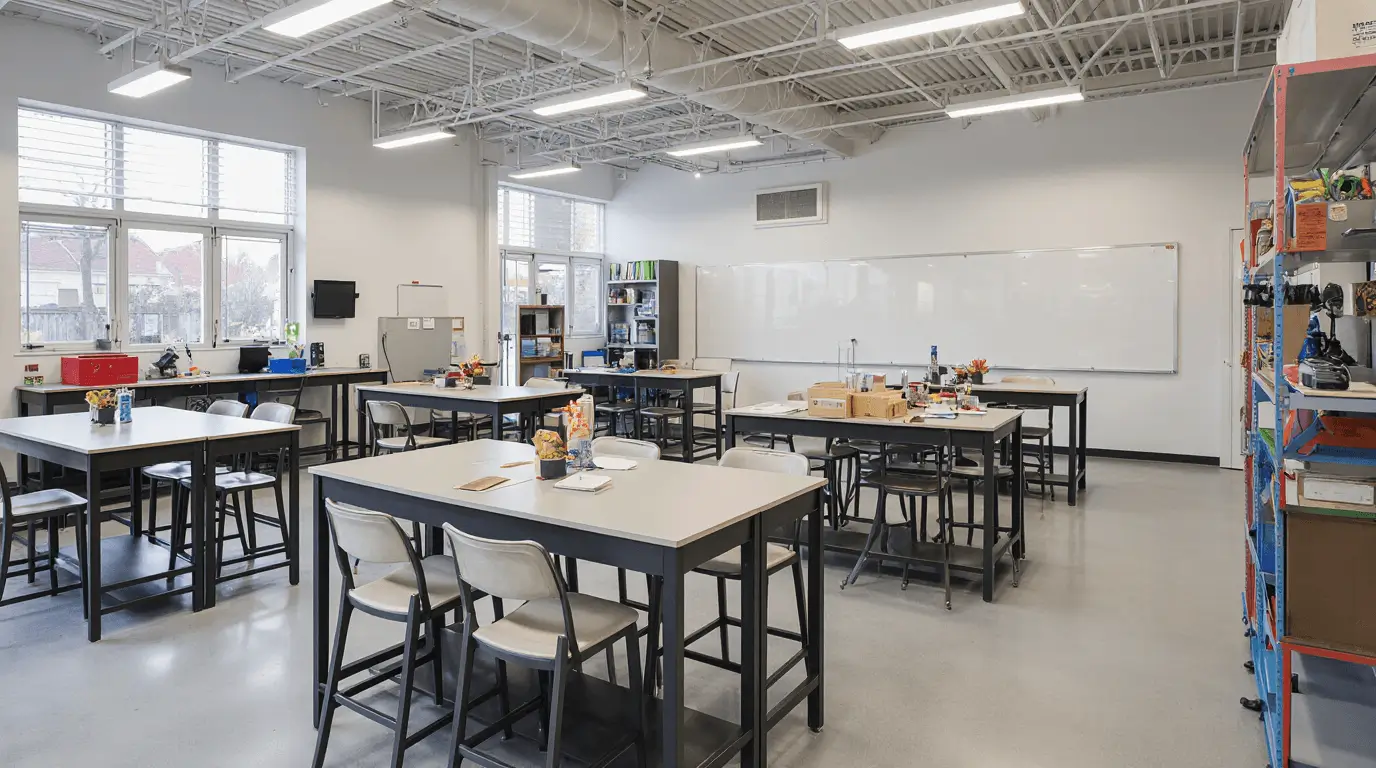
Workshop Interior Design Technology Integration
Modern workshops benefit from smart technology. Digital tool tracking, automated lighting, and integrated power systems improve efficiency and convenience.

Workshop Interior Design Finishing Touches
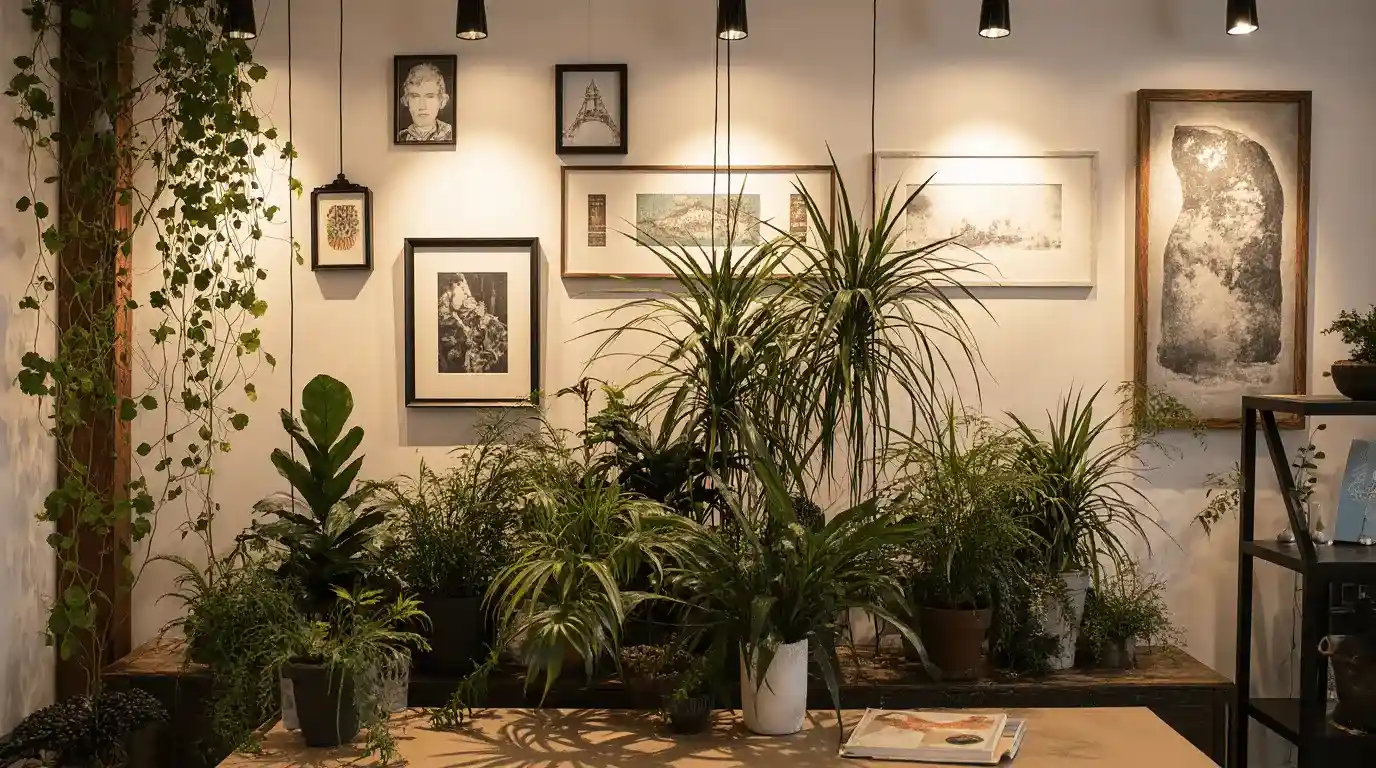
Details like wall art, greenery, and personalized elements make the space inviting. These touches transform a purely functional workshop into a space with character.
Conclusion: Designing Workshops That Truly Work
A well-executed workshop interior design is not just about aesthetics—it’s about creating a space that supports how you think, move, and build. The most effective workshops are those where every element has purpose: the layout reduces friction, the lighting enhances precision, the materials withstand daily use, and the overall environment encourages focus without fatigue.
In practice, the difference between a frustrating workspace and a highly productive one often comes down to thoughtful design decisions. When tools are logically arranged, surfaces are durable yet comfortable to use, and the space feels visually balanced, productivity improves almost naturally. Whether you’re setting up a compact home workshop or refining a large-scale professional environment, the same principle applies: design should serve the user, not the other way around.
For those planning or upgrading their workshop, start with clarity—understand your workflow, prioritize functionality, and then refine the visual and sensory experience. This approach ensures the space evolves with your needs while remaining efficient, safe, and inspiring over time.
Learn more : Glass Block Walls Interior That Transform Spaces
FAQs About Workshop Interior Design
- What is the most important factor in workshop interior design?
The layout is the foundation. A well-planned workflow that minimizes unnecessary movement and keeps essential tools within reach significantly improves efficiency and safety. - How can I design a workshop in a small space?
Focus on vertical storage, multi-use furniture, and foldable workstations. Keeping the design minimal and organized prevents the space from feeling overcrowded while maintaining functionality. - What type of lighting works best in a workshop?
A combination of bright task lighting and balanced ambient lighting is ideal. Task lighting ensures precision, while ambient lighting reduces eye strain and creates a comfortable working environment. - Which materials are best for workshop interiors?
Durable materials like steel, hardwood, and sealed concrete are commonly used because they resist wear and are easy to maintain. Choosing the right materials ensures longevity and reliability. - How do I make my workshop both functional and visually appealing?
Start with a neutral base and add subtle accents through color, texture, or décor. Clean organization and thoughtful material combinations naturally enhance the visual appeal without compromising usability. - Are ergonomic features really necessary in a workshop?
Yes, especially for long working hours. Adjustable workbenches, proper seating, and anti-fatigue mats reduce strain and help maintain comfort, which directly impacts productivity. - How can I future-proof my workshop design?
Incorporate flexibility through modular storage, movable workstations, and adaptable layouts. This allows the space to evolve as your tools, projects, or needs change over time.





One Response