
Introduction
Georgian interior design is one of the most refined and enduring styles in architectural history. Rooted in 18th-century Britain and inspired by classical Roman and Greek ideals, it is defined by symmetry, proportion, and restrained ornamentation. Unlike overly decorative periods that followed, Georgian interiors rely on balance, craftsmanship, and architectural clarity.
Having worked with both period restorations and modern reinterpretations, I’ve found that the true power of this style lies in its structure. Georgian interior design is not just about decorative details—it is about disciplined layouts, harmonious scale, and materials that age gracefully. Whether applied to a historic townhouse or a contemporary build, its principles remain remarkably adaptable.
Below are the essential clusters that define Georgian interiors in both traditional and modern contexts.
Georgian Interior Design and Architectural Symmetry
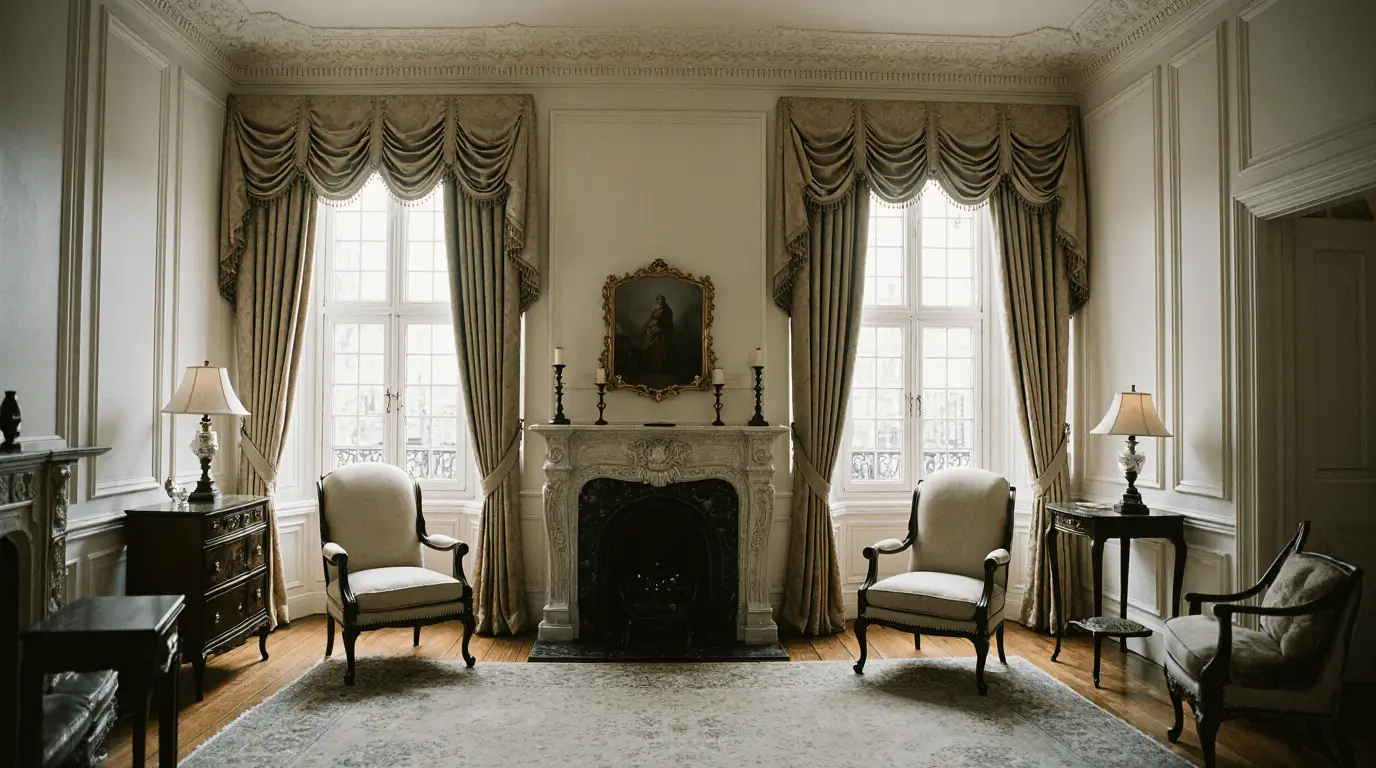
Georgian interior design is fundamentally symmetrical. Rooms are organized around a central axis, with matching windows, fireplaces, and furniture arrangements that create visual harmony.
This symmetry establishes calmness and order—qualities that make Georgian spaces feel timeless rather than trend-driven.
Georgian Interior Design Style and Classical Proportion
Proportion is everything in Georgian interior design style. Ceiling heights, cornice scale, door placements, and window dimensions follow mathematical balance inspired by Palladian architecture.
This careful ratio between elements gives rooms a dignified and graceful presence.
Georgian Style Interior Design and Wall Paneling
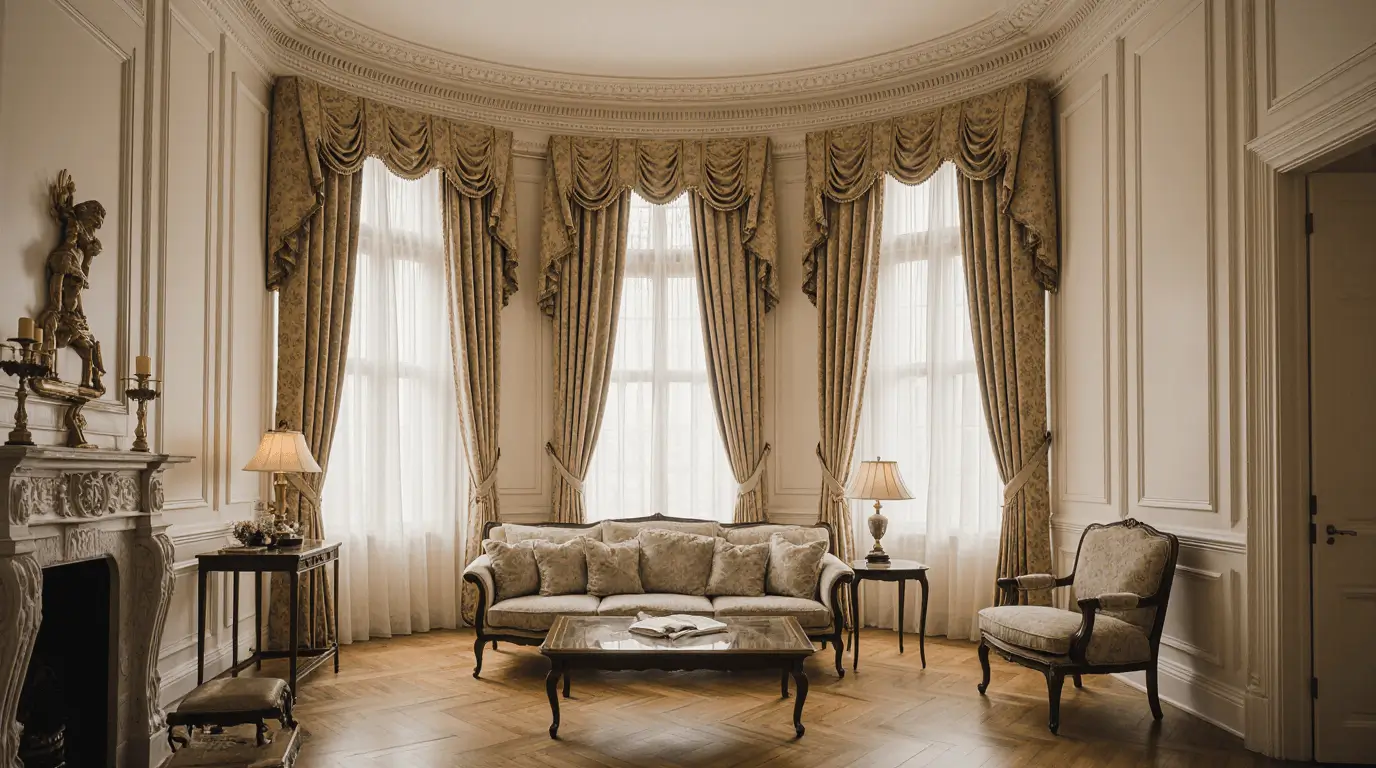
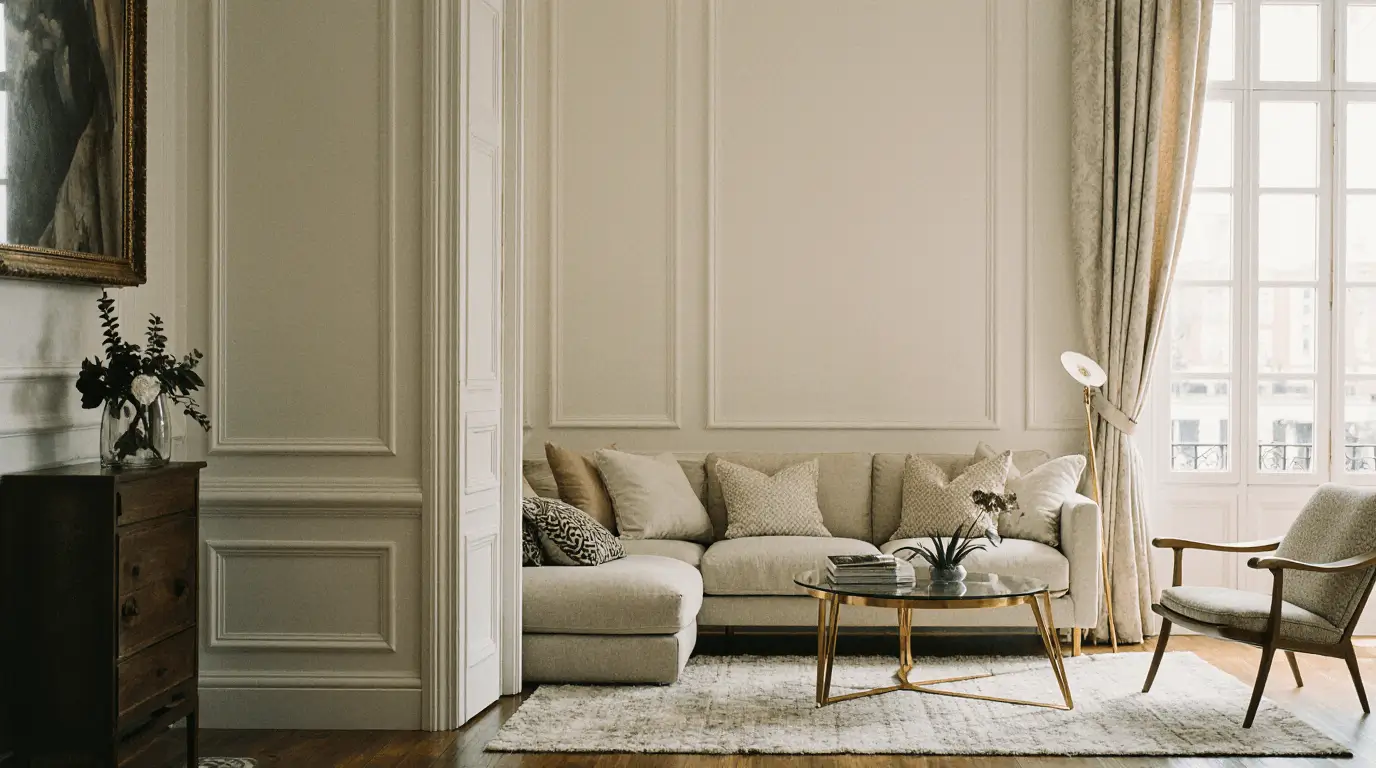
Wall paneling is a defining feature of Georgian style interior design. Raised panels, dado rails, and decorative moldings create depth while maintaining restraint.
Painted paneling in muted tones enhances architectural elegance without overwhelming the space.
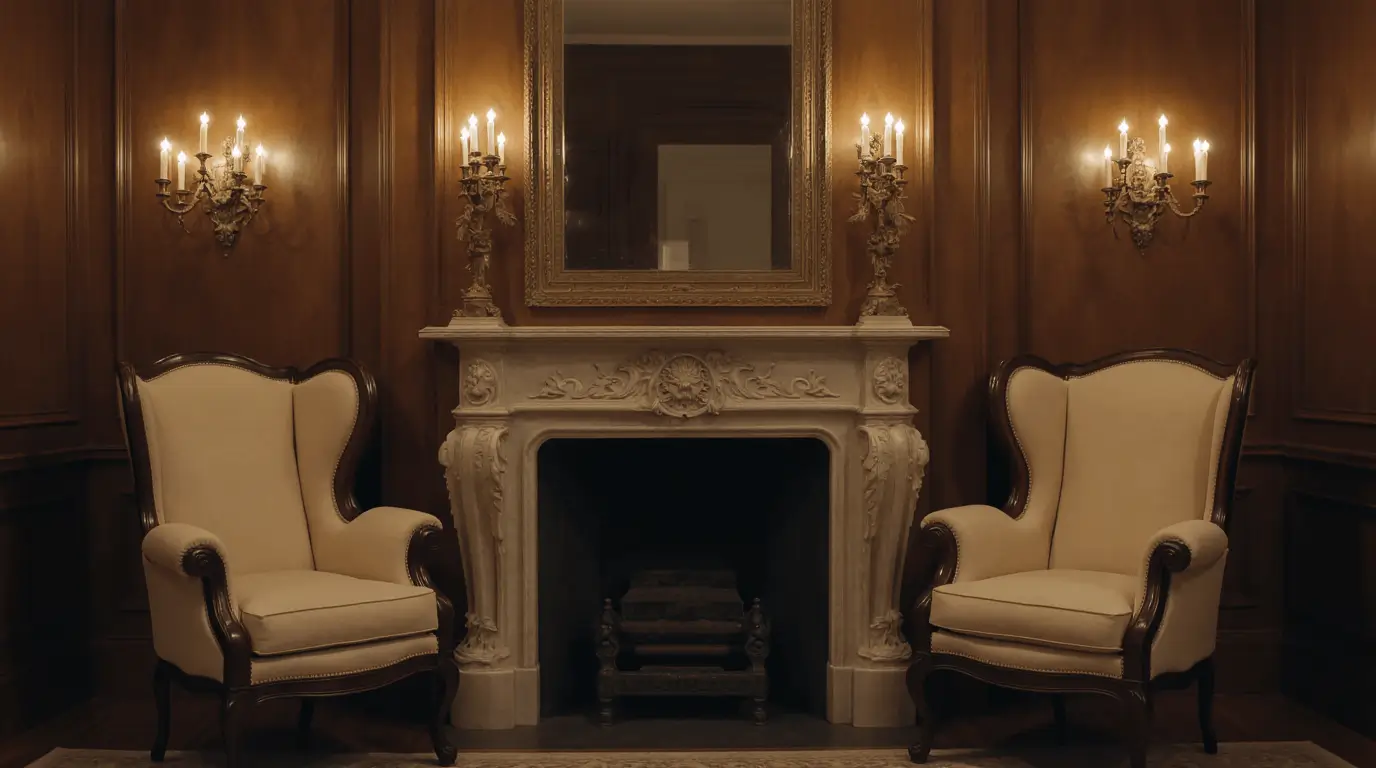
Georgian House Interior Design and Grand Fireplaces
In Georgian house interior design, fireplaces are focal points. Marble surrounds, classical columns, and carved mantels anchor the room.
A well-proportioned fireplace reinforces symmetry and establishes hierarchy within the space.
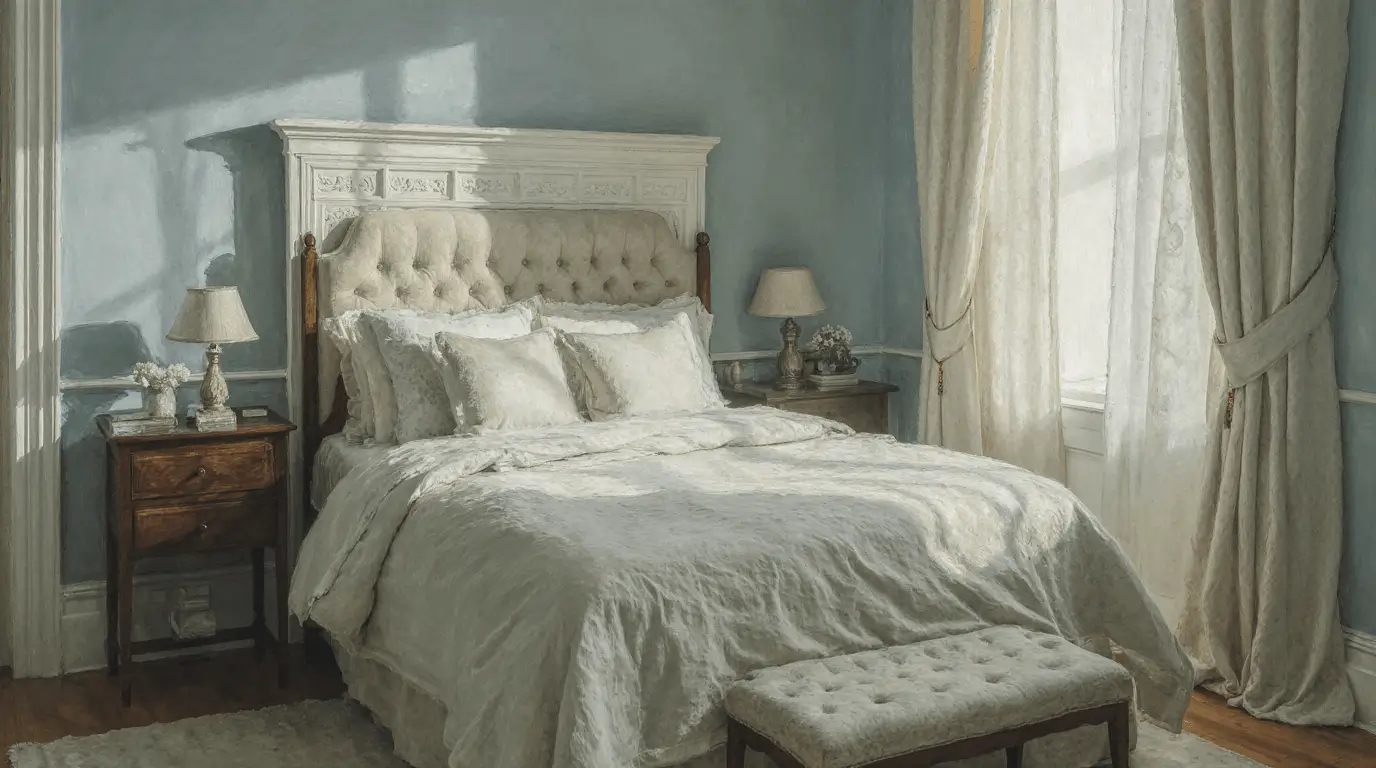
Georgian Home Interior Design and Muted Color Palettes
Authentic Georgian home interior design favors soft, muted palettes—stone, sage, dusty blue, warm cream, and muted gold.
These colors enhance architectural detailing rather than competing with it.
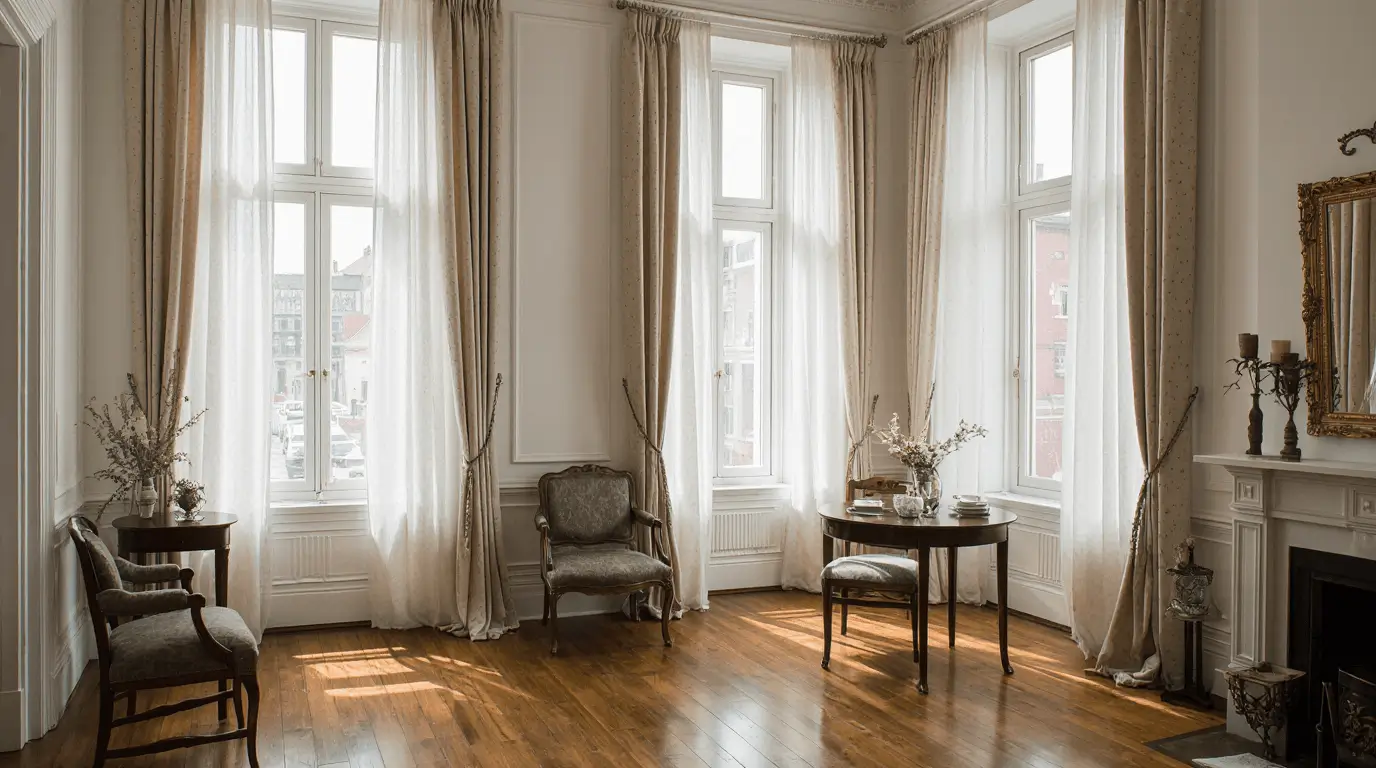
Georgian Interiors and Sash Windows
Tall sash windows are integral to Georgian interiors. They allow abundant natural light and reinforce vertical proportion.
Paired with simple drapery, they maintain elegance without visual clutter.
Georgian Decor Style and Refined Ornamentation
Georgian decor style incorporates classical motifs—swags, urns, garlands, and medallions—but always with restraint.
Decorative detailing supports architecture rather than overpowering it.
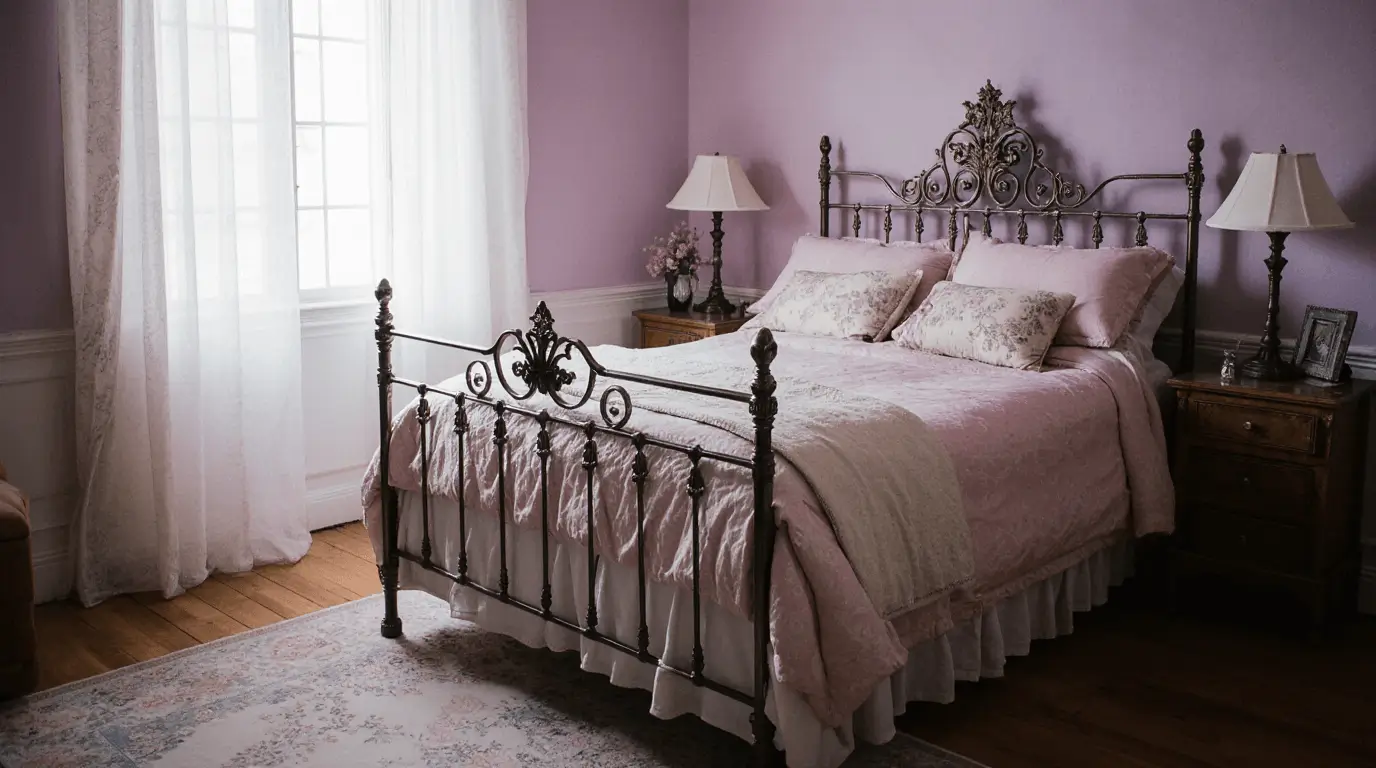
Georgian Style Home Interior and Hardwood Flooring
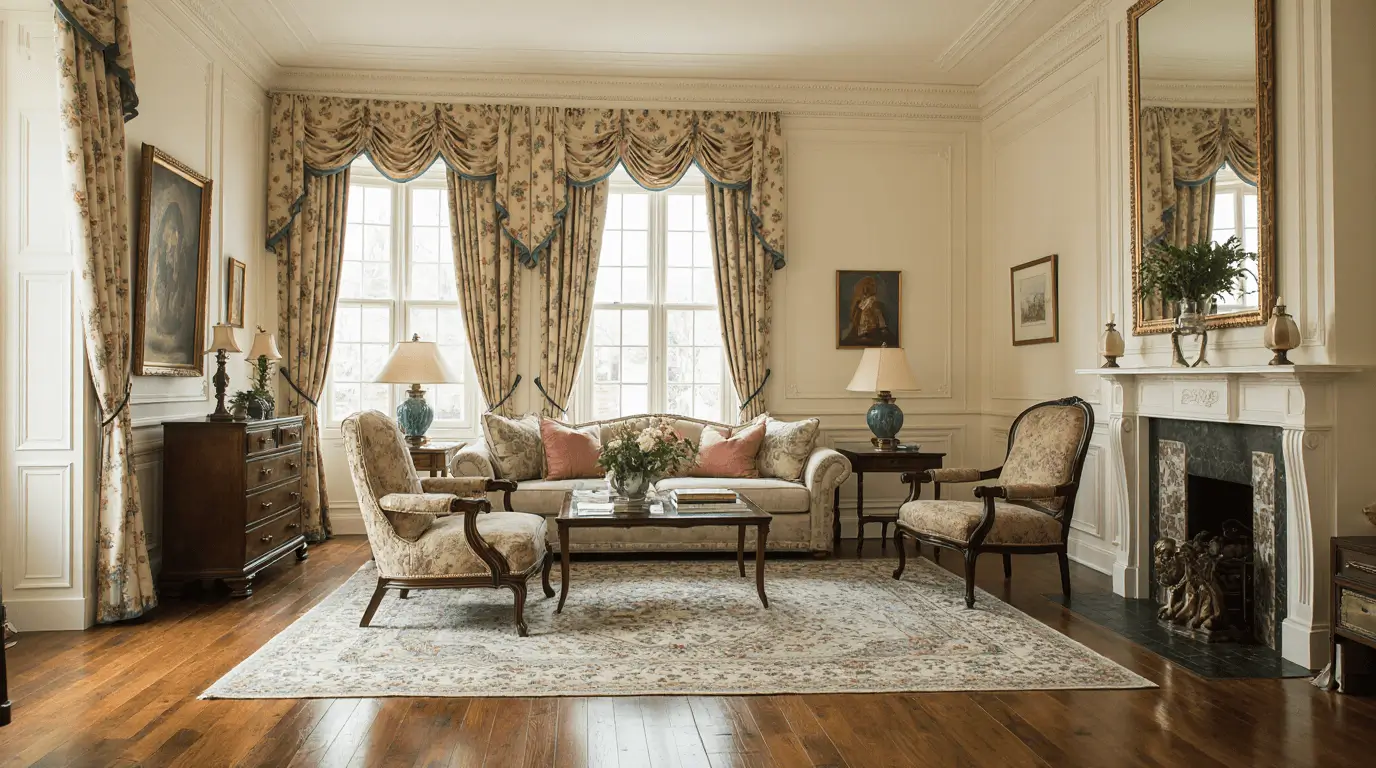
Wide plank hardwood flooring, often in oak or walnut, grounds Georgian style home interior spaces.
Natural wood tones contrast beautifully with painted walls and marble details.
Contemporary Georgian Interior Design
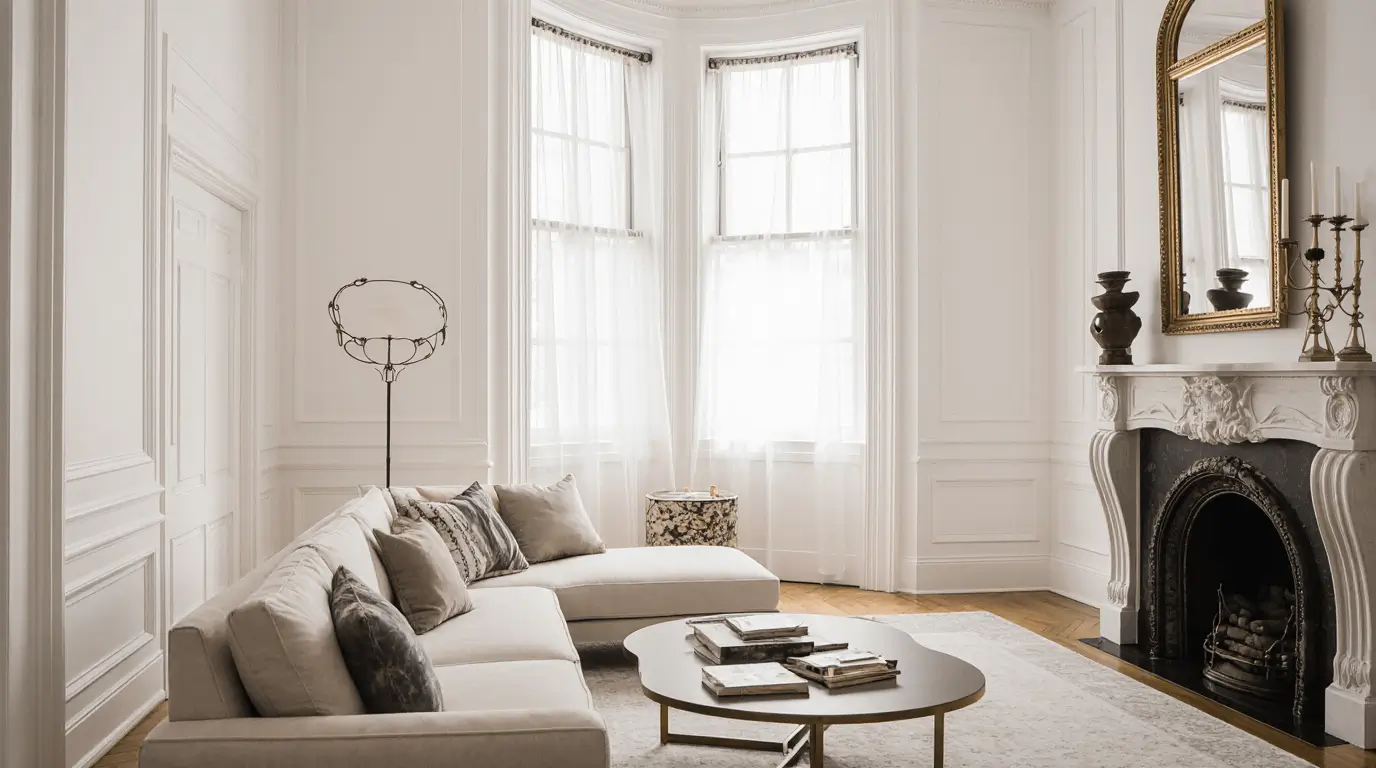
Contemporary Georgian interior design blends classical symmetry with modern comfort. Clean-lined sofas and simplified palettes maintain structure while updating functionality.
This approach preserves proportion but adapts materials for today’s living.
Modern Georgian Interior Design
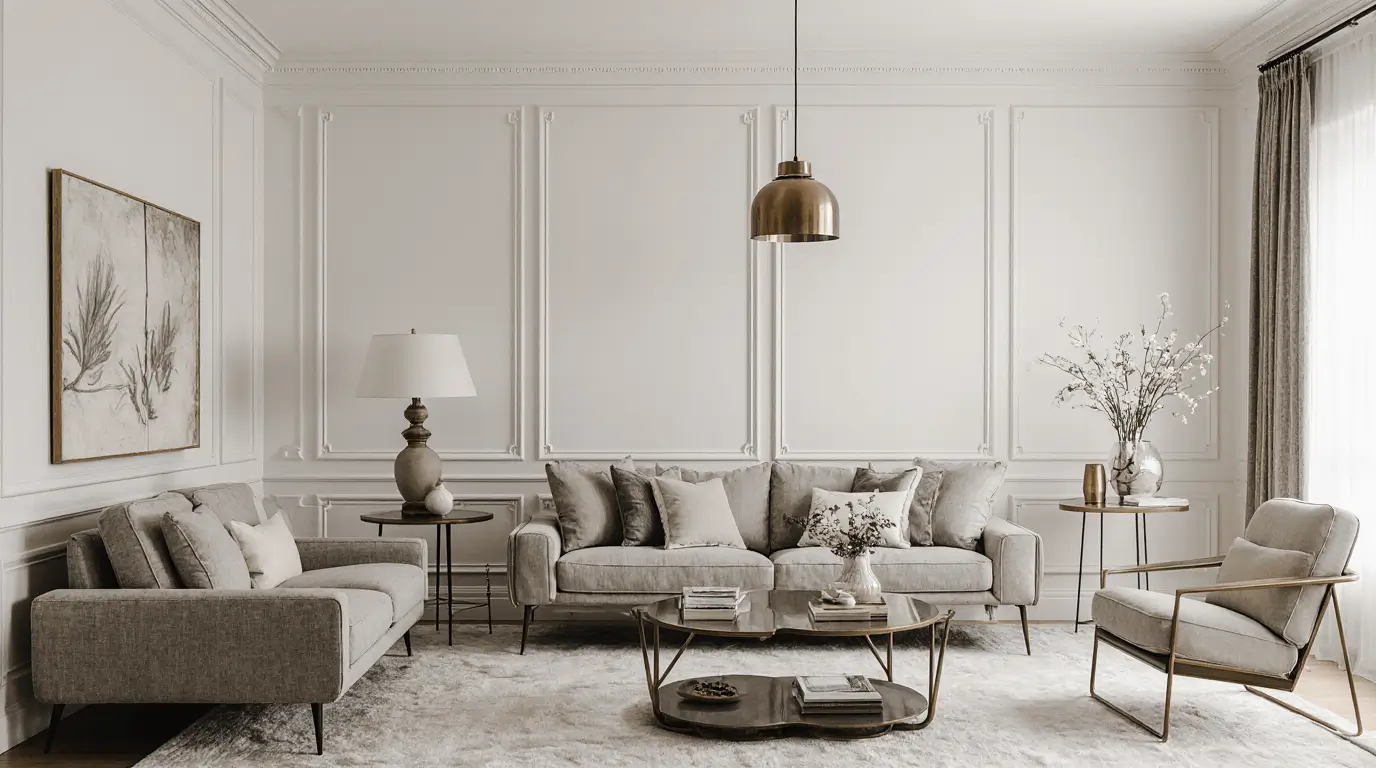
Modern Georgian interior design simplifies ornamentation while retaining symmetry and balance.
Think minimalist furniture placed within traditionally proportioned rooms—old-world architecture meets modern clarity.
Georgian Modern Interior and Open Layout Adaptation
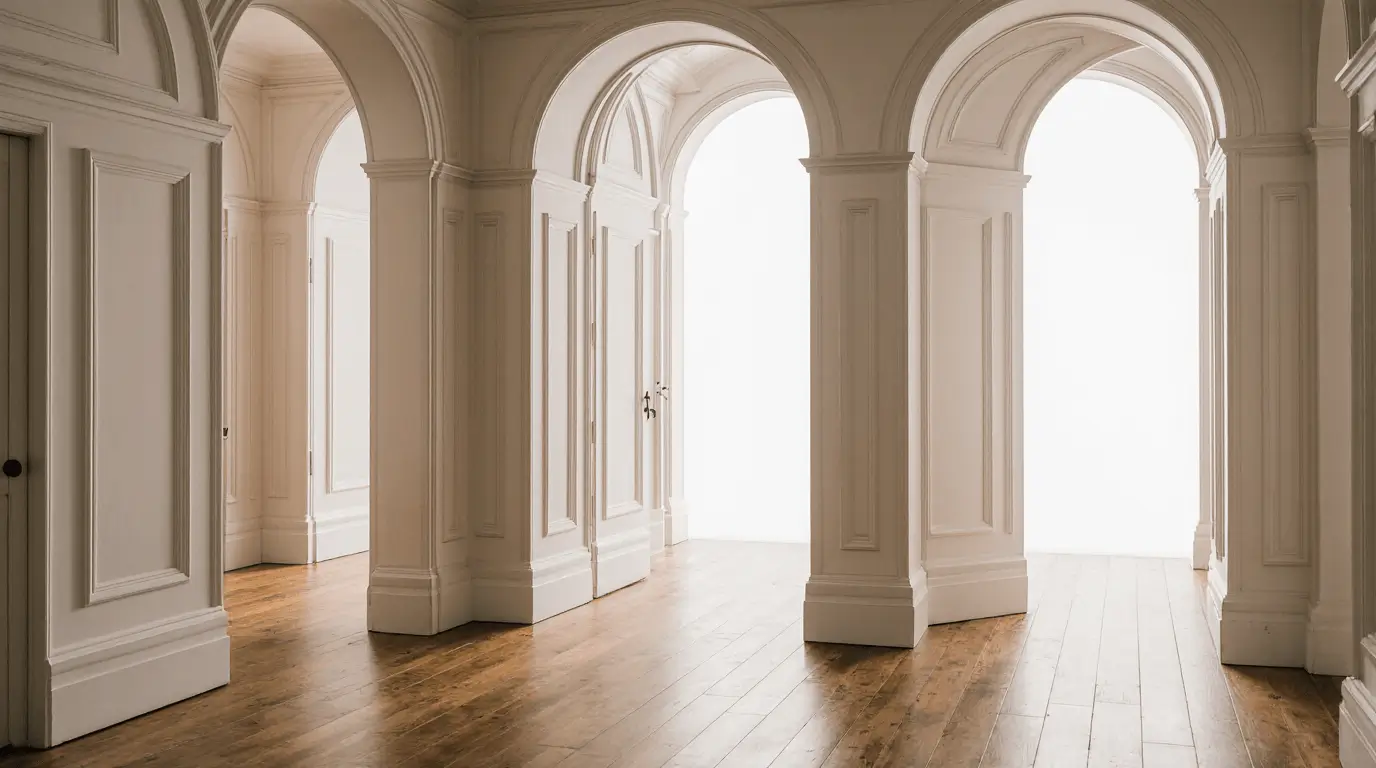
While traditional Georgian homes favored defined rooms, modern Georgian interior adaptations sometimes introduce subtle openness without sacrificing structure.
Archways and aligned sightlines maintain order even in updated layouts.
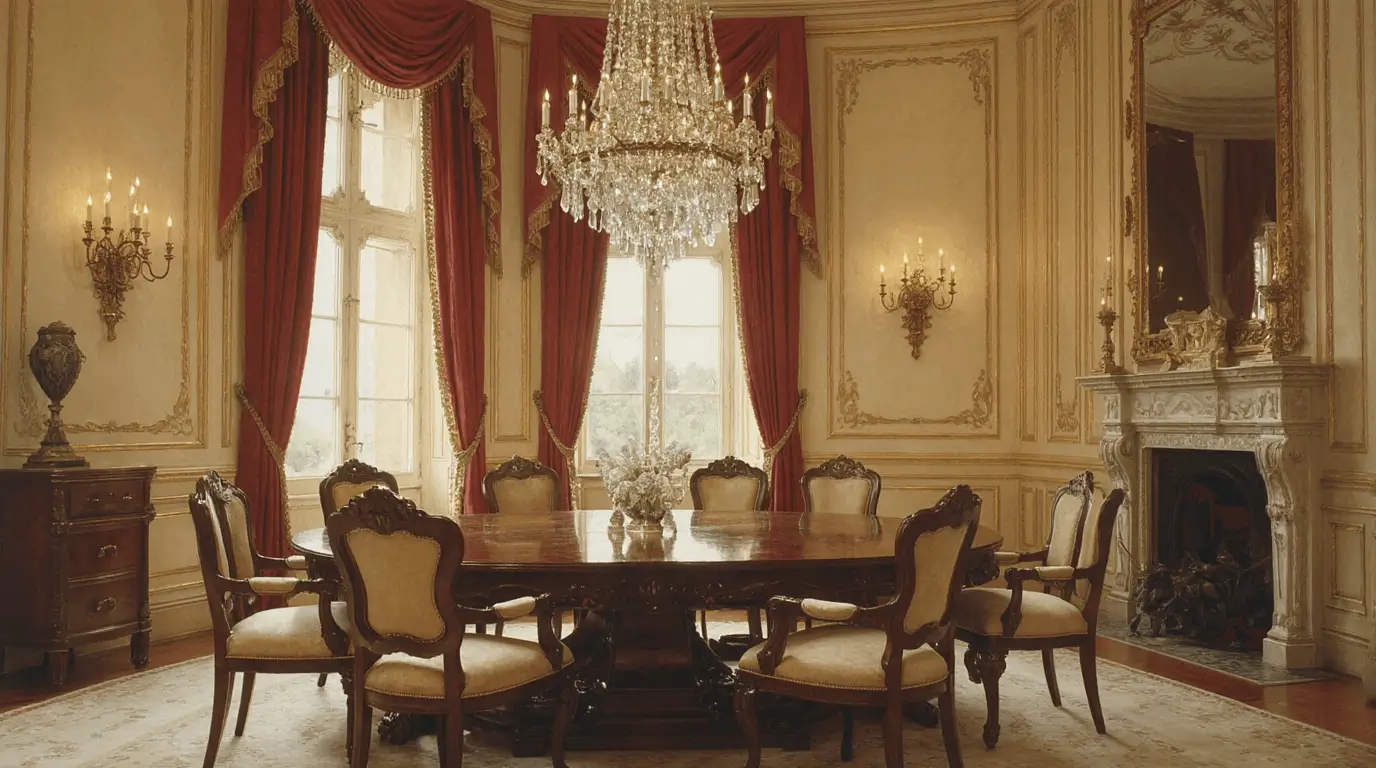
Georgian Interior Style and Formal Dining Rooms
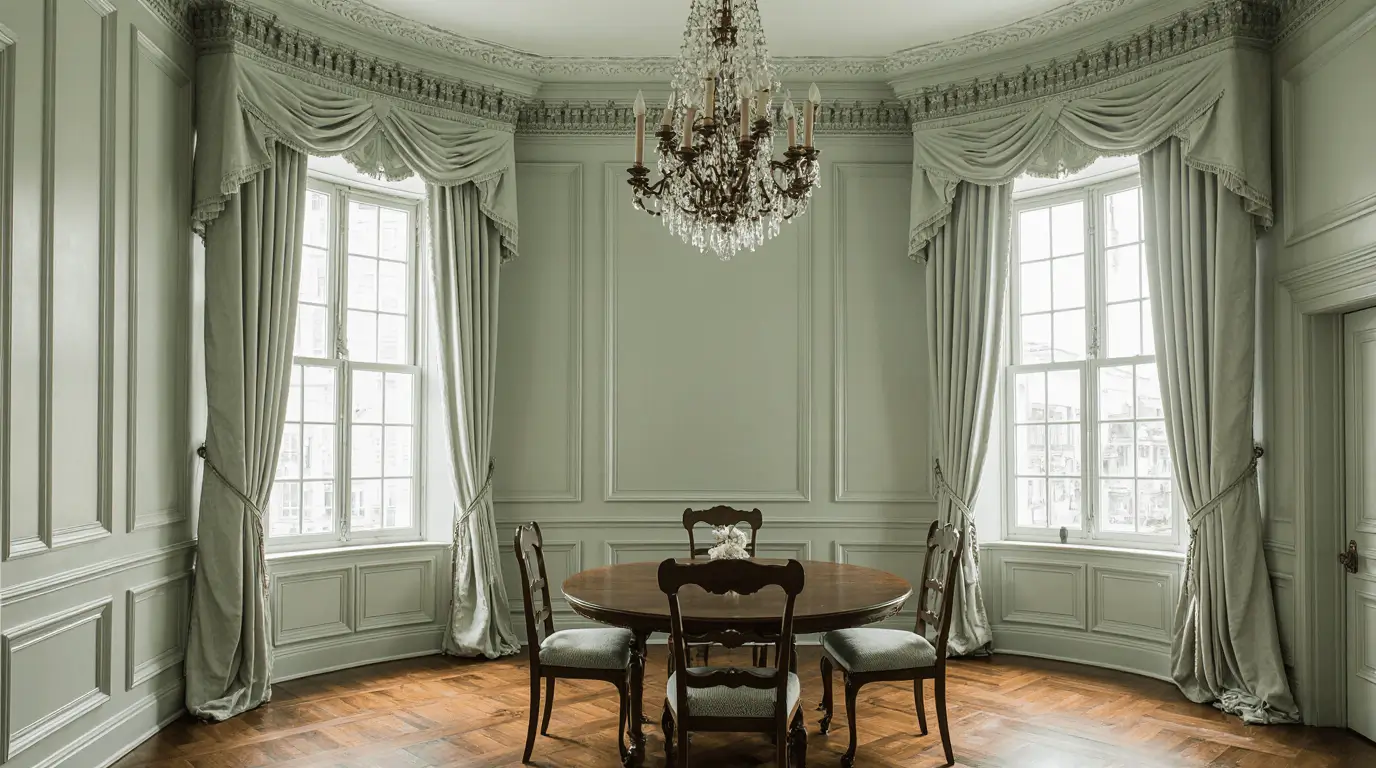
Formal dining rooms are central to Georgian interior style. Long rectangular tables, symmetrical seating, and statement chandeliers define the space.
The formality reflects the era’s emphasis on social refinement.
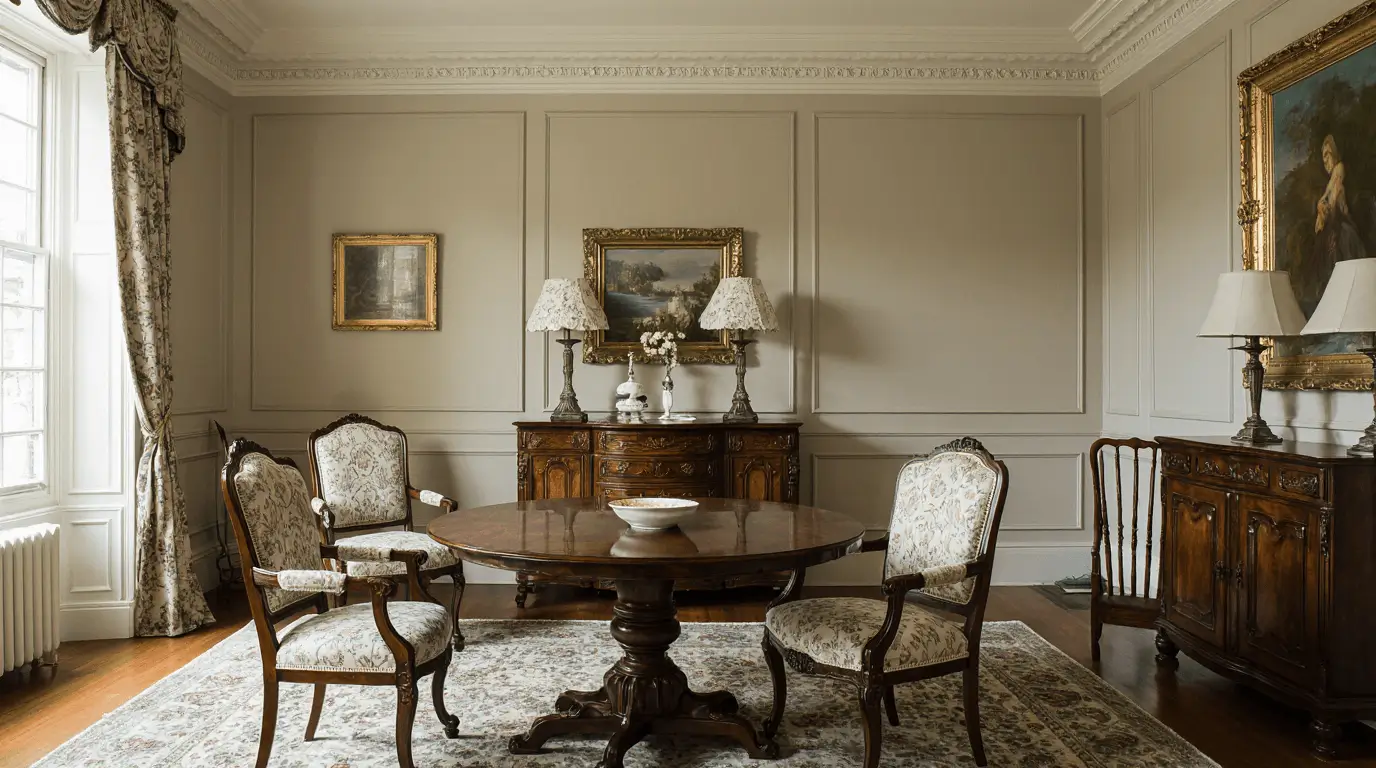
Georgian House Decor and Antique Furnishings
Authentic Georgian house decor includes antique pieces such as Chippendale chairs, claw-foot tables, and classical sideboards.
Furniture lines are graceful yet structured, reinforcing architectural symmetry.
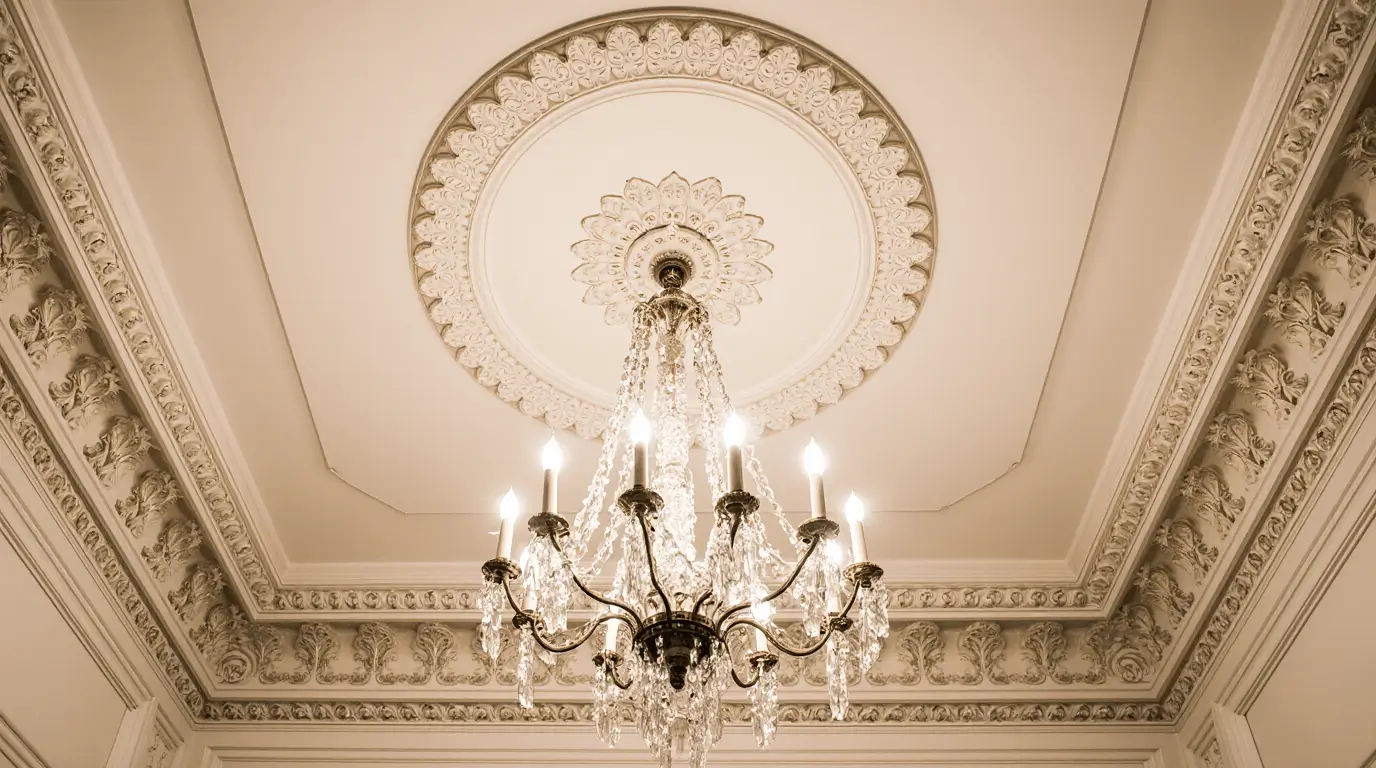
Georgian Style Interior and Ceiling Detailing
Ceiling roses, dentil cornices, and layered moldings elevate Georgian style interior spaces.
These details frame lighting fixtures while emphasizing vertical proportion.
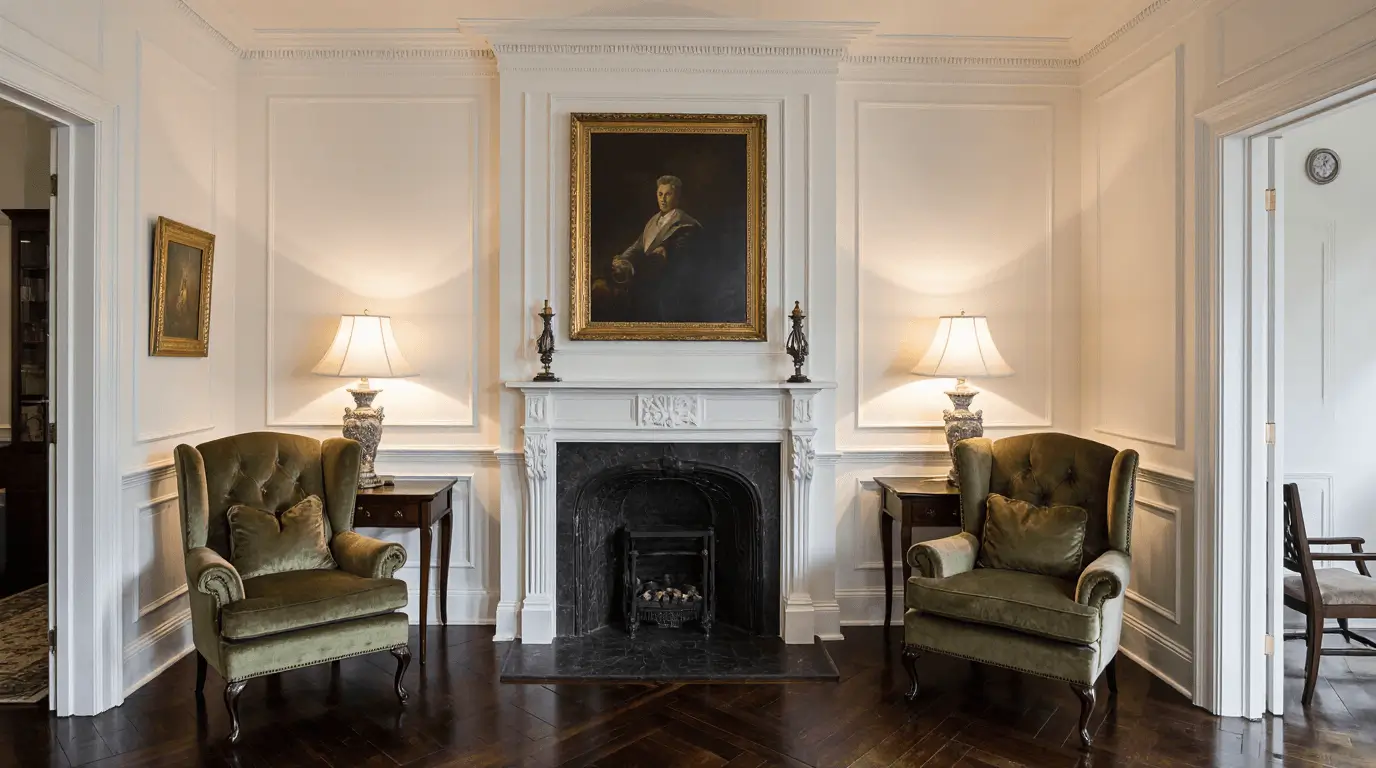
Georgian Home Interiors and Balanced Furniture Layouts
Furniture placement in Georgian home interiors follows symmetry and scale discipline.
Matching pairs—armchairs, lamps, or cabinets—create harmony and visual rhythm.
Georgian Interior Design for Modern Homes
Applying Georgian interior design principles to modern homes means prioritizing proportion, restraint, and architectural detail over decoration.
Even without original period features, symmetry, muted palettes, and structured layouts can achieve the Georgian essence.
Conclusion: The Enduring Intelligence of Georgian Interior Design
At its core, georgian interior design is not about ornament — it is about order. It is a style built on proportion, symmetry, and architectural logic. That is why it has endured for centuries while many decorative trends have faded. When a room is correctly balanced, when materials are thoughtfully selected, and when scale is respected, the space simply feels right.
In practice, this approach works because it supports how people naturally experience interiors. Symmetry creates calm. Measured proportions feel reassuring. Muted palettes allow craftsmanship to shine. Whether you are restoring a period property or shaping a contemporary home with classical influence, the principles remain the same: prioritize structure first, detail second.
Georgian interior design benefits homeowners who value timelessness over trends, craftsmanship over excess, and clarity over visual noise. It is especially powerful for those who want their home to feel refined without being rigid, elegant without being theatrical. When applied thoughtfully, it creates interiors that age beautifully and adapt effortlessly to modern living.
If you are considering this style, begin with proportion and layout. Assess your architectural lines, balance your furniture placement, and choose materials that carry depth and authenticity. From there, the decorative elements will naturally fall into place. The result is a home that feels composed, dignified, and confidently understated — a space designed to last, not just to impress.
Learn more : 12+ Timeless Edwardian Interior Design Ideas to Inspire Elegance
Frequently Asked Questions
- Is Georgian interior design suitable for modern homes?
Absolutely. While the style originated in the 18th century, its foundation in symmetry and proportion translates beautifully into contemporary architecture. Even without historic moldings or sash windows, you can achieve the look through balanced layouts, restrained palettes, and thoughtfully scaled furnishings.
- What colors work best in a Georgian-inspired interior?
Traditional Georgian spaces favor muted, nature-based tones such as sage green, soft blue-gray, warm cream, and stone. These shades enhance architectural detailing rather than overpower it. In modern interpretations, neutral palettes with subtle depth maintain the same elegance.
- How is Georgian style different from Victorian interiors?
Georgian interiors are structured and restrained, focusing on proportion and classical balance. Victorian interiors, by contrast, tend to be more decorative, layered, and ornate. If you prefer clarity and architectural harmony over visual richness, Georgian design is typically the better fit.
- Do I need antique furniture to achieve an authentic look?
Not necessarily. While antique pieces can enhance authenticity, the real essence lies in proportion and symmetry. Well-crafted modern furniture with clean lines and balanced placement can achieve the same refined effect when integrated thoughtfully.
- Can Georgian interiors feel warm rather than formal?
Yes — warmth comes from material selection and lighting. Natural wood flooring, layered textiles, soft linen curtains, and warm-toned lighting help prevent the space from feeling overly formal. The structure remains elegant, but the atmosphere becomes welcoming.
- What is the most important principle to follow?
Proportion is the guiding principle. Before choosing décor or furniture, ensure that the room’s layout feels balanced and aligned. When scale and symmetry are correct, every other design decision becomes easier and more cohesive.
- Is Georgian interior design expensive to implement?
It can be executed at many budget levels. Authentic restoration with period materials may require investment, but the core principles — symmetry, balanced placement, muted colors — cost very little. Often, refinement comes more from restraint and thoughtful planning than from expensive additions.



One Response