
Introduction
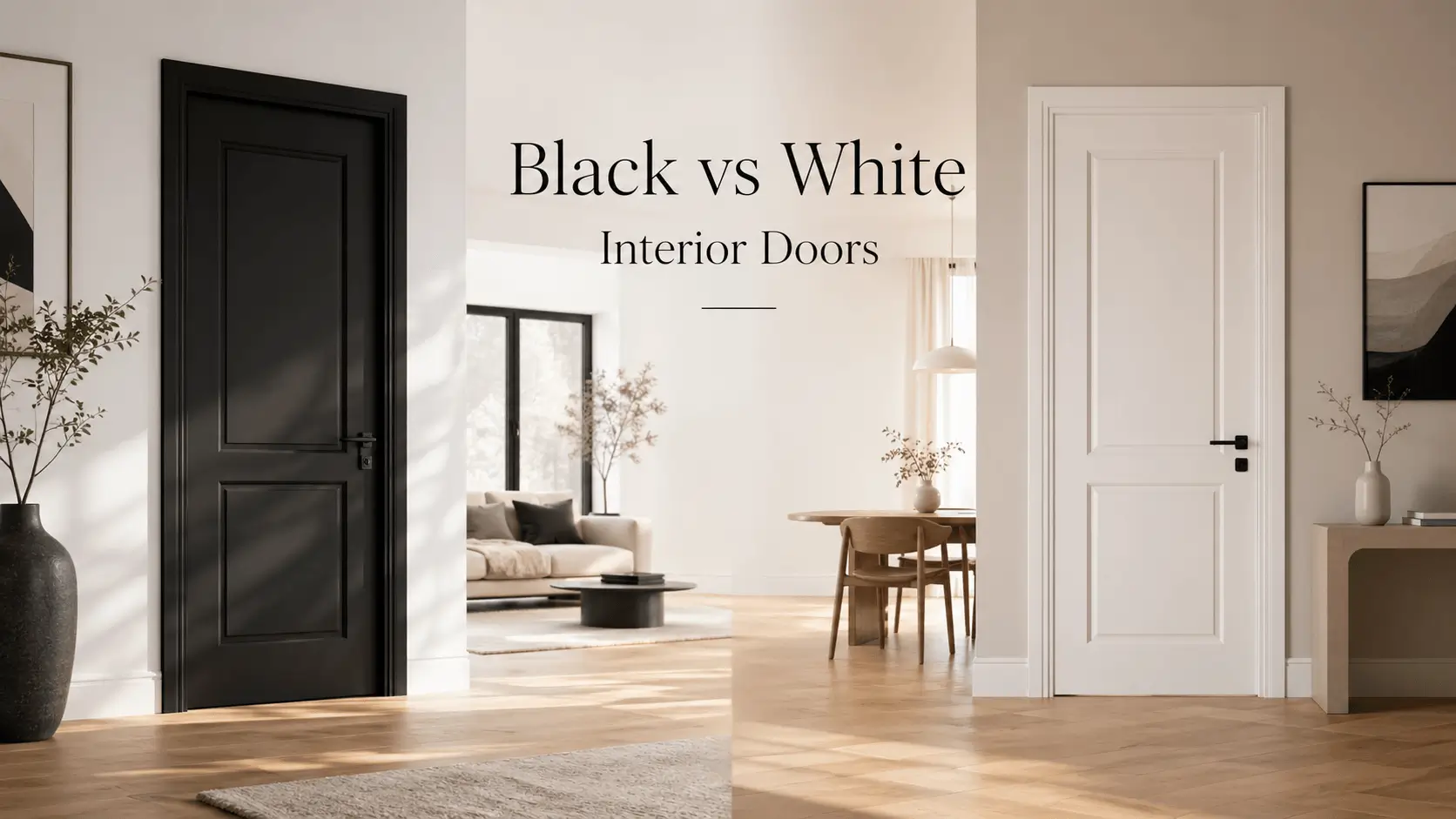
Choosing between black vs white interior doors is more than a color decision—it’s a defining design move that shapes the mood, contrast, and visual flow of your entire home. From modern minimalism to classic elegance, the color of your doors quietly influences how every room feels and connects.
In my experience working with interiors across different styles and budgets, this choice often becomes the turning point in a space. Black doors introduce drama and architectural presence, while white doors maintain lightness and timeless continuity. Understanding how each works in real environments—not just inspiration photos—makes all the difference.
Black vs White Interior Doors in Modern Homes
Black doors anchor modern interiors with bold contrast, especially against neutral walls. White doors, on the other hand, keep the space airy and seamless—ideal for minimalist layouts.
Black vs White Interior Doors with White Walls
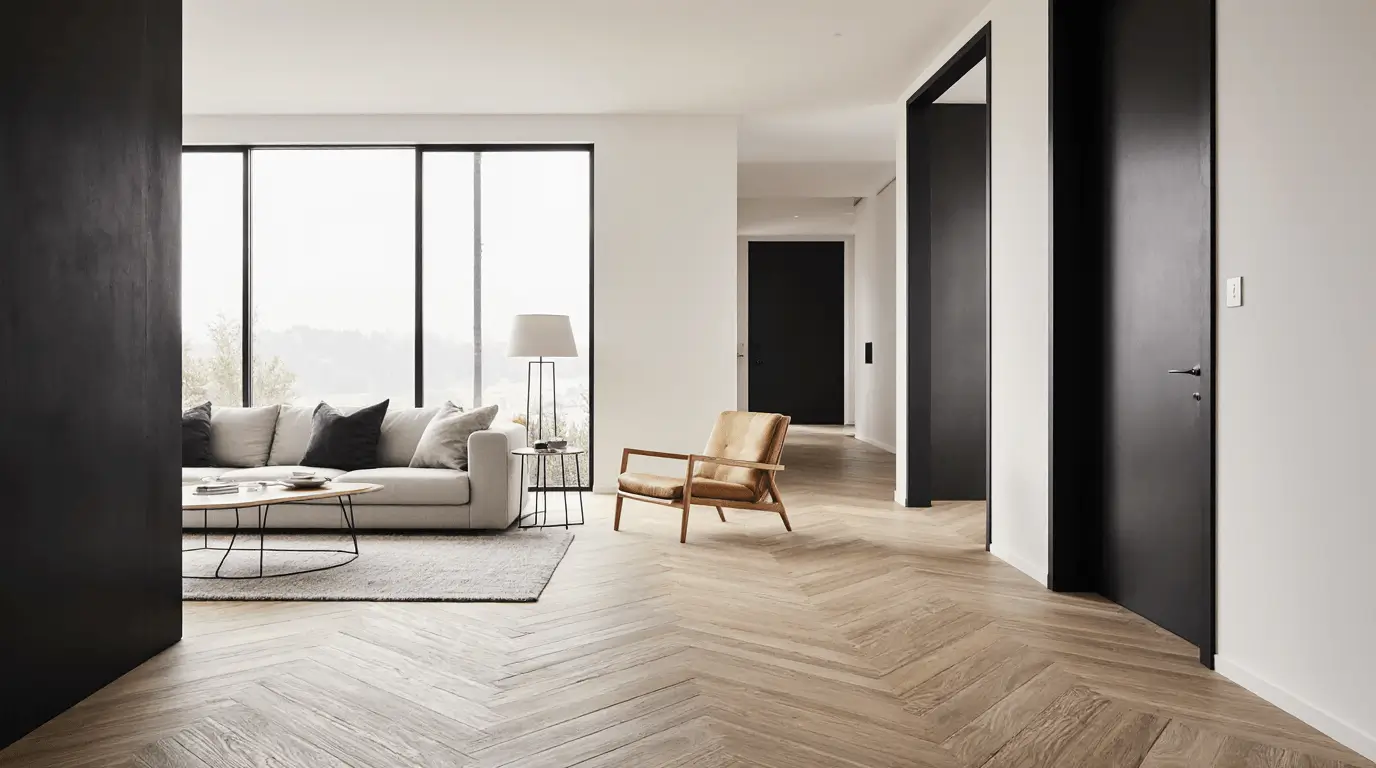
Against white walls, black doors create a striking frame that highlights architectural details. White doors blend in, allowing furniture and décor to take center stage.
Black vs White Interior Doors with White Trim
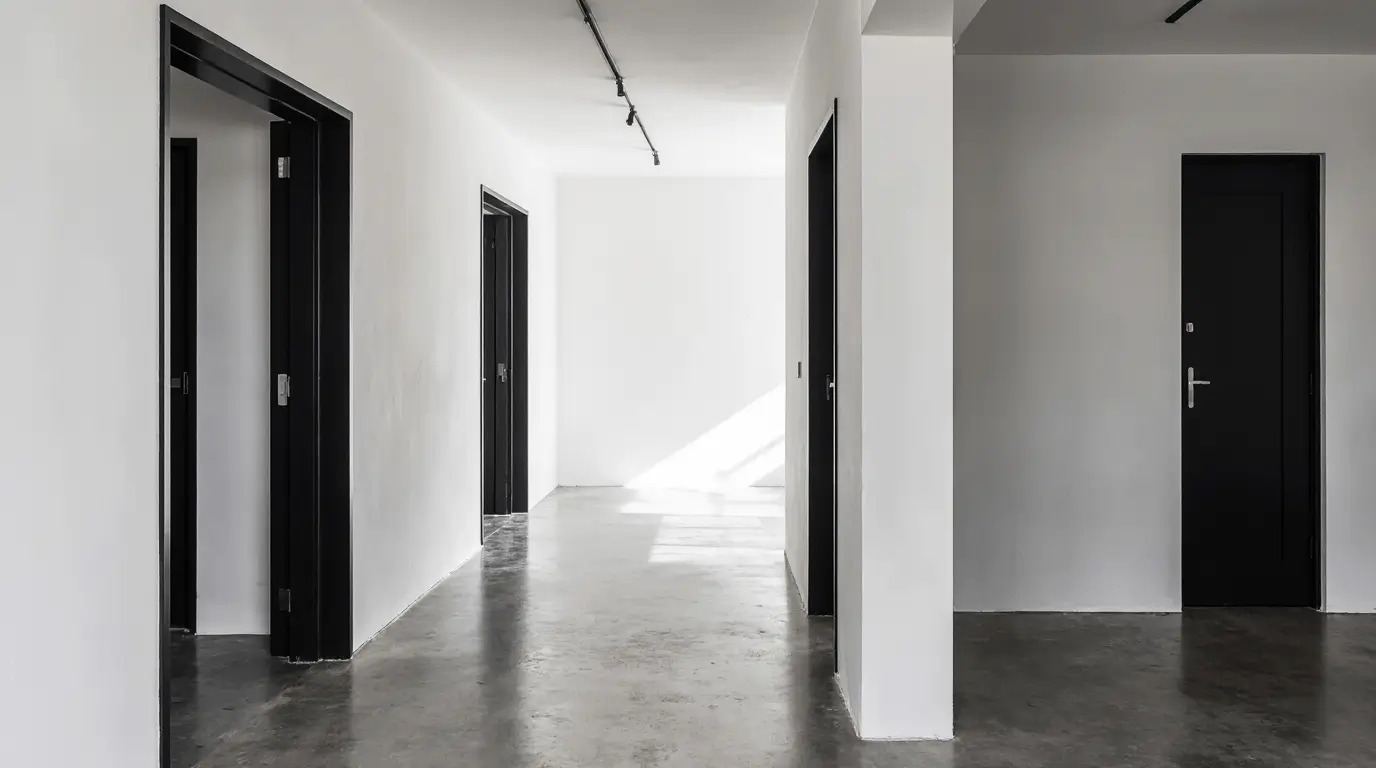
Black doors paired with white trim create a layered contrast that feels intentional and refined. White doors with white trim offer a cohesive and traditional finish.
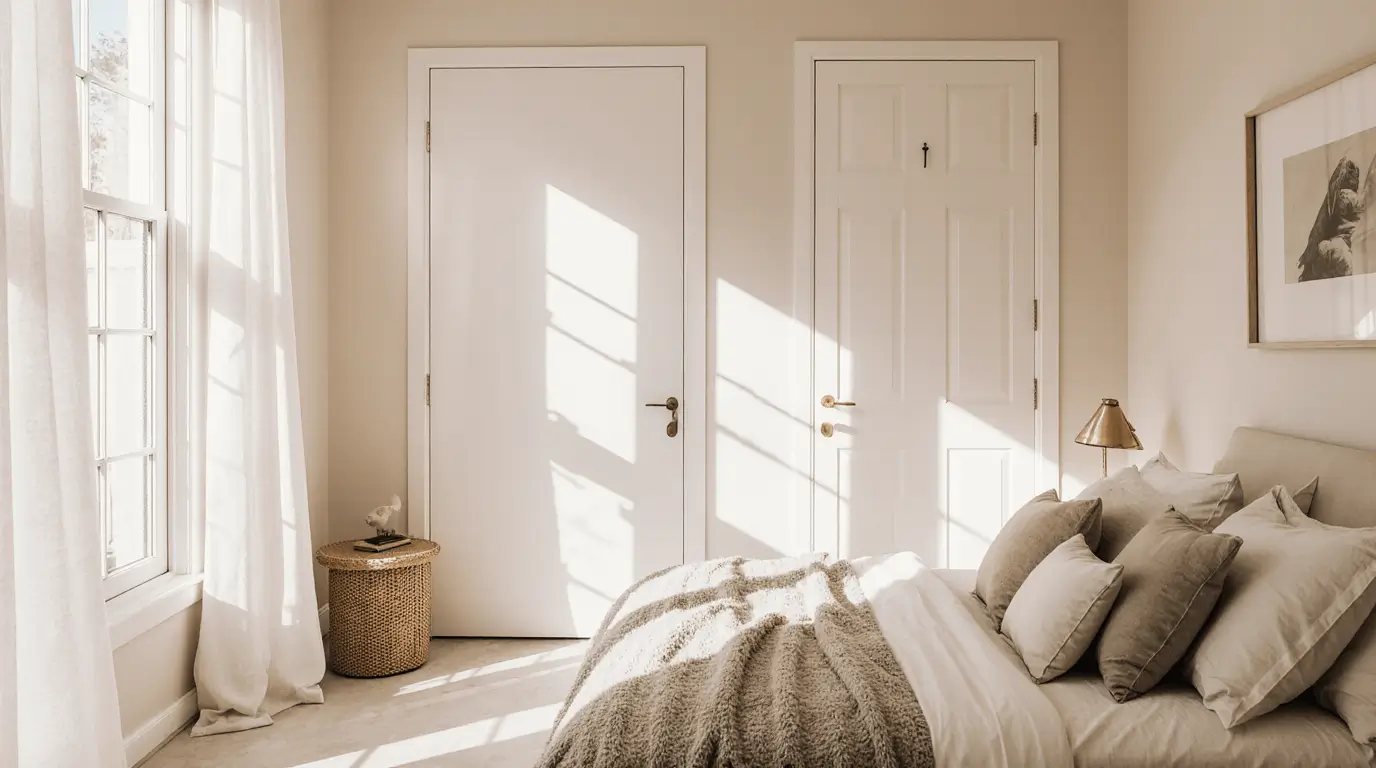
Black vs White Interior Doors in Small Spaces
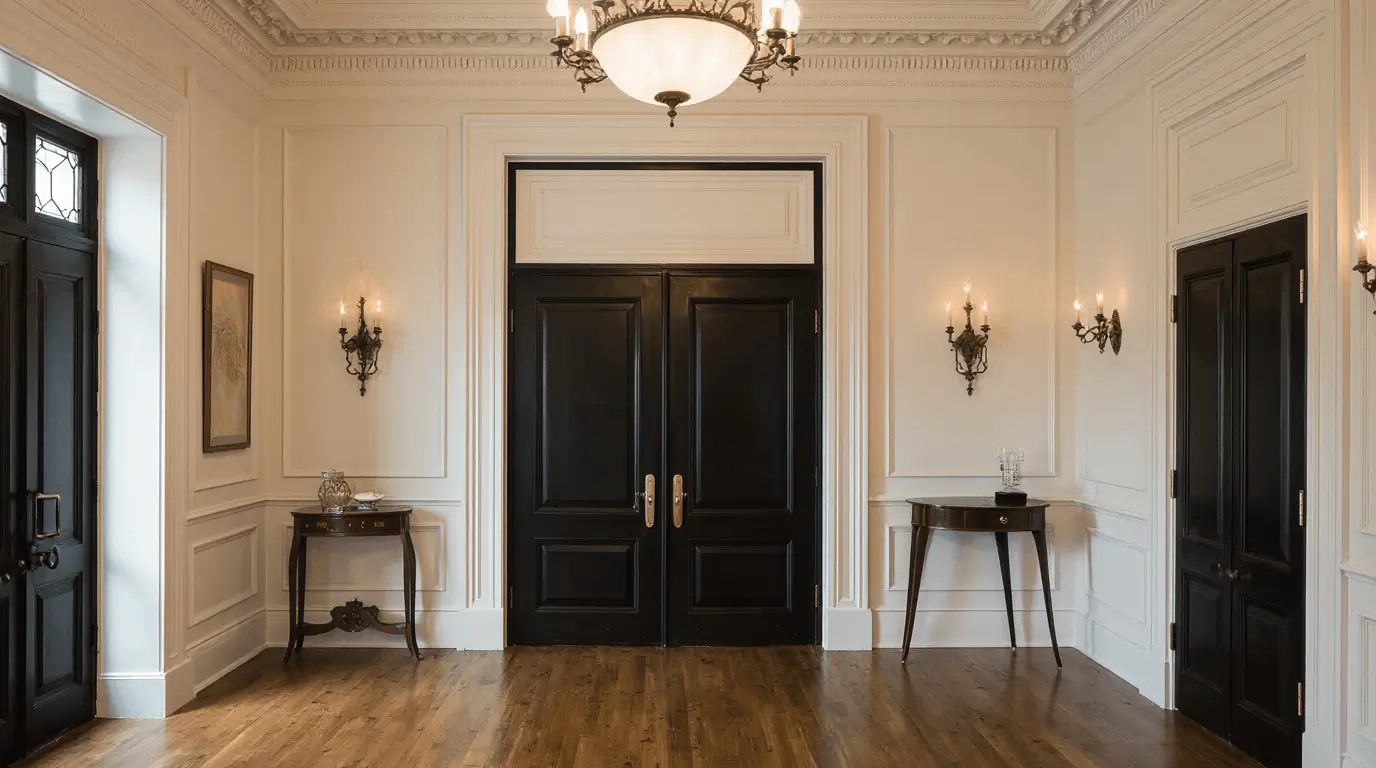
In compact rooms, white doors help reflect light and visually expand the space. Black doors can still work if balanced with bright surroundings and minimal clutter.
Black vs White Interior Doors in Large Spaces
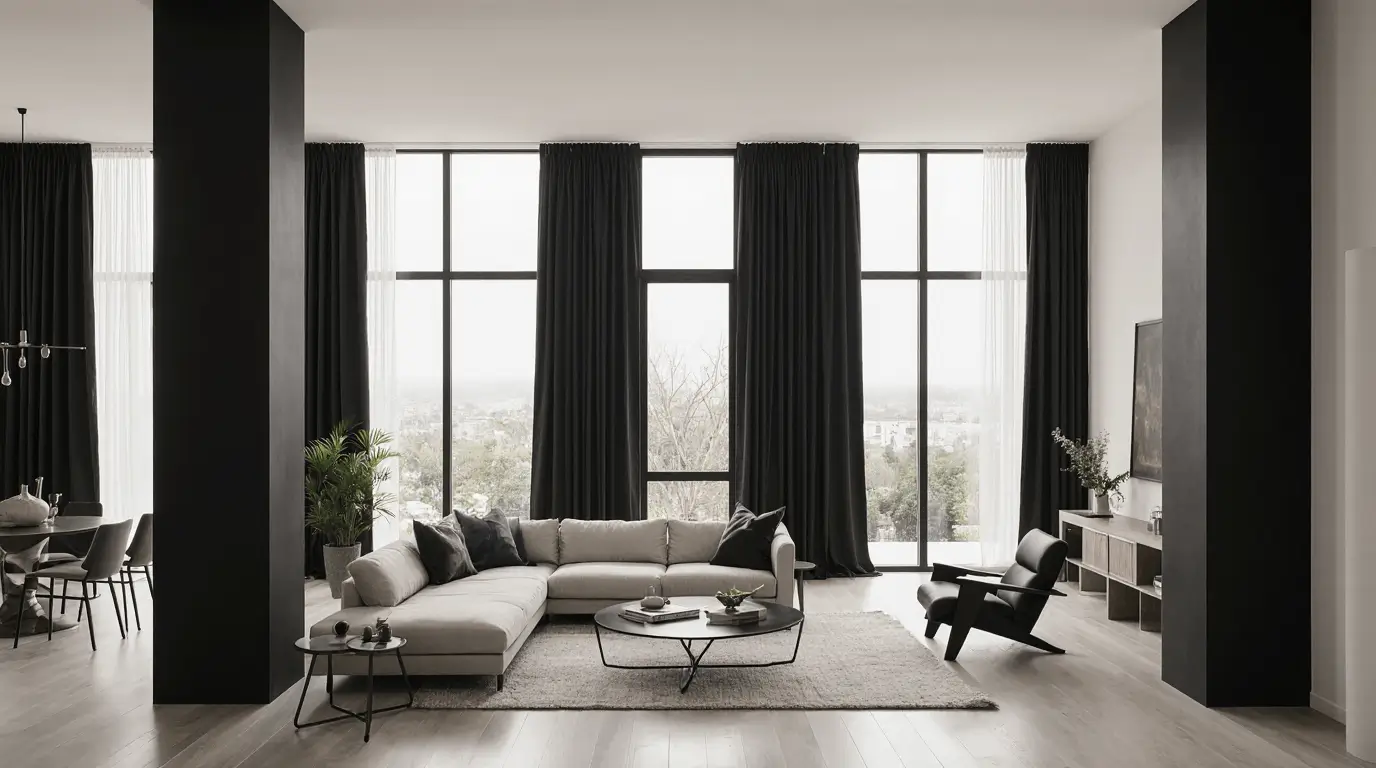
Large spaces benefit from black doors as they add structure and prevent the room from feeling too open. White doors may appear less defined in expansive layouts.
Black vs White Interior Doors for Contemporary Design
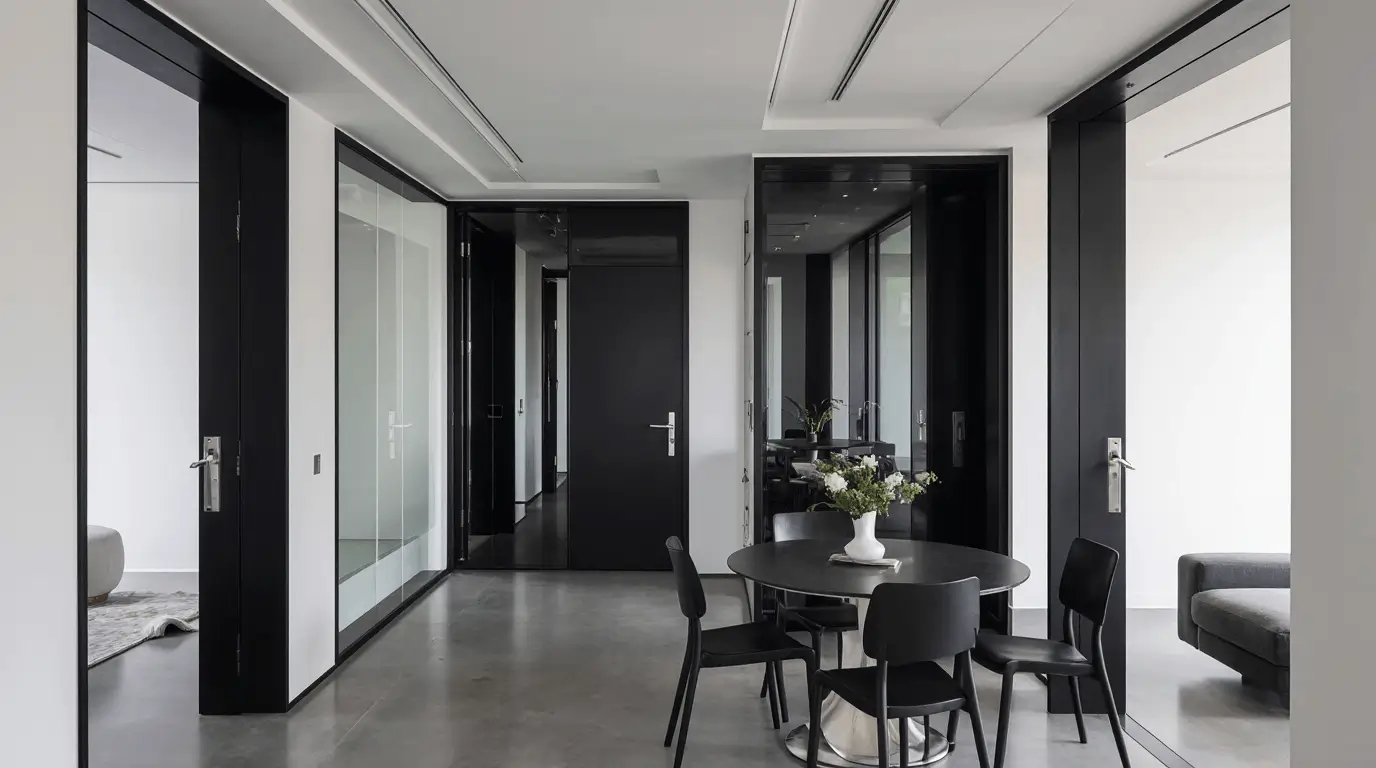
Black doors align with contemporary trends, offering bold geometry and contrast. White doors suit softer contemporary styles with subtle transitions.
Black vs White Interior Doors in Traditional Interiors
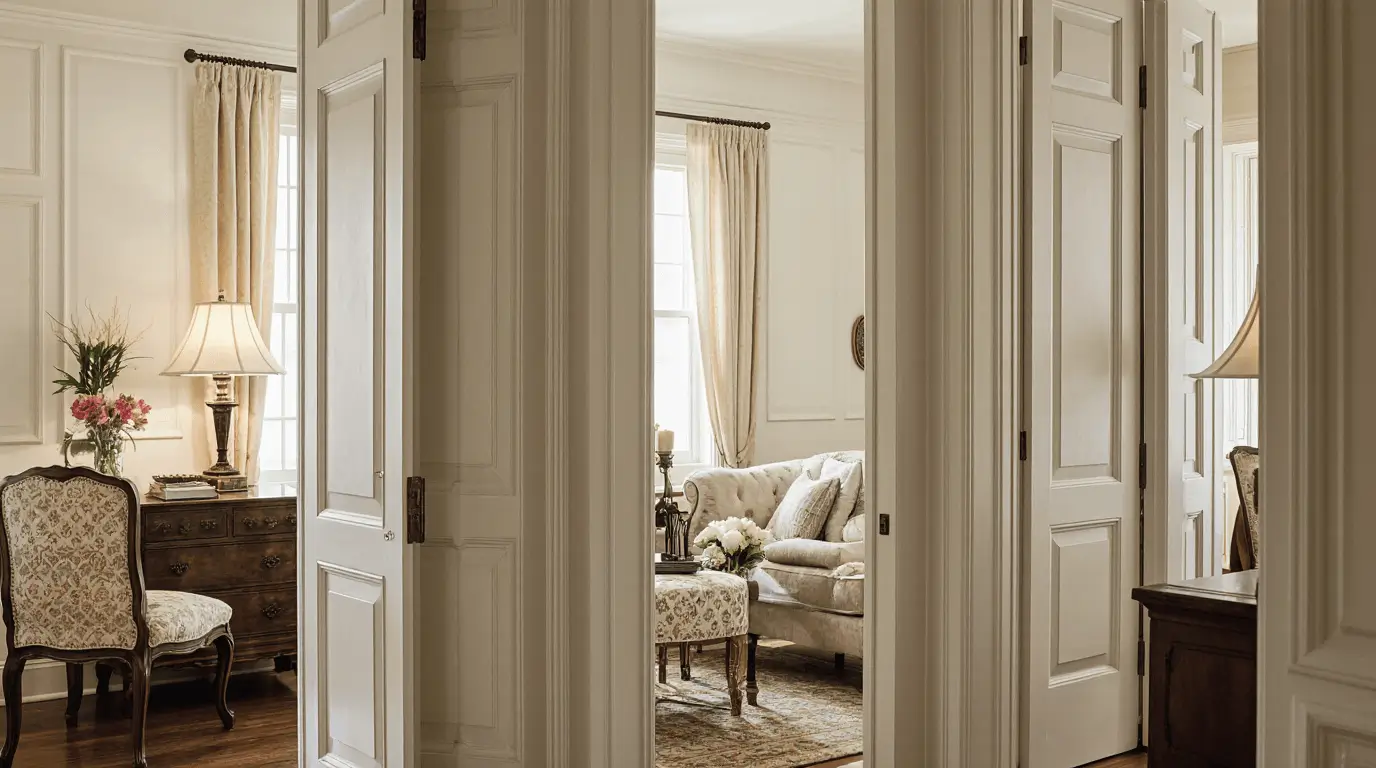
White doors are a natural fit for traditional homes, maintaining classic charm. Black doors can be introduced for a modern twist without losing heritage character.
Black vs White Interior Doors with Black Trim
Black doors with matching trim create a bold, cohesive frame that emphasizes structure. This look works best in modern or industrial interiors.
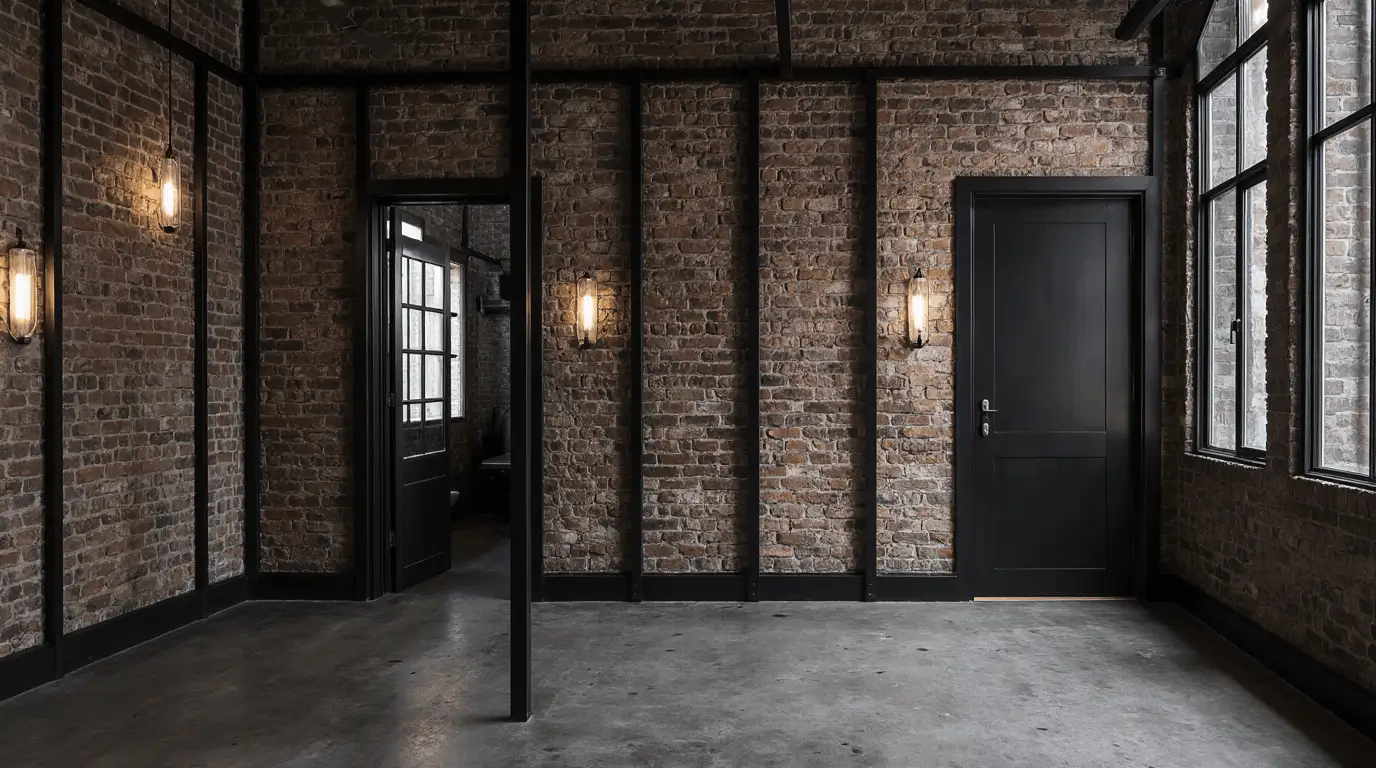
Black vs White Interior Doors in Minimalist Spaces
Minimalist interiors often favor white doors for a seamless look, but black doors can act as intentional focal points without clutter.
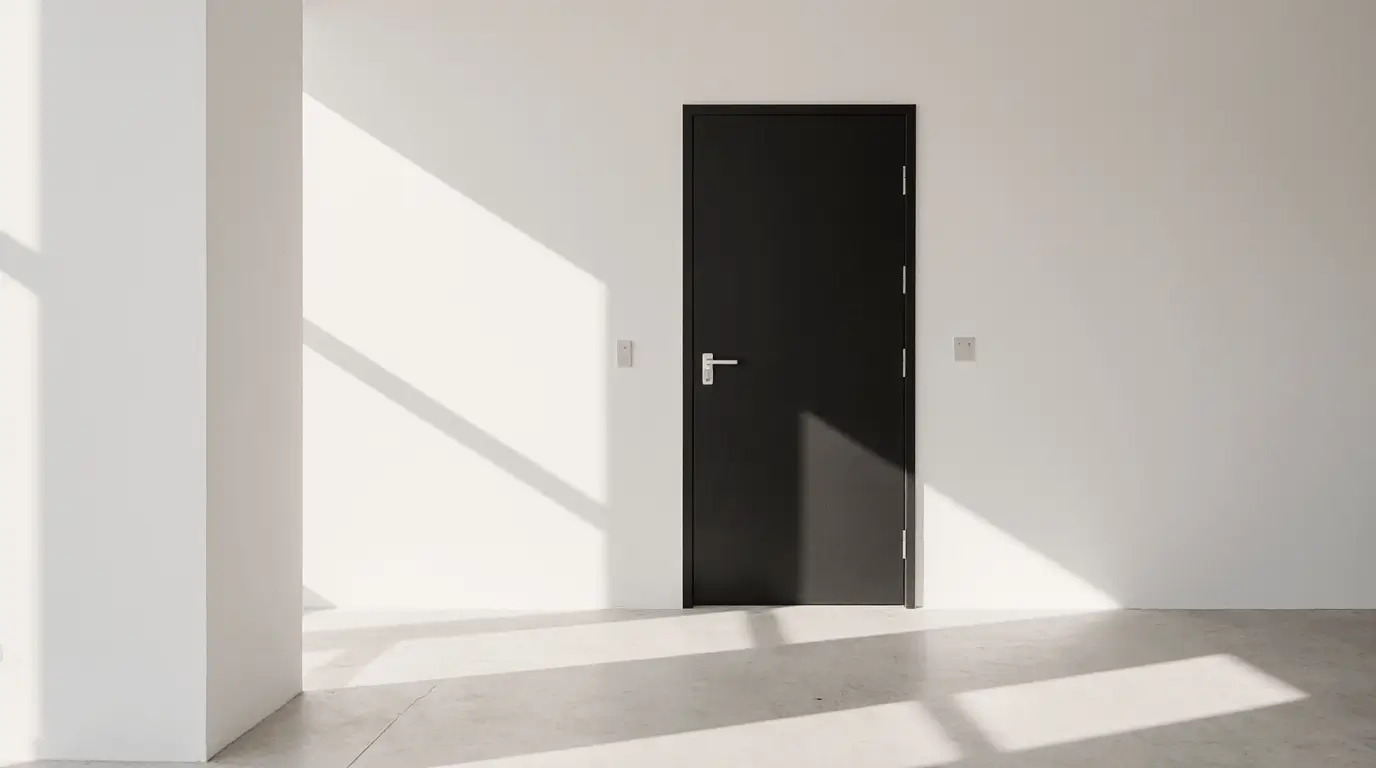
Black vs White Interior Doors for Contrast Styling
Black doors provide instant contrast, especially in light interiors. White doors reduce visual interruptions, creating a continuous flow.
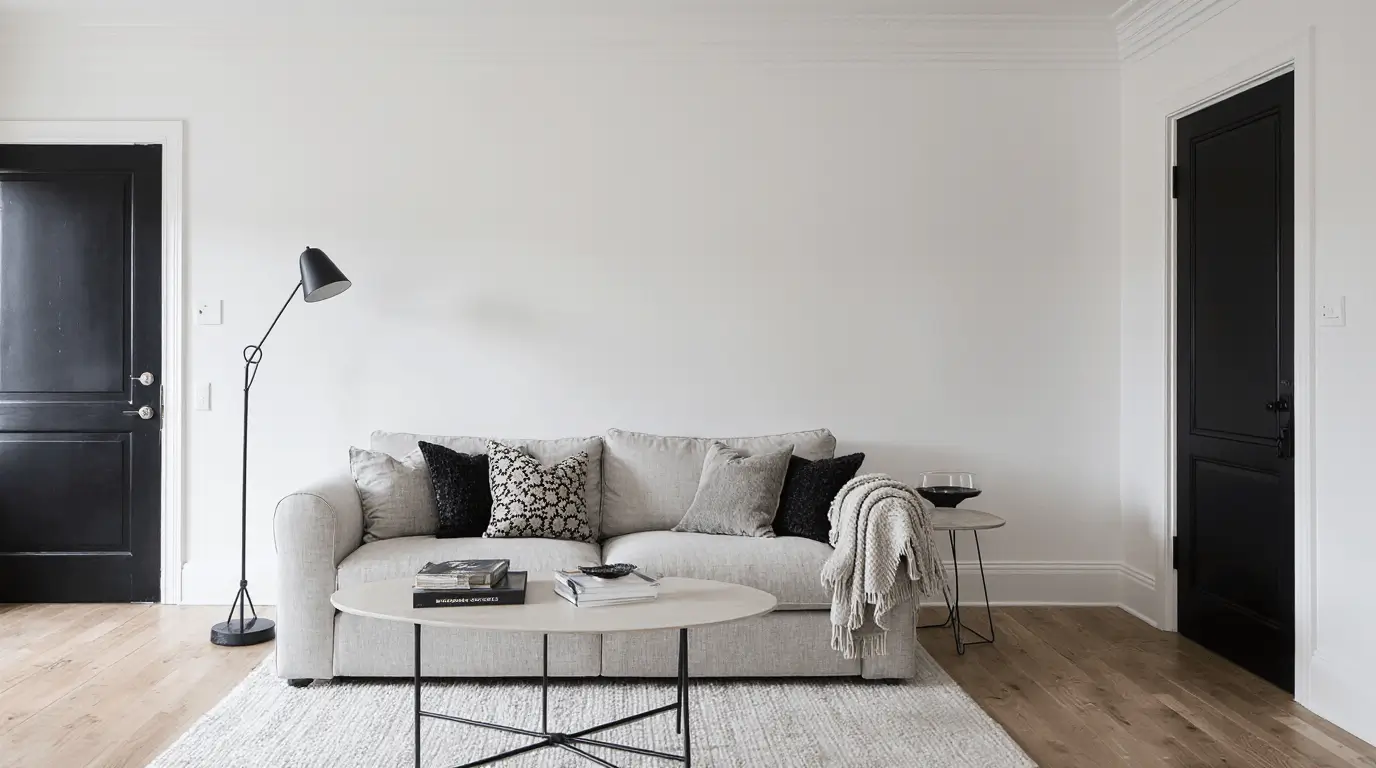
Black vs White Interior Doors with Wooden Floors
Black doors pair beautifully with warm wood tones, adding richness. White doors create a softer transition with natural materials.
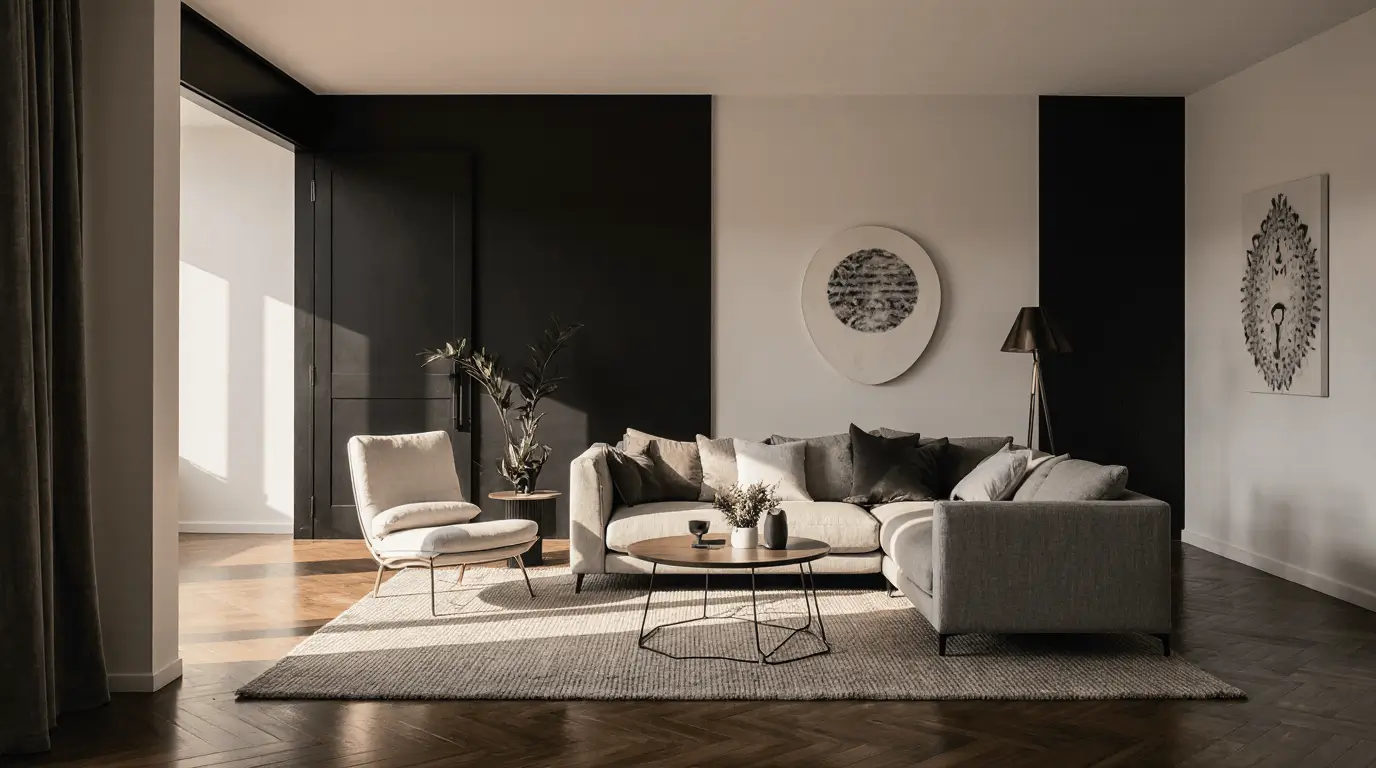
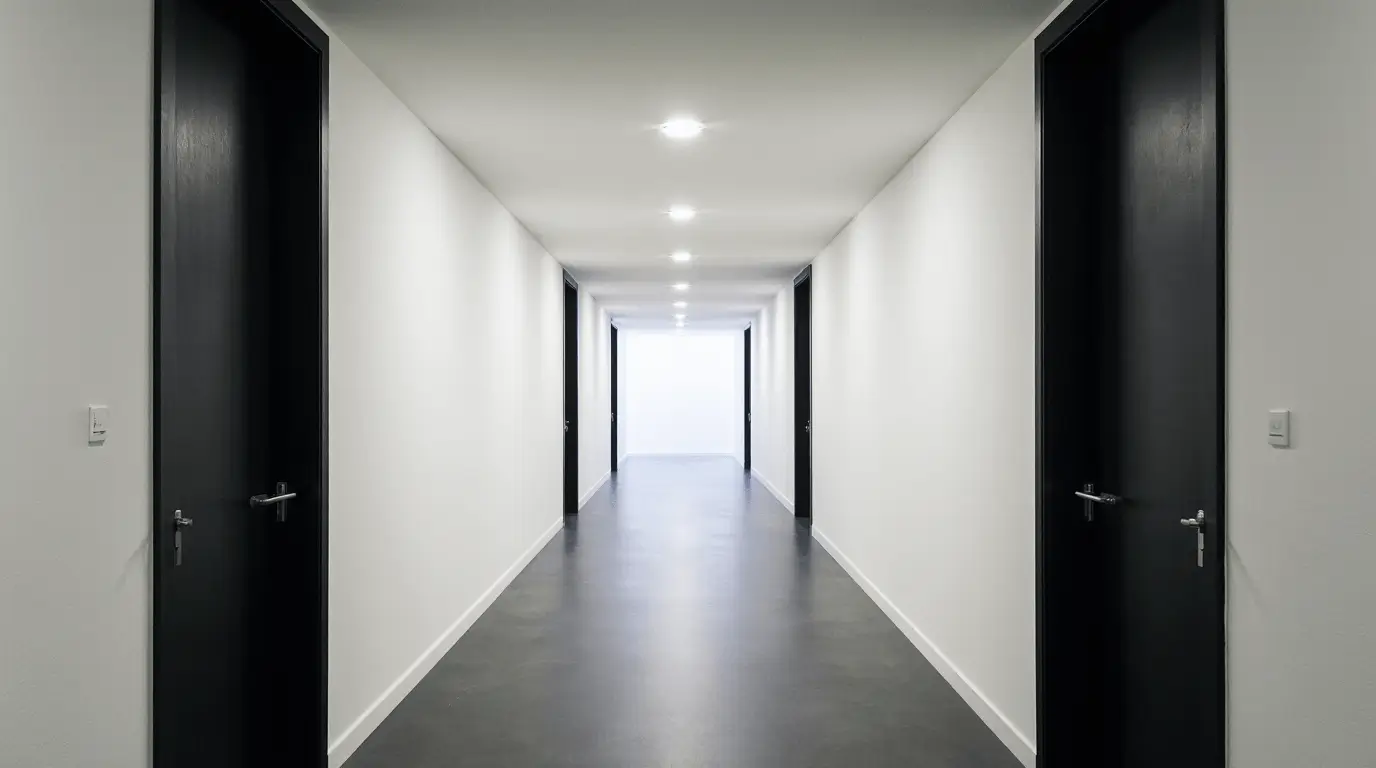
Black vs White Interior Doors in Hallways
Hallways benefit from black doors as they break monotony and add rhythm. White doors keep the corridor bright and less enclosed.
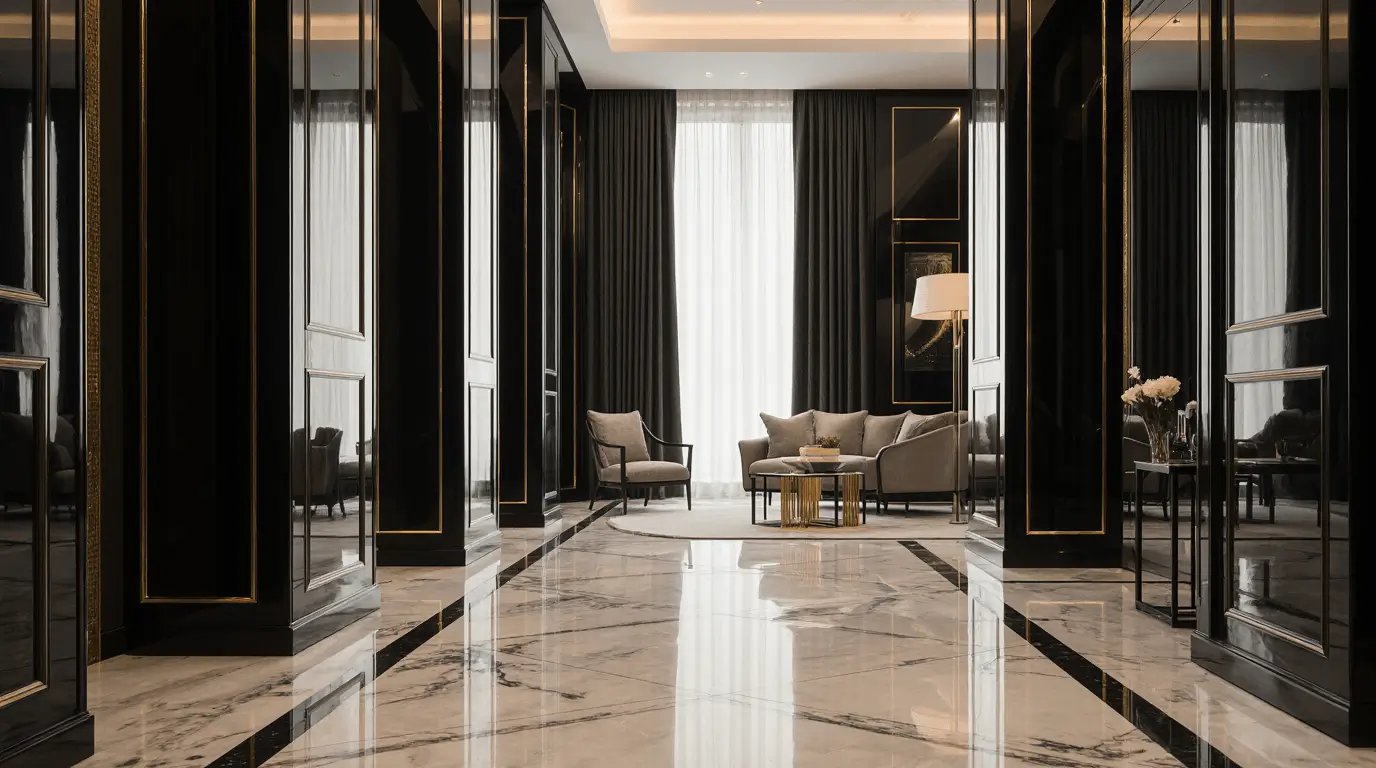
Black vs White Interior Doors for Luxury Interiors
Black doors often signal luxury, especially in matte or gloss finishes. White doors can feel upscale when paired with detailed moldings and premium finishes.
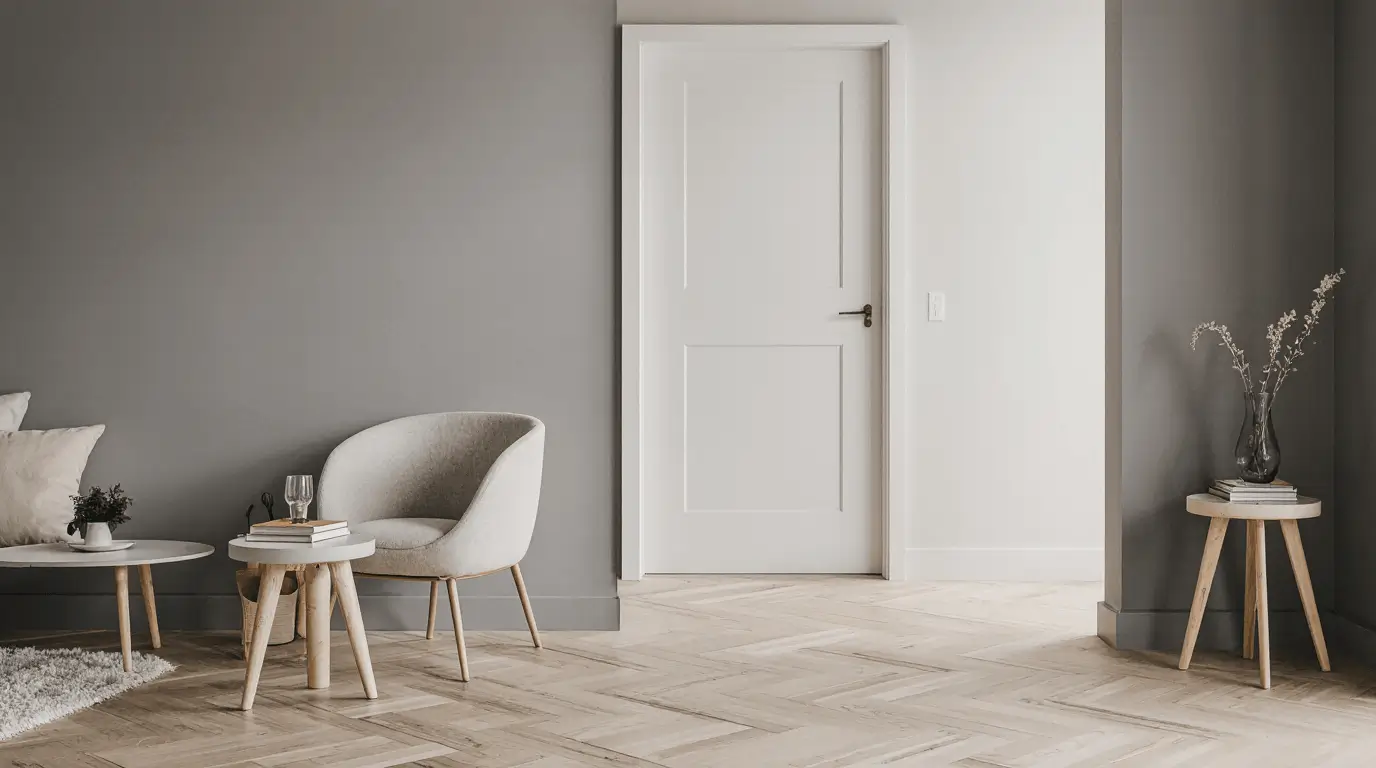
Black vs White Interior Doors in Scandinavian Design
Scandinavian interiors typically lean toward white doors for simplicity, but black doors are used sparingly for contrast.
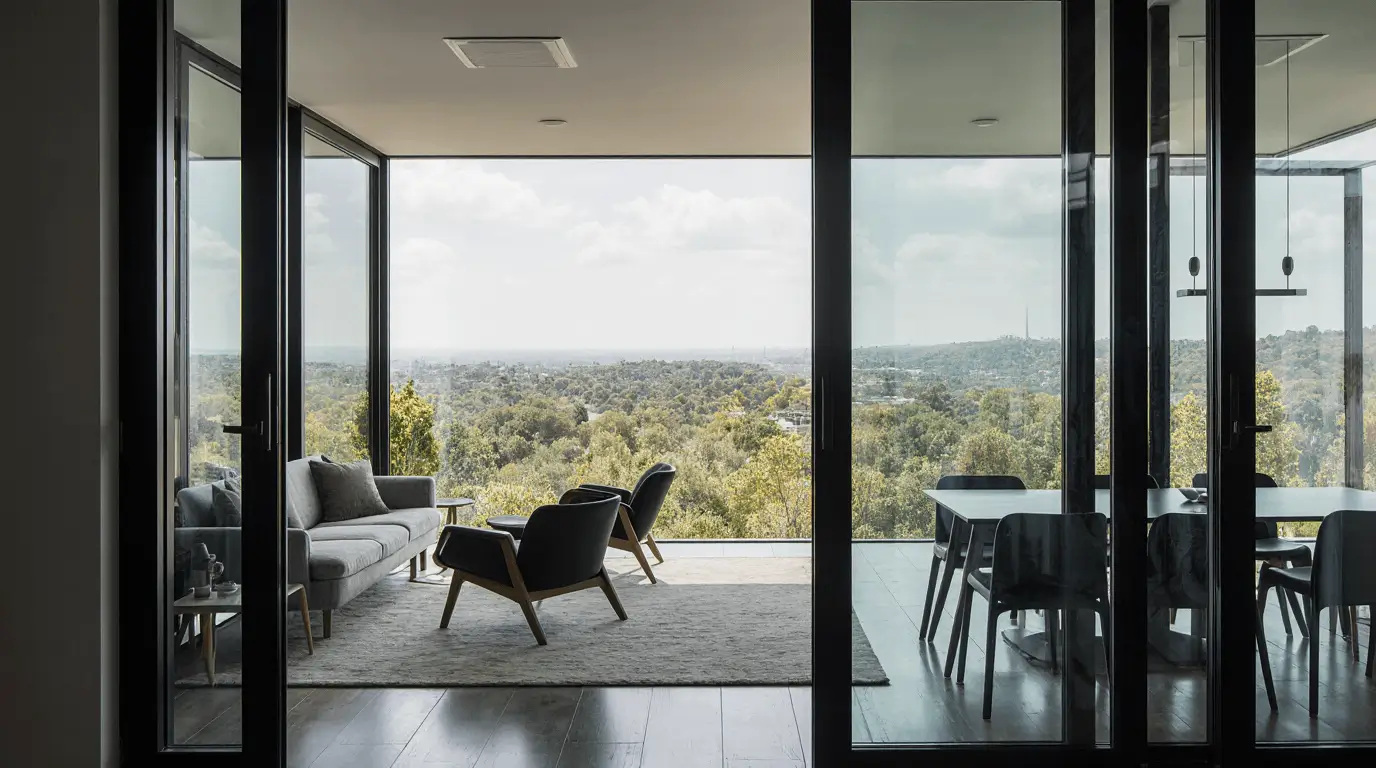
Black vs White Interior Doors with Glass Panels
Black framed glass doors feel modern and architectural. White glass doors soften the look and suit traditional or transitional spaces.
Black vs White Interior Doors for Bold Interiors
If the goal is to make a statement, black doors are the stronger choice. White doors support bold décor without competing.
Conclusion: Making the Right Choice for Your Space
Deciding between black vs white interior doors ultimately comes down to how you want your home to feel and function on a daily basis. Black doors bring structure, contrast, and a sense of architectural intention—they work especially well in spaces where you want to create depth or highlight clean lines. White doors, by contrast, offer continuity and brightness, making them a reliable choice for maintaining an open, cohesive look across multiple rooms.
From a practical standpoint, I’ve found that homes with ample natural light and a modern or transitional style tend to benefit most from black doors, as they ground the space without overwhelming it. Meanwhile, white doors remain the most versatile option, particularly in smaller homes or traditional interiors where maintaining light flow is essential. Neither choice is inherently better—it’s about aligning the door color with your overall design direction, lighting conditions, and how you experience the space day to day.
If you’re still unsure, start small. Test one area—like a hallway or a single room—and observe how it interacts with your walls, flooring, and light throughout the day. The right decision will feel balanced, intentional, and visually comfortable over time. When done thoughtfully, both black and white interior doors can elevate a home in a way that feels effortless yet impactful.
Learn more : Car Interior Materials That Instantly Elevate Comfort
FAQs: Black vs White Interior Doors
- Are black interior doors harder to maintain than white ones?
Black doors tend to show dust, fingerprints, and smudges more easily, especially in high-traffic areas. However, choosing a matte or satin finish can reduce visible marks. White doors may hide dust better but can show scuffs and discoloration over time. - Do black interior doors make a room look smaller?
Not necessarily. While black is a darker color, it can actually add depth when used thoughtfully, especially against white or light-colored walls. In well-lit spaces, black doors often enhance contrast without making the room feel cramped. - Are white interior doors outdated compared to black doors?
White doors are timeless and continue to work across all design styles. While black doors are more trend-forward and modern, white doors remain a safe and elegant choice that won’t feel dated. - Can I mix black and white interior doors in the same home?
Yes, but it should be done intentionally. For example, you might use black doors in main living areas for impact and white doors in bedrooms for softness. Consistency in trim, hardware, or overall palette helps tie everything together. - What wall colors work best with black interior doors?
Black doors pair beautifully with white, off-white, soft gray, and even muted earthy tones. These combinations allow the doors to stand out without overwhelming the space. - Do black interior doors increase home value?
While door color alone doesn’t directly increase value, black doors can elevate perceived design quality, especially in modern or updated homes. They often contribute to a more polished and intentional look. - Which option is better for resale: black or white doors?
White doors are generally the safer choice for broad appeal, as they suit a wider range of tastes. However, well-executed black doors in a cohesive design can also leave a strong, positive impression on potential buyers.





One Response