
Introduction
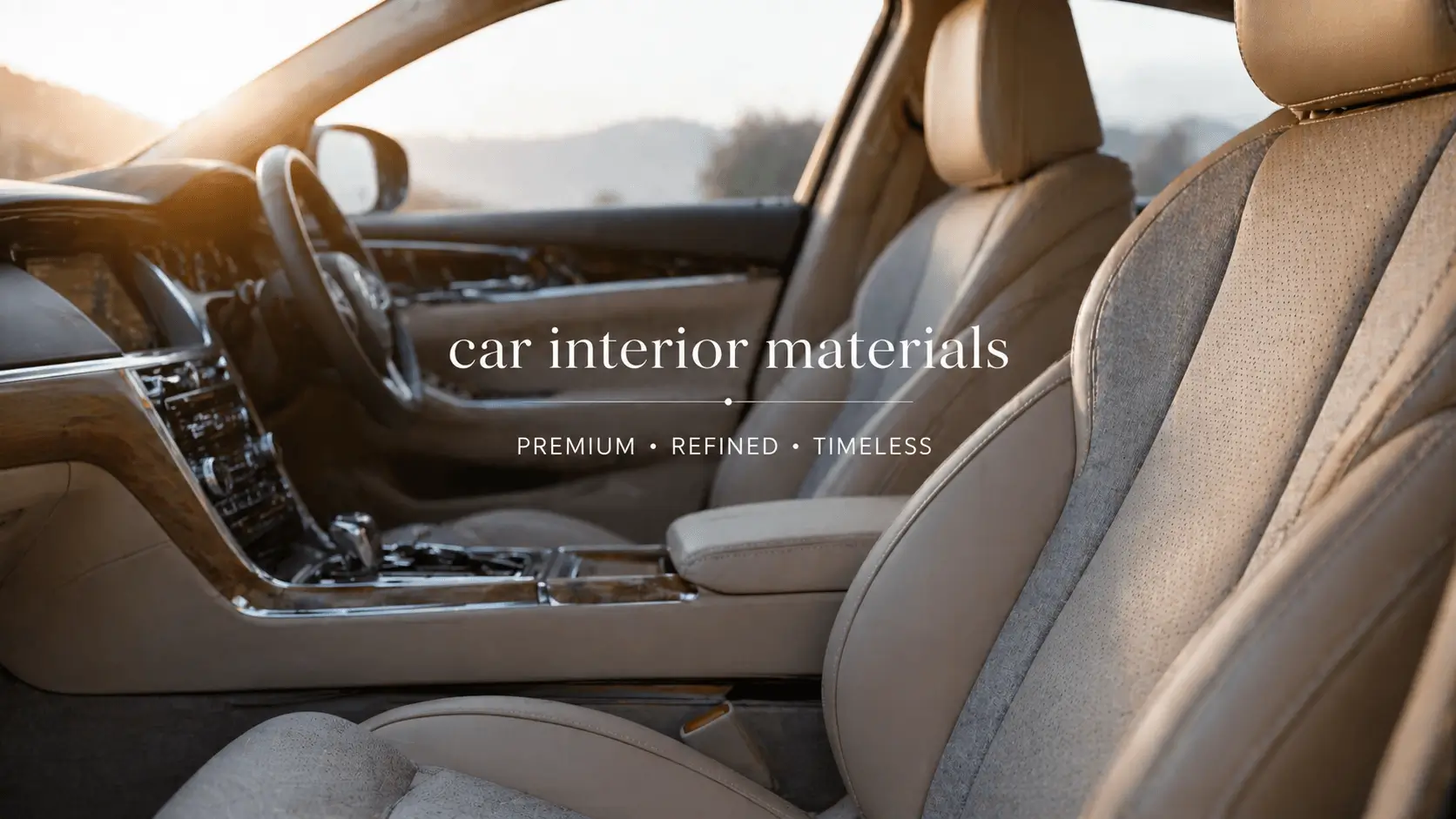
Car interior materials define how a vehicle feels, ages, and performs in everyday life. From the texture of your seats to the finish on your dashboard, the right materials can transform a basic cabin into a refined, comfortable space. Whether you’re choosing a new vehicle or upgrading an existing one, understanding car interior materials helps you make smarter, long-lasting decisions.
In my experience working with automotive interiors and design aesthetics, the difference between a good and a great cabin often comes down to material selection. It’s not just about looks—factors like durability, climate compatibility, maintenance, and tactile comfort all play a crucial role. Let’s break down the most important categories and design directions so you can confidently choose what works best for your needs.
Car Interior Materials for Upholstery
Car interior materials used in upholstery determine comfort and longevity. Fabric, leather, and synthetic blends each offer unique benefits depending on climate, usage, and budget.
High-quality upholstery balances softness with resistance to wear, especially in high-contact areas like seats and armrests.
Fabric-Based Car Interior Materials
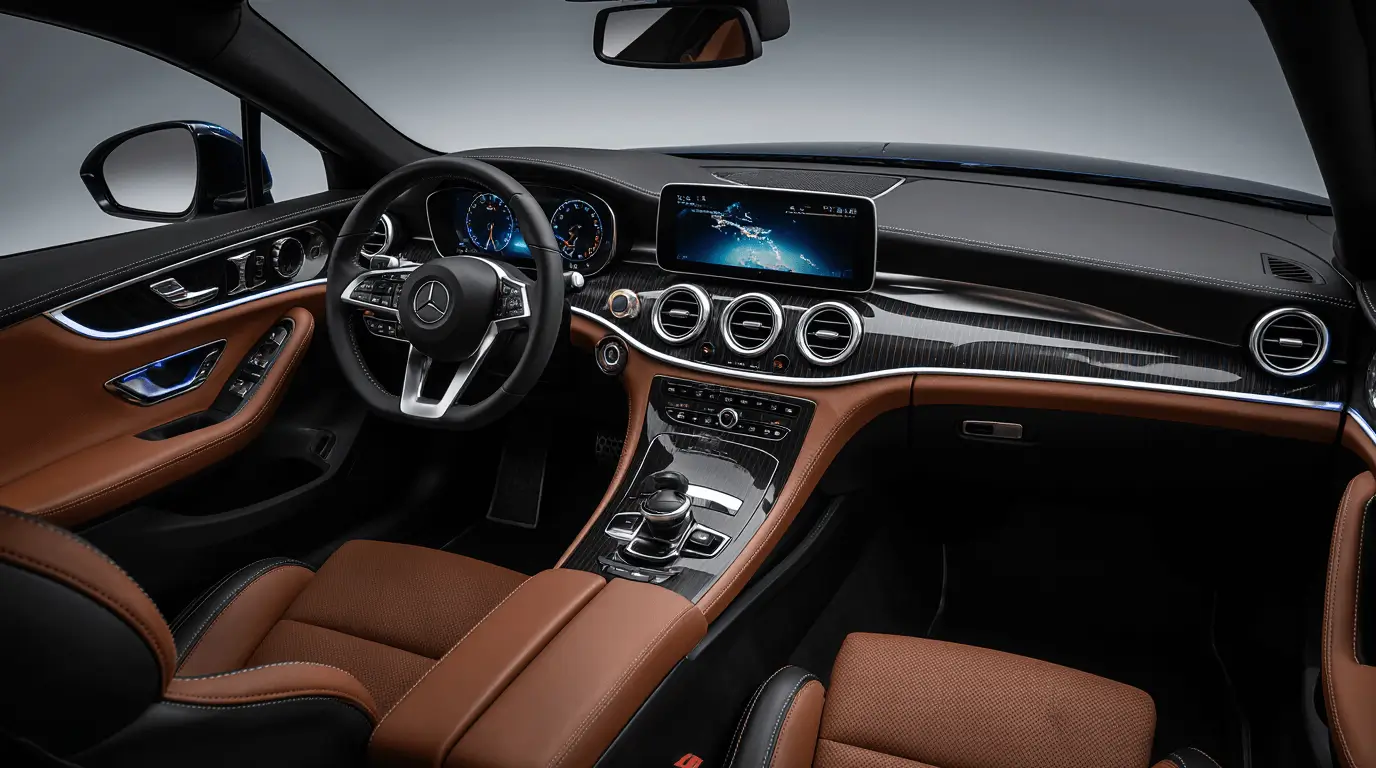
Fabric remains one of the most widely used car interior materials due to its affordability and breathability. It performs well in hot climates and offers a softer seating experience.
Modern automotive fabrics are engineered for stain resistance and durability, making them ideal for daily drivers.
Leather Car Interior Materials
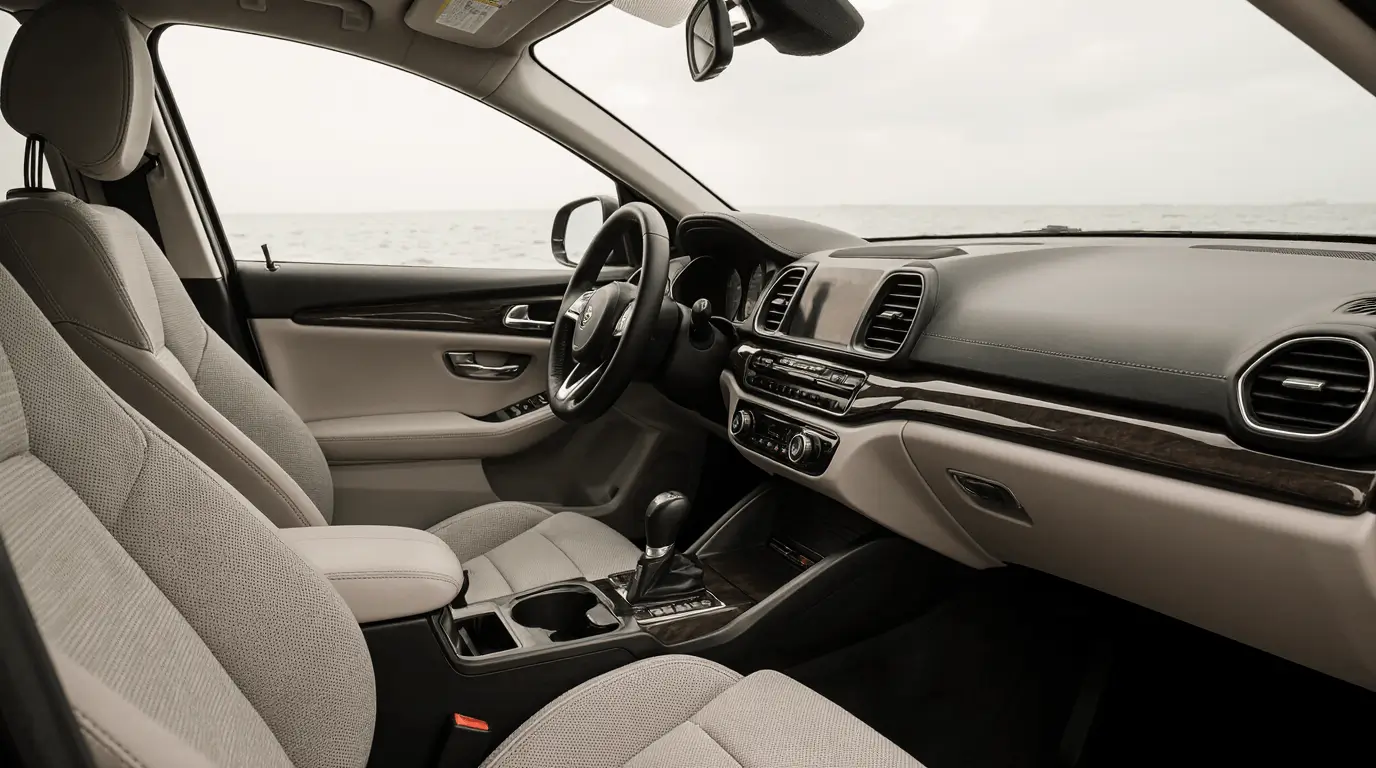
Leather is synonymous with luxury in car interior materials. It offers a premium look, smooth feel, and strong resale value.
However, it requires maintenance and performs best when treated regularly to prevent cracking in extreme temperatures.

Synthetic Car Interior Materials (Leather Alternatives)
Synthetic options like faux leather or vinyl replicate the appearance of leather while being more cost-effective and easier to maintain.
These car interior materials are highly resistant to spills and ideal for families or commercial vehicles.
Car Interior Materials for Seat Comfort
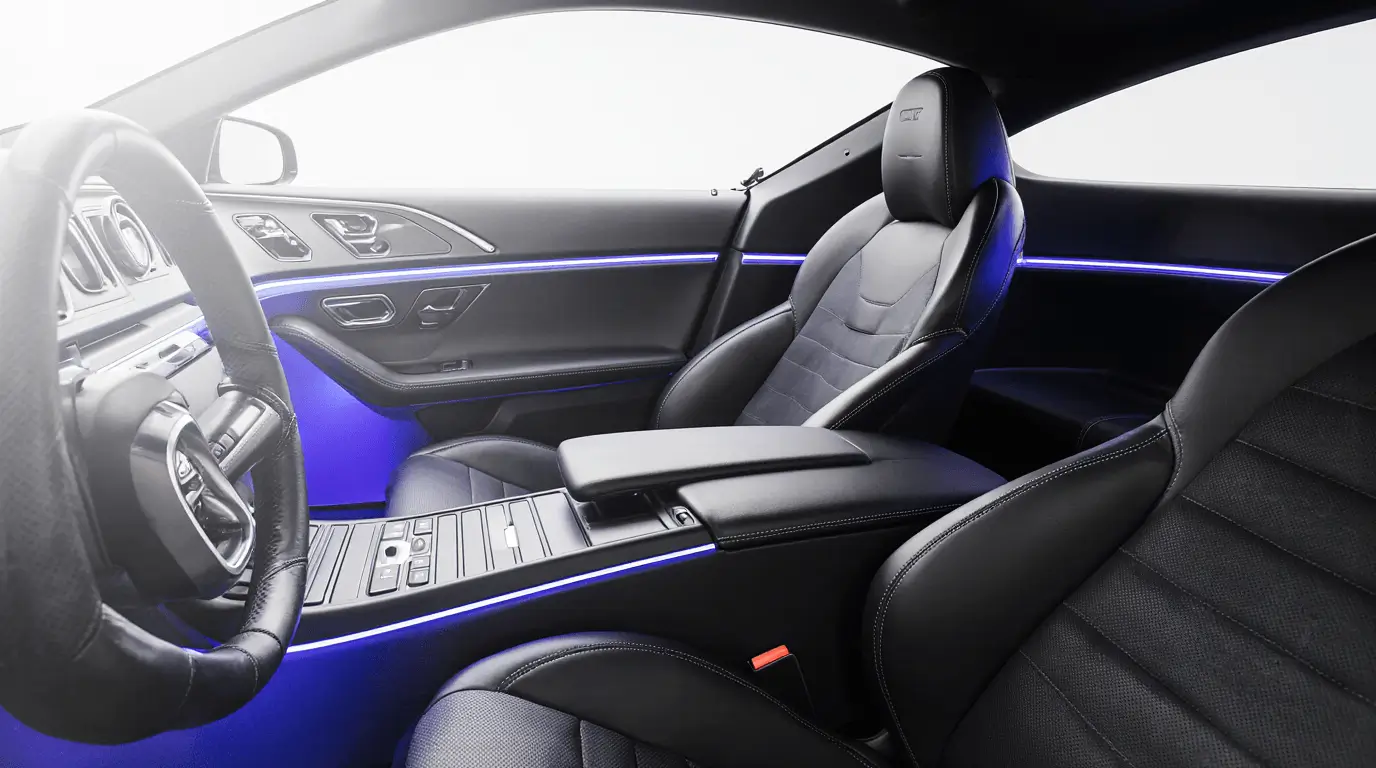
Seat materials must provide ergonomic support while maintaining durability. Multi-layer foam combined with breathable coverings enhances long-term comfort.
Choosing the right seat material improves posture and reduces fatigue during long drives.
Durable Car Interior Materials for Daily Use
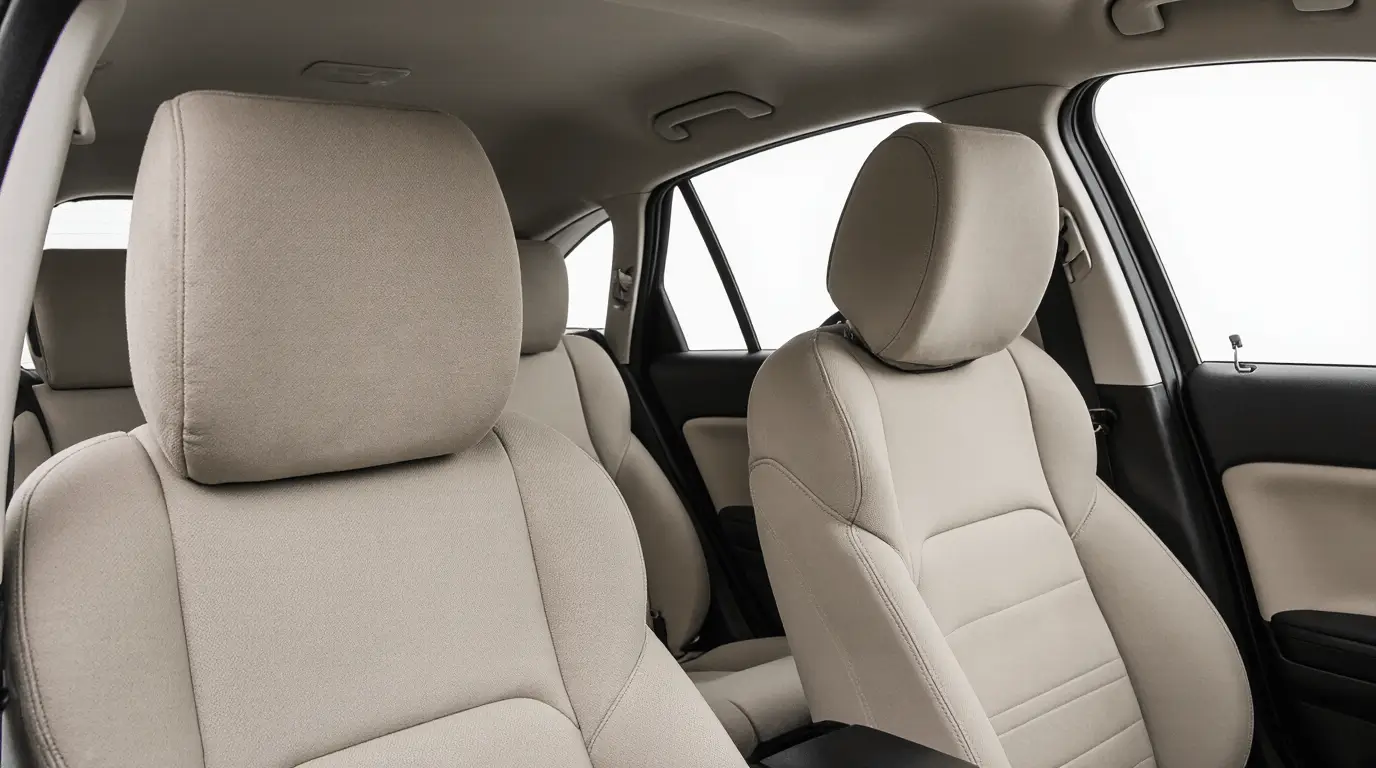
Durability is essential for frequently used vehicles. Materials like reinforced fabric, treated leather, and heavy-duty vinyl resist wear and tear.
These car interior materials are especially useful in high-traffic family or commercial cars.
Luxury Car Interior Materials
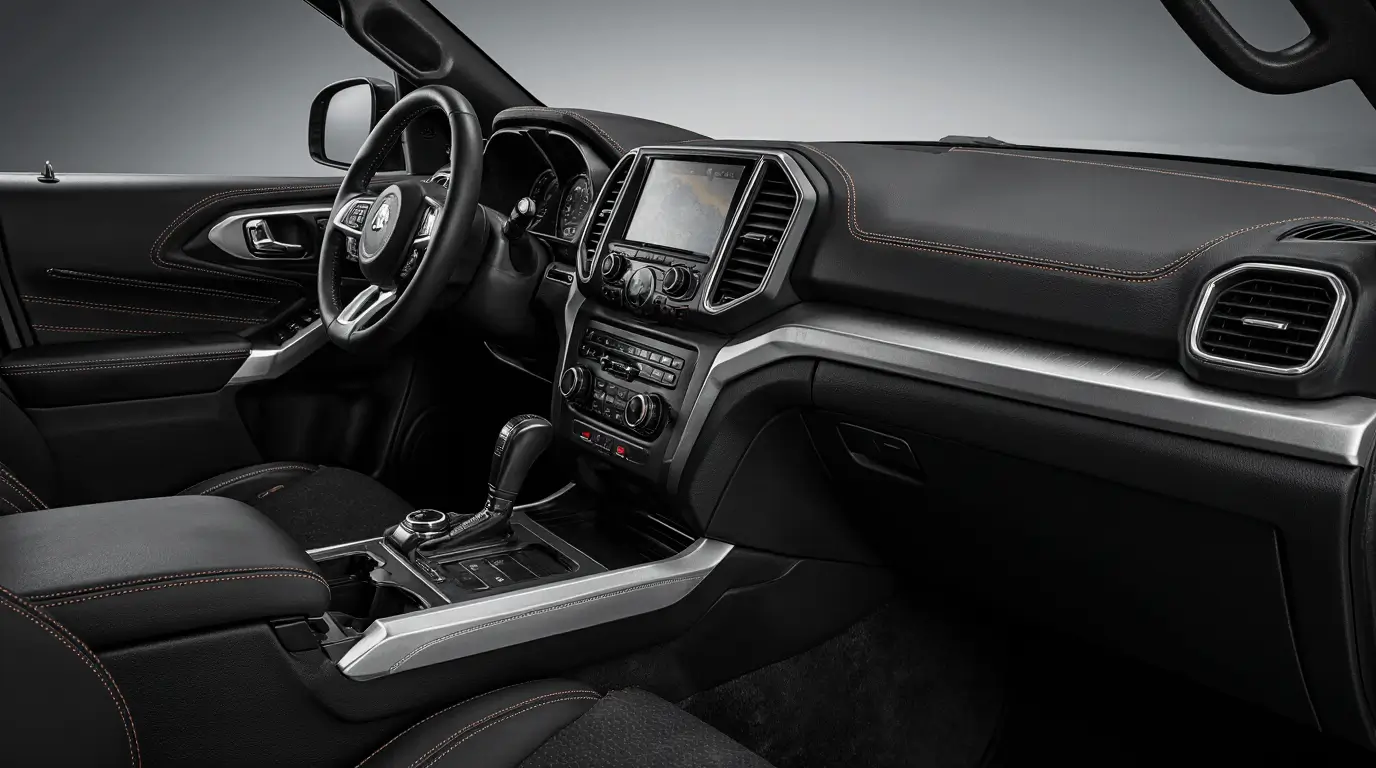
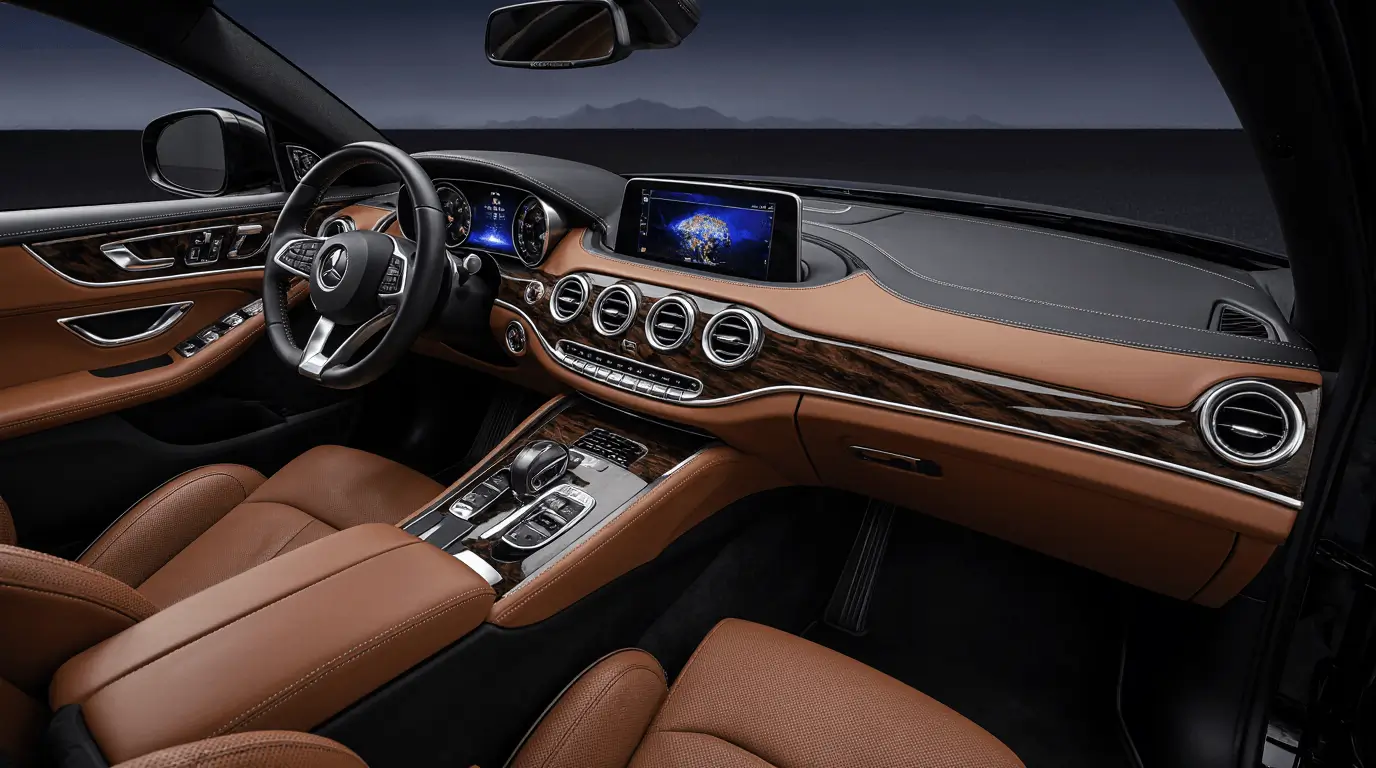
Luxury interiors combine premium leather, real wood, brushed metal, and soft-touch plastics. These materials create a layered, sensory-rich environment.
Attention to detail—like stitching and grain texture—elevates the overall driving experience.
Eco-Friendly Car Interior Materials
Sustainable car interior materials include recycled fabrics, plant-based leather alternatives, and natural fibers.
These materials reduce environmental impact while maintaining modern design standards and durability.
Car Interior Materials for Hot Climates
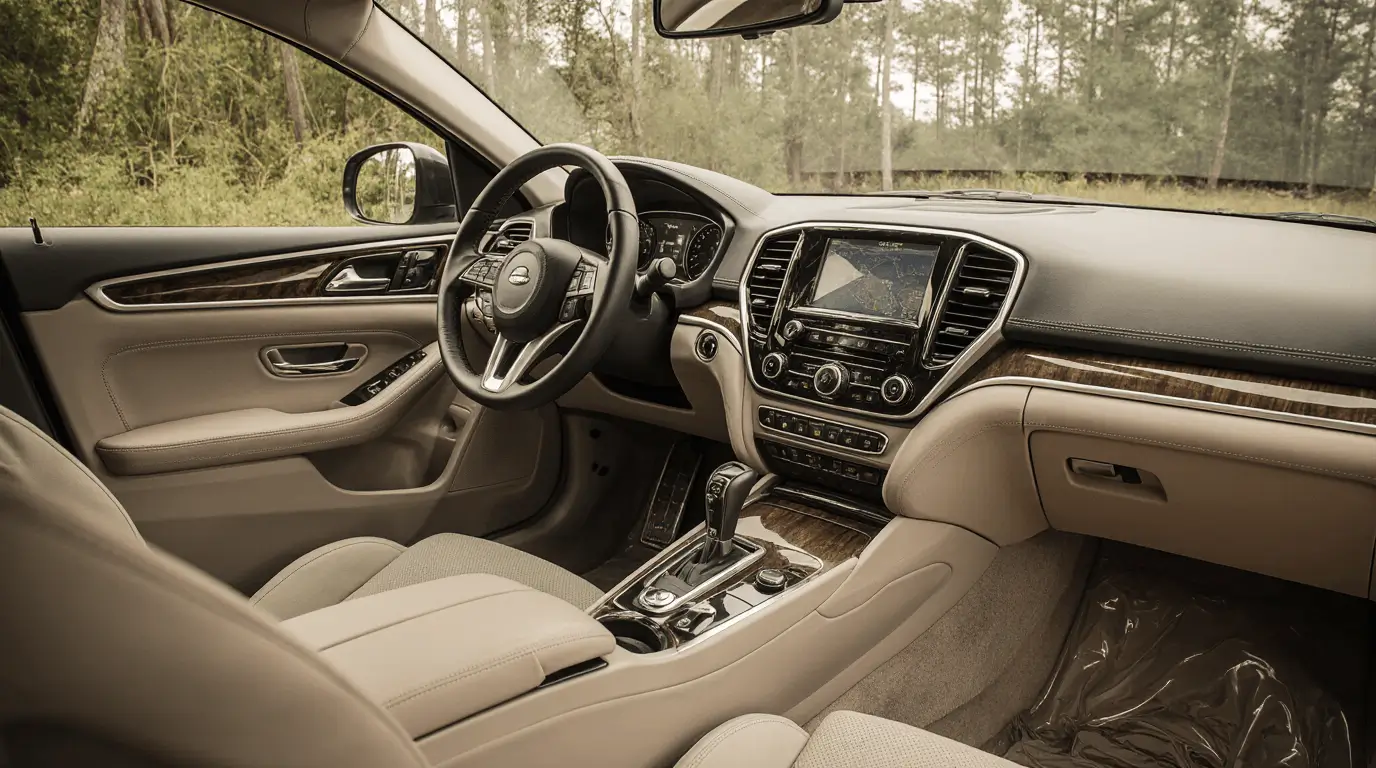
In warmer regions, breathable fabrics and heat-resistant materials are essential. Light-colored interiors help reduce heat absorption.
Ventilated seats and moisture-wicking fabrics improve comfort significantly.
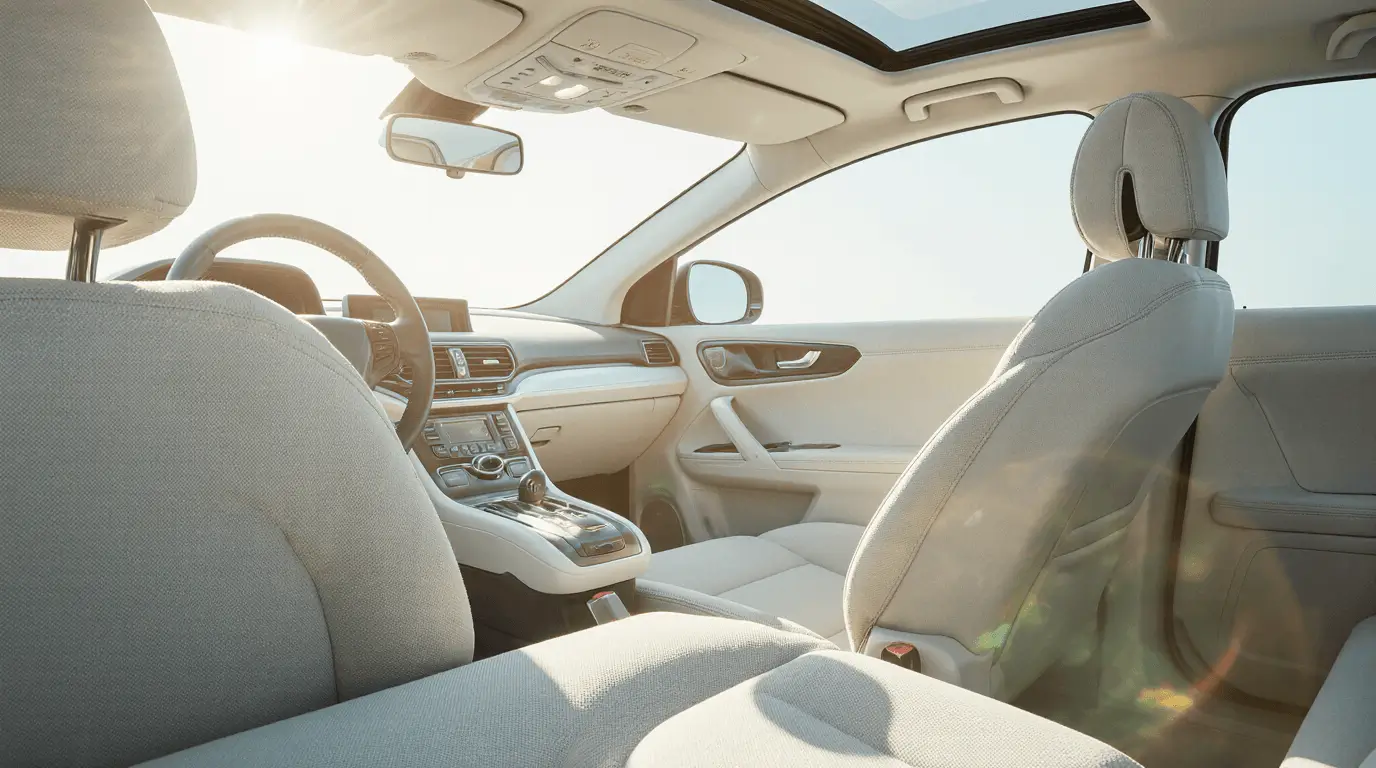
Car Interior Materials for Cold Climates
Cold-weather interiors benefit from materials like leather paired with heating elements or insulated fabrics.
These car interior materials retain warmth and enhance comfort during winter driving.

Car Interior Materials for Easy Maintenance
Low-maintenance materials like vinyl and treated synthetics are easy to clean and resist stains.
They are ideal for users who prioritize practicality and minimal upkeep.
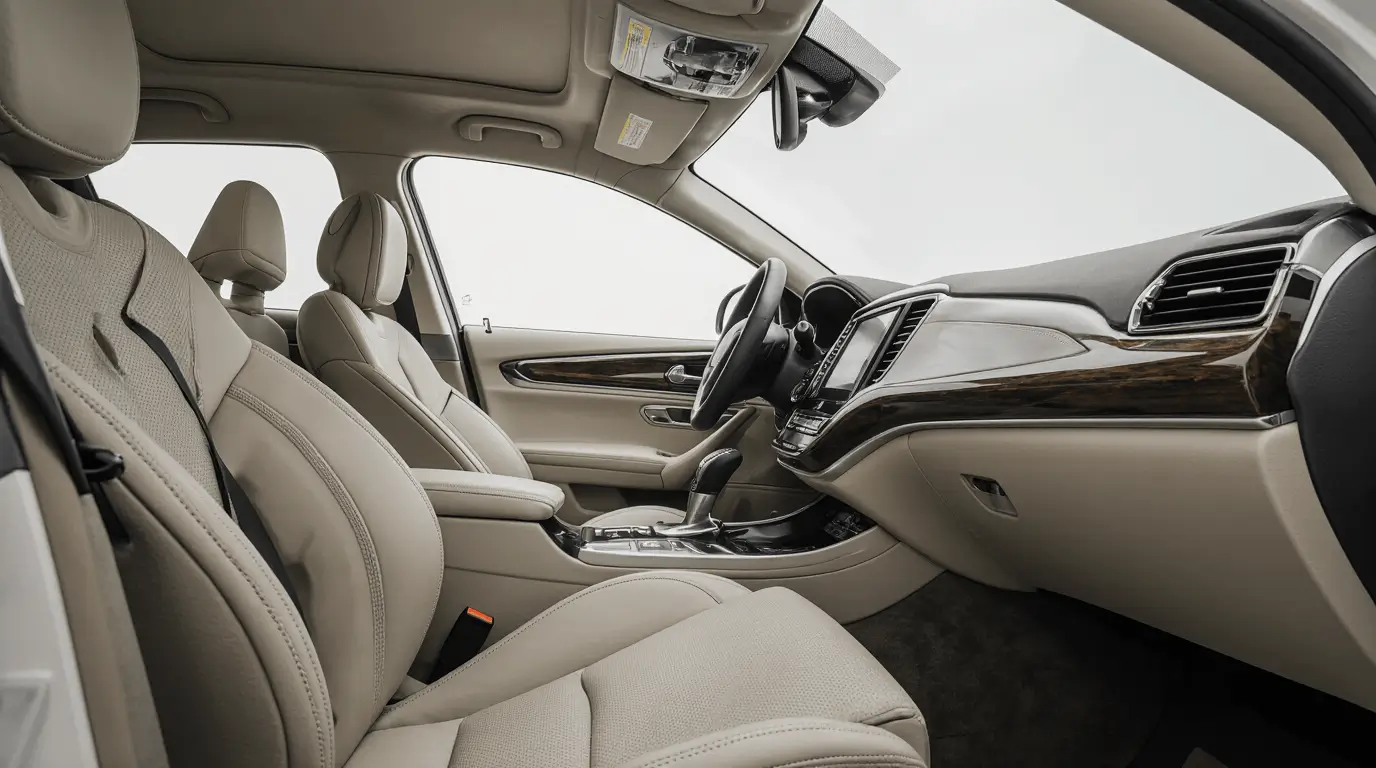
Textured Car Interior Materials
Textures add depth and visual interest to interiors. Combining smooth and rough surfaces enhances tactile engagement.
Textured fabrics and embossed materials create a more dynamic cabin environment.
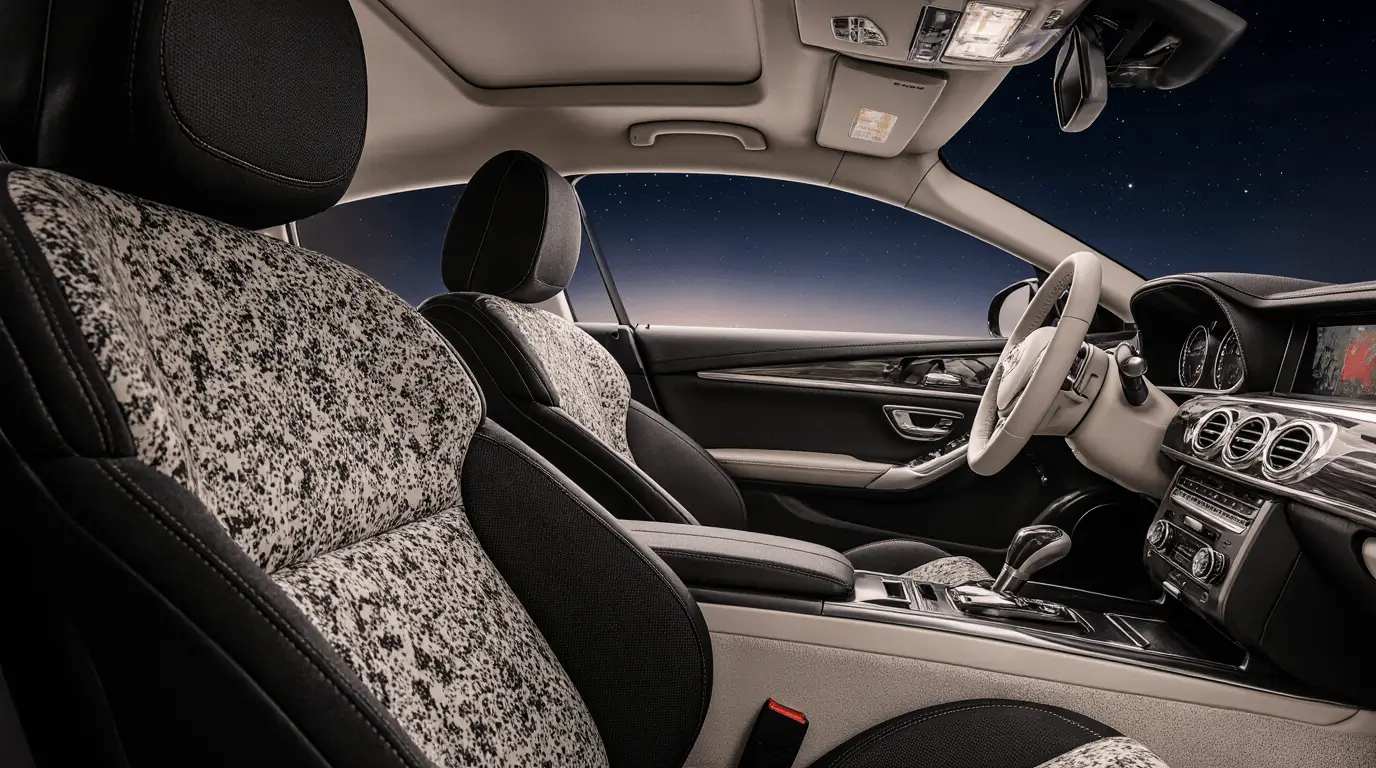
Car Interior Materials for Sound Insulation
Certain materials help reduce cabin noise, such as dense fabrics, foam padding, and acoustic panels.
These car interior materials improve driving comfort by minimizing road and engine noise.
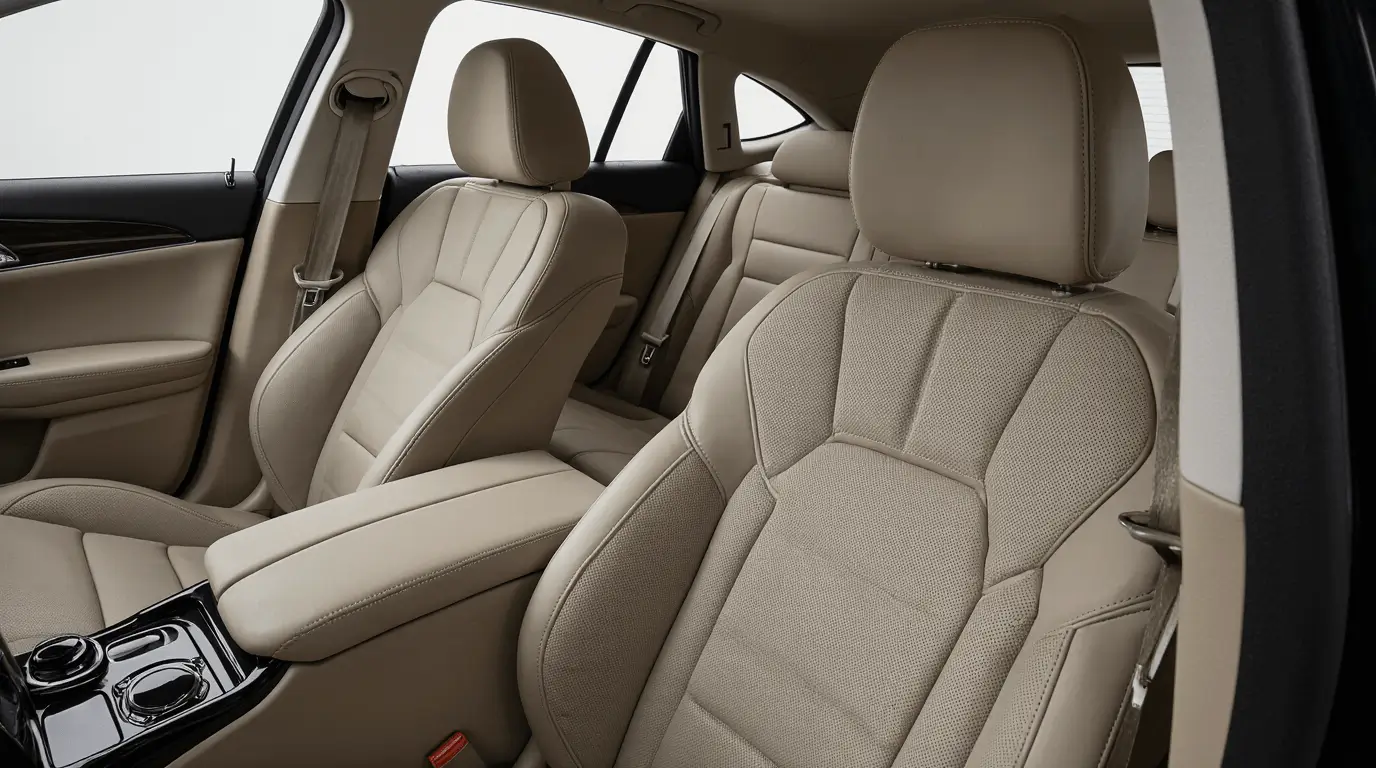
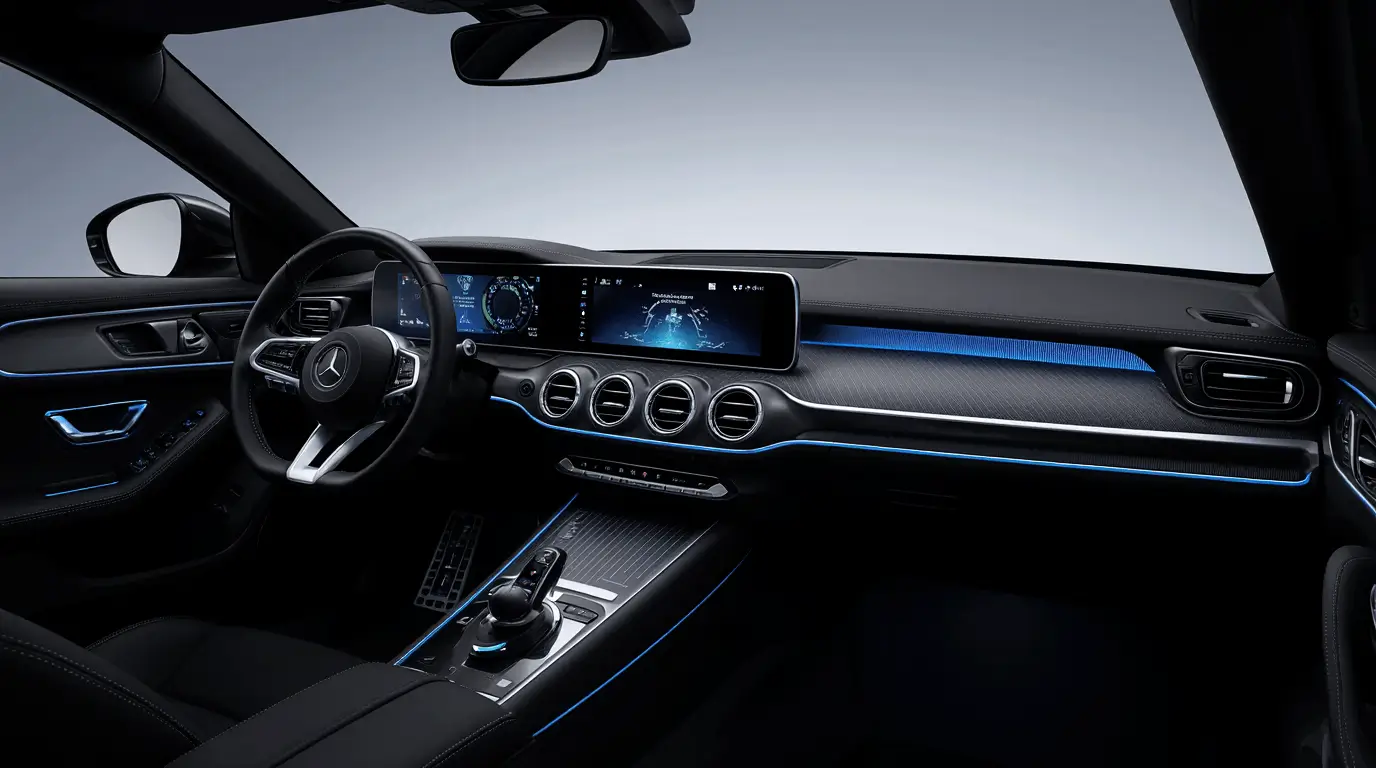
Premium Dashboard Car Interior Materials
Dashboards often feature soft-touch plastics, leather wraps, or wood trims. These materials influence the perceived quality of the vehicle.
A well-designed dashboard enhances both aesthetics and usability.
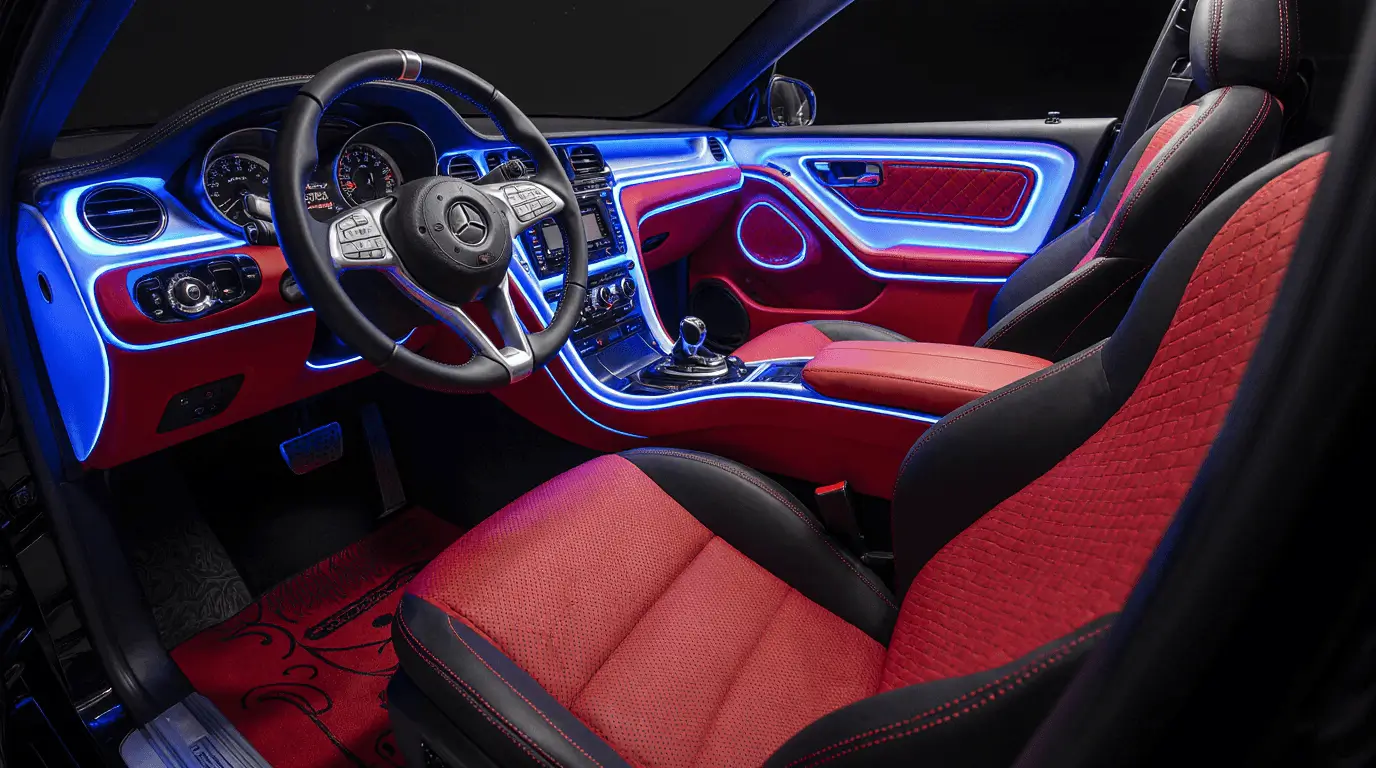
Car Interior Materials for Customization
Custom interiors allow drivers to personalize materials, colors, and finishes. From bespoke leather to unique fabric blends, options are nearly endless.
Customization enhances individuality and elevates the ownership experience.
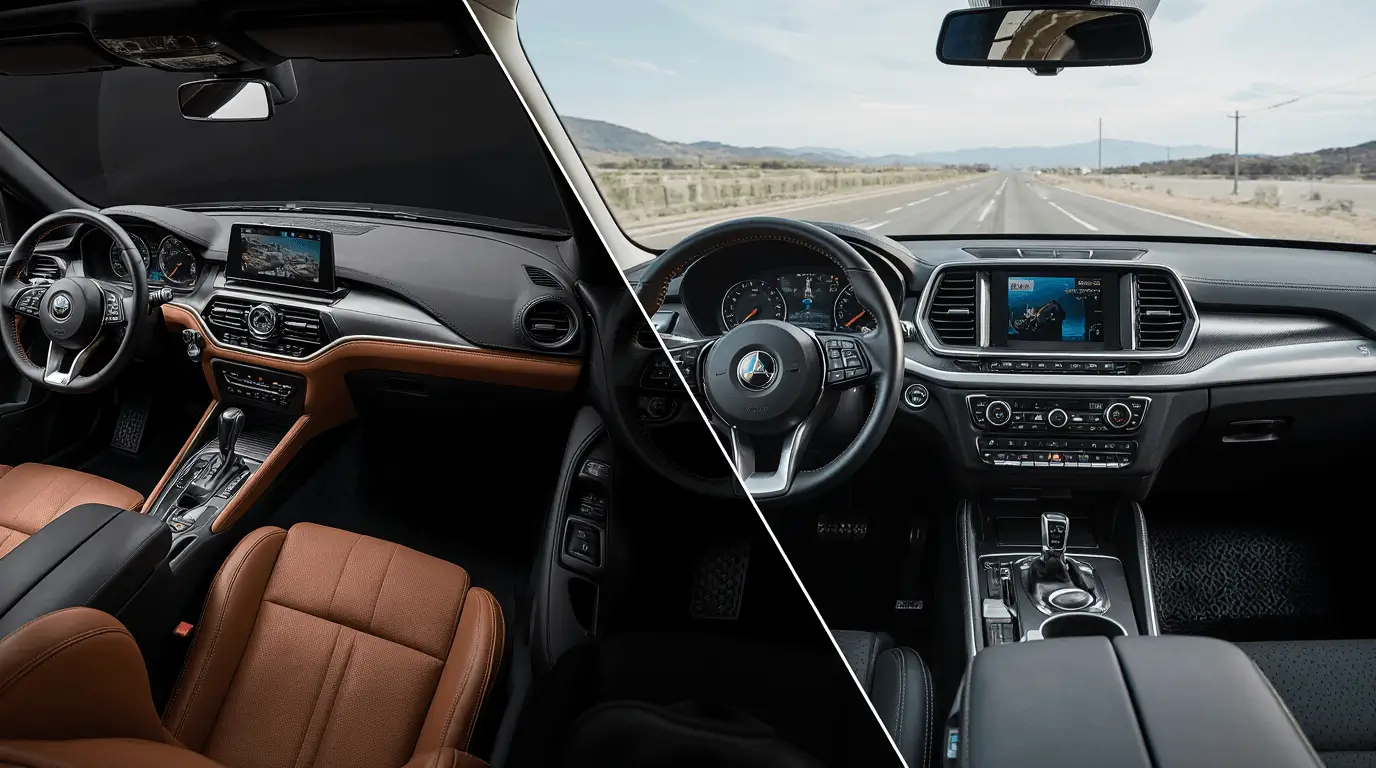
OEM vs Aftermarket Car Interior Materials
OEM materials are designed specifically for the vehicle model, ensuring perfect fit and consistency. Aftermarket options offer flexibility and variety.
Choosing between them depends on budget, customization needs, and quality expectations.
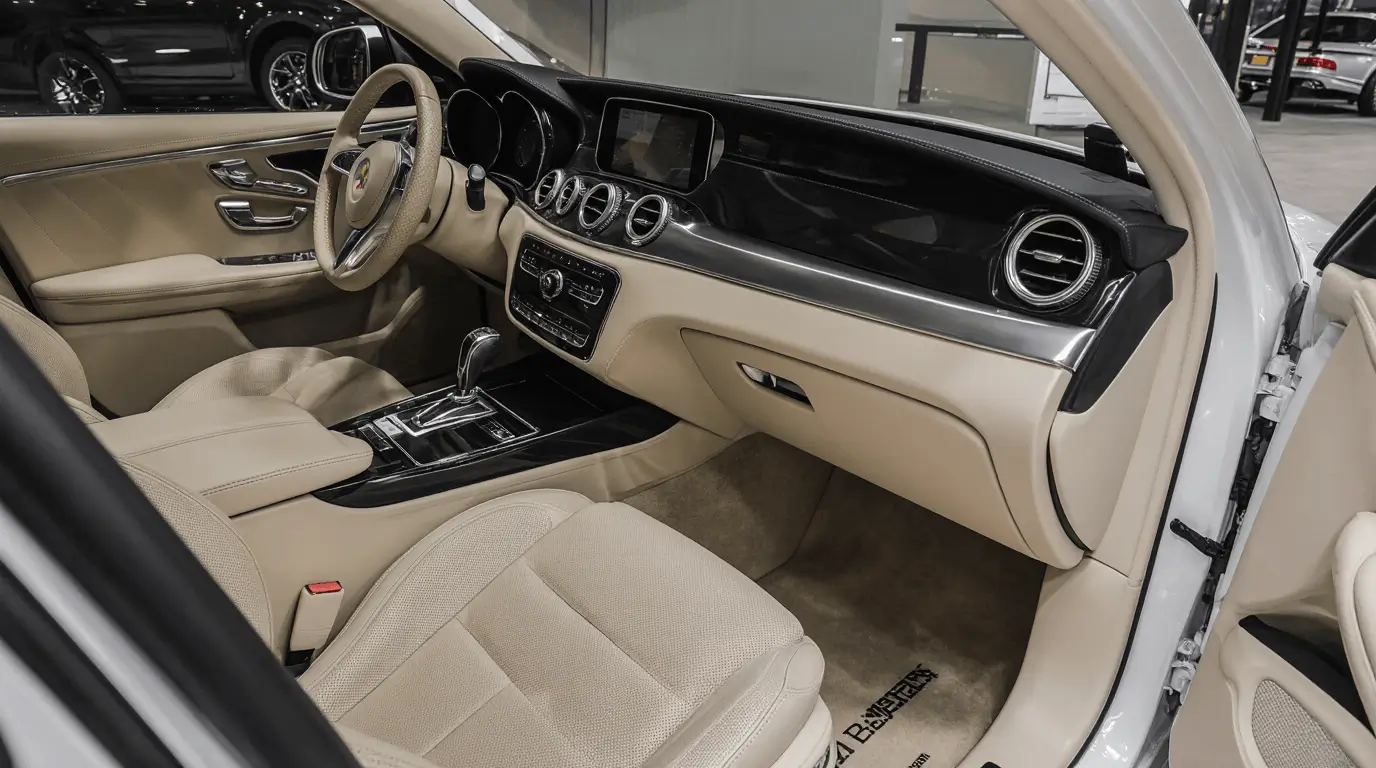
Car Interior Materials for Resale Value
High-quality materials like leather and well-maintained upholstery increase resale value.
Buyers often judge a vehicle’s condition based on the interior, making material choice a long-term investment.
Conclusion: Making the Right Choice in Car Interior Materials
Choosing the right car interior materials is ultimately about aligning your lifestyle with the way your vehicle is used every day. A well-designed interior isn’t just visually appealing—it directly impacts comfort, durability, and even how you feel during long drives. From breathable fabrics in warmer climates to premium leather in luxury settings, each material serves a purpose when selected thoughtfully.
In practice, the best results come from balancing aesthetics with functionality. If you have a busy household or frequently travel, low-maintenance synthetics or durable fabrics will save time and effort. On the other hand, if you value refinement and long-term resale appeal, investing in higher-end materials like leather or layered finishes makes a noticeable difference. The key is understanding how each option performs over time, not just how it looks on day one.
When you approach interior design with clarity—considering climate, usage, maintenance, and personal taste—you create a cabin that feels intentional and comfortable every time you step inside. The right material choices don’t just enhance your car; they elevate your daily driving experience in a way that feels natural and lasting.
Learn more : Dulux Natural White Interior: A Calm, Timeless Upgrade
Frequently Asked Questions (FAQs)
- What are the most durable car interior materials for everyday use?
Durable options include treated fabric, synthetic leather (vinyl), and reinforced upholstery blends. These materials are designed to resist wear, stains, and fading, making them ideal for daily commuting or family use. - Is leather always the best choice for car interiors?
Not necessarily. Leather offers a premium feel and strong resale value, but it requires maintenance and can be sensitive to extreme temperatures. In hot climates or for low-maintenance needs, high-quality fabric or synthetic alternatives may perform better. - Which car interior materials are easiest to clean?
Synthetic materials like vinyl and faux leather are the easiest to maintain. They resist spills and can be wiped clean quickly, making them practical for households with children or pets. - Are eco-friendly car interior materials durable?
Yes, many modern sustainable materials are engineered to match or even exceed traditional options in durability. Recycled fabrics and plant-based alternatives are increasingly reliable while offering a reduced environmental impact. - How do I choose the right material for my climate?
In hot climates, breathable and light-colored fabrics help keep interiors cool. In colder regions, leather or insulated materials paired with heating features provide better comfort. Climate compatibility is key to long-term satisfaction. - Can upgrading car interior materials improve resale value?
Absolutely. A well-maintained interior with premium materials can significantly enhance a vehicle’s appeal to buyers. Clean, high-quality upholstery often signals overall good care and increases perceived value. - What’s the difference between OEM and aftermarket interior materials?
OEM materials are designed specifically for your vehicle model, ensuring a precise fit and consistent quality. Aftermarket options offer more customization and variety but may vary in fit and finish depending on the supplier.





One Response