
Introduction
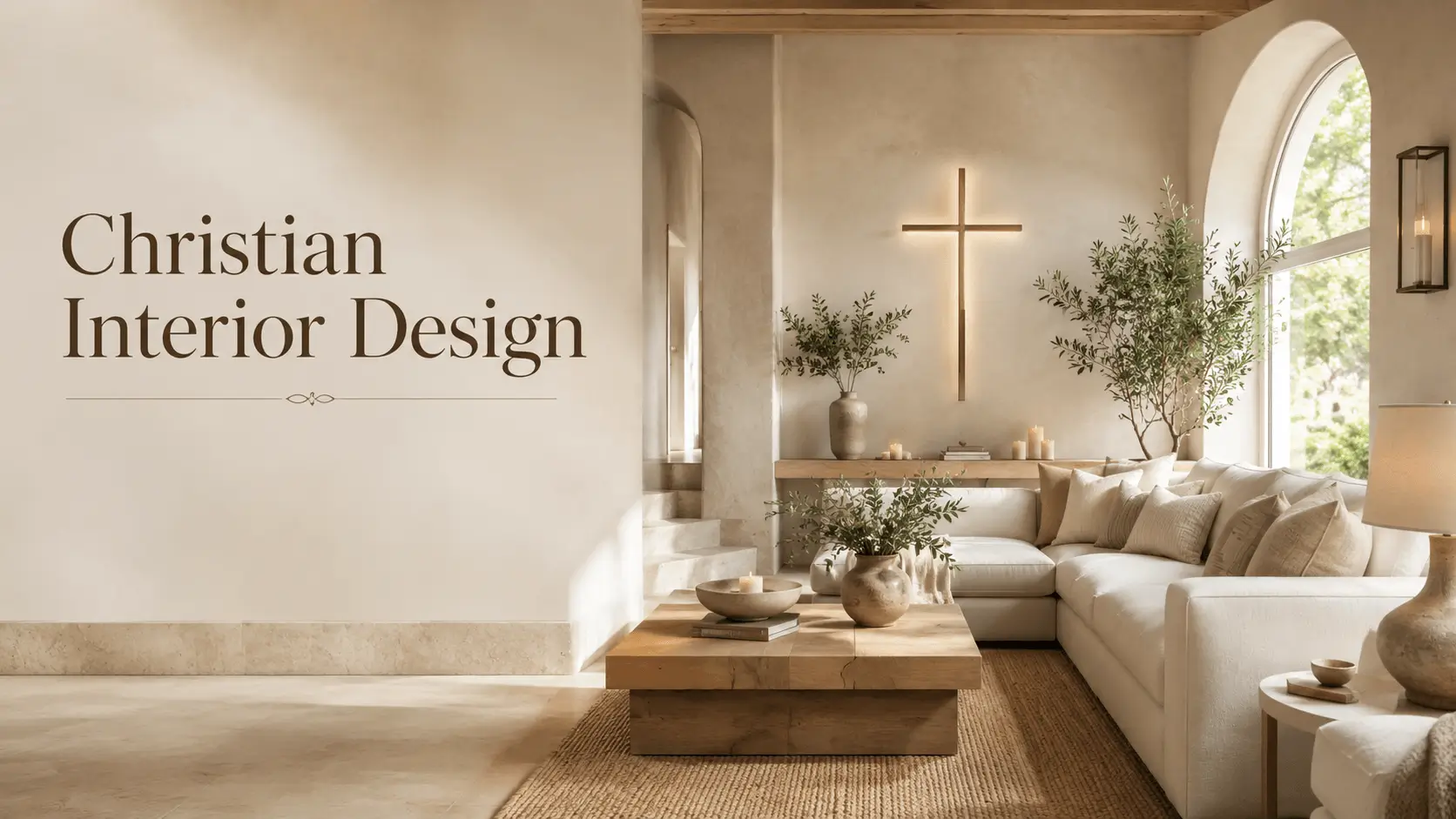
Christian interior design is more than arranging furniture or choosing colors—it is the intentional shaping of a home that reflects faith, peace, and spiritual identity. It blends aesthetics with meaning, allowing every space to gently point back to values of hope, gratitude, and devotion.
In modern homes, this design approach has evolved into a refined balance between minimalism, comfort, and symbolic expression. Whether through scripture-inspired wall art, natural textures, or sacred focal points, Christian interior design helps create spaces that feel grounded, calm, and spiritually uplifting.
At its core, it is about building a home environment where beauty and belief coexist naturally—without excess, but with purpose in every detail.
Modern Christian Interior Design Living Spaces
Modern Christian interior design focuses on clean layouts, soft neutral tones, and meaningful accents that subtly reflect faith. The goal is not visual overload but peaceful harmony where spiritual identity feels naturally embedded in the environment.
This style often uses open spaces, natural materials, and minimal décor to highlight intentional faith-centered elements.
Christian Wall Art Focal Walls
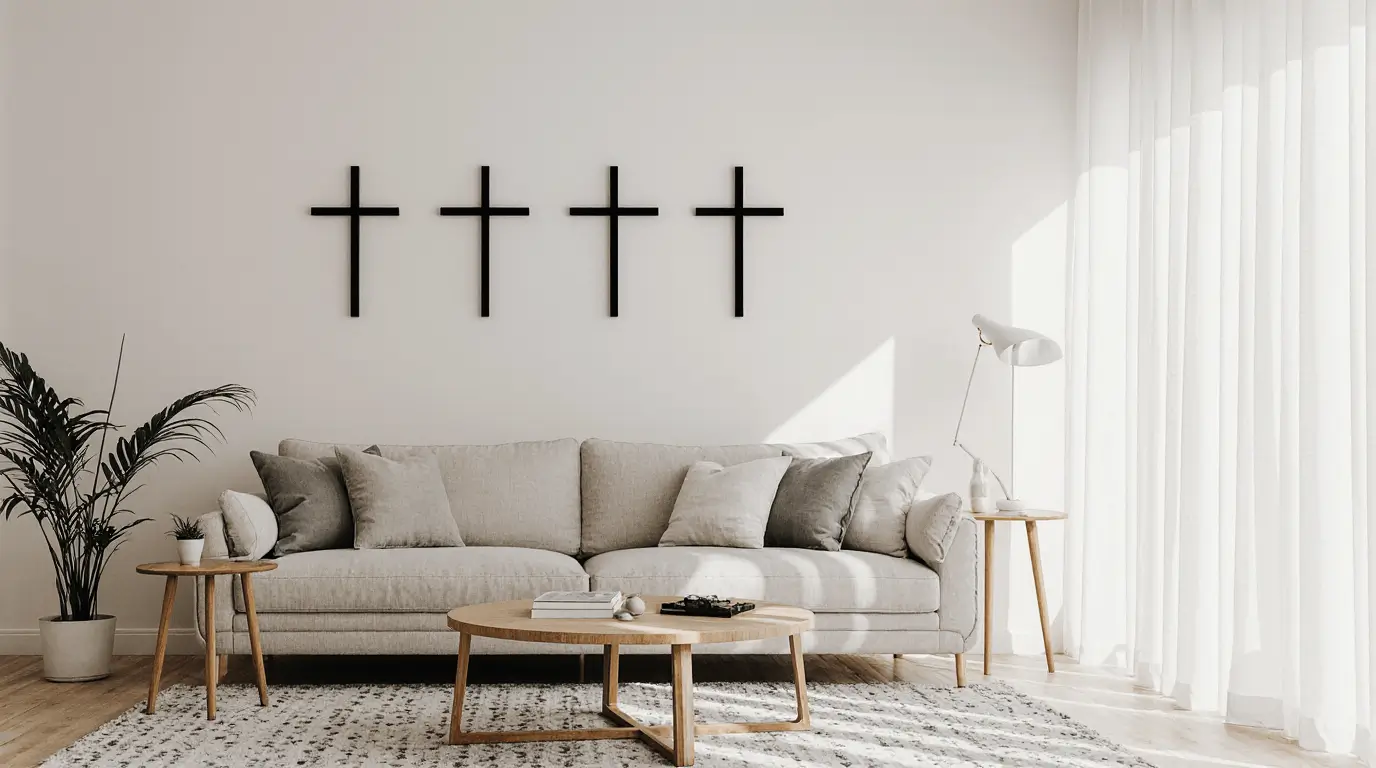
A focal wall in Christian interior design often features scripture, abstract faith symbols, or elegant cross artwork. It becomes the spiritual anchor of the room, drawing attention without overwhelming the space.
The design works best when balanced with soft textures and uncluttered surroundings.
Bible Verse Wall Decor in Christian Interior Design
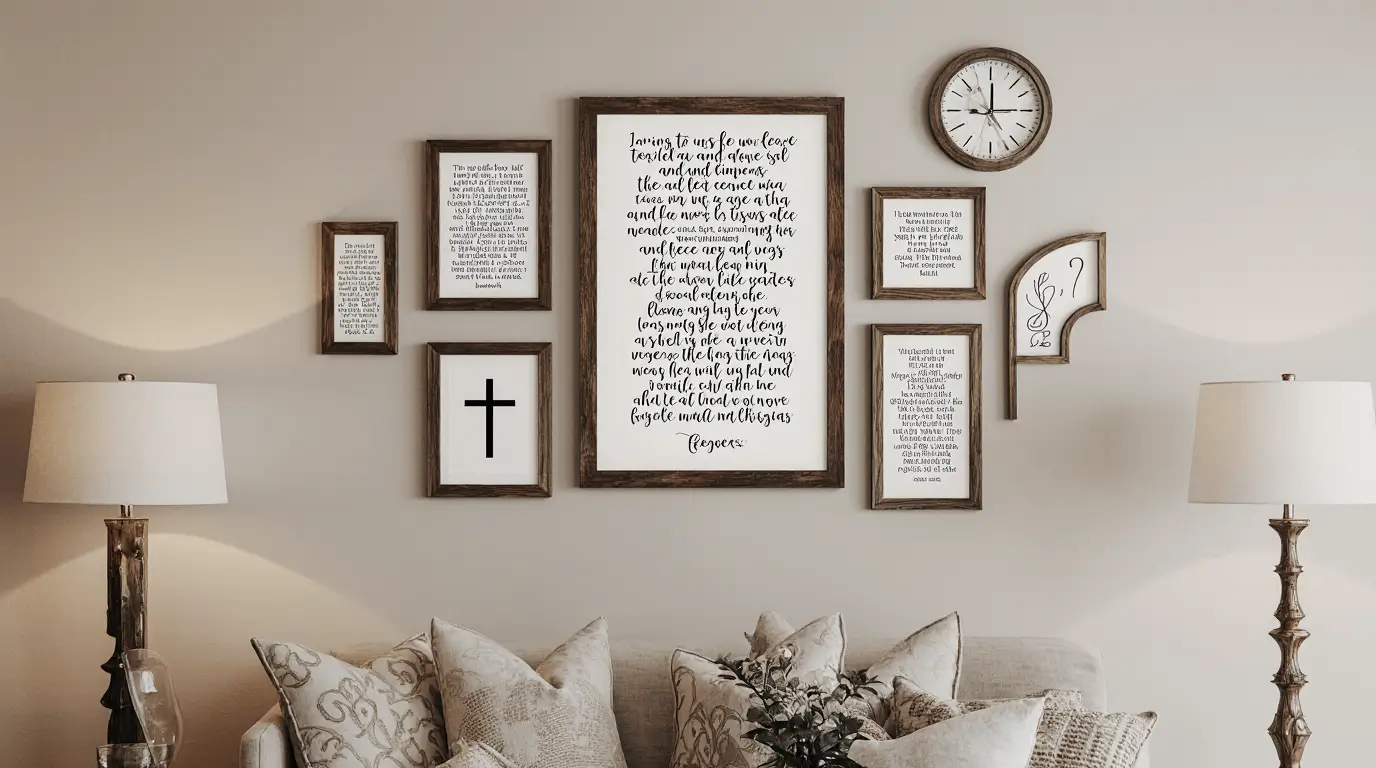
Bible verse décor brings daily encouragement into living spaces through visually appealing typography and framed scripture. It transforms walls into sources of reflection and spiritual grounding.
This style works especially well in hallways, living rooms, and bedrooms where quiet inspiration is needed.
Minimalist Christian Interior Design
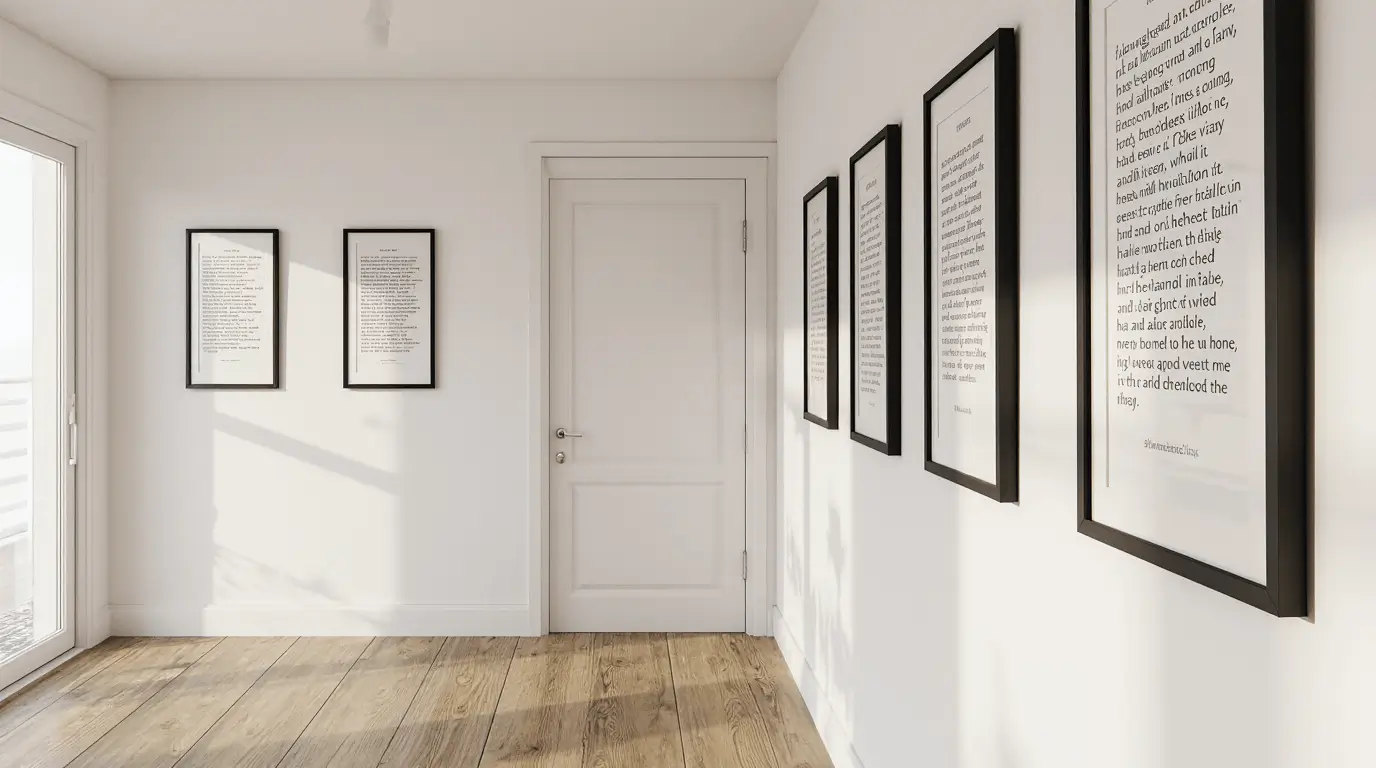
Minimalist Christian interior design removes clutter to emphasize peace, clarity, and spiritual focus. Every piece is intentional, often featuring symbolic décor like crosses or scripture art.
The simplicity helps create a distraction-free environment ideal for reflection and rest.
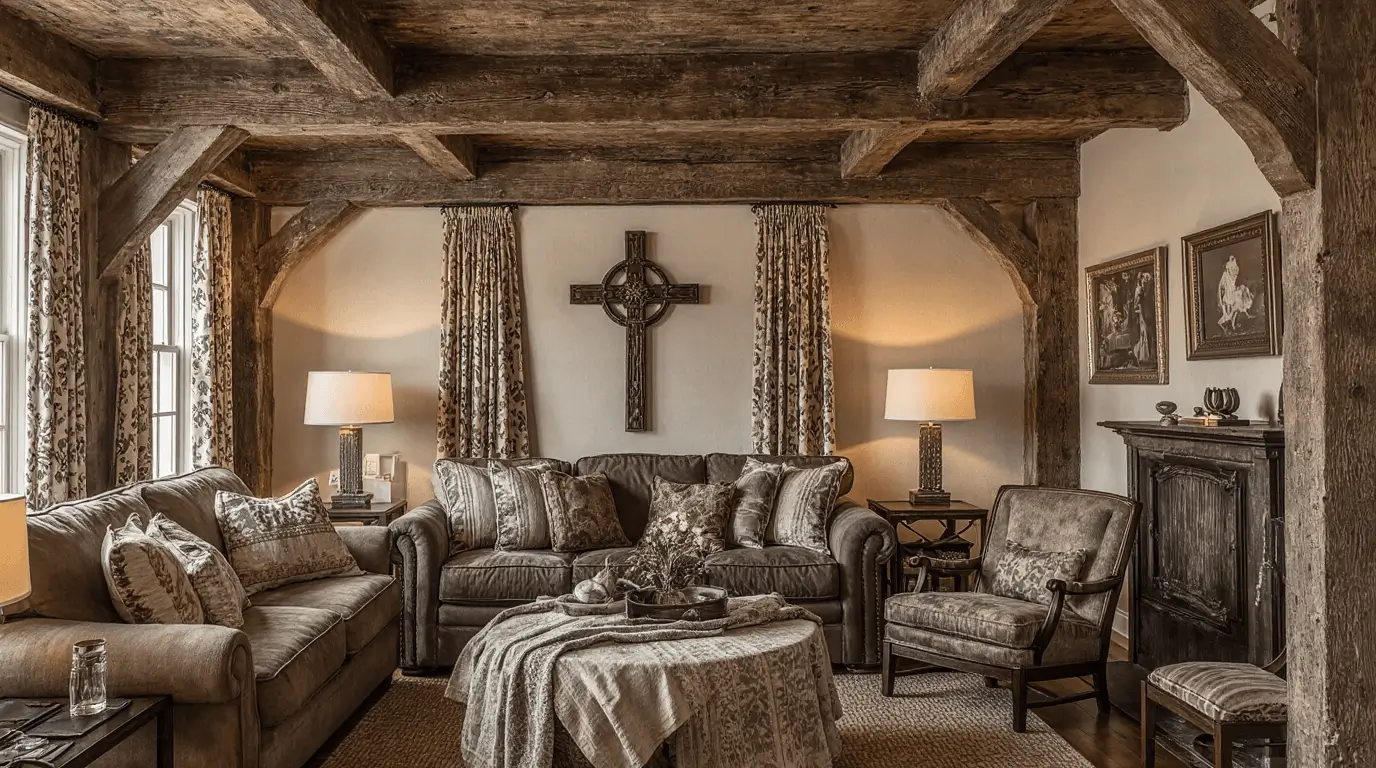
Rustic Farmhouse Christian Home Decor
Rustic farmhouse Christian interior design blends reclaimed wood, vintage accents, and faith-based décor for a warm, lived-in feel. It emphasizes comfort and tradition while incorporating spiritual symbolism.
This style often includes distressed finishes, woven textures, and scripture signs.
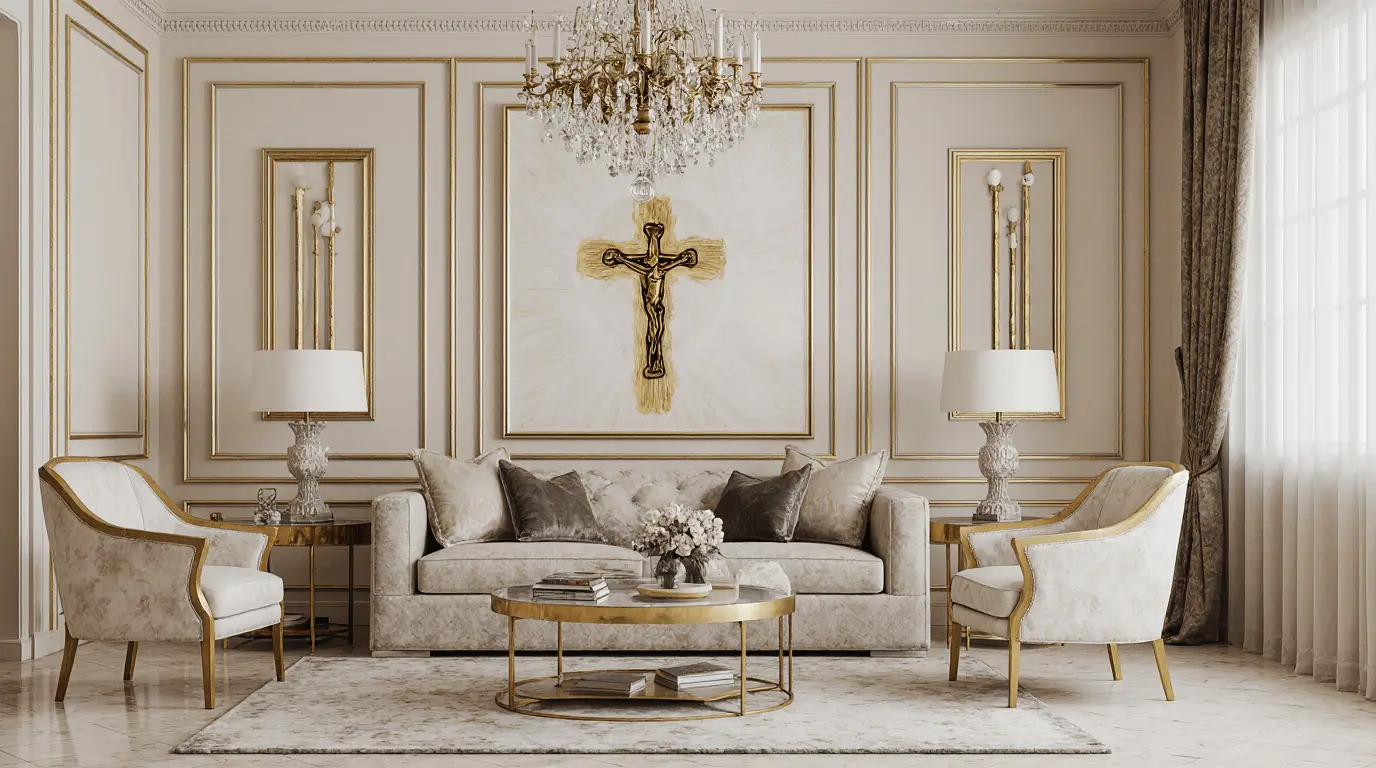
Modern Luxury Christian Home Decor
Luxury Christian interior design combines elegance with subtle faith expression through high-end materials and refined décor. Marble, gold accents, and soft lighting elevate spiritual symbolism into sophisticated design.
The result is a graceful environment that feels both opulent and deeply meaningful.
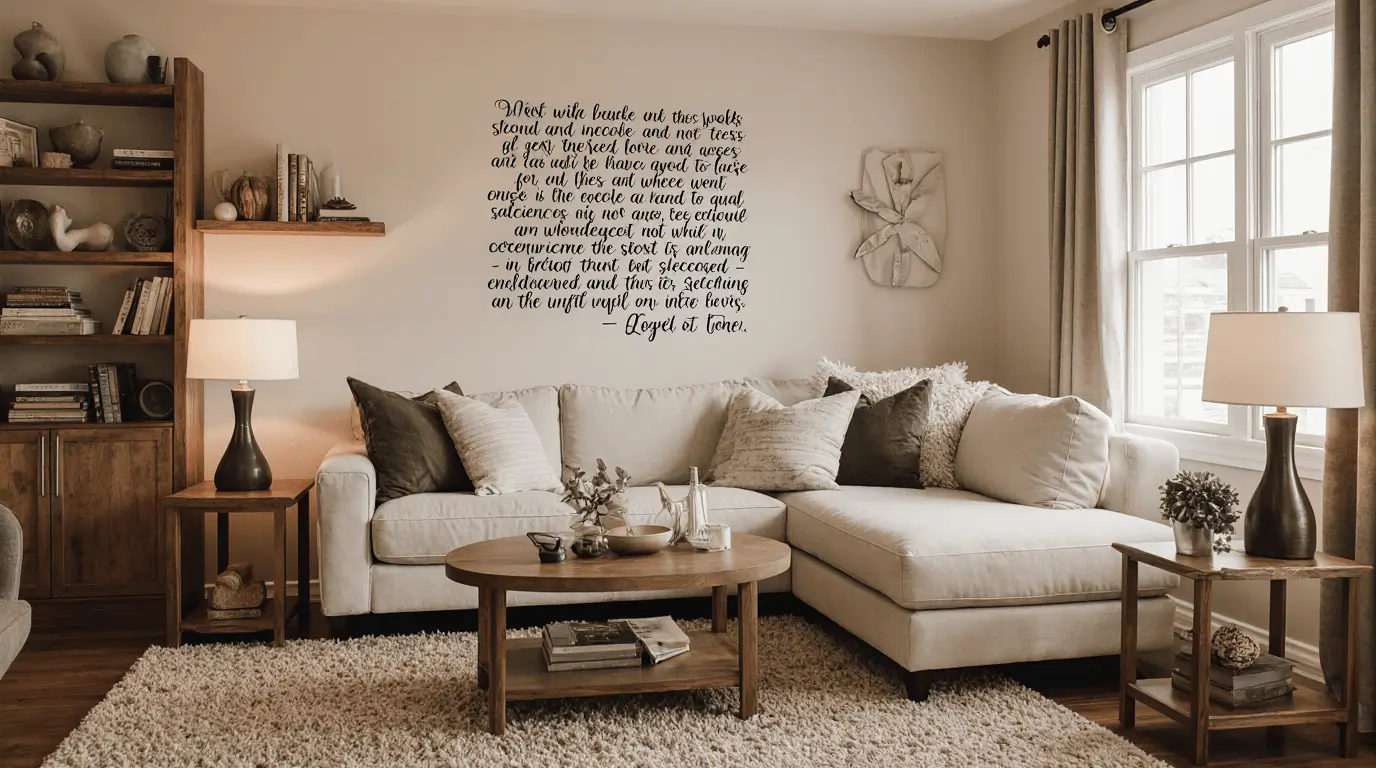
Christian Living Room Design Ideas
The living room in Christian interior design serves as a gathering place filled with warmth, hospitality, and spiritual presence. Subtle faith-based elements create an inviting and peaceful atmosphere.
Comfortable seating, soft lighting, and meaningful wall décor help shape the mood.
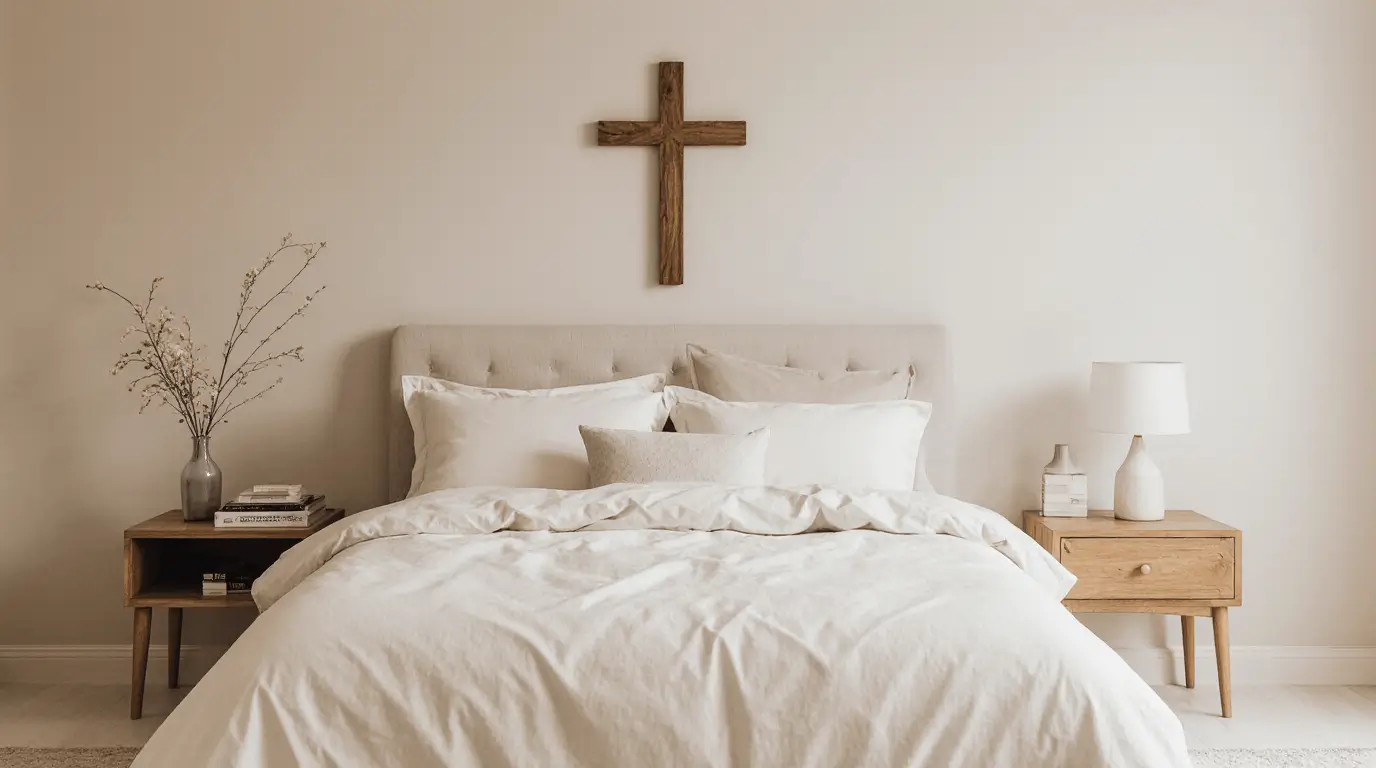
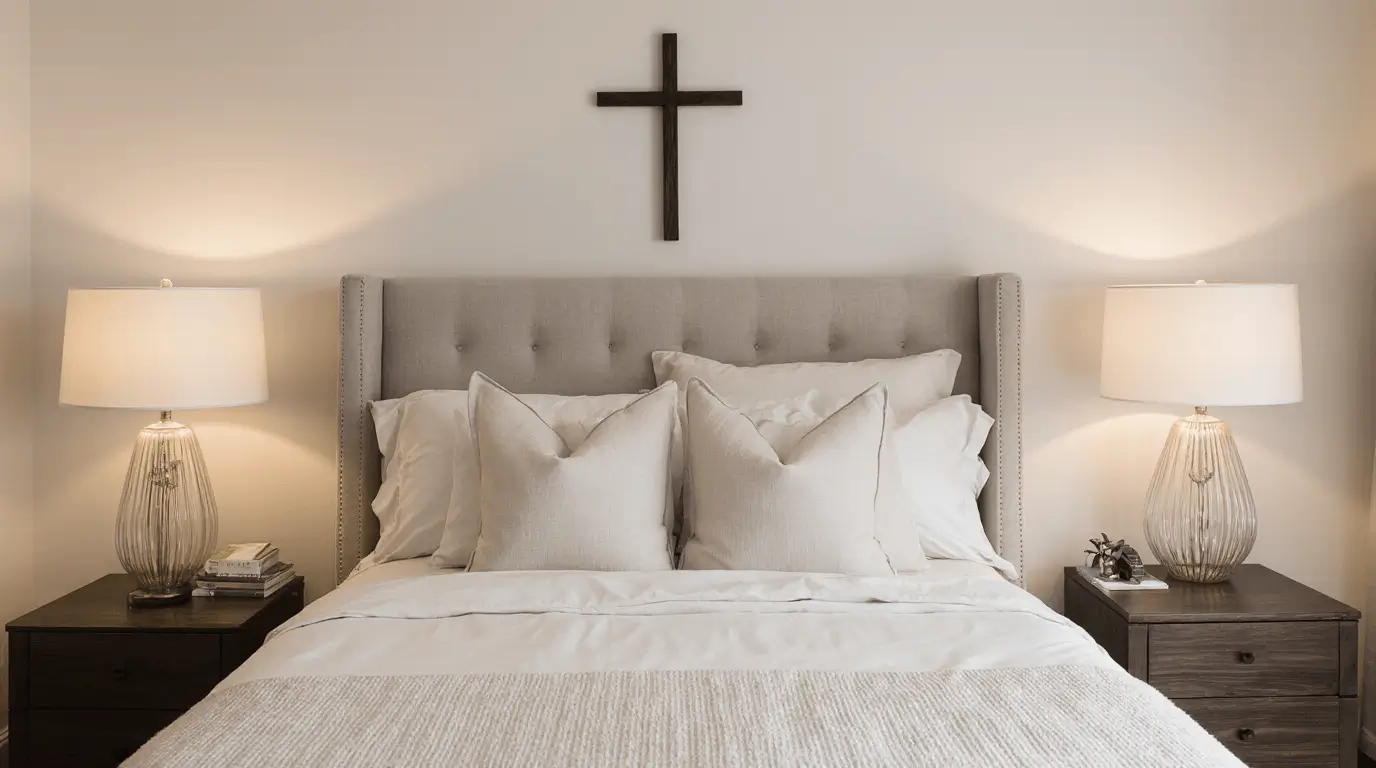
Christian Bedroom Decor as a Spiritual Sanctuary
Christian bedroom design focuses on creating a restful sanctuary where peace and reflection come naturally. Soft textures, calming colors, and gentle faith elements define the space.
It becomes a personal retreat for prayer, rest, and spiritual renewal.
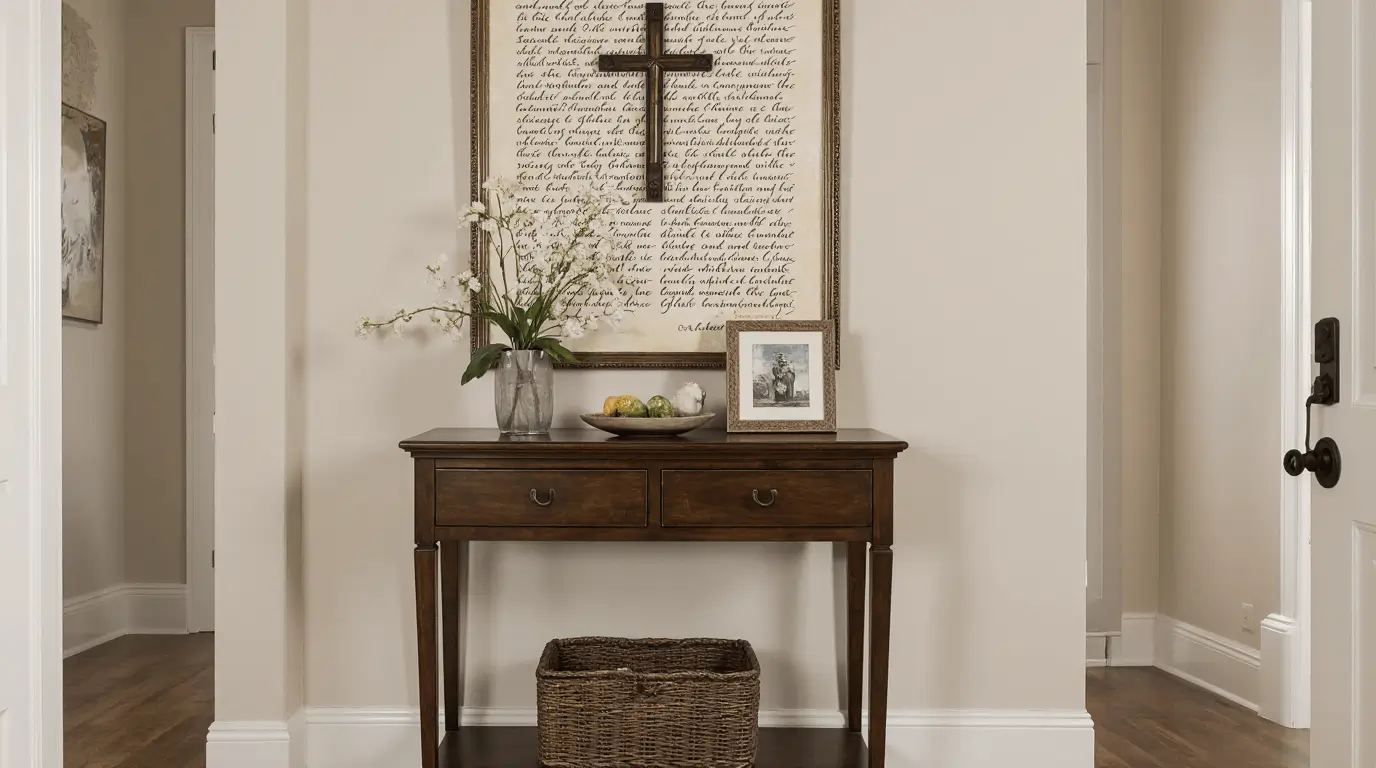
Entryway Faith-Based Christian Decor
The entryway sets the tone for Christian interior design by welcoming guests with warmth and spiritual symbolism. Subtle décor like scripture plaques or crosses creates an inviting first impression.
It reflects hospitality rooted in faith and peace.
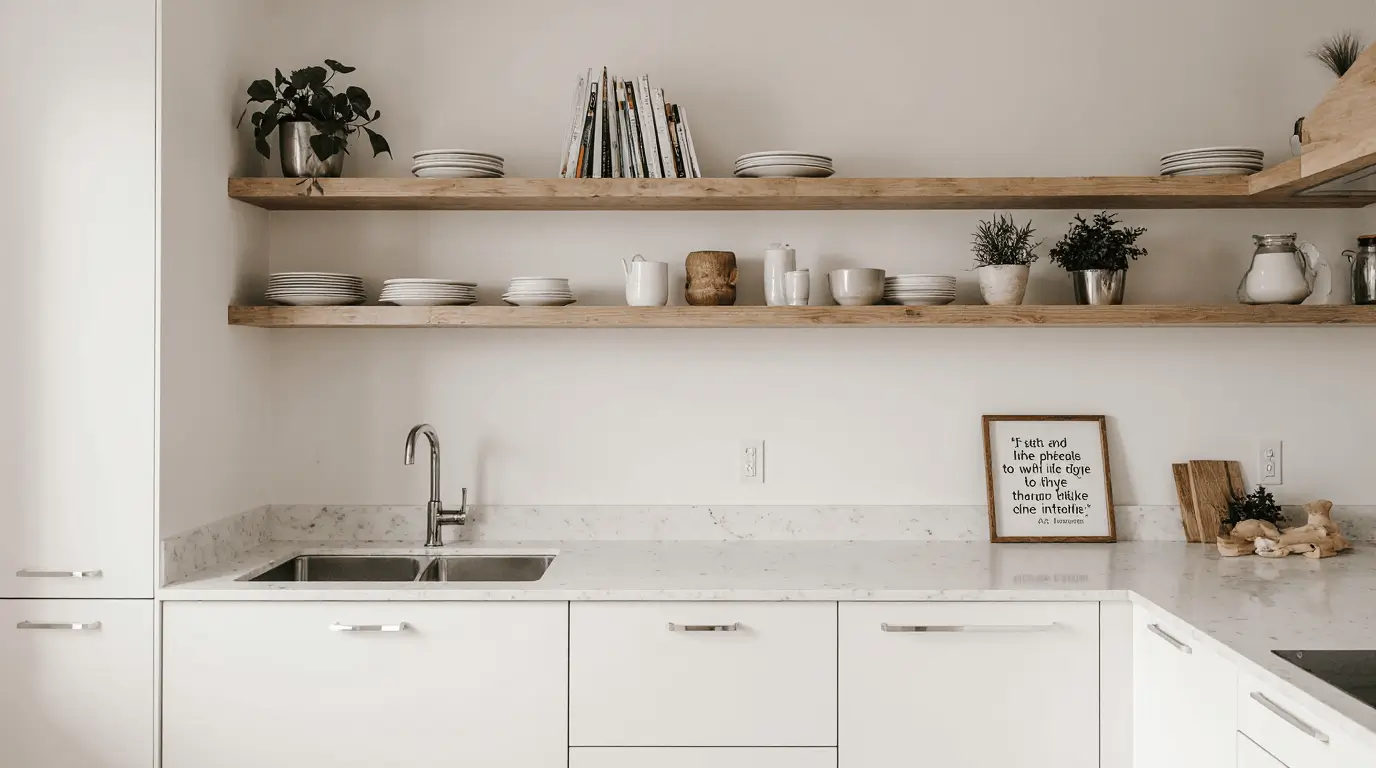
Christian Kitchen Decor with Subtle Faith Elements
Christian kitchen design keeps faith expressions subtle yet present, often through small décor accents and inspirational wall signs. Functionality remains primary, with gentle spiritual touches.
The space reflects gratitude and daily blessings.
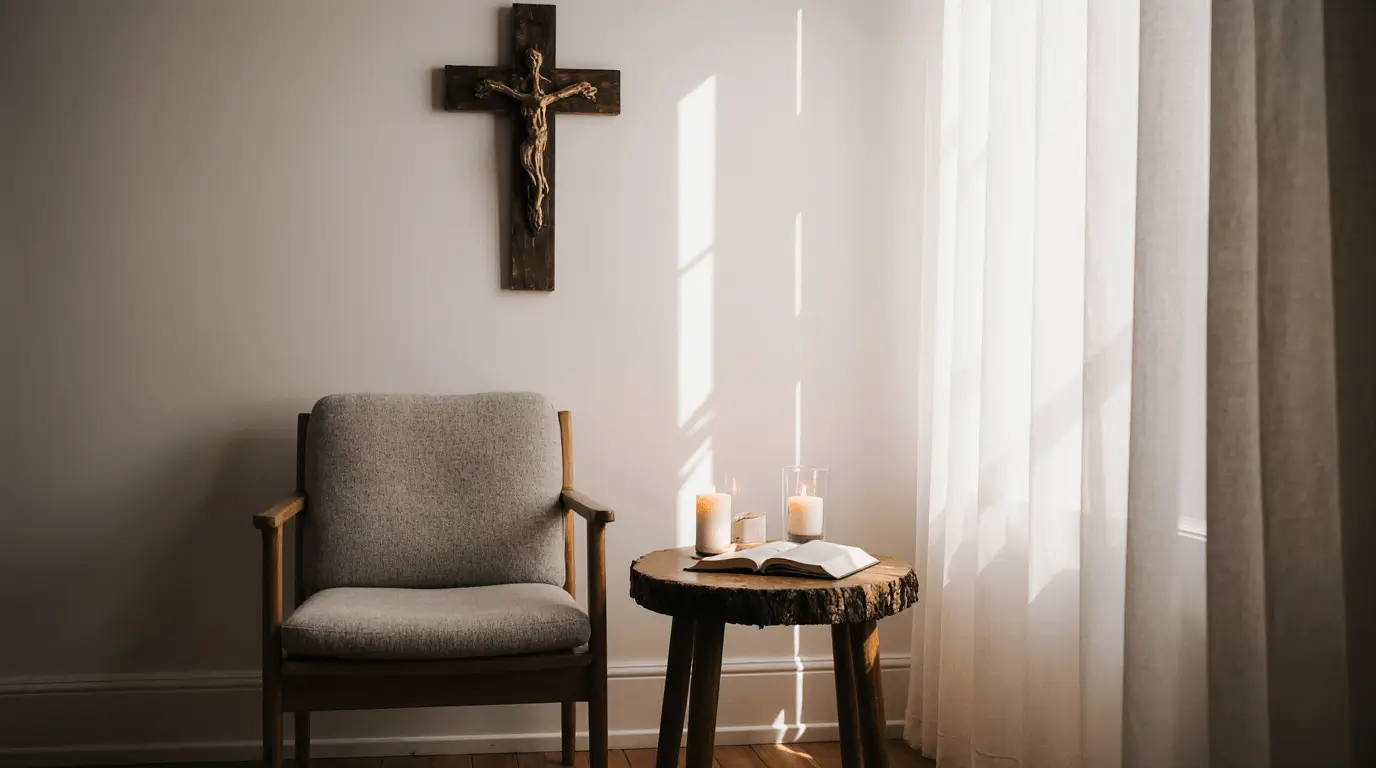
Prayer Corner and Home Altar Spaces
A dedicated prayer corner is a sacred part of Christian interior design, offering a quiet place for reflection, prayer, and meditation. It often includes a chair, Bible, candles, and symbolic décor.
This space brings intentional spiritual discipline into the home.
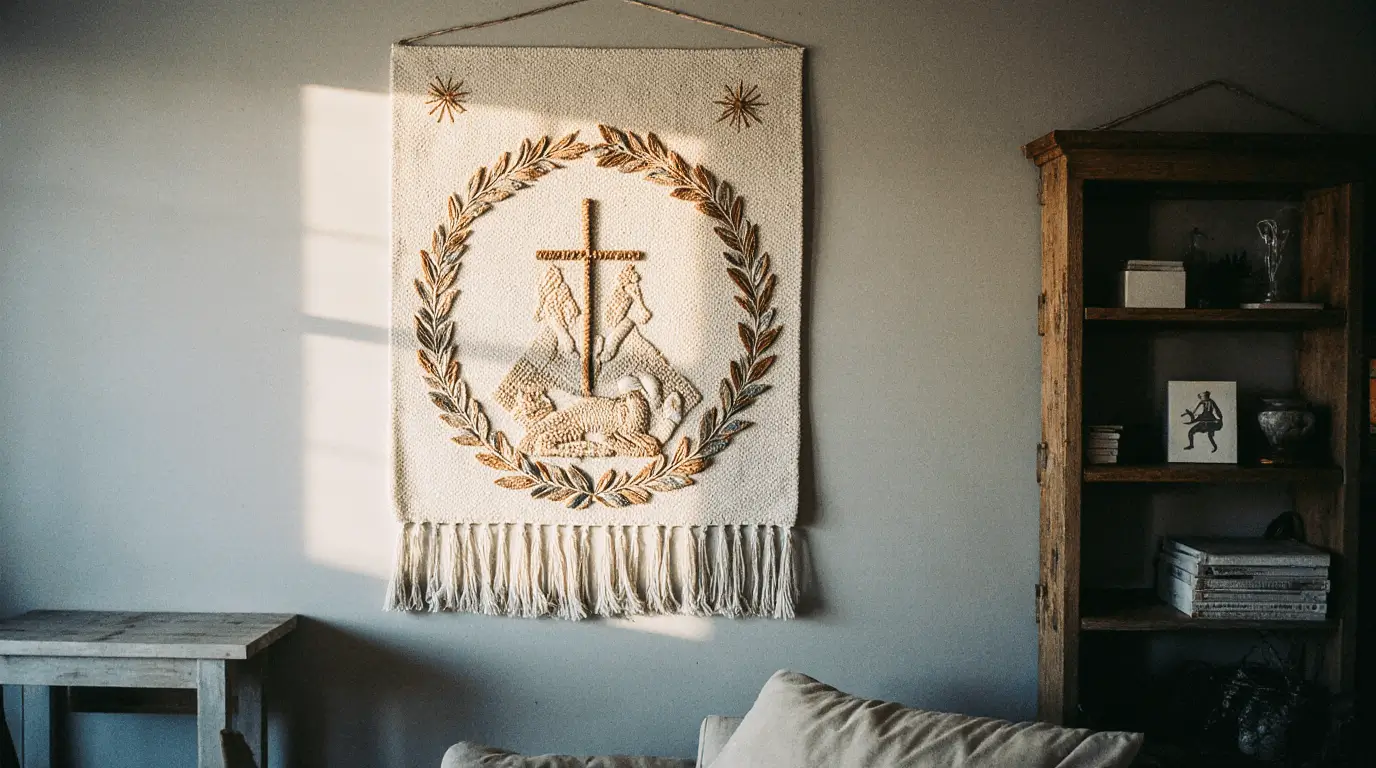
Christian Wall Hangings and Textile Decor
Textile elements like woven wall hangings, embroidered scripture, and fabric art add softness to Christian interior design. They bring warmth and tactile depth to spiritual expression.
These pieces often complement wooden or neutral-toned interiors.
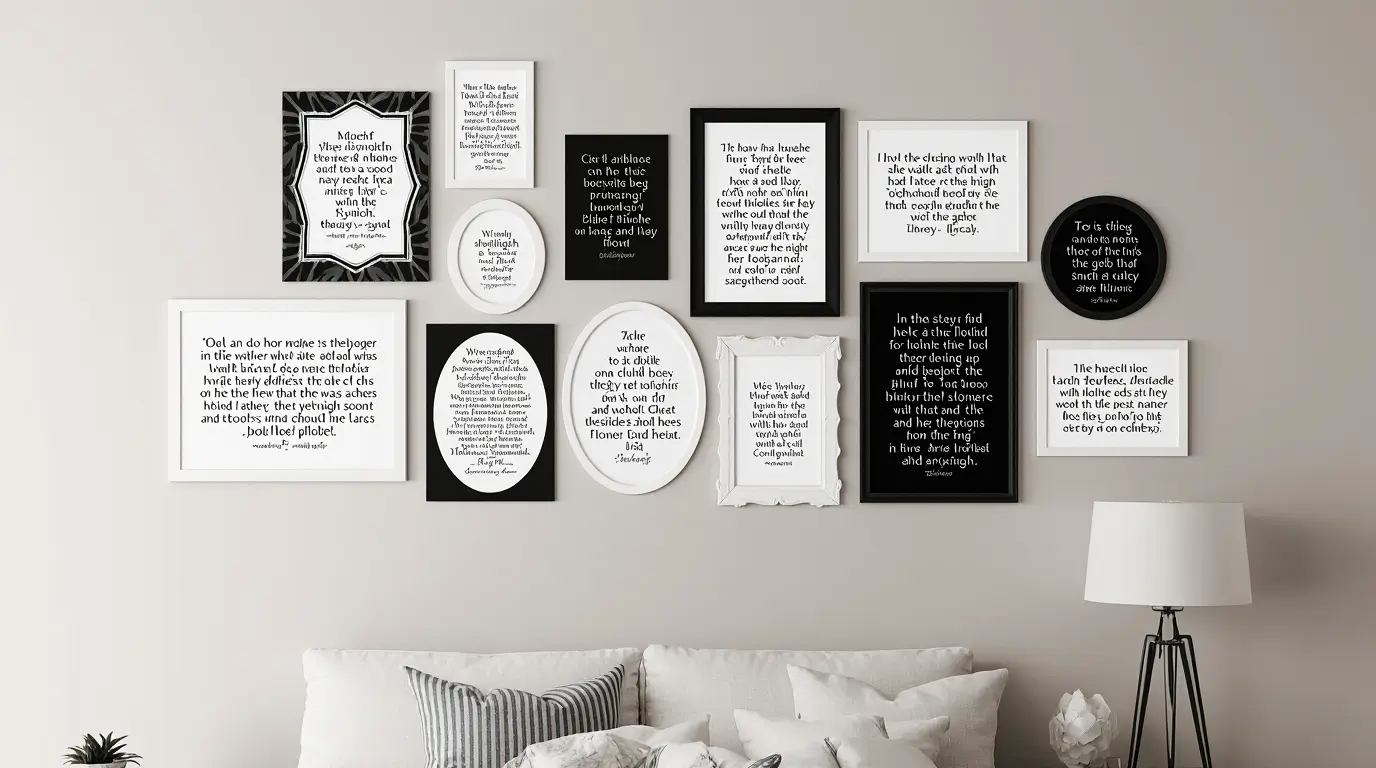
Scripture Gallery Wall Designs
Gallery walls featuring scripture and faith-inspired art create a powerful visual storytelling element in Christian interior design. They blend typography, photography, and symbolic imagery.
When arranged thoughtfully, they become a spiritual centerpiece of the home.
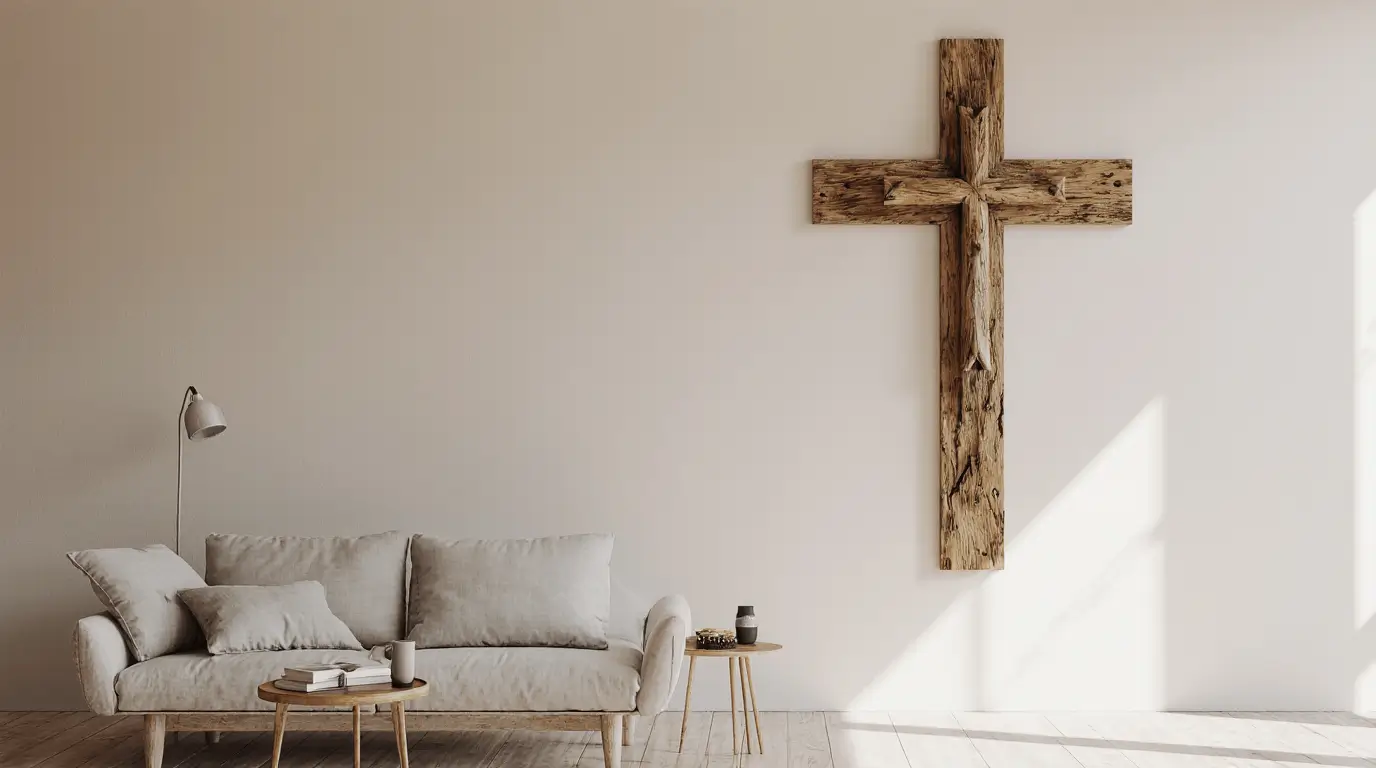
Cross-Centered Interior Styling
The cross remains a central symbol in Christian interior design, often used as a focal point in living rooms, bedrooms, or entryways. Its placement is typically minimal yet meaningful.
It serves as a reminder of faith without overpowering the design.
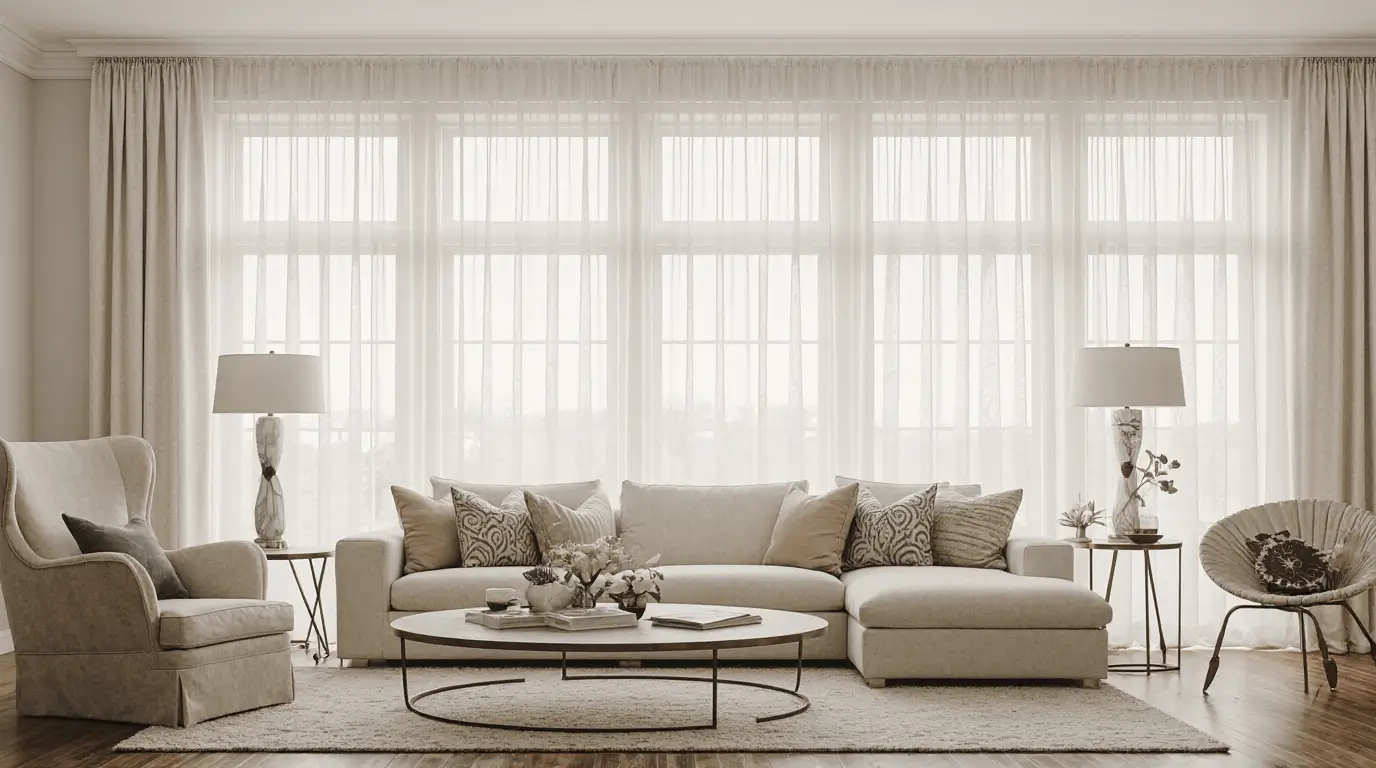
Natural Light in Christian Interior Design
Natural light plays a vital role in Christian interior design by symbolizing clarity, hope, and renewal. Large windows and open curtains enhance this effect.
Spaces feel more peaceful and spiritually uplifting when filled with daylight.
Church-Inspired Interior Design Elements
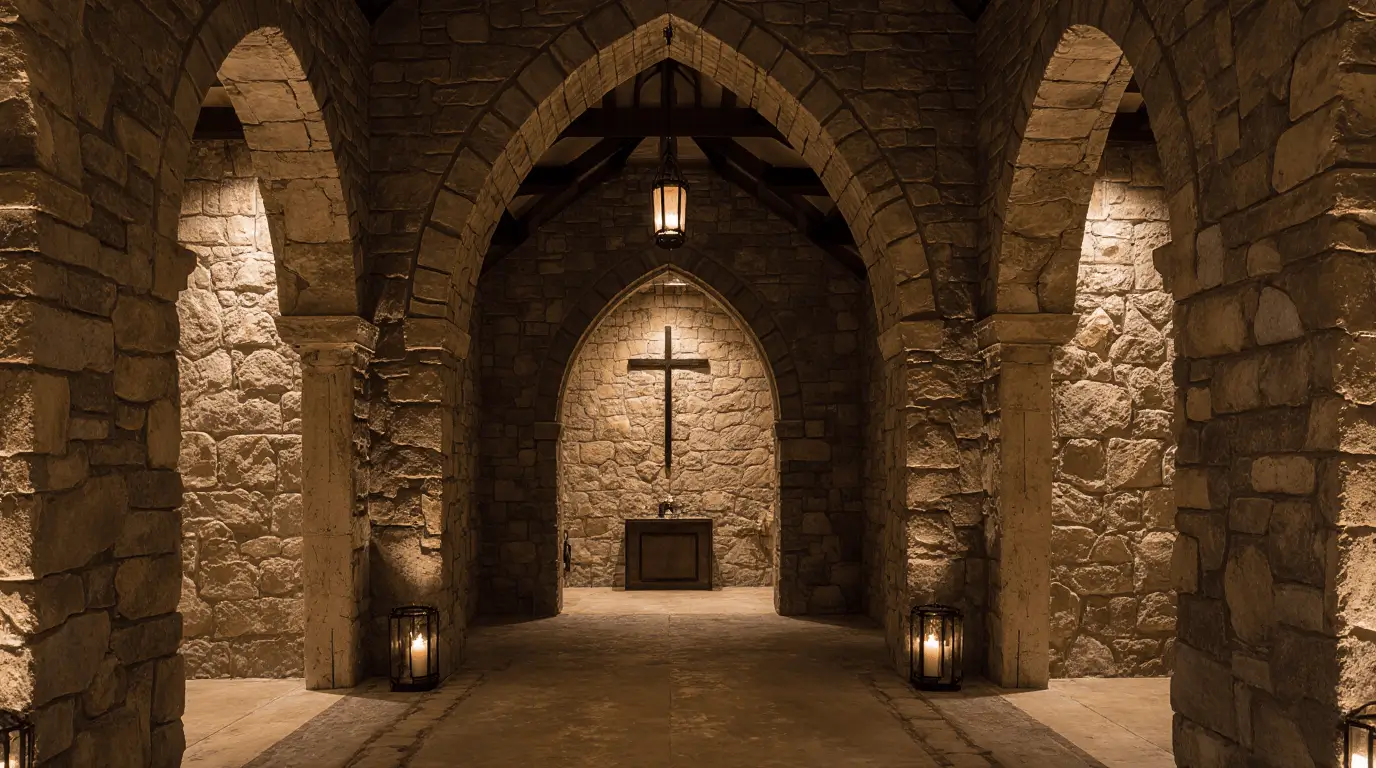
Church-inspired design brings architectural simplicity, arches, and sacred symmetry into home interiors. It subtly reflects traditional worship spaces.
This approach adds a timeless and reverent character to modern homes.
Christian Decor Color Palettes
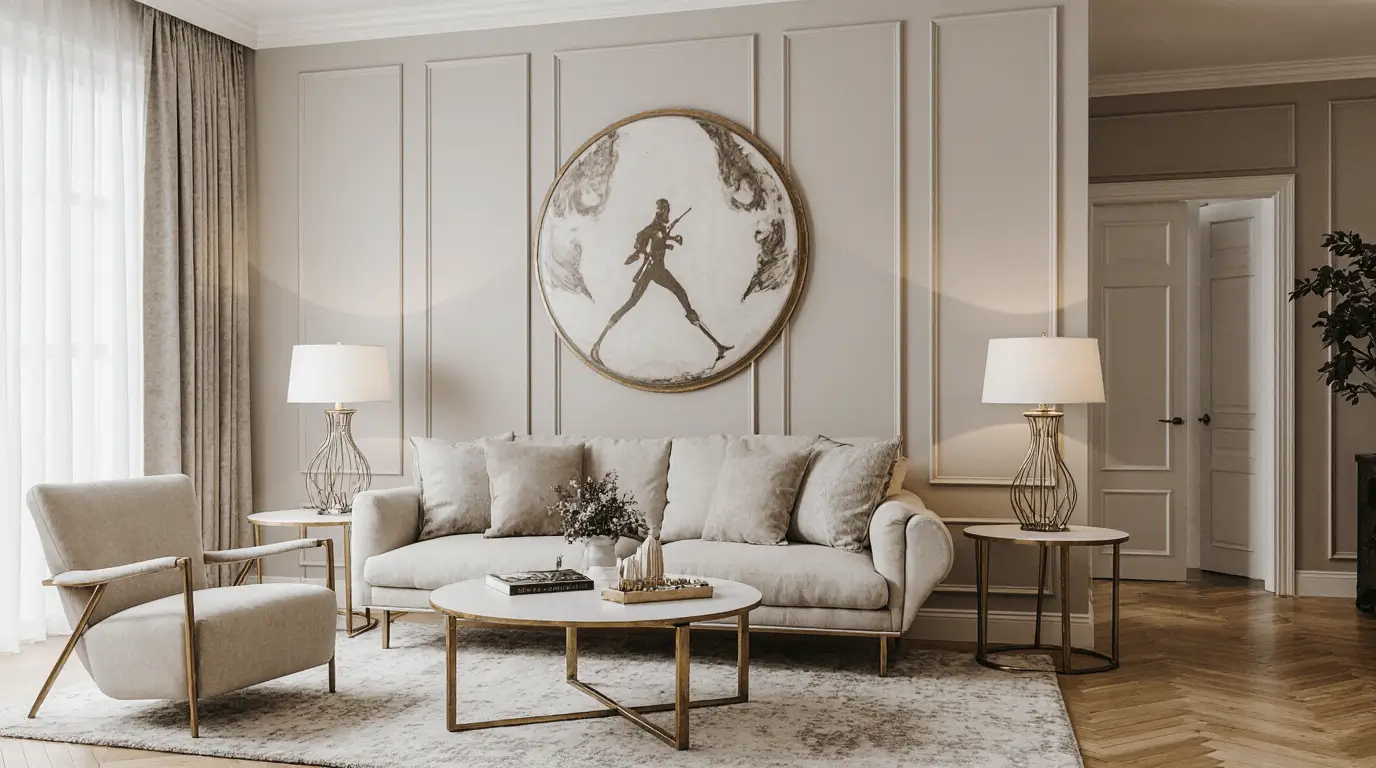
Color selection in Christian interior design often includes soft neutrals, earthy tones, and calming whites. These shades support peace, reflection, and simplicity.
Occasional muted gold or deep blue adds symbolic richness without distraction.
Modern Christian Furniture Styling
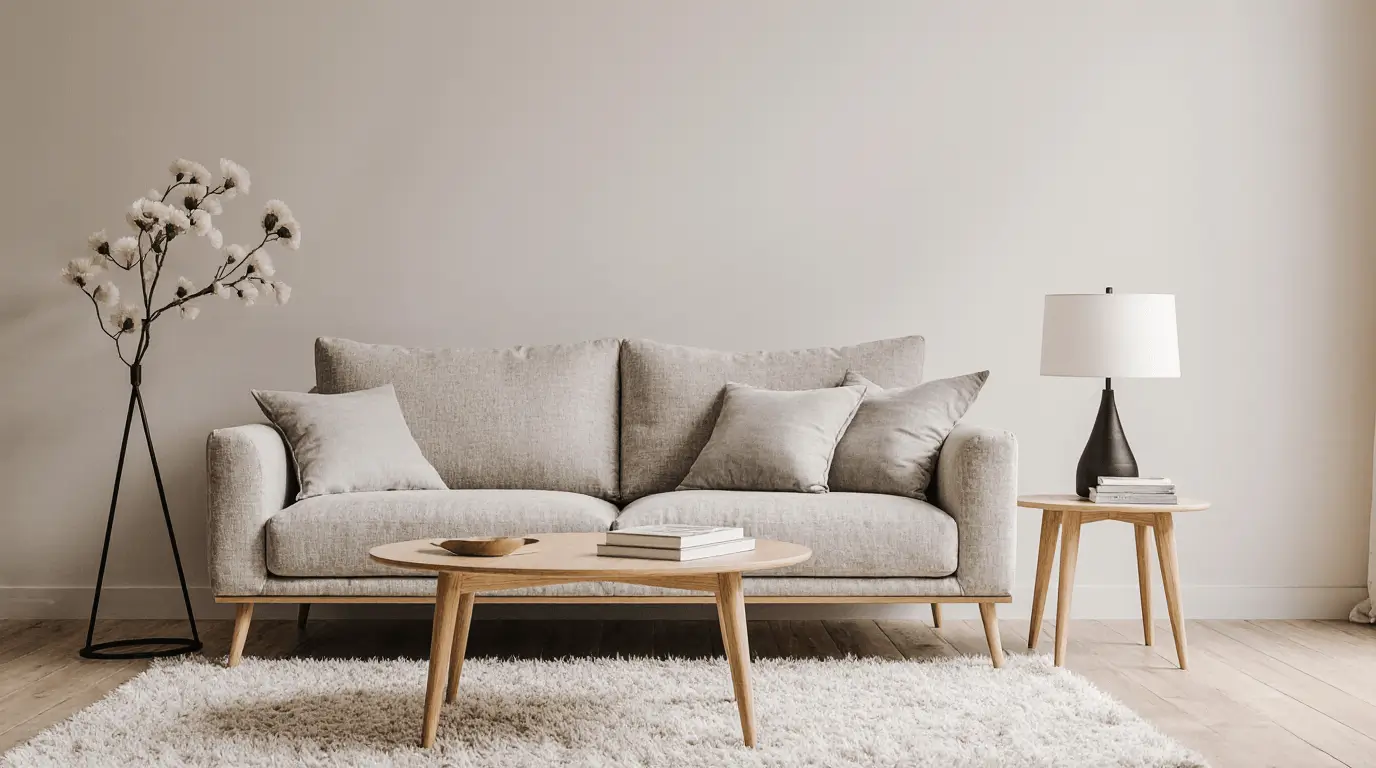
Furniture in Christian interior design prioritizes comfort, simplicity, and natural materials like wood, linen, and stone. Clean lines enhance spiritual calmness.
Each piece supports functionality while maintaining a peaceful visual flow.
Conclusion
Christian interior design is ultimately about creating homes that feel spiritually aligned, emotionally calming, and visually intentional. Rather than focusing on decoration alone, it brings meaning into everyday surroundings—turning walls, furniture, and open spaces into quiet reflections of faith and values. When done thoughtfully, it does not overwhelm a room with symbolism; instead, it allows peace, simplicity, and purpose to naturally shape the environment.
The strength of this design approach lies in its balance. Whether expressed through subtle scripture art, natural materials, or minimalist layouts, it helps homeowners build spaces that support reflection, rest, and family connection. It works especially well for those who want their home to feel grounding in a fast-paced world, offering a consistent reminder of hope and spiritual focus without sacrificing modern aesthetics.
Moving forward, the most effective way to apply Christian interior design is to start small and intentional—choose one meaningful focal point per room, prioritize calm color palettes, and let natural light and simplicity guide your choices. Over time, these decisions come together to form a home that feels not only well-designed but deeply lived-in and spiritually comforting.
Learn more : Row House Interior Design: Elegant Small Space Luxury Ideas
Frequently Asked Questions (FAQ)
- What defines Christian interior design in a modern home?
Christian interior design is defined by intentional spaces that reflect faith through subtle, meaningful elements such as scripture art, crosses, natural materials, and calming color palettes. It focuses more on atmosphere and values than decorative excess.
- Do I need religious symbols in every room?
No, and in fact, restraint often creates a more refined and peaceful result. Many well-designed homes use one or two focal faith elements per space, allowing the design to feel natural rather than repetitive or overwhelming.
- What colors work best for a faith-inspired interior?
Soft neutrals like beige, ivory, warm whites, and earthy tones work best because they create calmness and clarity. These shades also pair well with wood textures and minimal décor, supporting a peaceful home environment.
- How can I make a small apartment feel spiritually designed?
Even in small spaces, you can create impact by using a single scripture frame, a cross accent, or a dedicated prayer corner. Keeping the layout clean and uncluttered helps the space feel open and reflective.
- Is Christian interior design more traditional or modern?
It can be both. Some homes lean into rustic or traditional farmhouse styles, while others use modern minimalist or luxury approaches. The key is not the style itself, but how faith is subtly integrated into the space.
- What is the most important principle in this design approach?
Intentionality is the most important principle. Every item should feel purposeful—whether it serves comfort, function, or spiritual meaning. This prevents clutter and maintains a calm, focused atmosphere.
- Can Christian interior design still feel stylish and contemporary?
Yes. When done correctly, it blends seamlessly with modern design trends. Clean lines, natural textures, and minimal faith-based accents allow the space to feel both current and deeply meaningful without appearing outdated.



One Response